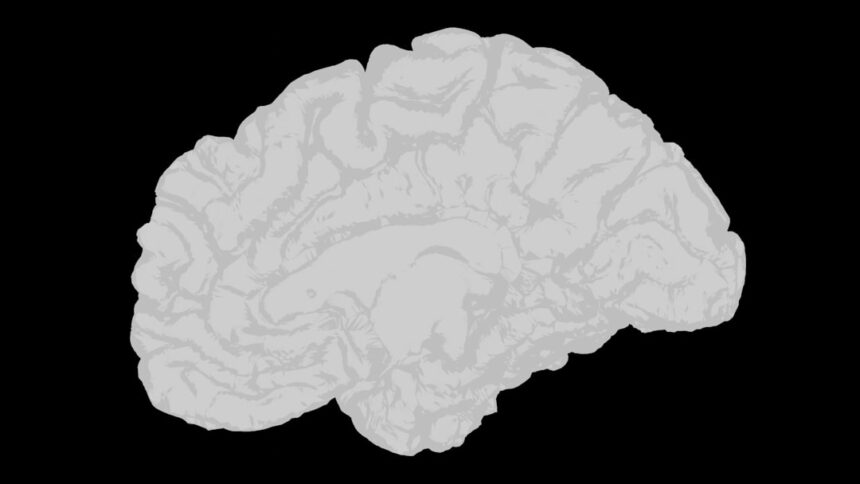
Your 24-Hour Neuro Reset: A Practical Guide to Boosting Brainpower
Your brain, a complex maestro orchestrating your every thought, feeling, and action, operates under a constant demand. In the modern world, this demand often manifests as a relentless barrage of stimuli, commitments, and digital distractions, potentially leading to cognitive fatigue, reduced focus, and diminished creativity. This guide offers a practical, step-by-step approach to a 24-hour neuro reset, a system designed to recalibrate your neural pathways, optimize cognitive function, and unlock your brain’s latent potential. Consider this your digital detox and mental tune-up, a strategic pause to allow your brain to shed the accumulated noise and emerge sharper, more resilient, and more capable.
Before embarking on your 24-hour reset, a conscious commitment to prioritizing your cognitive well-being is paramount. This isn’t about deprivation; it’s about strategically curating an environment and a schedule that supports neural restoration. Think of it as preparing fertile ground for your brain to flourish.
Understanding the Need for a Reset
Your brain is a biological machine, and like any complex system, it requires periods of rest and repair to function optimally. Chronic stress, insufficient sleep, and incessant multi-tasking can lead to a state of “neuro-exhaustion,” akin to a computer running too many programs simultaneously, slowing down its processing speed and causing glitches. A neuro reset aims to clear this mental cache, allowing for a more efficient and effective experience of your daily life. Research in neuroscience has consistently demonstrated the negative impacts of prolonged stress on areas of the brain crucial for learning, memory, and emotional regulation, such as the hippocampus and prefrontal cortex. By implementing a structured reset, you are actively working to mitigate these effects and foster neuroplasticity – the brain’s ability to reorganize itself by forming new neural connections.
Defining Your Reset Goals
Before you begin the 24-hour period, it’s beneficial to establish specific, achievable goals. Are you aiming to overcome a creative block, improve your concentration for an upcoming project, or simply reduce feelings of mental overwhelm? Identifying your key objectives will help you tailor the activities within the reset to your individual needs. For instance, if your goal is to enhance creativity, incorporating activities that promote divergent thinking and reduce analytical pressure will be more impactful than if your goal is to focus on analytical tasks.
Preparing Your Environment
Your physical surroundings play a significant role in your cognitive state. During your reset, aim to create a space that encourages calm and reduces external distractions. This might involve decluttering your workspace, minimizing ambient noise, and ensuring adequate natural light. Consider a temporary hiatus from digital devices if possible, as their constant notifications and alluring content can act as significant disruptors to focused thought. A study published in the Journal of Environmental Psychology has shown that exposure to nature, even in urban settings, can improve cognitive performance and reduce mental fatigue.
If you’re interested in optimizing your mental clarity and overall well-being, you might find the article on the 24 Hour Neuro Reset Guide particularly enlightening. This comprehensive guide offers practical strategies to rejuvenate your mind and enhance cognitive function. For more insights on productivity and mental health, check out this related article on the benefits of mindfulness and its impact on daily performance at Productive Patty.
Hour by Hour: A Tactical Approach to Your Neuro Reset
The 24-hour reset is best approached with a structured, yet flexible, plan. This section outlines a potential schedule, emphasizing activities that are known to support cognitive function and promote neural recovery. Remember, this is a template, and you should adjust it to fit your personal rhythm and preferences.
The Morning: Awakening the Neural Network (Hours 1-6)
Your morning hours are a crucial period for setting a positive tone for your brain. This is when your neural pathways are typically most receptive to new information and experiences.
Gentle Awakening and Hydration
- Immediate Hydration: Upon waking, consume a full glass of water. Your brain is primarily water, and dehydration can impair cognitive function, leading to sluggishness and reduced focus. Think of it as providing essential fuel for your brain’s engine.
- Mindful Movement: Engage in light physical activity, such as stretching, yoga, or a gentle walk. Exercise increases blood flow to the brain, delivering vital oxygen and nutrients that enhance cognitive performance and mood. This promotes the release of endorphins, which act as natural mood elevators.
- Nourishing Breakfast: Consume a balanced breakfast rich in complex carbohydrates, healthy fats, and protein. This provides sustained energy for your brain, avoiding the sugar crashes often associated with processed foods. Options like oatmeal with berries and nuts, or eggs with avocado, offer a steady release of glucose, the brain’s primary energy source.
Focused Learning or Creative Exploration
- Deliberate Engagement: Dedicate a block of time to a focused activity that stimulates your brain without inducing excessive stress. This could be reading a book on a topic that interests you, learning a new skill online, or engaging in a creative pursuit like writing or drawing. The key is active engagement, rather than passive consumption of information. The principle of “desirable difficulty” suggests that challenges that are slightly beyond your current capacity, but not overwhelming, lead to the most effective learning.
- Mindfulness Practice: Incorporate a short mindfulness or meditation session. Even 5-10 minutes of focused breathing can significantly reduce stress hormones like cortisol, which can impair cognitive function. Regular mindfulness practice has been shown to increase grey matter density in brain regions associated with attention and emotional regulation.
If you’re interested in optimizing your mental clarity and overall well-being, you might find the 24 Hour Neuro Reset Guide particularly helpful. For additional insights on enhancing cognitive function and achieving a balanced mindset, check out this related article that offers practical tips and strategies. You can read more about it here.
Midday: Sustaining Peak Performance and Restoring Energy (Hours 7-12)
The midday period requires a strategic approach to maintain your cognitive momentum while allowing for essential replenishment.
Brain-Boosting Lunch
- Nutrient-Dense Meal: Opt for a lunch that provides sustained energy and supports brain health. Focus on lean proteins, plenty of vegetables, and healthy fats. Avoid heavy, processed meals that can lead to post-lunch drowsiness or “brain fog.” Examples include a large salad with grilled chicken or fish, or a lentil soup with whole-grain bread. Think of this meal as refueling your mental car with high-octane fuel.
- Hydration Check: Ensure you continue to hydrate throughout the day. Dehydration can subtly impact your focus and decision-making abilities.
Strategic Rest and Recharge
- Power Nap (Optional): If you feel fatigued, a 20-30 minute power nap can be incredibly restorative. This allows your brain to consolidate information and clear out metabolic waste products. However, avoid longer naps, which can lead to grogginess. The science of napping suggests short durations improve alertness and performance without disrupting nighttime sleep.
- Cognitive Break: Step away from demanding mental tasks. Engage in a light, enjoyable activity that allows your mind to wander and decompress. This could be listening to music, spending time in nature, or engaging in a brief, non-strenuous hobby. This period of “diffuse thinking” allows your brain to make novel connections and foster creativity.
Afternoon: Cultivating Flow and Integration (Hours 13-18)
The afternoon hours are an opportunity to leverage the revitalized cognitive state achieved earlier in the day.
Deep Work and Creative Flow
- Focused Task Engagement: Dedicate this time to tasks that require deep concentration and cognitive effort. This is when you might tackle complex problem-solving, creative writing, or strategic planning. The principle of “flow state,” described by Mihaly Csikszentmihalyi, is an optimal state of consciousness where you feel fully immersed in an activity, characterized by energized focus, full involvement, and enjoyment in the process.
- Sensory Engagement: Consider activities that engage your senses in a calming or stimulating way, depending on your needs. This could involve listening to instrumental music conducive to focus, or even incorporating aromatherapy with scents like rosemary or peppermint, which are known to enhance alertness.
Social Connection or Reflective Journaling
- Meaningful Interaction (Optional): If your reset allows for social interaction, engage in conversation with someone who positively influences your mood and cognitive state. Meaningful social connections are vital for emotional well-being and can indirectly boost cognitive function.
- Reflective Journaling: Dedicate time to journaling. This can be an excellent way to process thoughts, identify patterns, and gain clarity on your experiences. Writing down your thoughts can bring order to a chaotic internal landscape.
Evening: Winding Down and Preparing for Rest (Hours 19-24)
The evening is dedicated to transitioning your brain into a state of rest and preparing for optimal sleep.
Nourishing Dinner and Digital Detox
- Light, Wholesome Meal: Opt for a light, easily digestible dinner that doesn’t tax your digestive system. Focus on vegetables, lean protein, and healthy fats. Avoid heavy or spicy foods close to bedtime, as these can disrupt sleep. Think of this meal as a gentle signal to your body that the day’s work is concluding.
- Strict Digital Curfew: Enforce a strict digital curfew at least 1-2 hours before bed. The blue light emitted from screens suppresses melatonin production, making it harder to fall asleep. This is a crucial step in disengaging from the constant stimulation of the digital world.
Relaxation and Sleep Preparation
- Calming Rituals: Establish a relaxing bedtime routine. This could include reading a physical book, taking a warm bath, listening to calming music, or engaging in gentle stretching. These activities signal to your brain that it’s time to wind down.
- Optimizing Sleep Environment: Ensure your bedroom is dark, quiet, and cool. These conditions are optimal for melatonin production and deep, restorative sleep. Your bedroom should be a sanctuary for sleep, not a place for late-night digital escapades.
Key Pillars of the Neuro Reset

Beyond the hour-by-hour schedule, certain foundational habits are essential for maximizing the benefits of your 24-hour neuro reset. These are the bedrock upon which your cognitive rejuvenation is built.
The Power of Sleep: Your Brain’s Essential Maintenance Crew
Sleep is not a luxury; it is a biological imperative. During sleep, your brain consolidates memories, clears out metabolic waste products (like beta-amyloid, implicated in neurodegenerative diseases), and repairs cellular damage. Insufficient or poor-quality sleep is a direct assault on your cognitive abilities.
Understanding Sleep Cycles
- REM and Non-REM Sleep: Your sleep progresses through distinct stages, including Rapid Eye Movement (REM) and Non-Rapid Eye Movement (NREM) sleep. Each stage plays a crucial role in cognitive function. REM sleep is particularly important for learning, memory consolidation, and emotional processing.
- The Importance of Duration: Aim for 7-9 hours of quality sleep. Chronic sleep deprivation can lead to impaired attention, decision-making, and emotional volatility. Think of sleep as your brain’s nightly tune-up and essential software update.
Strategies for Optimal Sleep Hygiene
- Consistent Sleep Schedule: Go to bed and wake up around the same time each day, even on weekends, to regulate your body’s natural sleep-wake cycle (circadian rhythm).
- Create a Sleep Sanctuary: Ensure your bedroom is dark, quiet, and cool. Invest in blackout curtains, earplugs, or a white noise machine if necessary.
- Avoid Stimulants Before Bed: Refrain from caffeine and alcohol in the hours leading up to sleep. These substances can disrupt sleep architecture.
Nutrition for a Sharper Mind: Fueling Your Neural Engine
What you eat directly impacts your brain’s structure and function. The right nutrients can enhance memory, focus, and mood, while a poor diet can lead to cognitive decline.
Brain-Boosting Foods
- Omega-3 Fatty Acids: Found in fatty fish (salmon, mackerel), flaxseeds, and walnuts, these are essential for brain cell membranes and possess anti-inflammatory properties.
- Antioxidants: Berries, dark chocolate, and leafy greens are rich in antioxidants that protect brain cells from oxidative stress.
- Complex Carbohydrates: Whole grains, legumes, and vegetables provide a steady release of glucose, the brain’s primary energy source, preventing dips in energy and focus.
- Lean Proteins: Eggs, poultry, and fish provide amino acids, which are the building blocks for neurotransmitters, the chemical messengers of the brain.
Foods to Limit or Avoid
- Processed Sugars: Can lead to inflammation and energy crashes, negatively impacting cognitive function.
- Trans Fats: Found in many processed snacks and baked goods, these are detrimental to brain health.
- Excessive Saturated Fats: While some are necessary, an overload can negatively impact cardiovascular health, which is intrinsically linked to brain health.
Hydration: The Unsung Hero of Cognitive Performance
Your brain is approximately 75% water. Even mild dehydration can impair cognitive abilities, leading to headaches, fatigue, and reduced concentration.
The Importance of Staying Hydrated
- Cellular Function: Water is vital for numerous cellular processes in the brain, including the transport of nutrients and the removal of waste products.
- Cognitive Function: Hydration directly impacts alertness, memory, and mood. Studies have shown that even a 1-2% drop in hydration can measurably impair cognitive performance.
Simple Hydration Strategies
- Carry a Water Bottle: Keep a reusable water bottle with you throughout the day and sip from it regularly.
- Infuse Your Water: Add slices of fruit (lemon, cucumber, berries) to make water more appealing.
- Monitor Your Urine Color: Light yellow urine generally indicates adequate hydration.
The Aftermath: Sustaining Your Cognitive Gains

A 24-hour neuro reset is not a one-time event; it’s an opportunity to implement sustainable habits that will continue to support your brainpower long after the reset period concludes.
Integrating New Habits into Your Routine
The most effective neuro reset is one that inspires lasting change. Identify the practices that resonated most with you and make a conscious effort to integrate them into your daily or weekly routine.
Prioritizing Cognitive Well-being
- Scheduled Breaks: Regularly schedule short breaks throughout your workday to allow your brain to rest and recharge, preventing burnout.
- Mindful Consumption: Be more mindful of your digital consumption and limit exposure to excessive information or notifications.
- Consistent Sleep: Continue to prioritize 7-9 hours of quality sleep each night.
Continuous Learning and Brain Training
- Engage in Novelty: Continuously seek out new experiences and learning opportunities to stimulate neuroplasticity. This could be learning a language, playing a musical instrument, or exploring a new hobby.
- Brain Exercises: Incorporate brain-training exercises, such as puzzles, memory games, or strategic challenges, to keep your cognitive skills sharp. These exercises help to build neural pathways and improve cognitive flexibility.
Recognizing the Signs of Cognitive Fatigue and Burnout
Understanding the early warning signs of cognitive fatigue and burnout is crucial for proactive intervention.
Subtle Indicators
- Reduced Concentration: Difficulty focusing on tasks, increased distractibility.
- Memory Lapses: Forgetting appointments, names, or details.
- Decreased Creativity: Feeling uninspired, struggling with problem-solving.
- Emotional Irritability: Increased frustration, impatience, or mood swings.
- Physical Symptoms: Headaches, fatigue, and muscle tension.
Proactive Strategies
- Early Intervention: When you notice these signs, take immediate steps to rest and de-stress. This might involve taking a break, engaging in a relaxing activity, or prioritizing sleep.
- Long-Term Prevention: Regularly implement elements of your neuro reset, such as sleep optimization, mindful nutrition, and controlled digital usage, to prevent reaching a state of severe cognitive fatigue.
The Long-Term Benefits of a Reactive Approach
By dedicating a focused 24 hours to recalibrating your brain, you invest in your long-term cognitive health. This proactive approach can lead to enhanced productivity, improved creativity, greater emotional resilience, and a more fulfilling engagement with life’s challenges. You are essentially upgrading your internal operating system, enabling you to process information more efficiently, solve problems more effectively, and experience the world with greater clarity and depth. This 24-hour commitment is an investment in your most valuable asset: your mind.
FAQs
What is a 24 hour neuro reset?
A 24 hour neuro reset is a structured approach designed to help reset and optimize brain function within a single day. It typically involves specific activities, dietary adjustments, rest periods, and mental exercises aimed at reducing stress, improving focus, and enhancing cognitive performance.
Who can benefit from a 24 hour neuro reset?
Anyone experiencing mental fatigue, stress, or cognitive overload can benefit from a 24 hour neuro reset. It is especially useful for individuals with demanding schedules, those recovering from burnout, or anyone looking to improve mental clarity and emotional balance.
What activities are commonly included in a 24 hour neuro reset?
Common activities include mindfulness meditation, controlled breathing exercises, light physical activity, strategic naps, hydration, balanced nutrition, and limiting exposure to digital screens. These elements work together to support brain recovery and enhance neural function.
Is a 24 hour neuro reset safe for everyone?
Generally, a 24 hour neuro reset is safe for most people when following recommended guidelines. However, individuals with certain medical conditions or mental health concerns should consult a healthcare professional before starting any intensive reset program.
How often should one perform a 24 hour neuro reset?
The frequency depends on individual needs and lifestyle. Some people may benefit from a monthly reset, while others might find quarterly or biannual resets sufficient. Regular practice can help maintain optimal brain health and prevent cognitive burnout.