You stand at the precipice of your potential, a vast landscape of tasks and aspirations stretching before you. To navigate this terrain effectively requires not merely effort, but strategic application of that effort. This article will guide you through five proven techniques designed to amplify your productivity, transforming you from a passive observer of your to-do list into an active orchestrator of your work.
Your daily workload often resembles a mythical beast: multi-headed, sprawling, and seemingly indomitable. Attempting to tackle every head simultaneously leads only to exhaustion and minimal progress. Focused prioritization is the discerning eye that identifies the kraken’s core, the critical path that, once severed, cripples the entire creature. It’s about discerning between the urgent and the important, a crucial distinction that too often blurs in the heat of the moment.
The Eisenhower Matrix: A Compass for Your Decisions
The Eisenhower Matrix, popularized by former U.S. President Dwight D. Eisenhower, offers a robust framework for prioritizing tasks. You categorize your tasks into four quadrants based on their urgency and importance:
- Do First (Urgent and Important): These are your “crisis” tasks, requiring immediate attention. Think project deadlines, critical client requests, or health emergencies. Neglecting these can have significant negative consequences. You must treat these as non-negotiable and allocate your prime energy and focus to them. They are the fires you must extinguish before they spread.
- Schedule (Important but Not Urgent): This quadrant is the bedrock of long-term success. These tasks are vital for your goals, growth, and future well-being, but they don’t demand immediate action. Examples include strategic planning, skill development, building relationships, and proactive problem-solving. This is where you proactively invest in your future, laying bricks for the edifice you intend to build. Failure to prioritize these tasks often leads them to migrate into the “Do First” quadrant as their deadlines loom, creating unnecessary stress.
- Delegate (Urgent but Not Important): These tasks require immediate action but do not necessarily demand your personal involvement. Could someone else handle this effectively? Administrative tasks, routine requests, or information gathering often fall into this category. Delegation frees your time and mental energy for “Do First” and “Schedule” tasks, effectively expanding your capacity without expanding your workload. You are not a solitary island; leverage resources and trust others to contribute.
- Eliminate (Not Urgent and Not Important): These tasks are often masquerading as productive work but contribute little to your objectives. They are distractions, time-wasters, and unnecessary commitments. Social media scrolling beyond a designated break, excessive email checking, or meetings without clear agendas often reside here. Identifying and eliminating these weeds allows your genuine efforts to flourish. Be ruthless in pruning your task garden.
The Power of “One Thing”: The North Star of Your Day
Beyond the matrix, consider the “One Thing” principle. This involves identifying the single most important task for you to accomplish each day, the one action that, if completed, would make everything else easier or unnecessary. This is your North Star. Before you begin your day, ask yourself: “What is the ONE thing I can do today that will have the greatest positive impact?” Once identified, dedicate your prime working hours to its completion. This prevents you from being pulled in multiple directions and ensures that significant progress is made on critical objectives daily. This singular focus creates a powerful current that pulls you forward, rather than being buffeted by the choppy waters of multiple minor demands.
To enhance your productivity, you might find it beneficial to explore the insights shared in a related article on the topic. For practical tips and strategies that can help you maximize your efficiency, check out this resource: Productive Patty. This article offers valuable advice that can transform the way you approach your daily tasks and improve your overall productivity.
The Pomodoro Technique: Cultivating Hyper-Focus in Bursts
Your attention span is like a muscle; it can be strengthened and fatigued. The Pomodoro Technique, developed by Francesco Cirillo in the late 1980s, offers a structured approach to managing your time and maximizing your focus through timed intervals. It’s about sprinting with purpose, then intentionally resting to recharge.
The 25-Minute Work Sprint: The Core of the Method
The core of the Pomodoro Technique involves working in focused 25-minute intervals, known as “Pomodoros.” During each Pomodoro:
- Select a single task: Before starting, choose one specific task to work on. Avoid multitasking.
- Set a timer for 25 minutes: Commit to working on your chosen task exclusively until the timer rings.
- Work with intense focus: Eliminate distractions. Close unnecessary tabs, silence notifications, and inform colleagues you are unavailable. Treat these 25 minutes as sacred, an impenetrable fortress of concentration.
- Mark your progress: Once the timer rings, mark off one Pomodoro. This visual representation of your progress reinforces achievement and motivates you.
The Strategic Short Break: Recharging Your Cognitive Batteries
Following each 25-minute Pomodoro, you take a short break, typically 3-5 minutes. This is not the time to check emails or engage in other mentally demanding activities. Instead, use this time for:
- Physical movement: Stand up, stretch, walk a short distance.
- Mental decompression: Briefly look away from your screen, hydrate, or simply let your mind wander.
- Avoid mentally engaging tasks: Do not use this break to start another work-related activity or engage deeply in social media, as this defeats the purpose of mental refreshment.
These short breaks prevent mental fatigue and allow your brain to consolidate information and recharge before the next sprint. They are the equivalent of a pit stop for a race car, vital for sustained performance.
The Longer Break: Consolidating and Resetting
After completing four Pomodoros (approximately 2 hours of focused work), you take a longer break, typically 15-30 minutes. This extended break allows for deeper mental rest and recovery. Use this time to:
- Step away from your workstation: Go for a short walk, eat a snack, or engage in a non-work activity you enjoy.
- Reflect on your progress: Briefly review what you’ve accomplished and plan for the next set of Pomodoros.
- Completely disconnect: Allow your mind to truly disengage from work-related thoughts.
The Pomodoro Technique works because it breaks down large, daunting tasks into manageable, bite-sized chunks, making them less intimidating and fostering a sense of accomplishment with each completed Pomodoro. It trains you to manage your time, not merely react to it.
The Power of Batching: Optimizing Similar Tasks
Your workday is often fragmented by the constant shifting between different types of tasks. Each switch carries a “context-switching cost,” a measurable dip in productivity as your brain reorients itself to the new demand. Batching is the strategic consolidation of similar tasks, grouping them together to minimize this cost and maximize efficiency. It’s like building an assembly line for your work, rather than attempting to custom-fabricate each component individually.
Email and Communication Batching: Silencing the Digital Siren
Email, messaging apps, and other communication platforms are often the biggest culprits of context switching. The constant notifications pull you away from deep work, fragmenting your attention. Batching these tasks involves:
- Designated checking times: Instead of constantly monitoring your inbox, designate specific times throughout the day to process communications (e.g., 9:00 AM, 12:30 PM, 4:00 PM).
- Disable notifications: Turn off all email and messaging notifications outside of these designated times. This creates uninterrupted periods for focused work.
- Efficient processing: When you do check communications, aim to process them systematically: respond, delegate, archive, or add to your task list. Avoid “peeking” without acting.
By establishing these boundaries, you transform email from a constant interruption into a scheduled activity, regaining control over your attention.
Administrative and Routine Task Batching: The Mundane Made Efficient
Many administrative tasks, while necessary, are not intellectually demanding and can be grouped together. These might include:
- Filing and organizing: Dedicate a specific block of time each week to organizing physical and digital files.
- Data entry: Consolidate any recurring data entry tasks into a single session.
- Expense reports: Save these for a particular time each month rather than addressing them sporadically.
- Meeting preparation: Gather all necessary documents, create agendas, and review materials for multiple meetings in one go, rather than individual preparation for each.
Batching these routine tasks creates a rhythm, turning what might feel like a series of bothersome interruptions into a single, manageable block of focused effort. It’s about turning a scattered collection of pebbles into a formidable rock.
Creative and Deep Work Batching: Protecting Your Cognitive Landscape
Conversely, batching applies to deep work as well. If you have multiple creative projects or complex analytical tasks that require sustained concentration, try to schedule them consecutively. This allows your brain to stay in a “flow state” for longer periods, rather than having to restart its cognitive engines repeatedly. Identify patterns in your energy levels and allocate your peak focus hours to these demanding tasks. Protecting these deep work blocks is paramount to producing high-quality, impactful output.
The Power of the “Done List”: Fueling Your Momentum
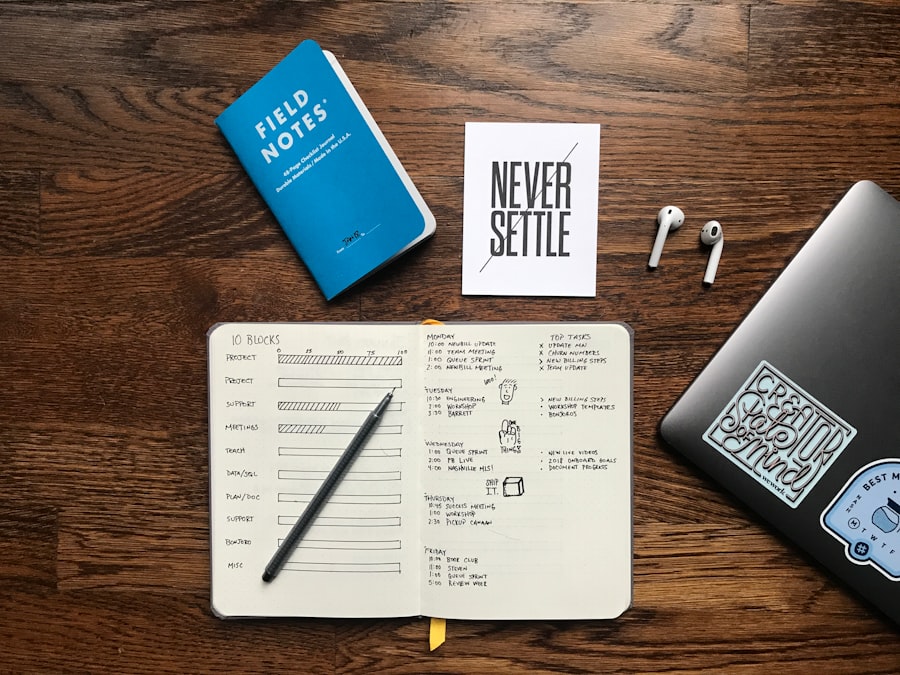
Your to-do list is a relentless master, constantly presenting you with future demands. While essential for planning, it can inadvertently obscure the progress you’ve already made. The “Done List,” or “Accomplishment List,” is a simple yet profoundly effective tool that shifts your perspective from future obligations to past achievements. It recharges your motivation by visually demonstrating the tangible results of your efforts.
Beyond the To-Do: Acknowledging Your Small Victories
The traditional to-do list, by its very nature, focuses on what remains to be done. This can be demotivating, particularly on days when progress feels slow. The Done List flips this paradigm. Instead of meticulously listing future tasks, you chronologically record completed tasks. This could be daily, weekly, or even hourly, depending on your workflow.
- Simple structure: A simple document, notebook, or app where you quickly jot down tasks as you complete them.
- No task too small: From “responded to client email” to “completed project proposal,” every item contributes to your sense of accomplishment.
- Visual reinforcement: Seeing a growing list of completed items provides tangible evidence of your productivity.
This practice acts as a constant reminder that you are not merely spinning your wheels, but actively moving towards your goals. It helps you see the smaller stepping stones that constitute the larger journey.
Boosting Morale and Combating Burnout: The Psychological Dividend
The psychological benefits of a Done List are significant:
- Increased motivation: Recognizing your progress fuels intrinsic motivation and encourages you to tackle the next task. It’s like seeing the mileage counter increase on a long road trip; it affirms you’re moving forward.
- Reduced self-doubt: On days when you feel unproductive, reviewing your Done List can provide a powerful antidote to self-doubt, reminding you of your capabilities and accomplishments.
- Improved planning: By regularly reviewing what you’ve accomplished, you gain a clearer understanding of your actual output and can plan future tasks more realistically.
- Combating overwhelm: A long to-do list can feel overwhelming. A robust Done List demonstrates that you are, in fact, capable of tackling and completing complex work, even if the current list appears equally daunting.
- Celebration of effort: It encourages a mini-celebration for each completed task, which releases dopamine and reinforces positive work habits.
The Done List is not merely an administrative exercise; it is a psychological tool that empowers you by highlighting your consistent, incremental victories. It transforms your progress from an abstract concept into a concrete reality.
If you’re looking to enhance your productivity, you might find it helpful to explore strategies that can streamline your daily tasks. One insightful resource is an article that discusses various techniques to boost efficiency and maintain focus throughout the day. You can read more about these effective methods in this related article, which offers practical tips that can easily be integrated into your routine for better results.
Strategic Breaks and Recharge: The Unsung Heroes of Sustained Output
| Metric | Description | Typical Value | Impact on Productivity |
|---|---|---|---|
| Task Completion Rate | Percentage of tasks completed on time | 85-95% | Higher rates indicate better productivity |
| Average Time per Task | Average duration to complete a task | 30-60 minutes | Lower time suggests increased efficiency |
| Employee Engagement Score | Level of employee motivation and involvement | 70-90% | Higher engagement correlates with higher productivity |
| Number of Interruptions | Frequency of disruptions during work hours | 5-10 per day | Fewer interruptions improve focus and output |
| Utilization Rate | Percentage of available work time spent productively | 75-85% | Higher utilization means better use of time |
| Overtime Hours | Extra hours worked beyond scheduled time | 5-10 hours/week | Moderate overtime can boost output but may reduce long-term productivity |
| Break Frequency | Number of breaks taken during work hours | 3-5 breaks/day | Regular breaks help maintain productivity and reduce fatigue |
You are not a machine designed for perpetual motion. Your brain, like any complex engine, requires fuel, maintenance, and periods of rest to function optimally. Strategic breaks are not luxuries; they are essential components of sustained productivity. Pushing yourself relentlessly without adequate rest leads inevitably to burnout, diminished quality of work, and ultimately, a significant drop in overall output. Think of your energy as a finite well; constant drawing without replenishment will eventually leave it dry.
The Science of Restoration: Why Breaks Are Crucial
Scientific research consistently demonstrates the myriad benefits of incorporating breaks into your workday:
- Improved focus and attention: Brief breaks allow your prefrontal cortex, responsible for executive functions like focus and decision-making, to recover, enabling sustained concentration.
- Enhanced creativity: Mind-wandering during breaks can foster new ideas and insights by allowing your brain to make connections that might be missed during focused work.
- Reduced mental fatigue: Regular breaks prevent mental exhaustion, which can lead to errors, slower processing, and decreased cognitive performance.
- Stress reduction: Stepping away from work, even briefly, can lower stress hormones and promote a sense of calm, contributing to better emotional regulation.
- Physical well-being: Breaks that involve physical movement counteract the negative effects of prolonged sitting, such as back pain and eye strain.
Ignoring these biological imperatives is akin to demanding peak performance from a vehicle with an empty fuel tank and worn tires.
Types of Strategic Breaks: Tailoring Your Downtime
Not all breaks are created equal. The most effective breaks are those that genuinely restore you, rather than simply diverting your attention to another mentally demanding activity.
- Micro-breaks (30 seconds – 2 minutes): These are quick respites you can take at your desk. Look away from your screen, stretch, take a few deep breaths, or close your eyes briefly. These act as mini-resets throughout a task.
- Short breaks (5-15 minutes): Ideal for Pomodoro Technique short breaks. Get up, walk around, grab a drink, or engage in a non-work-related, low-mental-effort activity. Avoid checking emails or social media for deep engagement.
- Lunch break (30-60 minutes): A crucial opportunity to fully disengage. Leave your desk, eat mindfully, and avoid work-related conversations. Consider a short walk outdoors to benefit from natural light and fresh air.
- Longer breaks (weekends, vacations): These are non-negotiable for long-term health and productivity. True disconnection from work allows for deep psychological and physical recovery, preventing chronic stress and rekindling passion. You cannot sprint indefinitely; you must integrate periods of recovery to maintain your pace.
Your ability to produce quality work consistently is not a measure of how many hours you can work, but rather how effectively you manage your energy and attention within those hours. Strategic breaks are not time lost; they are investments in your sustained productivity and well-being, the vital pauses that ensure your engine remains finely tuned and ready for the next challenge. By mastering the art of the strategic pause, you master the art of sustained, high-quality output.
You now possess a toolkit of proven strategies, not abstract theories. Implement these techniques discerningly, adapt them to your unique workflow, and meticulously observe their impact on your output and well-being. The journey to amplified productivity is an iterative process, a continuous refinement of your approach. Embrace the challenge, and in doing so, unlock the full spectrum of your productive capacity.
FAQs
What are some effective ways to boost productivity?
Effective ways to boost productivity include setting clear goals, prioritizing tasks, minimizing distractions, taking regular breaks, and using productivity tools such as planners or apps.
How does time management impact productivity?
Time management helps allocate specific time slots for tasks, reducing procrastination and ensuring important activities are completed efficiently, which significantly enhances overall productivity.
Can improving workplace environment increase productivity?
Yes, a well-organized, comfortable, and quiet workplace environment can reduce stress and distractions, leading to better focus and higher productivity levels.
What role does technology play in boosting productivity?
Technology provides tools like project management software, communication platforms, and automation that streamline workflows, reduce manual tasks, and improve collaboration, thereby boosting productivity.
How important is taking breaks for maintaining productivity?
Taking regular breaks is crucial as it helps prevent burnout, refreshes the mind, and improves concentration, which collectively contribute to sustained productivity throughout the day.