
Decision fatigue is a psychological phenomenon affecting individuals unconsciously throughout daily life. When confronted with continuous choices ranging from trivial to important matters, each decision consumes mental energy. This gradual depletion of cognitive resources can impair decision-making abilities, potentially leading to feelings of overwhelm or impulsive choices made primarily to escape the decision-making process.
Common indicators include diminished decision-making capacity as the day progresses, increased indecisiveness, and task procrastination. Recognizing that this mental fatigue represents a normal response to daily cognitive demands enables more self-aware decision-making.
Acknowledging decision fatigue’s influence allows individuals to implement preventative strategies and improve overall mental well-being.
Key Takeaways
- Decision fatigue can impair judgment and productivity, making it crucial to manage daily choices effectively.
- Establishing routines, prioritizing tasks, and setting clear goals help conserve mental energy.
- Utilizing technology and delegating responsibilities can simplify decision-making processes.
- Taking regular breaks, practicing mindfulness, and creating a supportive environment restore mental clarity.
- Seeking professional help is important if decision fatigue significantly impacts daily functioning.
Streamlining Daily Choices
One effective way to combat decision fatigue is by streamlining your daily choices. Simplifying your routine can significantly reduce the number of decisions you need to make each day. For instance, consider adopting a capsule wardrobe, where you curate a selection of versatile clothing items that can be mixed and matched.
This not only saves you time in the morning but also eliminates the stress of choosing an outfit from an overflowing closet. By minimizing options in certain areas of your life, you free up mental space for more important decisions. Meal planning is another powerful strategy for reducing daily choices.
By dedicating some time each week to plan your meals, you can eliminate the daily dilemma of what to eat. Preparing a grocery list based on your meal plan ensures that you have everything you need on hand, making cooking less of a chore and more of an enjoyable activity. When you streamline these everyday choices, you create a more efficient routine that allows you to focus your energy on tasks that truly matter.
Prioritizing Tasks

Prioritizing tasks is essential for managing your time and energy effectively. When faced with a long to-do list, it can be easy to feel overwhelmed and unsure of where to start. To combat this, consider using a prioritization method such as the Eisenhower Matrix, which categorizes tasks based on their urgency and importance.
By identifying which tasks require immediate attention and which can be scheduled for later, you can allocate your resources more wisely and avoid the trap of decision fatigue. Another effective approach is the “two-minute rule,” which suggests that if a task can be completed in two minutes or less, you should do it immediately rather than putting it off. This not only helps clear small tasks from your list but also creates a sense of accomplishment that can motivate you to tackle larger projects.
By prioritizing effectively, you can focus on what truly matters and reduce the mental clutter that often accompanies decision-making.
Implementing Routines and Habits
Establishing routines and habits can significantly alleviate decision fatigue by automating certain aspects of your life. When you create a consistent schedule for daily activities, such as waking up, exercising, or winding down for bed, you reduce the number of decisions you need to make throughout the day. This predictability allows your brain to conserve energy for more complex decisions that require deeper thought and consideration.
Moreover, habits are powerful tools for creating lasting change in your life. By consciously developing positive habits—such as reading for 30 minutes each day or practicing gratitude—you can cultivate a mindset that supports your goals without requiring constant deliberation. Over time, these habits become ingrained in your routine, allowing you to navigate your day with greater ease and clarity.
Utilizing Technology to Simplify Decision Making
| Strategy | Description | Effectiveness | Example |
|---|---|---|---|
| Limit Choices | Reduce the number of options to simplify decision-making. | High | Choose 3 outfits instead of 10 for the week. |
| Prioritize Decisions | Focus on important decisions first and defer less critical ones. | Medium | Decide on work tasks before choosing lunch options. |
| Create Routines | Establish habits to automate frequent decisions. | High | Eat the same breakfast daily to avoid morning choices. |
| Take Breaks | Rest to refresh mental energy and improve decision quality. | Medium | Take a 10-minute walk after 2 hours of work. |
| Delegate Decisions | Assign decisions to others when possible. | Medium | Let a team member choose meeting times. |
| Use Decision-Making Tools | Employ checklists or apps to streamline choices. | Medium | Use a meal planning app to select weekly dinners. |
| Set Deadlines | Limit decision time to avoid overthinking. | Medium | Decide on purchases within 24 hours. |
In today’s digital age, technology offers numerous tools designed to simplify decision-making processes. From productivity apps that help you organize tasks to meal-planning software that generates grocery lists based on your preferences, leveraging technology can significantly reduce the cognitive load associated with daily choices. For instance, using calendar applications can help you visualize your schedule and prioritize commitments without having to constantly reevaluate your plans.
Additionally, automation tools can take over repetitive tasks that would otherwise require your attention. For example, setting up automatic bill payments or using smart home devices to control lighting and temperature can free up mental space for more important decisions. By embracing technology as an ally in simplifying your life, you can minimize decision fatigue and enhance your overall productivity.
Taking Breaks and Restoring Mental Energy
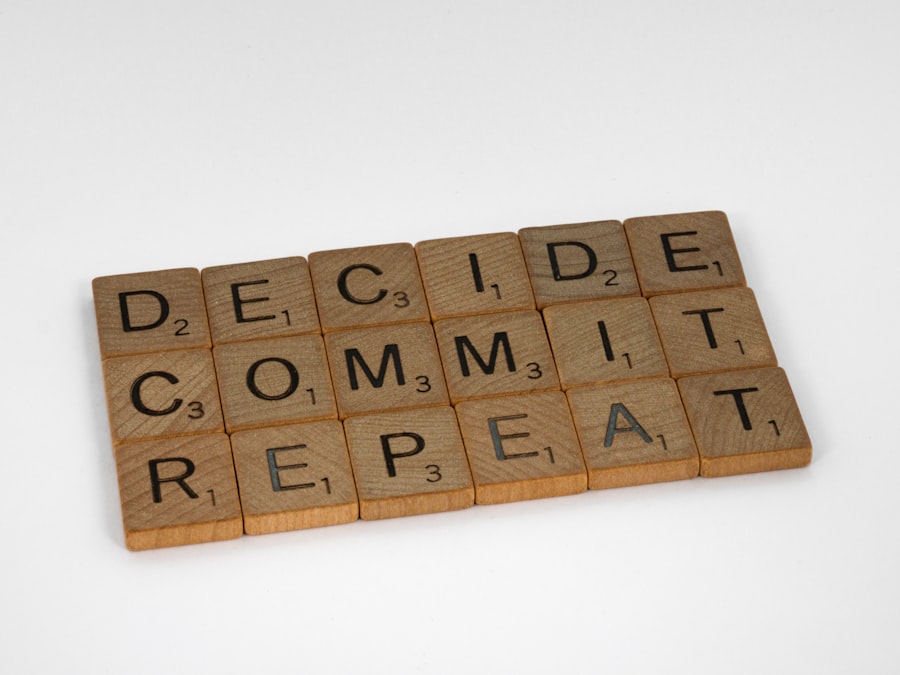
Taking regular breaks is essential for restoring mental energy and combating decision fatigue. When you push yourself to work continuously without pause, your cognitive resources become depleted, leading to diminished focus and increased stress levels. Incorporating short breaks into your routine allows you to recharge and return to tasks with renewed clarity and motivation.
Consider implementing techniques such as the Pomodoro Technique, which involves working for 25 minutes followed by a 5-minute break. This structured approach not only enhances productivity but also encourages you to step away from decision-making moments, allowing your mind to reset. During these breaks, engage in activities that promote relaxation—such as stretching, meditating, or taking a brief walk—to further rejuvenate your mental state.
Setting Clear Goals and Deadlines
Setting clear goals and deadlines is crucial for maintaining focus and direction in both personal and professional endeavors. When you have specific objectives in mind, it becomes easier to prioritize tasks and make decisions aligned with those goals. Take the time to define what success looks like for you in various areas of your life—whether it’s career advancement, personal development, or health—and break these goals down into actionable steps.
Deadlines serve as motivators that create a sense of urgency around tasks. By establishing realistic timelines for completing projects or achieving milestones, you can reduce the tendency to procrastinate and make more decisive choices about how to allocate your time and resources. With clear goals and deadlines in place, you empower yourself to navigate challenges with confidence and clarity.
Delegating and Outsourcing Responsibilities
Delegating and outsourcing responsibilities is an effective way to lighten your load and reduce decision fatigue. Recognizing that you don’t have to do everything yourself is a crucial step toward reclaiming your time and mental energy. Whether it’s at work or home, consider which tasks can be delegated to others—this could involve assigning projects to team members or enlisting family members to help with household chores.
Outsourcing certain responsibilities can also be beneficial. For instance, hiring a cleaning service or using meal delivery services can free up valuable time that you can redirect toward more meaningful pursuits. By sharing the burden of responsibilities with others or seeking external support, you create space for yourself to focus on what truly matters while minimizing the mental strain associated with decision-making.
Practicing Mindfulness and Meditation
Practicing mindfulness and meditation can significantly enhance your ability to manage decision fatigue by promoting mental clarity and emotional resilience. Mindfulness encourages you to stay present in the moment rather than becoming overwhelmed by future uncertainties or past regrets. By cultivating this awareness, you can approach decisions with a clearer mind and greater perspective.
Even just a few minutes of daily meditation can help calm racing thoughts and improve your overall mental well-being. As you develop a regular mindfulness practice, you’ll find it easier to navigate daily choices with confidence and poise, ultimately reducing the impact of decision fatigue on your life.
Creating a Supportive Environment
Your environment plays a significant role in shaping your ability to make decisions effectively. Creating a supportive environment involves surrounding yourself with people who uplift and inspire you while also organizing your physical space in a way that promotes productivity. Consider decluttering your workspace or home; a tidy environment can lead to clearer thinking and reduced distractions.
Additionally, fostering relationships with individuals who share similar goals or values can provide encouragement during challenging times. Engaging in discussions with supportive friends or colleagues allows for collaborative problem-solving and shared insights that can ease the burden of decision-making. By cultivating an environment that nurtures positivity and support, you empower yourself to tackle challenges with greater confidence.
Seeking Professional Help if Needed
If decision fatigue becomes overwhelming or begins to interfere significantly with your daily life, seeking professional help may be beneficial. Mental health professionals can provide valuable insights into coping strategies tailored specifically for you. They can help identify underlying issues contributing to decision fatigue—such as anxiety or perfectionism—and work with you on developing effective solutions.
Therapy or counseling offers a safe space for exploring thoughts and feelings related to decision-making challenges. A trained professional can guide you through techniques designed to enhance self-awareness and resilience while equipping you with tools for managing stress effectively. Remember that seeking help is not a sign of weakness; rather, it demonstrates strength in recognizing when additional support is needed on your journey toward improved mental well-being.
In conclusion, understanding decision fatigue is the first step toward managing its effects on your life effectively. By streamlining choices, prioritizing tasks, implementing routines, utilizing technology, taking breaks, setting clear goals, delegating responsibilities, practicing mindfulness, creating supportive environments, and seeking professional help when necessary, you can reclaim control over your decision-making process. Embracing these strategies will not only enhance your productivity but also contribute positively to your overall mental health and well-being.
To effectively reduce decision fatigue, it’s essential to streamline your choices and create a more manageable daily routine. A helpful resource on this topic can be found in the article on Productive Patty, which offers practical tips and strategies for minimizing the number of decisions you make each day. You can read more about it in this article: