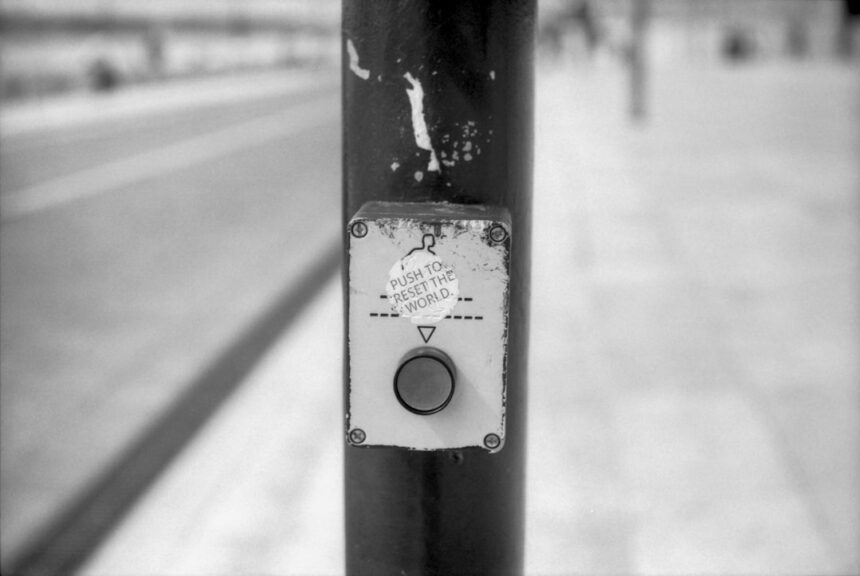
You’ve encountered it, a task that looms like a mountain, its peak shrouded in a fog of complexity. You stare at the starting line, your mind a cluttered desk with papers scattered everywhere, and the overwhelming urge to retreat washes over you. This is where the 60-Second Reset becomes your indispensable tool, not a magic wand, but a simple, yet potent, recalibration mechanism. It’s the brief but crucial pause that allows you to disembark from the chaotic express train of overwhelm and alight at the quiet platform of focused action.
The concept of a short, deliberate break to regain focus isn’t novel. Ancient philosophers recognized the importance of contemplation, and modern productivity gurus advocate for micro-breaks. However, the 60-Second Reset distills this wisdom into a practical, actionable technique designed for immediate implementation when faced with daunting challenges. It’s less about escaping the task and more about strategically re-engaging with it from a refreshed perspective. Think of it as a pit stop in a high-stakes race. You don’t abandon the track; you swiftly address a minor issue to ensure the rest of the journey is smoother and more efficient. Its power lies in its brevity, making it accessible even when time feels scarce.
The Psychology Behind the Pause
The human brain, while remarkable, is not an indefatigable engine. Prolonged intense cognitive effort leads to mental fatigue, a phenomenon known as ego depletion. This depletion manifests as a reduced capacity for self-control, focus, and decision-making. A 60-Second Reset acts as a brief sabbatical for your prefrontal cortex, the executive control center of your brain. By interrupting the sustained cognitive load, you allow your neural pathways to untangle and your mental resources to replenish, even if only minimally. This momentary reprieve prevents burnout and fosters a more resilient approach to difficult work.
Beyond Just Resting: The Active Reset
It’s crucial to understand that the 60-Second Reset is not simply about doing nothing. While passive rest has its place, an active reset involves a deliberate shift in focus and engagement. This shift can be physical, mental, or sensory. It’s about stepping away from the problem, not succumbing to it. Imagine your mental state as a complex tapestry. When you encounter a knot, you don’t keep pulling at threads aimlessly. You carefully pause, examine the knot, and then, with gentler, more deliberate movements, begin to untangle it. The 60-Second Reset is that careful pause.
If you’re looking for effective strategies to tackle challenging tasks, you might find the article on the 60 Second Reset particularly helpful. This technique emphasizes the importance of taking a brief moment to reset your mind before diving into difficult work, allowing for increased focus and productivity. For more insights on enhancing your productivity and overcoming procrastination, check out this related article at Productive Patty.
Implementing the 60-Second Reset: The Mechanics
The beauty of this technique lies in its simplicity and adaptability. You don’t need special equipment or a dedicated space. It’s about integrating this brief recalibration into your workflow naturally, like a well-oiled hinge on a door. The key is intentionality. A haphazard break is unlikely to yield the same results as a consciously implemented one.
Physical Disengagement: The First Step
When you feel the pressure of a tough task building, the initial step is to physically disengage from the source of the strain. This means physically moving away from your workspace, even if only for a few feet.
Standing Up and Moving
If you’ve been sitting for an extended period, simply standing up can provide a physiological reset. The shift in posture can improve blood flow and reduce muscle tension. A short walk around the room, or even a few gentle stretches, can work wonders. This isn’t about a vigorous workout; it’s about breaking the static hold of your current position. Think of it as unplugging a device that’s overheated and needs a moment to cool down.
A Change of Scenery
Even a brief glance out a window or a shift to a different seating arrangement can offer a much-needed mental break. The act of observing something new, even something mundane, can pull your focus away from the intricate details of the task at hand and allow your brain to process information differently. It’s like switching channels on a television that’s been stuck on a single, intense program.
Mental Recalibration: Shifting Your Internal Landscape
While physical disengagement is important, the true power of the 60-Second Reset lies in its mental component. This is where you actively redirect your cognitive resources.
Deep Breathing Techniques
This is a cornerstone of many stress-reduction strategies, and for good reason. Focusing on your breath can anchor you in the present moment and interrupt the cycle of anxious thoughts. Try a simple 4-7-8 breathing technique: inhale for a count of four, hold for a count of seven, and exhale for a count of eight. Repeat this a few times. It’s like gently pressing the refresh button on your internal operating system.
Mindfulness and Sensory Awareness
Engage your senses. Notice the feel of your feet on the ground, the temperature of the air, or the sounds around you. This practice of mindful awareness brings you back to the concrete reality of your surroundings, diverting attention from the abstract challenges of your task. It’s akin to grounding yourself, preventing your thoughts from drifting too far into the ethereal realm of “what ifs” and “how tos.”
Visualizing a Calm Space
Spend a few moments visualizing a place or situation that evokes feelings of peace and tranquility. This mental escape can be surprisingly effective in reducing immediate task-related stress. It’s a brief mental vacation, a momentary sanctuary for your mind before it must return to the demanding landscape of your work.
When to Deploy the 60-Second Reset

Recognizing the opportune moment to implement the 60-Second Reset is as crucial as knowing how to perform it. It’s not a mandated break after every five minutes of work, but a strategic intervention when specific indicators arise.
Recognizing the Signs of Overwhelm
The signs of mental overwhelm are often subtle at first, but they escalate if ignored. Learn to identify these early warning signals.
The “Stuck” Feeling
When you find yourself staring at a problem, rereading the same sentences, or feeling like you’re hitting a mental wall, it’s a clear indication that a reset is needed. Your brain is signaling that it’s no longer progressing effectively through the current approach. This is like a car engine sputtering; it needs a brief pause to regain optimal performance.
Rising Frustration or Irritability
A sharp increase in frustration or a general sense of irritability directed at the task or your surroundings is another red flag. These emotions are often byproducts of cognitive strain and are counterproductive to problem-solving. They are the static that interferes with a clear signal.
Diminishing Returns in Focus
If you notice your attention wandering repeatedly, you’re rereading information multiple times without absorption, or you’re making unnecessary errors, your focus is waning. Your cognitive bandwidth is becoming saturated. It’s like trying to pour more water into an already full cup; it simply overflows.
Proactive Deployment: Preventing the Onset of Difficulty
The 60-Second Reset is not solely reactive. It can also be employed proactively to maintain cognitive momentum, especially when anticipating particularly challenging segments of a task.
Before Diving into Complex Sub-tasks
Before you embark on a particularly intricate or demanding sub-section of a larger project, taking a 60-Second Reset can prime your mind. It’s like sharpening your tools before starting a woodworking project; you ensure you’re prepared for the finer details.
During Transitions Between Different Types of Work
Switching between vastly different cognitive demands can be jarring. A brief reset can smooth this transition, allowing your brain to recalibrate for the new mode of thinking. Imagine transitioning from a high-intensity interval training session to a steady-state jog; a brief moment to catch your breath makes the latter more manageable.
Benefits of Consistent Application

The true power of the 60-Second Reset unfolds with consistent application. It’s not a one-off solution but a habit that, over time, can profoundly impact your productivity and well-being.
Enhanced Cognitive Functionality
Regularly employing the 60-Second Reset can lead to improvements in sustained attention, working memory, and problem-solving abilities. By preventing prolonged cognitive fatigue, you are essentially training your brain to recover more efficiently. It’s like giving your mental muscles regular micro-workouts, making them stronger and more resilient.
Reduced Stress and Burnout
The cumulative effect of frequent, small recalibrations can significantly mitigate feelings of stress and the risk of burnout. By addressing moments of overwhelm before they escalate, you create a more sustainable and less taxing approach to demanding work. This is like building a dam with many small, well-placed stones, preventing a single catastrophic flood.
Increased Task Engagement and Motivation
Paradoxically, taking breaks can lead to increased engagement and motivation. By preventing the build-up of frustration and overwhelm, the task remains more approachable and less likely to inspire avoidance. You feel more in control, which naturally boosts your desire to tackle the challenge. It’s like having a well-maintained rope; you feel more confident in your ability to climb.
If you’re looking for effective strategies to tackle challenging tasks, you might find the concept of a 60-second reset particularly useful. This technique allows you to clear your mind and refocus before diving into demanding work. For more insights on enhancing productivity and overcoming procrastination, check out this related article that offers practical tips and techniques for getting started on hard tasks. You can read more about it here.
Potential Pitfalls and How to Avoid Them
| Metric | Description | Typical Value | Impact on Task Performance |
|---|---|---|---|
| Reset Duration | Time spent on the 60 second reset before starting a hard task | 60 seconds | Provides a brief mental pause to reduce anxiety and increase focus |
| Pre-Reset Stress Level | Self-reported stress or anxiety before the reset | 7/10 | Higher stress can impair task initiation and performance |
| Post-Reset Stress Level | Self-reported stress or anxiety after the reset | 4/10 | Lower stress improves concentration and motivation |
| Task Initiation Time | Time taken to start the hard task after the reset | 30 seconds | Shorter initiation time indicates better readiness |
| Task Completion Rate | Percentage of hard tasks completed after using the reset | 85% | Higher completion rate shows effectiveness of the reset |
| Focus Duration | Length of sustained focus on the hard task post-reset | 45 minutes | Longer focus duration correlates with productivity |
While the 60-Second Reset is a valuable tool, it’s important to be aware of potential pitfalls that could diminish its effectiveness.
The “Stretch and Scroll” Trap
A common misstep is to use the 60-Second Reset as an excuse to endlessly scroll through social media or engage in other distracting digital activities. This negates the purpose of the reset by replacing one form of cognitive demand with another, often more damaging one. Your brief pause should be a deliberate disengagement, not a surrender to digital dopamine hits. Think of it as stepping out for fresh air, not immediately walking into a noisy arcade.
Over-Reliance and Procrastination
Conversely, some may develop an over-reliance on the 60-Second Reset, using it as a form of subtle procrastination. If you find yourself taking a reset after every minor hiccup or before you’ve even truly engaged with a task, you may be inadvertently delaying progress. The reset is a tool to overcome difficulty, not an excuse to avoid it. It should be a strategic pause, not a perpetual preamble.
Lack of Intentionality
Simply going through the motions without genuine mental or physical disengagement will render the reset ineffective. A forced deep breath without conscious focus, or a cursory glance out the window without absorbing the surroundings, will yield minimal benefits. The reset requires your active, albeit brief, participation. It’s the difference between mechanically turning a key and consciously starting an engine.
Widening the Scope: The 60-Second Reset Beyond the Individual Task
The principles underpinning the 60-Second Reset can be extrapolated to broader aspects of your work and even personal life.
Team Collaboration and Meeting Management
In team settings, the concept can be adapted. During long meetings, short, designated “brain breaks” can rejuvenate participants. For individuals within a team facing a complex collaborative problem, a synchronized 60-Second Reset can help everyone realign their focus before reconvening. It fosters a shared understanding of the need for cognitive recalibration.
Managing Complex Projects Over Time
When grappling with large, multi-faceted projects, the 60-Second Reset can be applied at the end of each day or at significant milestones. This allows for a brief but crucial period of reflection and mental decompression before transitioning to the next phase or concluding the workday. It’s like a ship taking a moment to adjust its sails after navigating a particularly turbulent stretch of water before setting course for the next leg of the journey.
Personal Well-being and Life Balance
Beyond professional endeavors, the 60-Second Reset can be a powerful tool for managing personal stressors. Feeling overwhelmed by daily chores, a difficult conversation, or even just the general pace of life? A deliberate 60-second pause to breathe, stretch, or simply observe your surroundings can be incredibly grounding. It’s a small act of self-care that can have a ripple effect on your overall well-being.
In essence, the 60-Second Reset is not about extraordinary effort or complex strategies. It is a simple, powerful, and accessible technique that empowers you to regain control when faced with the formidable. By mastering this brief pause, you equip yourself with a vital tool for navigating the inevitable challenges that arise on the path to tackling your toughest tasks, transforming mountains into manageable hills and fog-shrouded peaks into clear horizons.
FAQs
What is the 60 second reset technique?
The 60 second reset is a quick mental exercise designed to help individuals overcome procrastination and start difficult tasks by taking just one minute to refocus and prepare mentally.
How does the 60 second reset help with starting hard tasks?
It helps by providing a brief pause to clear distractions, reduce anxiety, and create a sense of readiness, making it easier to initiate challenging work without feeling overwhelmed.
What steps are involved in performing the 60 second reset?
Typically, the steps include pausing for 60 seconds, taking deep breaths, visualizing the task completion, setting a small initial goal, and then beginning the task immediately after the reset.
Can the 60 second reset be used for any type of task?
Yes, the technique is versatile and can be applied to various tasks, especially those that feel daunting or require significant mental effort, such as studying, writing, or complex problem-solving.
Is there scientific evidence supporting the effectiveness of the 60 second reset?
While specific studies on the “60 second reset” may be limited, research supports that brief mindfulness and focused breathing exercises can improve concentration, reduce stress, and enhance task initiation.