
You operate within a complex ecosystem of tasks, projects, and goals. To truly master your output, you need to look beyond the immediate effort and focus on the results you generate. This is where outflow metrics become your compass, guiding you towards peak productivity. They are not merely data points; they are the distillation of your energy and focus into tangible outcomes, allowing you to gauge the effectiveness of your actions and refine your strategy for maximum impact.
Outflow metrics, in essence, represent the observable outputs of your efforts. They are the quantifiable achievements that emerge from your work. Unlike inflow metrics, which track the resources you invest (time, effort, budget), outflow metrics measure what you deliver. Think of it like a river: inflow is the rainfall and tributaries feeding it, while outflow is the volume of water reaching the sea. You can meticulously track the rain (inflow), but it’s the river’s flow into the ocean (outflow) that truly signifies its impact and purpose.
Distinguishing Outflow from Inflow Metrics
It is crucial to draw a clear line between what goes in and what comes out.
Inflow Metrics: The Foundation of Effort
- Time Spent: This is perhaps the most intuitive inflow metric. You track the hours dedicated to a task, project, or specific activity. This can be logged manually or through time-tracking software.
- Effort Expended: This goes beyond mere time and considers the mental and physical exertion involved. While harder to quantify, it can be approximated through indicators like the number of tasks completed within a given timeframe or the complexity of those tasks.
- Resources Utilized: This encompasses any tangible or intangible assets you allocate to your work, such as budget, equipment, software licenses, or even the input of other team members.
Outflow Metrics: The Fruits of Your Labor
- Completed Tasks/Projects: This is a fundamental outflow metric, denoting the successful finalization of discrete units of work.
- Deliverables Produced: Beyond simply finishing a task, this metric focuses on the tangible items that are produced as a result. This could be a report, a piece of code, a marketing campaign asset, or a physical product.
- Key Performance Indicators (KPIs) Achieved: These are high-level metrics directly tied to your objectives. Examples include sales figures, customer satisfaction scores, website traffic, or conversion rates.
- Problem Resolution Rate: For roles focused on support or problem-solving, this measures the number of issues successfully resolved within a defined period.
- Feature Releases/Updates: In software development, this tracks the delivery of new features or bug fixes to users.
The Purpose of Measuring What Flows Out
Why should you dedicate mental energy to tracking outflow rather than solely focusing on how hard you’re working?
Justification for Performance Evaluation
Outflow metrics provide an objective basis for evaluating your performance. They move beyond subjective assessments of effort and focus on concrete results that contribute to larger goals.
Identification of Bottlenecks and Inefficiencies
By analyzing what you produce and how long it takes to produce it, you can pinpoint areas where your workflow is being obstructed. A consistent lag in a particular outflow metric can be a siren call, alerting you to a problem that needs addressing.
Strategic Decision-Making and Resource Allocation
Understanding your outflow patterns allows for more informed decisions about where to invest your time and resources. If a particular type of output consistently yields significant results, you might allocate more resources to generating it.
To enhance your productivity, understanding outflow metrics can be crucial in identifying areas for improvement. For a deeper dive into this topic, you can explore a related article that discusses practical strategies for leveraging these metrics effectively. Check it out here: Productive Patty. By implementing the insights from this resource, you can optimize your workflow and maintain a high level of productivity.
The Pillars of Effective Outflow Measurement
Simply tracking numbers is insufficient. To maximize productivity, your outflow metrics must be strategically chosen, accurately captured, and consistently analyzed.
Selecting the Right Metrics for Your Goals
Not all outflow metrics are created equal. The most valuable metrics are those that directly align with your overarching objectives.
Goal Alignment: The North Star of Metric Selection
Your current objectives should dictate which outflow metrics you prioritize.
SMART Goals as a Precursor to Metric Selection
Before you even think about metrics, ensure your goals are SMART: Specific, Measurable, Achievable, Relevant, and Time-bound. This framework provides the clarity needed to identify relevant outflow indicators.
Identifying Key Drivers of Success
What specific outcomes will indicate you’ve succeeded in achieving your SMART goals? These directly translate into the outflow metrics you should track. For example, if your goal is to “increase customer engagement by 15% in Q3,” your key outflow metric will be a measure of customer engagement, such as active users or repeat purchase rates.
Implementing Robust Data Capture Mechanisms
Accurate data is the bedrock of any effective measurement system.
Accuracy and Consistency: The Guardians of Reliable Data
Inconsistent or inaccurate data is worse than no data at all, as it can lead to flawed conclusions.
Automation Over Manual Entry
Where possible, leverage automation to capture outflow metrics. This minimizes human error and ensures greater consistency. For instance, using analytics platforms to track website visits or e-commerce systems to record sales.
Standardized Processes for Data Collection
If manual input is unavoidable, establish clearly defined processes that everyone involved must adhere to. This ensures that data is collected in a uniform manner across different individuals or teams.
Defining Your Units of Measurement
Precisely define what each metric represents and how it will be quantified.
Granularity of Data
Decide on the level of detail you need. Do you need to track individual task completion, or are project-level outputs sufficient? The right level of granularity will depend on your analytical needs.
Timeframes for Measurement
Establish consistent timeframes for measuring your outflow metrics (e.g., daily, weekly, monthly, quarterly). This allows for meaningful trend analysis.
The Art of Analysis: Turning Data into Actionable Insights
The true power of outflow metrics lies not just in their collection, but in how you interpret and act upon them.
Trend Analysis: Spotting the Currents of Change
Looking beyond single data points, analyze your outflow metrics over time to identify patterns and understand the direction of your productivity.
Identifying Peaks and Troughs
Are there specific periods where your outflow consistently increases or decreases? Understanding these fluctuations can reveal factors that influence your productivity, such as your energy levels, external commitments, or even day of the week.
Correlating Outflow with Inflow
Compare your outflow metrics with your inflow metrics. Are you seeing a proportional increase in output when you invest more time or resources, or are there diminishing returns? This correlation can highlight areas of efficiency or inefficiency.
Benchmarking and Comparison: Navigating Against the Tide
Comparing your outflow metrics against established benchmarks or your own past performance provides context and helps you set realistic targets.
Internal Benchmarking
Compare your current performance against your own historical data. Are you improving? Are you meeting your own projected outputs?
External Benchmarking (Where Applicable)
In certain industries or roles, you may be able to compare your outflow metrics against industry averages or best-in-class performers. This can provide valuable insights into areas where you might be lagging or excelling. However, approach external benchmarks with caution, as direct comparisons are not always feasible due to differing contexts.
Outflow Metrics in Action: Illustrative Examples
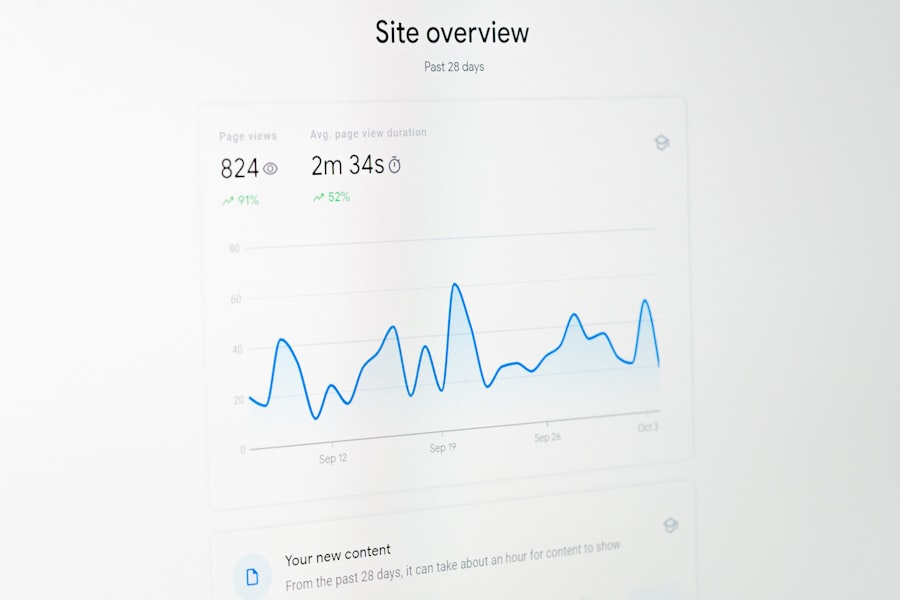
To solidify your understanding, let’s explore how outflow metrics can be applied in various professional contexts.
For the Individual Contributor: Charting Your Personal Output
As an individual, mastering your outflow metrics allows you to take ownership of your professional development and maximize your personal impact.
Content Creator: Measuring Your Reach and Engagement
As a content creator, your primary outflow is the content you produce and its reception.
Content Output Volume
- Articles Published: The number of blog posts, articles, or website copy pieces you complete each week or month.
- Videos Produced: The number of video content pieces (e.g., YouTube videos, tutorials) you create.
- Social Media Posts: The quantity of posts across various platforms.
Content Impact and Engagement
- Website Traffic Driven: The number of unique visitors or page views generated by your content.
- Social Media Engagement: Likes, shares, comments, and reach of your social media posts.
- Conversion Rates: If your content is designed to drive specific actions (e.g., sign-ups, purchases), track the percentage of users who complete those actions.
- Time Spent on Page/Video Watch Time: Indicators of how engaging your content is.
Software Developer: Quantifying Code Delivered
For software developers, outflow metrics are directly tied to the functionality and reliability of the software they build.
Code Delivery Cadence
- Features Implemented: The number of new features delivered to production in a given sprint or release cycle.
- Bugs Resolved: The number of reported bugs that have been successfully fixed and deployed.
- Commits Pushed: While a lower-level metric, consistent commits can indicate a steady workflow.
Code Quality and Impact
- Code Coverage: The percentage of your codebase that is covered by automated tests. Higher coverage generally indicates better quality and a reduced risk of future bugs.
- Mean Time to Resolution (MTTR) for Production Incidents: How quickly your team can resolve critical issues when they arise in live software.
- Customer-Reported Issues: A decline in customer-reported bugs can signal improved code quality and stability.
For Teams and Organizations: Orchestrating Collective Output
Larger entities benefit immensely from tracking outflow metrics at a collective level, enabling efficient resource allocation and strategic alignment.
Sales Teams: Driving Revenue and Customer Acquisition
For sales teams, outflow metrics are directly linked to their core purpose of generating revenue.
Sales Performance
- Deals Closed: The number of successful sales transactions completed.
- Revenue Generated: The total monetary value of sales achieved.
- Average Deal Size: The average value of each closed deal.
- Sales Cycle Length: The average time it takes to close a deal from initial contact to final sale.
Lead Conversion and Pipeline Health
- Lead Conversion Rate: The percentage of leads that convert into paying customers.
- Pipeline Value: The total estimated value of all potential deals in the sales pipeline.
- Number of Qualified Leads Generated: Indicating the effectiveness of lead generation efforts.
Marketing Departments: Influencing Brand Awareness and Customer Acquisition
Marketing departments leverage outflow metrics to demonstrate the impact of their campaigns on brand visibility and customer interest.
Campaign Performance
- Leads Generated from Campaigns: The number of new leads acquired through specific marketing initiatives.
- Website Traffic from Marketing Channels: Measuring the effectiveness of marketing efforts in driving visitors to the website.
- Brand Mentions and Sentiment: Tracking how often your brand is mentioned online and the general sentiment surrounding those mentions.
- Customer Acquisition Cost (CAC): The average cost of acquiring a new customer through marketing efforts.
Engagement and Awareness
- Social Media Follower Growth: The increase in your audience on social media platforms.
- Email Open and Click-Through Rates: Indicating the effectiveness of email marketing campaigns.
- Return on Investment (ROI) for Marketing Campaigns: Measuring the profitability of marketing expenditures.
Advanced Techniques for Maximizing Outflow

Once you have a solid foundation in measuring and analyzing outflow, you can explore more sophisticated strategies to further amplify your productivity.
The Power of Feedback Loops: Iterative Improvement
Outflow metrics are not static snapshots; they are dynamic indicators that should fuel a continuous cycle of improvement.
Building a Culture of Data-Driven Decision-Making
Encourage a workplace environment where decisions are informed by data, not just intuition.
Regular Review and Reporting Cadences
Schedule regular meetings to review outflow metric performance. This ensures that relevant stakeholders are aware of progress and can collaboratively identify areas for adjustment.
Actionable Insights to Strategy Shifts
When your outflow metrics reveal a clear trend or an anomaly, translate those insights into concrete actions that inform your strategy. If a particular marketing channel consistently underperforms in terms of lead generation, it might be time to reallocate resources or rethink your approach to that channel.
Utilizing A/B Testing for Optimization
Experimentation is a powerful tool for refining your workflows and maximizing output.
Testing Different Approaches to Output Generation
Apply A/B testing to various aspects of your work. For example, if you’re a content creator, test different headline styles, content formats, or calls to action to see which ones yield better engagement.
Iteratively Refining Processes Based on Metric Performance
Use the data from A/B tests to continuously improve your processes. The goal is to find the most efficient and effective ways to achieve your desired outflow.
Predictive Analytics: Forecasting Your Future Flow
As you gather more historical outflow data, you can begin to leverage predictive analytics to anticipate future performance.
Forecasting Future Output Based on Historical Trends
By analyzing past performance, you can create models that forecast future output.
Resource Planning and Allocation
This predictive capability allows for more accurate resource planning. If you can forecast increased demand for a particular deliverable, you can proactively allocate the necessary resources and staffing.
Setting Realistic Expectations and Targets
Predictive analytics can help you set more grounded and achievable goals for yourself or your team.
Identifying Potential Future Bottlenecks
Just as you can predict success, you can also use predictive models to identify potential bottlenecks before they occur. If historical data suggests that a particular phase of a project consistently slows down output, you can implement preemptive measures to streamline that phase.
To enhance your productivity, understanding outflow metrics can be incredibly beneficial, as they provide insights into how effectively you’re managing your time and resources. By analyzing these metrics, you can identify areas for improvement and make informed decisions to optimize your workflow. For a deeper dive into this topic, you might find this article on staying productive particularly useful, as it offers practical tips and strategies to help you leverage outflow metrics for better performance.
Overcoming Obstacles: Navigating the Treacherous Waters
| Outflow Metric | Description | How to Use for Productivity | Example |
|---|---|---|---|
| Task Completion Rate | Percentage of tasks completed within a set time frame | Track daily or weekly to ensure steady progress and adjust workload accordingly | Complete 80% of planned tasks each day |
| Time Spent on Tasks | Amount of time dedicated to each task or project | Analyze to identify time sinks and optimize task allocation | Limit meetings to 30 minutes to free up time for focused work |
| Output Quality | Measure of the quality or accuracy of completed work | Use feedback and error rates to improve processes and reduce rework | Maintain error rate below 5% in reports |
| Task Backlog | Number of pending or overdue tasks | Monitor backlog to prevent overload and prioritize urgent tasks | Keep backlog under 10 tasks at any time |
| Energy or Focus Levels | Self-assessed or tracked focus during work periods | Schedule high-priority tasks during peak focus times | Work on complex tasks between 9 AM and 11 AM when focus is highest |
While the benefits of outflow metrics are substantial, the journey to effectively implementing them is not without its challenges.
The Siren Song of Vanity Metrics
Beware of metrics that look good but don’t truly reflect meaningful progress.
Differentiating True Impact from Superficial Numbers
Distinguish between metrics that demonstrate tangible progress towards your goals and those that are merely impressive on the surface. For instance, a high number of social media followers (vanity metric) might not translate into actual sales or lead generation, which are the true indicators of marketing success.
Focusing on Actionable Metrics
Prioritize metrics that you can directly influence and that provide clear direction for your actions.
Resistance to Change: The Inertia of Habit
Implementing new measurement systems often faces resistance from individuals accustomed to existing routines.
Communicating the Value Proposition Clearly
Effectively articulate why these new metrics are important and how they will benefit individuals and the organization as a whole. Focus on the positive outcomes and the empowerment that comes with understanding and controlling one’s output.
Providing Adequate Training and Support
Ensure that everyone involved has the necessary training and resources to understand and utilize the chosen outflow metrics effectively.
The Dangers of Misinterpretation: Reading the Tea Leaves Incorrectly
Even with the best data, misinterpreting the information can lead to detrimental decisions.
The Importance of Context and Nuance
Always consider the context surrounding your outflow metrics. A dip in a particular metric might be due to external factors beyond your control, rather than a decline in your personal productivity.
Seeking Multiple Perspectives
When analyzing complex data, consider seeking input from colleagues or mentors to gain different perspectives and ensure a comprehensive understanding.
Conclusion: Steering Towards Peak Performance
You are the captain of your own productivity ship. Outflow metrics are not just navigational tools; they are the very instruments that allow you to chart a clear course, identify favorable currents, and avoid treacherous shoals. By understanding what you produce, how effectively you produce it, and by consistently analyzing and acting upon this information, you can move beyond simply being busy and towards being truly productive, consistently delivering impactful results. Embrace the power of outflow metrics, and you will find yourself not just navigating the waters of work, but confidently steering towards your ultimate destination.
FAQs
What are outflow metrics?
Outflow metrics are measurements that track the amount of work, resources, or information leaving a system or process. In productivity contexts, they help monitor completed tasks, delivered outputs, or the rate at which work is finished.
How can outflow metrics improve productivity?
By analyzing outflow metrics, individuals and teams can identify bottlenecks, understand workflow efficiency, and ensure steady progress. This insight allows for better planning, prioritization, and resource allocation to maintain or increase productivity.
What types of outflow metrics are commonly used?
Common outflow metrics include the number of tasks completed per day, units produced, emails sent, or projects delivered. The specific metrics depend on the nature of the work and the goals of the productivity measurement.
How do you track outflow metrics effectively?
Effective tracking involves using tools such as project management software, spreadsheets, or specialized analytics platforms. Consistent data entry and regular review of the metrics are essential to gain meaningful insights and make informed decisions.
Can outflow metrics be used for personal productivity?
Yes, individuals can use outflow metrics to monitor their own output, such as the number of tasks completed or hours spent on productive activities. This helps in setting goals, maintaining focus, and identifying areas for improvement.