The learning curve is a concept that illustrates how you acquire new skills or knowledge over time. It represents the relationship between your experience and your performance, showing that as you practice and engage with a subject, your proficiency tends to improve. Understanding this curve is crucial because it sets realistic expectations for your learning journey.
You may find that progress is not always linear; there will be moments of rapid advancement followed by periods of stagnation. Recognizing this pattern can help you maintain motivation and resilience as you navigate the complexities of learning. Moreover, the learning curve matters because it highlights the importance of patience and persistence.
When you embark on a new endeavor, whether it’s learning a language, mastering an instrument, or acquiring a professional skill, you may initially feel overwhelmed. The early stages can be particularly challenging, but understanding that these difficulties are part of the process can empower you to push through. By acknowledging the learning curve, you can cultivate a mindset that embraces challenges as opportunities for growth rather than obstacles to success.
Key Takeaways
- Understanding the learning curve is crucial for personal and professional development.
- The initial learning phase is characterized by excitement and rapid progress.
- Frustration and plateau stage can be challenging, but perseverance is key to moving forward.
- The growth and improvement stage signifies a breakthrough and increased confidence.
- Mastery and expertise stage is achieved through continuous learning and refinement of skills.
Stage 1: The Initial Learning Phase
In the initial learning phase, you are often filled with excitement and curiosity. This stage is characterized by a flurry of new information and experiences as you dive into the subject matter. You may find yourself absorbing concepts quickly, fueled by enthusiasm and a desire to understand.
However, this stage can also be marked by confusion and uncertainty as you grapple with unfamiliar terminology and techniques. It’s essential to approach this phase with an open mind and a willingness to explore, even if it feels daunting at times. During this initial phase, it’s common to make mistakes and encounter setbacks.
You might struggle with basic tasks or concepts that seem simple to others. This is entirely normal and part of the learning process. Embracing this stage means allowing yourself to be a beginner, recognizing that everyone starts somewhere.
As you engage with the material, seek out resources that resonate with your learning style—whether they are books, videos, or hands-on practice. This exploration will lay a solid foundation for your future growth.
Stage 2: The Frustration and Plateau Stage

As you progress beyond the initial phase, you may enter the frustration and plateau stage. This is often where many learners feel disheartened, as progress seems to stall despite your efforts. You might find yourself grappling with complex concepts that challenge your understanding or struggling to apply what you’ve learned in practical situations.
This stage can be particularly discouraging, as it may feel like you’re putting in significant effort without seeing corresponding results. However, it’s crucial to recognize that plateaus are a natural part of the learning curve. They serve as a reminder that mastery takes time and that growth isn’t always visible.
During this stage, it’s essential to maintain a positive mindset and remind yourself of your initial motivations for learning. Consider breaking down your goals into smaller, more manageable tasks to regain a sense of accomplishment. Celebrate small victories along the way, as these can help reignite your passion and keep you moving forward.
Stage 3: The Growth and Improvement Stage
| Metrics | 2019 | 2020 | 2021 |
|---|---|---|---|
| Revenue | 500,000 | 700,000 | 900,000 |
| Customer Acquisition | 100 | 150 | 200 |
| Employee Satisfaction | 75% | 80% | 85% |
Once you navigate through the frustration and plateau stage, you may find yourself entering the growth and improvement stage. This is where the fruits of your labor begin to manifest, and you start to see tangible progress in your skills and understanding. You may find that tasks that once felt insurmountable are now within your grasp, and your confidence begins to build.
This stage is exhilarating, as it reinforces the idea that persistence pays off. During this period of growth, it’s essential to continue challenging yourself. Seek out new opportunities to apply what you’ve learned in different contexts or explore advanced concepts that push your boundaries further.
Engaging with others who share your interests can also enhance your learning experience; collaboration often leads to new insights and perspectives that enrich your understanding. Embrace this stage as a time of exploration and discovery, allowing yourself to revel in the joy of improvement.
Stage 4: The Mastery and Expertise Stage
Reaching the mastery and expertise stage is a significant milestone in your learning journey. At this point, you have developed a deep understanding of the subject matter and can apply your knowledge with confidence and skill. You may find that tasks that once required intense concentration now come naturally to you, allowing for greater creativity and innovation in your approach.
This stage is not just about technical proficiency; it also involves a nuanced understanding of the intricacies of your field. However, mastery does not mean complacency. It’s essential to recognize that learning is an ongoing process, even at this advanced level.
As you become more proficient, consider how you can contribute to the field or share your knowledge with others. Teaching or mentoring can deepen your understanding while also inspiring those who are just beginning their own journeys. Embrace the idea that mastery is not an endpoint but rather a stepping stone toward continuous growth and exploration.
Overcoming Challenges: Strategies for Navigating the Learning Curve
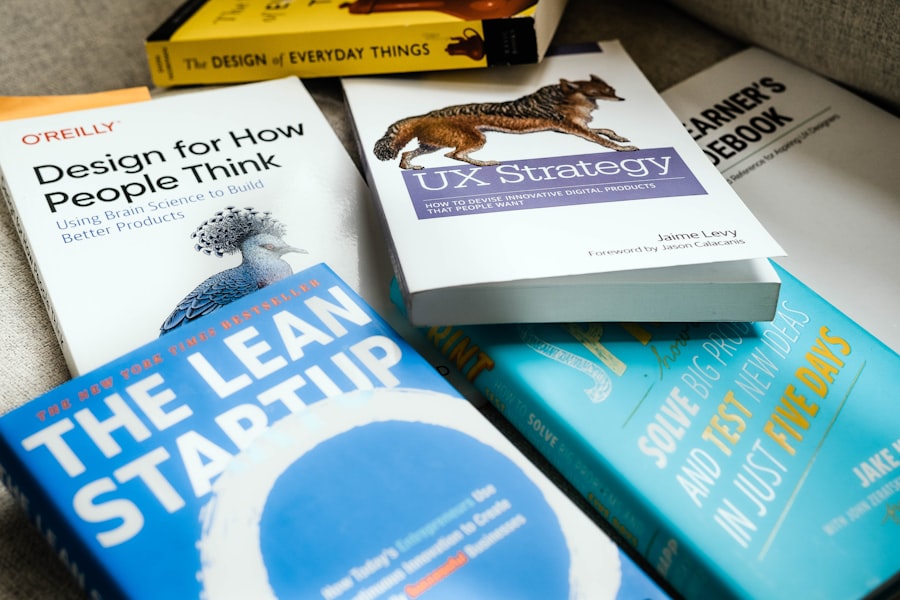
Navigating the learning curve can be fraught with challenges, but there are effective strategies you can employ to overcome obstacles along the way. One key approach is to set clear, achievable goals for yourself.
Celebrate each accomplishment, no matter how small; these victories will help maintain your motivation during tougher times. Another strategy involves cultivating a growth mindset—an attitude that embraces challenges as opportunities for development rather than threats to your abilities. When faced with difficulties, remind yourself that setbacks are part of the journey and do not define your potential for success.
Surrounding yourself with supportive peers or mentors can also provide encouragement and guidance when challenges arise. Engaging in discussions about your struggles can lead to valuable insights and solutions that propel you forward.
The Role of Persistence and Resilience in Mastering the Learning Curve
Persistence and resilience are vital qualities that will serve you well as you navigate the learning curve. Learning something new often requires sustained effort over time, and there will inevitably be moments when you feel like giving up. It’s during these times that resilience becomes crucial; it allows you to bounce back from setbacks and continue pursuing your goals despite difficulties.
To cultivate persistence, remind yourself of your motivations for learning and visualize the outcomes you hope to achieve. Keeping a journal of your progress can also help reinforce your commitment; documenting both successes and challenges provides perspective on how far you’ve come. Additionally, developing coping strategies for managing frustration—such as taking breaks or engaging in mindfulness practices—can enhance your ability to stay focused on long-term goals even when faced with short-term obstacles.
Embracing Failure: The Importance of Learning from Mistakes
Failure is often viewed negatively in our society, but embracing it as an integral part of the learning process can significantly enhance your growth journey. Mistakes provide invaluable lessons that contribute to deeper understanding and skill development. When you encounter failure, take a moment to reflect on what went wrong and how you can adjust your approach moving forward.
By reframing failure as an opportunity for growth rather than a setback, you empower yourself to take risks and explore new avenues in your learning journey. This mindset shift encourages experimentation and innovation—qualities essential for mastering any skill or subject matter. Remember that even the most accomplished individuals have faced failures along their paths; what sets them apart is their ability to learn from those experiences and use them as stepping stones toward success.
Seeking Feedback and Mentorship: Accelerating the Learning Process
One of the most effective ways to accelerate your learning process is by seeking feedback from others who have more experience or expertise in your area of interest. Constructive criticism can provide insights into areas where you may need improvement while also reinforcing what you’re doing well. Actively seeking feedback demonstrates a commitment to growth and an openness to learning from others’ perspectives.
Mentorship can also play a pivotal role in navigating the learning curve effectively. A mentor can offer guidance based on their own experiences, helping you avoid common pitfalls while providing encouragement during challenging times. Establishing a relationship with someone who has walked a similar path can provide invaluable support as you work toward mastering new skills or knowledge areas.
The Power of Continuous Learning: Sustaining Growth and Development
The journey of learning does not end once you reach a certain level of proficiency; rather, it evolves into a commitment to continuous growth and development. Embracing lifelong learning means staying curious about new ideas, trends, and advancements within your field or areas of interest. This mindset fosters adaptability—an essential quality in today’s rapidly changing world.
To sustain growth over time, consider setting aside regular time for self-directed learning activities such as reading books, attending workshops, or enrolling in online courses related to your interests. Engaging with diverse sources of information will keep your knowledge fresh while also exposing you to new perspectives that can enhance your understanding further.
Celebrating Achievements: Recognizing and Reflecting on Progress
As you navigate through various stages of the learning curve, it’s essential to take time to celebrate your achievements along the way. Recognizing milestones—whether big or small—reinforces positive behaviors while boosting motivation for future endeavors. Reflecting on how far you’ve come not only instills confidence but also serves as a reminder of what’s possible through dedication and hard work.
Consider creating rituals around celebrating achievements—this could involve sharing successes with friends or family members who support your journey or treating yourself to something special after reaching significant goals. By acknowledging progress regularly, you cultivate an environment where growth thrives while fostering an appreciation for the effort invested in mastering new skills or knowledge areas. In conclusion, understanding the learning curve is essential for anyone embarking on a journey of skill acquisition or knowledge expansion.
By recognizing each stage—from initial excitement through frustration to eventual mastery—you equip yourself with tools necessary for navigating challenges effectively while embracing opportunities for growth along the way.
In understanding the concept of Learning Curve Stages, it’s essential to explore various resources that provide insights into productivity and skill acquisition. A related article that delves into these themes can be found on Productive Patty’s website. This article offers valuable perspectives on how individuals can navigate different stages of learning to enhance their productivity and efficiency. For more detailed information, you can read the full article by visiting Productive Patty.
WATCH THIS! The Dunning-Kruger Effect is the #1 Reason Why Ambitious People QUIT
FAQs
What are the different stages of the learning curve?
The learning curve consists of four stages: unconscious incompetence, conscious incompetence, conscious competence, and unconscious competence.
What is the unconscious incompetence stage of the learning curve?
In the unconscious incompetence stage, individuals are unaware of their lack of skill or knowledge in a particular area.
What is the conscious incompetence stage of the learning curve?
In the conscious incompetence stage, individuals become aware of their lack of skill or knowledge and begin to recognize the need for improvement.
What is the conscious competence stage of the learning curve?
In the conscious competence stage, individuals have developed the necessary skills or knowledge and are able to perform tasks with effort and concentration.
What is the unconscious competence stage of the learning curve?
In the unconscious competence stage, individuals have mastered the skills or knowledge to the point where they can perform tasks effortlessly and without conscious effort.
How can understanding the learning curve stages be beneficial?
Understanding the learning curve stages can help individuals and organizations better manage expectations, set realistic goals, and develop effective learning and training strategies.