
The energy landscape perpetually shifts, compelling a re-evaluation of established practices. You, as an active participant in this sphere, may have historically operated within a framework primarily concerned with “proving” energy – demonstrating its existence, quantifying its generation, and verifying its consumption. This approach, while foundational, is evolving. You are now entering an era where the focus pivots towards “budgeting” energy, a more strategic and holistic perspective that acknowledges finite resources, environmental imperatives, and economic efficiencies. This transition isn’t merely a semantic rearrangement; it signifies a fundamental change in how you perceive, manage, and ultimately utilize energy.
For decades, your primary objective regarding energy might have been analogous to a prospector verifying the presence of gold. You sought to confirm its existence, measure its quantity, and ensure its quality. This “proving” mentality was essential for establishing grids, developing power plants, and distributing resources. However, as global energy demands escalate, and the implications of unchecked consumption become increasingly apparent, you are confronted with a new reality. Resources are not limitless, and the environmental cost of their extraction and utilization is mounting.
The Limitations of the “Proving” Mindset
When you exclusively focus on proving energy, you inherently adopt a reactive stance. Your primary concern becomes verifying what you’ve already consumed or generated.
Reactive Monitoring
Your existing systems might excel at tracking energy after it has been used. You can precisely measure kilowatt-hours consumed or barrels of oil extracted. This data is invaluable for billing and historical analysis, but it offers limited foresight.
Supply-Side Dominance
The “proving” paradigm often prioritizes the supply side. Your efforts are heavily invested in ensuring sufficient generation capacity to meet projected demand, sometimes at any cost. This can lead to overbuilding infrastructure or reliance on less sustainable sources.
Limited Resource Optimization
While you might endeavor to reduce waste within your existing processes, the core focus remains on proving what is available rather than rigorously optimizing its allocation or minimizing its overall requirement. This is akin to endlessly refining the process of baking a cake without ever considering if a smaller cake would suffice.
The Imperative for Budgeting
Budgeting energy is a proactive and strategic approach. It compels you to consider energy as a meticulously managed resource, akin to financial capital. Just as you allocate funds to various departments with an eye on efficiency and return, you must now allocate energy with similar precision.
Finite Resources
The finite nature of fossil fuels is a stark reality you cannot ignore. Even with the advent of renewable sources, the infrastructure and resources required for their deployment necessitate careful planning.
Environmental Stewardship
Your contribution to climate change through energy consumption is undeniable. Budgeting energy is a direct response to this, aiming to minimize your environmental footprint by reducing overall demand and shifting towards cleaner alternatives.
Economic Efficiency
Energy costs are a significant expenditure for individuals, businesses, and nations. By budgeting effectively, you can identify areas of waste, optimize consumption, and ultimately reduce your operational expenses. This is not about deprivation, but about intelligent resource allocation.
In the journey towards effective energy management, shifting from a mindset of proving energy usage to budgeting it can significantly enhance sustainability efforts. A related article that delves into practical strategies for this transition is available at Productive Patty. This resource offers insights on how to allocate energy resources wisely, ensuring that both personal and organizational goals align with sustainable practices.
Strategic Energy Planning: The Cornerstone of Budgeting
Moving beyond merely proving energy requires a robust strategic planning framework. This involves a comprehensive assessment of your current energy profile and the development of actionable roadmaps for future consumption and generation.
Comprehensive Energy Audits
Before you can effectively budget, you must first understand your current energy expenditure. This goes beyond receiving a utility bill.
Granular Data Collection
You need to move beyond aggregate consumption figures. Implement smart meters, sub-metering, and sensor networks to collect data at the individual appliance, process, or building level. This granular detail provides the foundation for accurate budgeting.
Baseline Establishment
Establish a clear baseline of your energy consumption. This baseline will serve as your benchmark for measuring the effectiveness of your budgeting strategies. Without a clear starting point, it is impossible to accurately assess progress.
Identifying Energy Sinks
Pinpoint areas of significant energy consumption or demonstrable waste. These “energy sinks” represent prime opportunities for targeted intervention and efficiency improvements. You might discover, for instance, that a particular manufacturing process is disproportionately energy-intensive compared to its output.
Setting Realistic Targets and Goals
Once you understand your current energy landscape, you can set meaningful targets for reduction and efficiency.
Short-Term Reductions
Focus on immediate opportunities for energy savings, such as optimizing HVAC schedules, upgrading lighting to LED, or implementing behavioral changes among employees or residents. These quick wins build momentum and demonstrate the feasibility of energy budgeting.
Long-Term Efficiency Goals
Develop more ambitious, multi-year goals for energy reduction and renewable energy integration. These might include investing in building envelope upgrades, transitioning to electric vehicle fleets, or installing onsite solar generation. These goals require more significant capital investment and longer planning horizons.
Performance Indicators
Define clear Key Performance Indicators (KPIs) to track your progress. These could include energy intensity per unit of production, renewable energy penetration rates, or greenhouse gas emissions reductions. Regular monitoring of these KPIs is crucial for accountability and course correction.
Implementing Energy Budgeting: Practical Applications
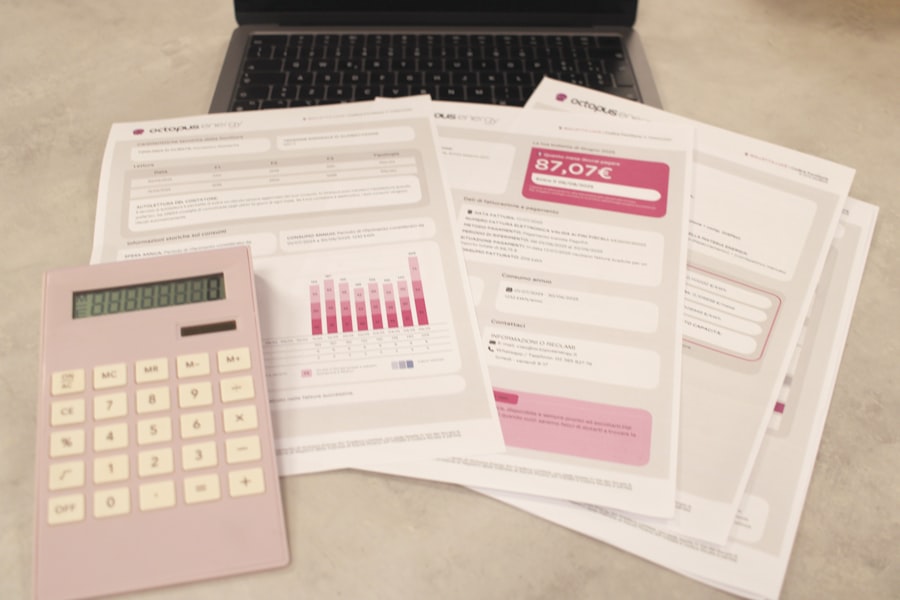
The shift to energy budgeting manifests in various practical applications, impacting everything from individual households to national energy policies.
Demand-Side Management (DSM)
You must actively manage demand, rather than merely reacting to it. This involves influencing consumer behavior and optimizing load profiles.
Peak Shaving Programs
Incentivize consumers to reduce consumption during periods of high demand to alleviate strain on the grid and avoid the need for costly peaker plants. This could involve off-peak discounts or direct load control programs for non-essential appliances.
Behavioral Nudges
Implement strategies to encourage more energy-conscious behavior. This could range from educational campaigns to smart thermostat integrations that suggest optimal energy usage patterns.
Load Shifting
Where possible, encourage the shifting of energy consumption to off-peak hours when electricity is often cheaper and generated from more readily available sources. This is particularly relevant for industrial processes that can be scheduled flexibly.
Integration of Renewable Energy Sources
Budgeting for energy inherently includes a strategic allocation towards renewable resources, which offer long-term stability and reduced environmental impact.
Distributed Generation
Facilitate and integrate smaller-scale renewable energy systems, such as rooftop solar panels or small wind turbines, at the point of consumption. This reduces transmission losses and empowers individual energy producers.
Grid Modernization
Invest in smart grid technologies that can effectively integrate intermittent renewable sources, manage bidirectional energy flow, and optimize resource allocation across a complex network. This intelligent grid acts as a financial manager for your energy.
Energy Storage Solutions
Expand the deployment of energy storage technologies, such as batteries, to mitigate the intermittency of renewables and provide grid stability. Energy storage allows you to “bank” renewable energy for later use, much like saving money in a reserve fund.
The Role of Technology and Innovation

Technology serves as the enabling force behind effective energy budgeting. You must embrace and leverage advancements to achieve your budgeting objectives.
Advanced Metering Infrastructure (AMI)
Smart meters are fundamental to granular data collection and real-time insights into energy consumption.
Real-Time Data
AMI systems provide you with immediate feedback on energy usage, allowing for proactive adjustments and quick identification of anomalies.
Remote Monitoring and Control
Many AMI systems enable remote monitoring and even control of energy-consuming devices, offering unprecedented opportunities for optimization.
Pricing Signals
Smart meters can facilitate dynamic pricing mechanisms, where electricity costs fluctuate based on demand and supply, effectively incentivizing energy budgeting.
Energy Management Systems (EMS)
These sophisticated platforms integrate data from various sources to provide a holistic view of energy consumption and facilitate optimized management.
Automated Optimization
EMS can automate adjustments to HVAC, lighting, and other building systems based on occupancy, time of day, and external conditions, ensuring optimal energy performance without constant human intervention.
Predictive Analytics
Leverage artificial intelligence and machine learning within EMS to predict future energy demand and identify potential inefficiencies before they occur. This allows you to nip potential overspending in the bud.
Integration with Production Systems
For industrial applications, EMS can be integrated directly with manufacturing processes to synchronize energy consumption with production schedules, reducing idle-time energy waste.
In the journey of managing our energy effectively, transitioning from a mindset of proving ourselves to one focused on budgeting our energy is crucial for long-term well-being. This shift allows individuals to prioritize their tasks and allocate their energy where it matters most, ultimately leading to increased productivity and satisfaction. For those looking to explore this concept further, a related article on this topic can be found at Productive Patty, which offers valuable insights and practical tips for making this important change.
The Human Element: Culture and Education
| Metric | Description | Current State (Proving Energy) | Target State (Budgeting Energy) | Measurement Method |
|---|---|---|---|---|
| Energy Consumption Variability | Degree of fluctuation in energy use over time | High variability due to reactive usage | Low variability with planned consumption | Standard deviation of daily energy use (kWh) |
| Energy Budget Accuracy | Difference between planned and actual energy use | Not applicable or very low accuracy | Within 5% of planned budget | Percentage difference between budgeted and actual kWh |
| Peak Demand Reduction | Reduction in maximum energy demand during peak hours | High peak demand without control | Reduced peak demand by 20-30% | Peak kW demand measured during peak periods |
| Energy Cost Savings | Reduction in energy costs due to budgeting | Baseline cost without budgeting | 10-15% cost reduction | Comparison of monthly energy bills |
| Energy Usage Forecast Accuracy | Accuracy of predicted energy consumption | Low accuracy, often reactive | Forecast within 10% of actual use | Mean absolute percentage error (MAPE) |
| Employee Engagement in Energy Management | Level of staff participation in energy budgeting | Minimal involvement | Active participation in >75% of initiatives | Survey and participation records |
| Implementation Time | Time taken to shift from proving to budgeting approach | Not started | 3-6 months | Project timeline tracking |
Despite technological advancements, the success of energy budgeting ultimately hinges on human behavior and understanding. You must cultivate a culture of energy awareness and provide adequate education.
Behavioral Change Programs
Encourage and facilitate shifts in individual and organizational energy consumption habits.
Awareness Campaigns
Regularly communicate the importance of energy efficiency and the impact of individual actions. This can be as simple as reminder posters or as elaborate as company-wide competition programs.
Incentive Structures
Implement reward systems for individuals or departments that demonstrate significant energy savings. Financial incentives, recognition, or even friendly competition can be powerful motivators.
Training and Education
Provide training on energy-efficient practices and the proper use of energy management tools. Empowering individuals with knowledge is crucial for their active participation in the budgeting process.
Policy and Regulation Support
Governmental and organizational policies play a vital role in creating an environment conducive to energy budgeting.
Energy Efficiency Standards
Implement and enforce stringent energy efficiency standards for buildings, appliances, and industrial processes. This sets a baseline for responsible energy consumption.
Carbon Pricing Mechanisms
Introduce carbon taxes or cap-and-trade systems to internalize the environmental cost of energy and further incentivize reduction and transition to cleaner sources.
Support for Research and Development
Invest in further research and development of energy-efficient technologies and renewable energy solutions. Continuous innovation is essential for long-term energy budgeting success.
The transition from proving to budgeting energy is not an option; it is an imperative. You are moving from a reactive stance of quantifying what has been used to a proactive, strategic approach of meticulously managing a precious resource. By embracing comprehensive planning, leveraging technology, and cultivating a culture of energy awareness, you can navigate this transition successfully, ensuring a more sustainable, economically viable, and environmentally responsible energy future for yourself and for generations to come. This is a journey of continuous improvement, where every kilowatt-hour saved is a dollar budgeted and a step towards a more resilient world.
FAQs
What does it mean to shift from proving to budgeting energy?
Shifting from proving to budgeting energy involves moving away from constantly demonstrating your capabilities or worth through high energy output, to managing and allocating your energy more sustainably and efficiently over time.
Why is budgeting energy important?
Budgeting energy is important because it helps prevent burnout, improves productivity, and ensures that you have enough energy for essential tasks and personal well-being throughout the day.
How can I start budgeting my energy effectively?
You can start budgeting your energy by tracking your daily energy levels, prioritizing tasks based on importance and energy required, taking regular breaks, and setting realistic goals to avoid overexertion.
What are common signs that I am not budgeting my energy well?
Common signs include frequent fatigue, decreased motivation, difficulty concentrating, increased stress, and feeling overwhelmed or burnt out regularly.
Can shifting to energy budgeting improve work-life balance?
Yes, by managing your energy wisely, you can allocate sufficient time and effort to both work and personal activities, leading to a healthier work-life balance and overall well-being.