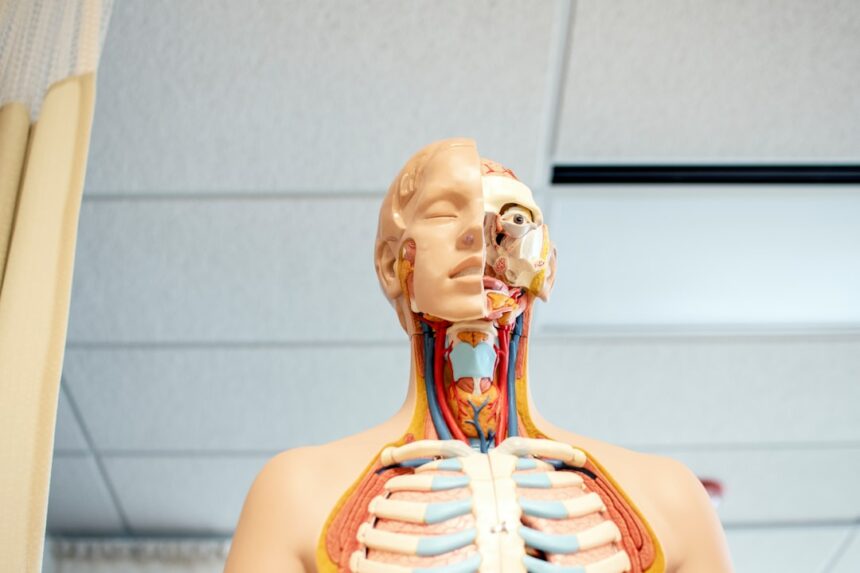
You are likely here because you’ve experienced the frustration of a mind adrift, a scattered attention span, and a dwindling inability to complete tasks. You understand the siren call of distractions, the mental fog that descends, and the gnawing feeling that your potential is being squandered. This article will explore how optimizing your nervous system regulation can serve as a powerful engine for enhancing your focus and, consequently, your productivity. Think of your nervous system not as a static entity, but as a dynamic landscape, prone to fluctuations that can either hinder or propel your efforts.
Your ability to concentrate is not an innate, immutable trait. Rather, it is deeply intertwined with the state of your autonomic nervous system (ANS). This intricate network acts as the internal thermostat of your body and mind, constantly receiving and processing information to maintain a state of equilibrium, known as homeostasis. The ANS has two primary branches, each with distinct roles that profoundly influence your capacity for sustained attention: the sympathetic nervous system (SNS) and the parasympathetic nervous system (PNS).
The Sympathetic Nervous System: The “Fight or Flight” Response
When Your System is in Overdrive
The sympathetic nervous system is your body’s alarm system. When you perceive a threat, whether it’s a true danger or merely a perceived deadline, the SNS kicks into high gear. Its activation releases a cascade of neurochemicals, primarily adrenaline and cortisol, which prepare your body for immediate action. This heightened state, often referred to as the “fight or flight” response, is essential for survival in acute emergencies. However, in our modern, often stress-laden lives, it can become chronically engaged.
The Manifestations of Sympathetic Dominance
When your SNS is consistently overstimulated, you may experience a range of symptoms that directly impede your ability to focus. Your heart rate might be elevated, your breathing shallow and rapid. You might feel restless, agitated, and on edge, like a tightly wound spring. This constant state of alert can make it exceedingly difficult to settle your mind on a single task. Your cognitive resources are diverted to perceiving and responding to perceived threats, leaving little bandwidth for deep work or sustained concentration. This is like trying to navigate a complex map while a fire alarm is blaring – your attention is drawn to the immediate emergency, not the finer details.
The Parasympathetic Nervous System: The “Rest and Digest” State
Cultivating Calm and Clarity
In contrast to the SNS, the parasympathetic nervous system is associated with relaxation, recovery, and internal processing. Often dubbed the “rest and digest” system, the PNS promotes a state of calm, allowing your body to conserve energy, repair itself, and engage in activities that require less immediate reaction. This is the state in which your mind can truly settle, observe, and learn.
The Benefits of Parasympathetic Activation for Focus
When your PNS is dominant, your heart rate slows, your breathing deepens, and your muscles relax. This physiological shift creates an internal environment conducive to focus. Your mind becomes quieter, less prone to intrusive thoughts. You are better able to access higher-order cognitive functions, such as problem-solving, planning, and creative thinking. This is akin to turning down the volume on a noisy radio to clearly hear a specific, important broadcast. A well-regulated PNS allows you to enter a state of flow, where you are fully immersed in your task, time seems to disappear, and productivity soars.
For those interested in enhancing their productivity and focus through understanding nervous system regulation, a related article can be found at Productive Patty. This resource delves into the intricate connections between our nervous system responses and our ability to concentrate, offering practical tips and techniques to optimize mental performance. By exploring the insights shared in this article, readers can gain valuable knowledge on how to harness their nervous system for improved focus and productivity in their daily tasks.
Strategies for Actively Regulating Your Nervous System
Awareness of your nervous system’s state is the first step; the next is developing the skills to intentionally guide it towards a state that supports optimal focus. This is not about suppressing your natural responses but about developing a nuanced ability to shift between sympathetic activation when needed and parasympathetic dominance for sustained cognitive effort.
Cultivating Mindfulness and Present Moment Awareness
Training Your Attentional Muscles
Mindfulness is the practice of paying attention to the present moment without judgment. It’s about observing your thoughts, feelings, and bodily sensations as they arise, acknowledging them, and then gently returning your attention to the present. This practice is not about emptying your mind, but about learning to observe the contents of your mind without getting swept away by them. Each time you notice your mind wandering and gently bring it back to your breath or your current task, you are strengthening your attentional muscles.
The Impact on Interoception
Mindfulness cultivates interoception, the sense of the internal state of your body. By becoming more attuned to physical sensations, you can better recognize the early signs of sympathetic arousal, such as a tightening in your chest or a knot in your stomach. This early recognition allows you to intervene before you become overwhelmed and lose your focus. You become a skilled navigator of your internal landscape, able to notice the subtle shifts in the weather before a storm hits.
The Role of Breathwork in Nervous System Regulation
Your Direct Access to the PNS
Your breath is a powerful and direct gateway to your autonomic nervous system. Unlike many other bodily functions, your breathing is both involuntary and voluntary. This duality makes it a unique tool for influencing your physiological state. Slow, deep, diaphragmatic breathing activates the parasympathetic nervous system, promoting a sense of calm and reducing stress.
Inhaling Calm, Exhaling Stress
Simple breathing exercises can have a profound impact. For instance, practicing “box breathing” – inhaling for a count of four, holding for four, exhaling for four, and holding for four – can effectively signal to your body that it is safe to relax. Even a few minutes of conscious, deep breathing before commencing a task can significantly improve your ability to concentrate. Think of your breath as a gentle hand on the tiller, steering your internal state towards tranquility.
Heart Rate Variability and Breath
Consistent breathwork can also improve heart rate variability (HRV), a measure of the variation in time between heartbeats. Higher HRV is generally associated with better stress resilience and a more adaptable nervous system. By regulating your breath, you are indirectly optimizing your HRV, creating a foundational state of calm that supports focus.
The Power of Movement and Physical Activity
Releasing Stored Tension
While prolonged periods of inactivity can contribute to a sedentary stress response, appropriate physical activity can be a potent regulator of your nervous system. Exercise, particularly moderate-intensity cardio, can help to metabolize stress hormones like cortisol and adrenaline, releasing stored tension that might otherwise manifest as restlessness or anxiety, both of which disrupt focus.
Shifting Your State
Engaging in physical activity can help you shift out of a sympathetic overdrive state. A brief walk, some stretching, or a more vigorous workout can act as a mental reset button. This is especially true if you’ve been stuck in a mental rut; physical movement can help to dislodge stagnant thoughts and re-energize your cognitive processes. It’s like shaking a snow globe to clear the cloudy water and see the scene within.
The Importance of Micro-Breaks
Incorporating short bursts of movement throughout your workday is also crucial. Instead of powering through for hours, stand up, stretch, or walk around for a few minutes every hour. These “micro-breaks” allow your nervous system to briefly reset, preventing the buildup of fatigue and maintaining a higher baseline of focus when you return to your work.
Understanding and Managing Sensory Input
Creating an Environment for Focus
Your sensory environment plays a significant role in modulating your nervous system. Excessive noise, harsh lighting, or cluttered surroundings can all contribute to sympathetic arousal, making it harder to concentrate. Conversely, a calming and organized environment can promote parasympathetic activity.
Minimizing Distractions
Identify the sensory inputs that most readily pull your attention away from your task. This might include notification sounds from your devices, background conversations, or visual clutter. Implementing strategies to minimize these distractions is a fundamental aspect of nervous system regulation for focus. This might involve using noise-canceling headphones, decluttering your workspace, or setting strict boundaries around device usage.
Optimizing Your Sensory Landscape
Consider what sensory inputs actively support your focus. For some, soft, ambient music might be beneficial, while for others, complete silence is essential. Experiment with different types of lighting and seating arrangements to find what creates a sense of calm and allows you to settle into your work. You are curating a personal sanctuary for concentration.
The Role of Nutrition and Hydration
Fueling Your Brain and Body
What you consume directly impacts your brain’s chemistry and your nervous system’s stability. Poor dietary choices, characterized by high sugar intake and processed foods, can lead to blood sugar fluctuations that mimic stress responses, causing jitters and brain fog.
Stabilizing Energy Levels
Prioritizing whole, unprocessed foods, lean proteins, and healthy fats can help to stabilize your energy levels and promote a more even physiological state. Adequate hydration is also paramount. Dehydration, even mild, can impair cognitive function, leading to reduced concentration and increased fatigue. Think of your brain as a high-performance engine; it needs the right fuel and consistent maintenance to run smoothly.
The Interplay of Sleep and Nervous System Regulation
The Ultimate Restoration Tool
Sleep is the cornerstone of nervous system health and, by extension, your ability to focus. During sleep, your brain clears out metabolic waste products, consolidates memories, and restores essential neurotransmitters. Chronic sleep deprivation severely impairs your cognitive abilities, leading to reduced attention span, poor decision-making, and increased emotional reactivity.
Prioritizing Sleep Hygiene
Establishing a consistent sleep schedule, creating a relaxing bedtime routine, and ensuring your sleep environment is dark, quiet, and cool are crucial for optimizing sleep quality. When your nervous system is adequately rested, it is far more capable of regulating itself and maintaining focus throughout the day. Without sufficient sleep, your efforts to regulate your nervous system are like trying to build a house on a shaky foundation.
The Impact of Social Connection and Isolation
The Social Nervous System
Your nervous system is inherently social. Positive social interactions can stimulate the release of oxytocin, a hormone associated with bonding and well-being, which can have a calming effect and promote parasympathetic activity. Conversely, prolonged social isolation can lead to increased stress and anxiety, making focus more challenging.
Cultivating Supportive Relationships
Nurturing healthy, supportive relationships and engaging in meaningful social connections can contribute to a more regulated nervous system. Even brief, positive interactions throughout the day can have a beneficial impact. This doesn’t mean you need to be constantly surrounded by people, but rather that you have a few individuals with whom you can connect authentically.
Implementing Nervous System Regulation for Enhanced Productivity

The transition from theoretical understanding to practical application is where true transformation occurs. Integrating these regulation strategies into your daily routine requires intention and consistency.
Developing a Personal Regulation Toolkit
Tailoring Strategies to Your Needs
Recognize that you are an individual, and what works for one person may not work for another. Experiment with various techniques to identify the ones that resonate most with you and have the greatest impact on your focus. Create a personalized “toolkit” of strategies that you can deploy when you notice your nervous system shifting into a state that hinders your productivity.
The Importance of Consistency
Like any skill, nervous system regulation requires practice. Aim for consistency rather than perfection. Even small, regular efforts will yield cumulative benefits over time. Treat these practices not as occasional fixes, but as integral components of your day, much like brushing your teeth.
Scheduling Time for Regulation
Proactive vs. Reactive Approaches
Don’t wait until you’re overwhelmed to engage in regulation practices. Schedule time for them proactively, just as you would schedule important meetings. Dedicate specific blocks of time for mindfulness, breathwork, or movement breaks. This proactive approach will build resilience and prevent you from reaching a state of acute dysregulation. Think of it as regular maintenance for your operating system, not just emergency repairs.
Tracking Your Progress and Adjusting
Data-Driven Self-Improvement
Pay attention to how you feel before and after engaging in different regulation techniques. You might find it helpful to keep a journal, noting your focus levels, stress sensations, and the effectiveness of your interventions. This data will help you understand what works best for you and allow you to make informed adjustments to your approach.
Conclusion: Mastering Your Inner Landscape for Peak Performance

Your capacity for focus is not a fixed entity. It is a dynamic outcome of your nervous system’s state, and you possess the agency to influence that state. By understanding the interplay between the sympathetic and parasympathetic nervous systems and by actively implementing strategies for regulation, you can cultivate an inner landscape conducive to sustained attention and enhanced productivity. This journey of self-mastery is not about achieving a constant state of unwavering alertness, but about developing the resilience and adaptability to navigate the inevitable fluctuations of your internal world, allowing you to harness your true potential. You are not a passive observer of your own mind; you are the architect of your focus, and with these tools, you can build a more productive and fulfilling present.
FAQs
What is nervous system regulation?
Nervous system regulation refers to the process of managing and balancing the autonomic nervous system to maintain optimal physiological and psychological functioning. It involves techniques that help control stress responses, improve emotional stability, and enhance focus and productivity.
How does nervous system regulation impact productivity and focus?
When the nervous system is well-regulated, it reduces stress and anxiety, leading to improved concentration, mental clarity, and decision-making abilities. This state supports sustained attention and efficient cognitive performance, which are essential for productivity and focus.
What are common techniques used for nervous system regulation?
Common techniques include deep breathing exercises, mindfulness meditation, progressive muscle relaxation, physical activity, and biofeedback. These methods help activate the parasympathetic nervous system, promoting calmness and reducing the fight-or-flight response.
Can nervous system regulation help with managing stress at work?
Yes, nervous system regulation techniques can effectively reduce stress levels by calming the body’s stress response. This helps individuals maintain composure, think clearly, and perform better under pressure in work environments.
Is nervous system regulation beneficial for long-term mental health?
Consistent practice of nervous system regulation can contribute to long-term mental health by decreasing chronic stress, improving emotional resilience, and enhancing overall well-being. It supports a balanced nervous system, which is crucial for maintaining mental and physical health over time.