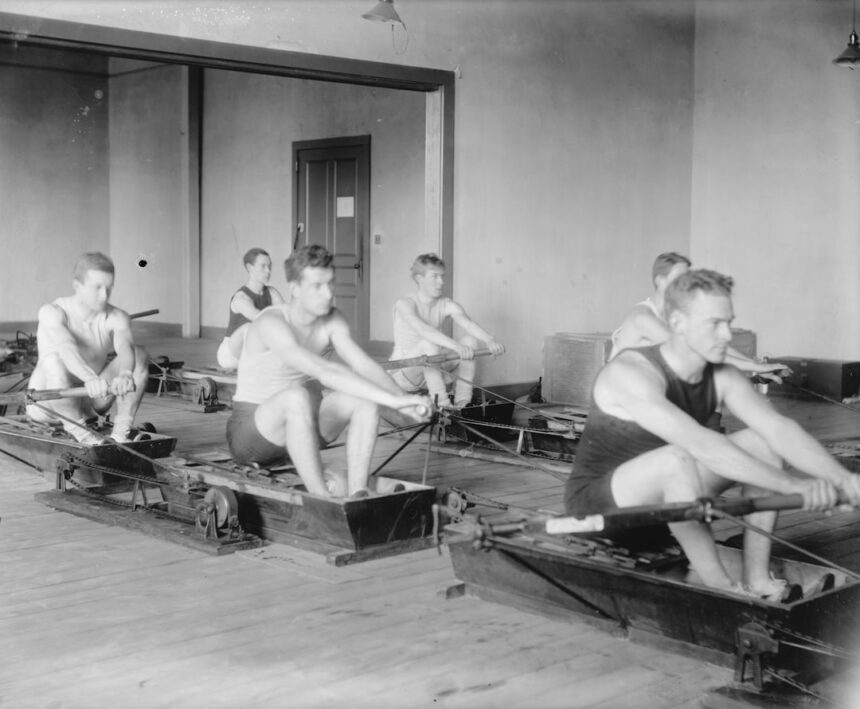
You spend a significant portion of your waking hours at a desk. The hum of computers, the rhythm of keystrokes, the flow of emails – these are the soundtrack to your workday. While your mind is navigating complex tasks, your body, conversely, is often locked in a static embrace with your chair. This prolonged immobility, while seemingly a passive state, can silently erode your physical well-being and, by extension, your cognitive sharpness. This article will explore the concept of seated mobility exercises, providing you with actionable strategies to integrate movement into your work routine, thereby enhancing both your physical resilience and mental focus.
Your body is designed for movement. Centuries of evolution have honed our physiology for walking, running, lifting, and adapting to dynamic environments. The modern office, however, often presents a counter-evolutionary landscape. You may pride yourself on your ability to concentrate for extended periods, but the price of that sustained mental effort, when coupled with prolonged sitting, can be a significant one, both for your physical structure and your ability to perform at your peak.
Musculoskeletal Strain: The Creeping Stiffness
When you remain in a fixed seated position for hours, certain muscle groups become overloaded while others atrophy from disuse. Your lumbar spine, for instance, is subjected to uneven pressure, potentially leading to chronic lower back pain. Your hip flexors, perpetually shortened, can tighten, impacting your posture and creating a feeling of overall stiffness. These aren’t dramatic injuries, but rather a slow, insidious tightening, like a rusty hinge that gradually becomes harder to move. You may find yourself unconsciously shifting your weight, seeking momentary relief, but the underlying tension persists.
The Cervical Spine’s Plight
Your neck and shoulders bear a significant burden, especially when you lean forward to peer at your screen. The muscles that support your head are constantly engaged, leading to tension headaches and a stiff, sore neck. This is akin to holding a bowling ball in your hands for hours on end; eventually, your arms will ache. The cumulative strain can manifest as a dull ache that radiates up your neck and into your scalp, making it difficult to find a comfortable position.
The Perils of Poor Circulation
Your circulatory system, designed for fluid movement, encounters challenges when you’re sedentary. Blood flow to your extremities can become sluggish, leading to feelings of cold hands and feet, and potentially contributing to swelling in your ankles. This isn’t just a matter of discomfort; reduced blood flow to the brain can also impact cognitive function. Think of it as a garden hose that’s been kinked; the water flow is restricted, and the plants at the end don’t receive adequate nourishment.
The Cognitive Disconnect: When the Body Holds the Mind Hostage
You might believe your mind operates independently of your physical sensations, but this is a fallacy. Discomfort and fatigue create a cognitive drag. When your back aches, your shoulders are tense, and your legs feel restless, your brain is subtly diverted. It’s like trying to solve a complex puzzle with a persistent, annoying song playing in the background. Your mental resources are being siphoned off to manage the physical feedback your body is sending.
Diminished Alertness and Foggy Thinking
The lack of varied movement can lead to a decrease in oxygenation to the brain. This can result in that familiar afternoon slump, where your thoughts become sluggish and your focus wavers. You might find yourself re-reading the same sentence multiple times or struggling to recall information. It’s as if a fine mist has settled over your mental landscape, obscuring your usual clarity.
Increased Stress and Reduced Resilience
Physical discomfort can directly contribute to increased stress levels. When your body is in a state of tension, your nervous system becomes more reactive. This can make you feel on edge, less patient, and more susceptible to workplace stressors. You become a tightly wound spring, easily disturbed. The ability to bounce back from challenges is diminished when your physical foundation is unstable.
Seated mobility exercises can significantly enhance focus and productivity during work hours, as they help to relieve tension and improve circulation. For more insights on how to incorporate these exercises into your daily routine, you can check out a related article on this topic at Productive Patty. This resource provides practical tips and techniques that can be easily integrated into your workday, promoting both physical well-being and mental clarity.
The Foundations of Seated Mobility: What You Need to Know
Seated mobility exercises are not about strenuous workouts; they are about strategic micro-movements designed to counteract the negative effects of prolonged sitting. The goal is to introduce variety and gentle stretching into your workday, promoting better circulation, reducing muscle strain, and ultimately enhancing your ability to focus.
Understanding the Principles
The core principle behind seated mobility is to reintroduce dynamic elements into a static environment. This involves engaging different muscle groups, promoting joint mobility, and encouraging blood flow. You are not aiming for a sweat session, but rather for a gentle recalibration of your body’s equilibrium.
Mindful Movement: The Importance of Intent
Each exercise, no matter how small, should be performed with conscious intention. Pay attention to the sensations in your body. Where do you feel the stretch? What muscles are engaging? This mindful approach amplifies the benefits of the movement and helps you develop a deeper understanding of your body’s needs. It’s like tasting your food rather than just eating it; the experience is richer and more nourishing.
Consistency Over Intensity
The power of seated mobility lies in its consistent application. A few minutes of targeted movement every hour is far more effective than a single, long session once a week. Think of it as regular, small doses of a beneficial medicine, rather than a large, infrequent administration. This steady rhythm of movement keeps your body engaged and prevents the buildup of tension and stiffness.
Creating Your Seated Mobility Toolkit
The beauty of seated mobility exercises is their accessibility. You don’t need special equipment or a dedicated space. Your workstation itself becomes your gym.
Essential Tools: Your Own Body
Your body is your primary tool. Your arms, legs, torso, and neck are all capable of a range of movements that can be utilized to your benefit. You have within you all the components necessary to perform these exercises.
Optional Enhancements: The Desk and Chair
Your desk and chair, while the source of your sedentary situation, can also be leveraged as aids. Your desk can provide a stabilizing surface for stretches, and your chair can offer its own range of motion (if it’s an adjustable or wheeled chair). Even a stable wall nearby can be a helpful prop.
Implementing Seated Mobility Exercises: Practical Strategies
Integrating these exercises into your workday requires a proactive approach. It’s not enough to know they exist; you must actively schedule them and make them a routine.
Reclaiming Your Breaks: Beyond the Coffee Run
Traditional breaks, often spent scrolling through your phone or simply staring into space, are ripe for transformation. Instead of passively occupying your break time, actively engage your body.
The “Desk Stretch Safari”
Imagine your workday as a landscape, and your breaks are opportunities to explore different terrains of movement. Dedicate a few minutes of each break to a specific set of stretches. This could be a sequence targeting your back and shoulders, followed by one for your legs and hips.
Integrating Movement into Micro-Breaks
Even before your scheduled breaks, incorporate movement into shorter intervals. Set a timer to remind you to stand up and stretch for 30 seconds to a minute every 20-30 minutes. These micro-breaks interrupt the static pattern and prevent deep-seated stiffness from developing.
Targeted Exercises for Key Areas: A Step-by-Step Guide
The following exercises are designed to be performed discreetly at your desk, without drawing undue attention.
Spinal Twists: Unwinding the Torso
- Procedure: Sit upright in your chair with your feet flat on the floor. Place your right hand on the outside of your left knee. Place your left hand on the armrest or the back of your chair. Gently twist your torso to the left, looking over your left shoulder. Hold for 15-30 seconds, feeling a stretch in your spine and obliques. Breathe deeply. Return to center and repeat on the other side.
- Benefits: Improves spinal mobility, releases tension in the back and sides, and can aid digestion. This is like untwisting a coiled rope, releasing pent-up energy.
Neck Rolls and Tilts: Easing Cervical Tension
- Procedure (Rolls): Gently drop your chin to your chest. Slowly roll your right ear towards your right shoulder, then your chin back to your chest, and then your left ear towards your left shoulder. Repeat this slow, semi-circular motion for 5-10 repetitions in each direction. Avoid rolling your head fully backward.
- Procedure (Tilts): Sit tall. Gently tilt your right ear towards your right shoulder, feeling a stretch on the left side of your neck. Hold for 15-30 seconds. Return to center and repeat on the left side.
- Benefits: Relieves tension in the neck and upper shoulders, improves range of motion, and can help alleviate headaches. This is akin to gently easing friction in a delicate joint.
Shoulder Rolls and Shrugs: Releasing Upper Body Clutter
- Procedure (Rolls): Roll your shoulders forward in a circular motion for 5-10 repetitions, then reverse the direction and roll them backward for another 5-10 repetitions. Focus on making large, deliberate circles.
- Procedure (Shrugs): Inhale deeply and shrug your shoulders up towards your ears, holding the tension for a moment. Exhale and release the tension, letting your shoulders drop. Repeat 5-10 times.
- Benefits: Releases tension in the trapezius muscles, improves blood flow to the upper back and shoulders, and counteracts the forward-hunched posture. Think of this as clearing away mental and physical clutter that accumulates in your upper body.
Wrist and Finger Stretches: Protecting Your Dexterity
- Procedure (Wrist Flexion/Extension): Extend one arm in front of you, palm facing down. Gently bend your wrist downward with your other hand to stretch the top of your forearm. Hold for 15-30 seconds. Then, gently flex your wrist upward, palm facing up, and pull your fingers back with your other hand to stretch the underside of your forearm. Hold for 15-30 seconds. Repeat with the other arm.
- Procedure (Finger Spreads): Spread your fingers wide apart, hold for a few seconds, and then clench them into a fist. Repeat several times.
- Benefits: Prevents and alleviates carpal tunnel syndrome, reduces strain from typing, and maintains fine motor skills. These are essential for preventing the creeping numbness that can affect hands.
Ankle Circles and Dorsiflexion/Plantarflexion: Promoting Lower Extremity Health
- Procedure (Ankle Circles): Lift one foot slightly off the floor. Rotate your ankle in a circular motion, clockwise and then counter-clockwise, for 5-10 repetitions in each direction. Repeat with the other foot.
- Procedure (Dorsiflexion/Plantarflexion): Point your toes down away from you (plantarflexion), hold for a few seconds, then pull your toes up towards your shins (dorsiflexion), hold for a few seconds. Repeat 10-15 times for each foot.
- Benefits: Improves circulation in the legs, prevents stiffness in the ankles and calves, and can reduce the risk of deep vein thrombosis. This gets the blood flowing down to the “roots” of your physical structure.
Hip Flexor Stretch (Seated): Counteracting the Sitting Stance
- Procedure: Sit at the edge of your chair. Extend one leg straight back behind you, keeping your knee on the floor (if possible, or simply extended out behind you while seated). You should feel a gentle stretch in the front of your hip. Keep your torso upright. Hold for 20-30 seconds. Return to center and repeat with the other leg. If full extension is not possible, simply sit towards the edge of your chair and gently lean forward from your hips.
- Benefits: Lengthens the hip flexors, which can become tight from prolonged sitting, improving posture and reducing lower back pain. This is like stretching a rubber band that’s been held in a contracted state.
Strategic Integration: Making Movement a Habit
The easiest way to ensure you perform these exercises is to make them an automatic part of your workday.
The Power of the Timer
Utilize the timer function on your computer or phone. Set it to go off every 30 minutes or hour. When it chimes, engage in one or two of your chosen seated mobility exercises. This external prompt is crucial for breaking the cycle of sustained sitting. It acts as your personal cueing system.
Bundling Exercises for Efficiency
Instead of performing a single exercise every 15 minutes, consider creating short “mobility routines” that you perform every hour or so. For example, dedicate the first 5 minutes of every hour to a spinal twist, neck roll, and shoulder shrug sequence. This creates a more substantial disruption to static posture.
Visual Cues and Reminders
Place sticky notes on your monitor or desk with reminders like “Stretch!” or “Move!” or symbols that represent your chosen exercises. These visual cues can serve as gentle nudges throughout the day.
The Synergistic Relationship: Mobility and Mental Acuity
You might see seated mobility as merely a physical discipline, but its benefits extend far beyond your body. The consistent integration of movement is a powerful tool for sharpening your cognitive function.
Enhanced Blood Flow to the Brain: Fueling Your Focus
Regular movement, even in small doses, increases blood circulation throughout your body, including to your brain. This improved blood flow delivers more oxygen and essential nutrients, which are the vital fuel your brain needs to operate at its best. Think of it as opening up more channels for information to flow to your mental command center.
Oxygenation and Cognitive Performance
Adequate oxygenation is directly linked to improved alertness, concentration, and memory. When your blood is flowing efficiently, your brain can process information faster and more effectively. This can translate to fewer errors, quicker problem-solving, and a greater capacity for sustained mental effort.
The “Brain Boost” of Movement
Beyond basic oxygenation, movement can also stimulate the release of neurotransmitters like dopamine and norepinephrine, which are crucial for mood regulation, motivation, and attention. This creates a more positive and productive mental state.
Stress Reduction and Emotional Regulation: Creating a Calmer Workspace
The physical tension associated with prolonged sitting can exacerbate stress. By releasing this tension through mobility exercises, you can achieve a greater sense of calm and emotional equilibrium.
Breaking the Stress Cycle
When you feel tense and uncomfortable, your stress response can be amplified. Seated mobility exercises act as a physical release valve, helping to dissipate this built-up tension and interrupt the stress cycle. This allows you to approach workplace challenges with a more measured and composed demeanor.
Improved Mood and Resilience
The endorphins released during movement can have a positive impact on your mood, helping to combat feelings of fatigue, frustration, or anxiety. This enhanced emotional state makes you more resilient in the face of workplace demands.
Increased Energy and Reduced Fatigue: Powering Through the Day
It might seem counterintuitive, but expending a small amount of physical energy through targeted exercises can actually lead to an overall increase in your energy levels throughout the day.
Combating the Afternoon Slump
Instead of succumbing to the typical post-lunch energy dip, a short mobility session can re-energize your body and mind, helping you power through the remainder of your workday with sustained focus. It’s like a quick pit stop for your personal engine, allowing you to continue the race with renewed vigor.
Preventing the Accumulation of Fatigue
By regularly addressing muscle stiffness and improving circulation, you prevent the gradual accumulation of physical fatigue that can weigh you down. This proactive approach ensures you feel more capable and less drained at the end of the day.
Incorporating seated mobility exercises into your daily routine can significantly enhance your focus during work hours. These simple movements not only help alleviate tension but also boost circulation, making it easier to concentrate on tasks. For more insights on how to effectively integrate these exercises into your workday, you can check out this informative article on productive strategies that can help you stay engaged and energized throughout the day.
Overcoming Obstacles and Maintaining Momentum
| Exercise | Duration | Frequency | Benefits for Focus | Instructions |
|---|---|---|---|---|
| Seated Spinal Twist | 1-2 minutes per side | Every 1-2 hours | Improves spinal mobility, reduces tension, enhances mental clarity | Sit upright, place right hand on left knee, twist torso gently to left, hold, then switch sides |
| Seated Cat-Cow Stretch | 1-2 minutes | Every hour | Increases spinal flexibility, reduces stiffness, promotes alertness | Alternate arching and rounding the back while seated, coordinating with breath |
| Seated Neck Rolls | 30 seconds per direction | Every 1-2 hours | Relieves neck tension, reduces headaches, improves concentration | Slowly roll head in a circle, first clockwise then counterclockwise |
| Seated Shoulder Rolls | 1 minute | Every hour | Releases shoulder tension, improves posture, supports sustained focus | Lift shoulders towards ears, roll them back and down in a circular motion |
| Seated Ankle Circles | 1 minute per ankle | Every 2 hours | Enhances circulation, reduces leg fatigue, supports overall alertness | Lift one foot off the floor and rotate the ankle clockwise and counterclockwise |
You may encounter challenges in implementing these exercises. Anticipating these and having strategies in place will be crucial for long-term success.
Time Constraints and Workload Demands
The most common barrier is the perception of time scarcity. You may feel that your workload is too demanding to allow for even a few minutes of movement.
The “Efficiency Paradox”
Remember that investing a few minutes in movement can save you much more time in the long run by improving your focus and reducing errors. It’s an investment in your productivity, not a detraction from it. This is the “efficiency paradox” at play: spending time to make time.
Prioritization and Scheduling
Treat your mobility exercises with the same importance as any other work-related task. Schedule them into your calendar if necessary. When faced with a heavy workload, consciously decide where you can integrate these short movement breaks, rather than simply abandoning them.
Workplace Culture and Perceived Distractions
Concerns about appearing unproductive, being disruptive to colleagues, or the general office environment might deter you.
Discreet and Respectful Practice
Most seated mobility exercises are designed to be inconspicuous. Focus on small, controlled movements. If you work in a shared office, be mindful of your surroundings but do not let this become an excuse for complete immobility. Your well-being is your responsibility.
Leading by Example (Subtly)
Your commitment to your physical health can subtly influence those around you. By demonstrating the benefits of movement, you might inspire others to adopt similar practices in a way that feels organic and non-confrontational.
Maintaining Motivation and Long-Term Adherence
Initial enthusiasm can wane. Finding ways to stay motivated is key to long-term benefits.
Tracking Progress and Celebrating Small Wins
Keep a simple log of your mobility exercises and how you feel afterward. Noticing positive changes, even small ones, can be a powerful motivator. Acknowledge and celebrate these small victories.
Finding an Accountability Partner
If possible, connect with a colleague who is also interested in improving their seated well-being. Regularly check in with each other to discuss your progress and offer encouragement. A shared journey can be far more motivating than a solitary endeavor.
In conclusion, your desk does not have to be a prison for your body. By understanding the impact of prolonged sitting and actively incorporating seated mobility exercises into your workday, you can unlock a more resilient physical self and a sharper, more focused mind. These simple yet profound changes are an investment in your overall health, productivity, and well-being, allowing you to not just work, but to thrive, during your hours at the keyboard.

STOP Your Dopamine Drain: The 24-Hour Reset
FAQs
What are seated mobility exercises?
Seated mobility exercises are physical movements performed while sitting that help improve joint flexibility, muscle strength, and circulation. They are designed to increase mobility without requiring standing or extensive space, making them ideal for office or desk environments.
How do seated mobility exercises help improve focus during work?
Seated mobility exercises increase blood flow and oxygen to the brain, reduce muscle stiffness, and alleviate physical discomfort. These benefits can enhance mental alertness, reduce fatigue, and improve concentration, leading to better focus during work tasks.
Can seated mobility exercises be done at any time during the workday?
Yes, seated mobility exercises can be performed at any time during the workday. They are quick and easy to do during breaks or even while working, making them a convenient way to refresh the body and mind without interrupting workflow.
What are some examples of seated mobility exercises for the workplace?
Examples include seated spinal twists, ankle circles, shoulder rolls, neck stretches, and seated leg lifts. These exercises target different muscle groups and joints to promote overall mobility and reduce tension from prolonged sitting.
Are there any precautions to consider when doing seated mobility exercises?
Individuals should perform exercises gently and avoid any movements that cause pain or discomfort. It is advisable to consult a healthcare professional if you have existing medical conditions or injuries before starting a new exercise routine.