
You are constantly seeking ways to optimize your output, to wring more value from your limited hours. This pursuit is a universal one, a testament to your desire to achieve more, to build, to create, and to contribute. In the modern landscape, where the demands on your attention are manifold and the pace of life relentless, effective productivity is not merely a desirable trait; it is a survival skill. This guide offers ten actionable strategies, honed through observation and application, to help you navigate the complexities of your workday and emerge with a greater sense of accomplishment and control.
Your workspace is more than just a physical location; it is the crucible in which your efforts are forged. Neglecting its optimization is akin to attempting to forge delicate steel in a sputtering, unventilated furnace. A well-structured and intentional environment directly impacts your ability to concentrate, to resist distractions, and to enter a state of flow.
Declutter Your Physical Space
The visual clutter on your desk, the overflowing inbox, the disorganized filing cabinets – these are not benign annoyances. They are silent saboteurs of your focus. Each misplaced item, each unread document, represents a potential point of cognitive distraction. You are effectively demanding your brain perform a constant, albeit subconscious, triage of what needs attention.
The “One-Minute Rule” for Tidiness
When faced with a task that takes less than a minute to complete – filing a document, putting away a piece of stationery, responding to a quick email – do it immediately. This simple habit prevents small tasks from accumulating and becoming overwhelming. Imagine it as plugging small leaks in a dam; ignoring them allows the pressure to build.
Strategic Placement of Essentials
Ensure the tools and resources you use most frequently are within easy reach. This minimizes the time and mental energy spent searching. Conversely, items that are rarely used but still necessary should be stored in a designated, accessible, yet unobtrusive location. Think of your dominant hand and its comfort in reaching for a knife when preparing a meal.
Optimize Your Digital Workspace
The digital realm is often a more insidious source of distraction. The constant ping of notifications, the allure of social media, the open tabs that represent unfinished thoughts – these can erode your productive time with alarming efficiency.
Cultivate a Streamlined Desktop
Your computer desktop should be a launchpad, not a dumping ground. Regularly review and sort files, delete unnecessary items, and utilize folders to organize your digital assets. A clean desktop mirrors a clear mind.
Implement Inbox Zero Principles
While achieving true “Inbox Zero” daily may be an ambitious goal for some, adopting its core principles is highly beneficial. This involves processing emails in batches, deleting junk, delegating where possible, responding promptly, and deferring tasks that require more time. Treating your inbox as an active to-do list encourages procrastination. Instead, view it as a communication conduit that needs regular clearing to maintain its functionality.
Mindful Browser Tab Management
The proliferation of browser tabs can create a sense of overwhelm and fragmentation. Develop a habit of closing tabs that are no longer immediately relevant to your current task. If a tab represents a future task, consider using bookmarking tools or task management apps to capture the information without keeping the tab perpetually open.
If you’re looking for effective strategies to enhance your productivity, you might find the article on Productive Patty particularly insightful. It offers a range of practical tips and techniques designed to help you manage your time more efficiently and stay focused on your goals. Whether you’re working from home or in an office setting, these strategies can help you maximize your output and achieve a better work-life balance.
Cultivating Deep Work Habits: Escaping the Shallow End
In an age characterized by constant connectivity and the illusion of multitasking, the ability to engage in focused, concentrated work for extended periods – what author Cal Newport terms “deep work” – has become a rare and valuable commodity. This is where significant intellectual output is generated, where complex problems are solved, and where true mastery is achieved.
Schedule Dedicated Deep Work Sessions
Treating deep work as an afterthought, something to squeeze in between meetings and interruptions, is a recipe for mediocrity. You must actively carve out time for these intensive periods of focus.
Time Blocking for Concentration
Assign specific blocks of time in your calendar solely for deep work. During these blocks, commit to dedicating your full attention to a single, important task. This intentional scheduling signals to yourself and potentially to others that this time is sacred and not to be lightly encroached upon. Visualize this as reserving a quiet studio for an artist to paint, free from the clamor of the marketplace.
Eliminate All Non-Essential Distractions
During your deep work sessions, silence your phone, turn off email notifications, close unnecessary applications, and inform colleagues of your unavailability. This creates a sanctuary for your mind, allowing it to immerse itself in the task at hand without constant interruption.
Embrace Single-Tasking
The myth of multitasking is just that – a myth. While you can perform multiple simple tasks concurrently, attempting to engage in complex cognitive work across several fronts simultaneously leads to diminished quality and increased error rates. Your brain is not a powerful processing unit capable of true parallel function; it is a switchboard that rapidly toggles between tasks, each switch creating a small loss of efficiency.
Prioritize Ruthlessly
Before embarking on a task, clearly define its objective and its priority relative to other demands. This prevents you from getting sidetracked by less important activities that may present themselves.
Practice Task Batching
While single-tasking is crucial for deep work, batching similar, smaller tasks can also improve efficiency. For instance, responding to emails, making phone calls, or reviewing documents can be grouped into dedicated time slots, allowing you to maintain a consistent mode of operation.
Strategic Planning and Prioritization: Steering the Ship with Precision
Without a well-defined course and a clear understanding of your destination, you risk drifting aimlessly, expending energy without making meaningful progress. Effective productivity hinges on your ability to strategically plan your endeavors and prioritize them with unwavering focus.
Develop a Clear Set of Goals
Your goals are the North Star of your productivity. Without them, you are navigating without a compass. Ensure your goals are specific, measurable, achievable, relevant, and time-bound (SMART).
The Power of a Master List
Maintain a master list of all your current projects and significant tasks. This provides a comprehensive overview of your commitments and allows for a more holistic approach to planning and prioritization.
Break Down Large Goals into Smaller Steps
The sheer magnitude of a large goal can be paralyzing. Deconstruct it into smaller, manageable sub-tasks. Each completed sub-task provides a sense of accomplishment and builds momentum towards the larger objective. Think of building a cathedral; it is not achieved by a single stroke, but by the meticulous placement of countless individual stones.
Implement Effective Prioritization Techniques
Not all tasks are created equal. To maximize your impact, you must learn to discern which tasks demand your immediate attention and which can be deferred or delegated.
The Eisenhower Matrix
This quadrant-based tool categorizes tasks based on their urgency and importance.
- Urgent and Important: Do these tasks immediately. They are critical and time-sensitive.
- Important, Not Urgent: Schedule these tasks. These are crucial for long-term goals but do not require immediate action.
- Urgent, Not Important: Delegate these tasks. They demand attention but do not contribute significantly to your core objectives.
- Not Urgent, Not Important: Eliminate these tasks. They are distractions that do not serve your goals.
The Pareto Principle (80/20 Rule)
Recognize that approximately 80% of your results often come from 20% of your efforts. Identify those high-impact activities that drive the most significant outcomes and dedicate your energy accordingly.
Leveraging Tools and Technology Wisely: Augmenting, Not Overwhelming
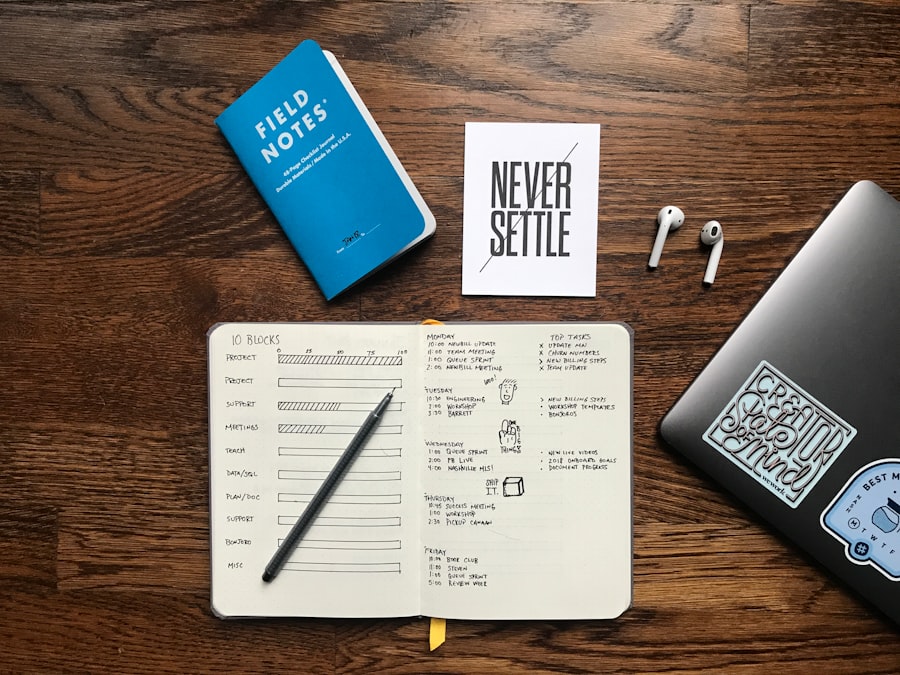
The digital age has bestowed upon you a veritable toolbox of applications and software designed to streamline your workflow and enhance your productivity. However, the mere possession of these tools is insufficient; their judicious selection and implementation are paramount.
Embrace Task Management Systems
A robust task management system acts as your digital assistant, organizing your to-do list, setting reminders, and facilitating progress tracking.
Project Management Software
For complex projects involving multiple stakeholders and dependencies, consider using dedicated project management software. These platforms offer features like timeline visualization, resource allocation, and collaborative tools.
Simple To-Do Lists and Apps
For individual tasks and smaller projects, a well-chosen to-do list app or even a physical notebook can be highly effective. The key is consistency and integration into your daily routine.
Automate Repetitive Tasks
Many of the tasks you perform on a recurring basis are prime candidates for automation. Freeing yourself from these mundane chores allows you to dedicate your cognitive resources to more challenging and rewarding activities.
Utilize Email Filters and Rules
Set up filters and rules in your email client to automatically sort incoming messages, archive read items, and flag important communications. This reduces the time spent manually managing your inbox.
Explore Workflow Automation Tools
Investigate tools that allow you to create automated workflows between different applications. For instance, you can set up a system where a new entry in a spreadsheet automatically creates a task in your project management software. This is like building an intricate clockwork mechanism where each gear turns the next with precision.
If you’re looking for effective strategies to enhance your efficiency, you might find it helpful to explore a related article that delves into various techniques to boost productivity. One such resource can be found at Productive Patty, where you’ll discover insightful tips and methods that can help you manage your time better and achieve your goals more effectively. Implementing these strategies can lead to significant improvements in both your personal and professional life.
Prioritizing Well-being: The Sustainable Engine of Productivity
| Method | Description | Estimated Productivity Increase | Time to Implement |
|---|---|---|---|
| Time Blocking | Scheduling specific blocks of time for focused work on tasks. | 20-30% | 1-2 days |
| Pomodoro Technique | Working in 25-minute intervals followed by short breaks. | 15-25% | Immediate |
| Task Prioritization (Eisenhower Matrix) | Organizing tasks by urgency and importance to focus on what matters most. | 25-35% | 1 day |
| Minimizing Distractions | Reducing interruptions by turning off notifications and creating a quiet workspace. | 30-40% | Immediate |
| Regular Breaks | Taking short breaks to rest and recharge during work sessions. | 10-20% | Immediate |
| Using Productivity Tools | Leveraging apps and software for task management and automation. | 20-30% | 1-3 days |
| Setting SMART Goals | Creating Specific, Measurable, Achievable, Relevant, and Time-bound objectives. | 15-25% | 1 day |
The relentless pursuit of productivity without regard for your physical and mental well-being is ultimately unsustainable. You are not a machine; you are a complex organism, and neglecting your fundamental needs will inevitably lead to burnout, diminished capacity, and a decline in the very productivity you seek to enhance.
Ensure Adequate Sleep and Rest
Sleep is not a luxury; it is a biological imperative. During sleep, your brain consolidates memories, repairs tissues, and recharges its cognitive capabilities. Chronic sleep deprivation impairs your ability to concentrate, make decisions, and manage stress.
Establish a Consistent Sleep Schedule
Aim for 7-9 hours of quality sleep per night. Going to bed and waking up at roughly the same time each day, even on weekends, helps regulate your body’s natural sleep-wake cycle.
Create a Restful Sleep Environment
Ensure your bedroom is dark, quiet, and cool. Minimize exposure to electronic screens for at least an hour before bedtime, as the blue light emitted can interfere with melatonin production.
Incorporate Regular Physical Activity
Physical exercise is a powerful antidote to the sedentary nature of many modern jobs. It boosts energy levels, improves mood, and enhances cognitive function.
Short Bursts of Movement
Even short periods of physical activity, such as a brisk walk during your lunch break or taking the stairs instead of the elevator, can have a significant positive impact.
Mindful Movement Practices
Consider incorporating practices like yoga or tai chi, which combine physical movement with mindfulness and stress reduction techniques.
Practice Mindful Breaks and Stress Management
The adage “all work and no play makes Jack a dull boy” holds true in the realm of productivity. Regular breaks are not a sign of weakness but a crucial component of sustained high performance.
The Pomodoro Technique
This time management method involves working in focused intervals (typically 25 minutes) followed by short breaks (5 minutes). After several intervals, you take a longer break. This structured approach prevents mental fatigue and maintains focus.
Engage in Stress-Reducing Activities
Identify activities that help you de-stress and recharge. This might include meditation, spending time in nature, listening to music, or engaging in a hobby. These are not mere diversions; they are vital maintenance for your cognitive and emotional engine.
By implementing these ten strategies, you are not merely adopting a set of techniques; you are cultivating a proactive and intentional approach to your work. You are transforming your relationship with your time, your environment, and your own capabilities, ultimately empowering yourself to achieve a higher, more sustainable level of productivity.
FAQs
What are some effective ways to boost productivity?
Effective ways to boost productivity include setting clear goals, prioritizing tasks, minimizing distractions, taking regular breaks, and using tools like to-do lists or productivity apps.
How does time management impact productivity?
Time management helps allocate specific time slots for tasks, reducing procrastination and ensuring important activities are completed efficiently, which significantly enhances overall productivity.
Can taking breaks really improve productivity?
Yes, taking regular breaks helps prevent burnout, maintains focus, and improves mental clarity, leading to better performance and increased productivity over time.
What role does a healthy lifestyle play in productivity?
A healthy lifestyle, including proper nutrition, regular exercise, and adequate sleep, boosts energy levels and cognitive function, which are essential for maintaining high productivity.
Are productivity tools and apps beneficial?
Productivity tools and apps can be very beneficial as they help organize tasks, set reminders, track progress, and reduce time spent on repetitive activities, thereby enhancing efficiency.