
As you navigate the complex systems of modern life, you are inherently and constantly engaged in human connection, whether you are consciously aware of it or not. From the brief exchange with a barista to a collaborative project with colleagues, these interactions shape your experiences, influence your decisions, and ultimately impact your productivity. To understand this intricate dance, you must delve into the neurological underpinnings that govern your social behaviors and their subsequent effects on your work output. This exploration will reveal the powerful, yet often overlooked, relationship between your brain’s social circuitry and your ability to achieve goals.
Your brain is not a solitary organ; it is a social organ, meticulously wired to perceive, interpret, and respond to the presence of others. This “social brain” is not a single anatomical region but an intricate network of interconnected areas that work in concert to facilitate your social interactions.
The Default Mode Network (DMN) and Its Social Role
When you are not focused on an external task, your brain often defaults to a state of internal reflection and self-referential thought. This is largely mediated by the Default Mode Network (DMN), a group of brain regions including the medial prefrontal cortex, posterior cingulate cortex, and angular gyrus. While traditionally associated with self-reflection and mind-wandering, the DMN also plays a crucial role in social cognition. When you consider the thoughts, feelings, and intentions of others, or when you recall past social interactions, your DMN becomes highly active. It acts as a mental stage where you simulate social scenarios, predict outcomes, and process the nuances of human relationships. Think of it as your brain’s internal social simulator, constantly running scenarios and updating its understanding of the social world around you.
The Mirror Neuron System: Empathy’s Neural Foundation
A cornerstone of your social cognition is the mirror neuron system. Located in areas like the premotor cortex and inferior parietal lobule, these remarkable neurons fire both when you perform an action and when you observe another person performing the same action. This mirroring extends beyond physical movements to encompass emotional states. When you witness someone expressing joy or pain, your mirror neurons activate, creating a resonance within your own brain that allows you to instinctively feel a semblance of their experience. This is not merely an intellectual understanding, but a visceral, embodied form of empathy. The mirror neuron system is the neural substrate that allows you to “walk in someone else’s shoes,” forming the bedrock of your ability to understand and connect with others on a fundamental level. Without this system, your capacity for empathy and social understanding would be severely diminished, rendering human connection a purely intellectual exercise rather than an emotional engagement.
Theory of Mind: Deciphering Other People’s Mental States
Beyond simply mirroring emotions, you possess a sophisticated cognitive ability known as Theory of Mind (ToM) – the capacity to attribute mental states (beliefs, desires, intentions, knowledge) to yourself and to others. This allows you to understand that other people have their own perspectives, which may differ from your own. Key brain regions involved in ToM include the temporoparietal junction, superior temporal sulcus, and medial prefrontal cortex. ToM enables you to predict others’ behaviors, understand their motives, and tailor your own actions accordingly. Consider a negotiation: your ability to anticipate your counterpart’s strategy and adapt your own is directly dependent on your ToM. It’s like having a mental roadmap of another person’s potential internal landscape, allowing you to navigate social interactions with greater precision and effectiveness.
Recent studies in the neuroscience of human connection have shown that fostering strong interpersonal relationships can significantly enhance productivity in both personal and professional settings. For a deeper understanding of this topic, you can explore the article available at Productive Patty, which discusses how social interactions and emotional bonds can lead to improved focus and creativity.
The Neurochemistry of Connection: Hormones of Trust and Bonding
Your brain’s ability to facilitate connection is not solely a matter of neural networks; it is also profoundly influenced by a complex interplay of neurochemicals that mediate your social experiences. These biochemical messengers act as accelerators or brakes on your social interactions.
Oxytocin: The “Love Hormone” and Its Prosocial Effects
Perhaps the most well-known neurochemical associated with human connection is oxytocin, often dubbed the “love hormone” or “bonding hormone.” Released from the pituitary gland, oxytocin plays a critical role in maternal bonding, pair bonding, and social recognition. When you engage in positive social interactions – a warm embrace, a sincere compliment, or a collaborative effort – your oxytocin levels tend to rise. This increase promotes trust, reduces anxiety, and enhances your willingness to cooperate. Imagine a team meeting where trust is high; oxytocin is likely playing a behind-the-scenes role, facilitating open communication and a shared sense of purpose. Conversely, a lack of trust can be partly attributed to diminished oxytocin release or reduced sensitivity to its effects.
Dopamine: The Reward System and Social Engagement
Dopamine, a neurotransmitter associated with reward and motivation, also plays a significant role in fostering social connections. Positive social interactions and the anticipation of such interactions can trigger dopamine release in your brain’s reward pathways, such as the ventral tegmental area and nucleus accumbens. This creates a positive feedback loop: when you experience a rewarding social interaction, your brain registers it as pleasurable, thereby motivating you to seek out similar interactions in the future. This dopamine-driven reward system reinforces your prosocial behaviors, making you more inclined to engage in collaborative work, networking, and community building. Think of it as the brain’s internal “thumbs up” signal for social success, prompting you to repeat actions that led to positive social outcomes.
Serotonin: Mood Regulation and Social Harmony
Serotonin, a neurotransmitter primarily known for its role in mood regulation, also contributes to your capacity for social connection. Optimal serotonin levels are associated with feelings of well-being, calmness, and social cooperativeness. Disruptions in serotonin pathways, as seen in certain mood disorders, can lead to social withdrawal and difficulties in navigating social situations. Sufficient serotonin allows you to approach social interactions with a balanced emotional state, facilitating smoother communication and reducing the likelihood of conflict. It acts as a kind of emotional stabilizer, ensuring that your social interactions are not unduly swayed by irrational anxieties or aggressive impulses.
The Impact on Productivity: How Connection Fuels Performance
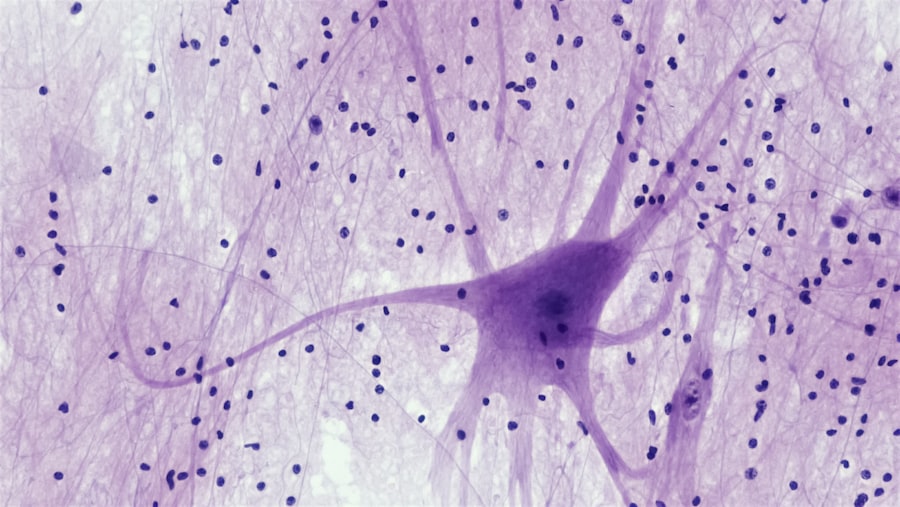
The intricate tapestry of your social brain and its neurochemical underpinnings directly translates into tangible effects on your productivity. When your need for connection is met, your cognitive resources are optimized, leading to improved performance across various domains.
Enhanced Cognitive Function and Problem Solving
When you feel connected and supported, your cognitive functions are boosted. Studies show that individuals who experience strong social bonds exhibit better memory, attention, and executive function. This translates directly into your work. Collaboration, when fostered by genuine connection, allows for a synergistic exchange of ideas, leading to more innovative solutions and efficient problem-solving. Think of it as a cognitive amplification: when minds are truly connected, the sum of their intellectual power far exceeds individual contributions. A supportive team environment, where individuals feel safe to express ideas and challenge assumptions, leads to richer discussions and more robust outcomes.
Reduced Stress and Burnout
Chronic stress is a significant impediment to productivity, diminishing your cognitive abilities and leading to burnout. Human connection acts as a powerful buffer against stress. When you have a strong social support network, you have outlets for emotional processing, opportunities for reassurance, and shared coping mechanisms. The act of confiding in a trusted colleague or receiving encouragement can significantly reduce the physiological markers of stress, such as cortisol levels. This reduction in stress frees up cognitive resources that would otherwise be consumed by anxiety and worry, allowing you to focus more effectively on your tasks. Consider the deleterious effects of isolation: loneliness is a stressor in itself, further exacerbating other forms of stress and ultimately crippling productivity.
Increased Motivation and Engagement
Your innate need for belonging and social validation is a potent motivator. When you feel valued, respected, and part of a cohesive unit, your motivation to contribute and excel significantly increases. This is particularly evident in team-based environments where a shared sense of purpose and mutual accountability can drive individuals to achieve higher levels of performance than they might alone. This isn’t about external rewards; it’s about the intrinsic satisfaction derived from contributing to a collective goal and being recognized for your efforts within a supportive social context. When you feel truly connected to your work and your colleagues, your engagement deepens, transforming tasks from mere obligations into meaningful contributions.
Strategies for Fostering Connection and Boosting Productivity
Understanding the neuroscience of connection is not merely an academic exercise; it provides you with actionable insights to cultivate environments that enhance both well-being and productivity.
Cultivating Empathy and Active Listening
To foster genuine connection, you must actively cultivate empathy. This involves making a conscious effort to understand the perspectives and emotional states of others. Active listening, a cornerstone of empathy, requires you to fully concentrate on what another person is saying, both verbally and non-verbally, without interrupting or formulating your own response prematurely. By doing so, you validate their experience, strengthen the bond, and create a space for open communication. Think of it as building a bridge between your cognitive landscape and theirs, allowing for a smoother flow of information and understanding. Asking open-ended questions and reflecting back what you’ve heard are practical techniques to enhance your active listening skills.
Promoting Psychological Safety in Work Environments
Psychological safety, a concept popularized by Amy Edmondson, refers to a belief that one will not be punished or humiliated for speaking up with ideas, questions, concerns, or mistakes. In a psychologically safe environment, individuals feel comfortable taking interpersonal risks, sharing vulnerabilities, and offering diverse perspectives without fear of negative repercussions. This significantly enhances collaborative problem-solving and innovation. When you feel psychologically safe, your brain’s threat response systems (like the amygdala) are less active, allowing your prefrontal cortex – responsible for higher-order thinking – to function optimally. Leaders and team members play a crucial role in establishing and maintaining psychological safety by modeling vulnerability, encouraging open dialogue, and responding constructively to errors.
Encouraging Social Interaction Beyond Task-Oriented Work
While task-oriented collaboration is essential, it is equally important to encourage informal social interactions that allow for the development of genuine human connection. This might include team lunches, coffee breaks, social events, or even brief non-work-related conversations before meetings. These seemingly casual interactions are not idle time; they are crucial opportunities for individuals to build rapport, discover common interests, and strengthen social bonds. These informal connections lay the groundwork for trust and mutual understanding, which then translate into more effective and productive collaboration when addressing work-related challenges. Think of it as fertilizing the social soil, allowing stronger relationships to grow and flourish.
Recent studies in the neuroscience of human connection have revealed fascinating insights into how our relationships can significantly enhance productivity in the workplace. For those interested in exploring this topic further, an insightful article on this subject can be found at Productive Patty, where the connection between social interactions and increased efficiency is discussed in depth. Understanding these dynamics can help individuals and organizations foster a more collaborative environment, ultimately leading to greater success.
The Risks of Disconnection: A Barrier to Optimal Performance
| Metric | Description | Neuroscience Insight | Impact on Productivity |
|---|---|---|---|
| Oxytocin Levels | Hormone linked to bonding and trust | Increased oxytocin enhances social bonding and cooperation | Higher oxytocin correlates with improved teamwork and collaboration |
| Mirror Neuron Activation | Neurons that fire during observation of others’ actions | Facilitates empathy and understanding in social interactions | Boosts communication efficiency and reduces misunderstandings |
| Prefrontal Cortex Engagement | Brain region involved in decision-making and social behavior | Active during complex social interactions and emotional regulation | Enhances problem-solving and conflict resolution in teams |
| Cortisol Reduction | Stress hormone that affects cognitive function | Positive social connections lower cortisol levels | Reduced stress improves focus, creativity, and productivity |
| Heart Rate Synchrony | Physiological alignment between individuals during interaction | Indicates emotional connection and rapport | Promotes trust and smoother collaboration among team members |
Just as connection fuels productivity, its absence can severely impede it. Disconnection, whether experienced as isolation, loneliness, or a lack of belonging, has profound negative consequences for both individuals and organizations.
Cognitive Decline and Reduced Focus
Chronic social isolation can lead to a state of cognitive distress, diminishing your ability to concentrate, remember information, and make sound decisions. The brain, starved of social input, can become less efficient. When you feel disconnected, your brain may allocate more resources to monitoring for social threats or dwelling on feelings of isolation, diverting precious cognitive energy away from task-related demands. This can manifest as difficulty focusing during meetings, making errors on routine tasks, or a general feeling of mental fog. The absence of social interaction is not merely an emotional void; it is a cognitive drain.
Increased Stress and Health Problems
Loneliness and social isolation are significant stressors, comparable in their physiological impact to smoking or obesity. Prolonged periods of disconnection lead to elevated levels of stress hormones, which can have detrimental effects on your cardiovascular system, immune function, and mental health. This chronic stress can manifest as anxiety, depression, and a heightened risk of burnout. In a work context, these health issues translate directly into increased absenteeism, reduced creativity, and a decline in overall performance. Your body and mind are designed for connection; without it, they suffer.
Decreased Motivation and Turnover
When you feel disconnected from your colleagues or your organization, your motivation to contribute and your sense of loyalty tend to wane. A lack of social support and belonging can lead to apathy, disengagement, and ultimately, a desire to seek employment elsewhere. High employee turnover is not only costly but also disruptive to team cohesion and project continuity. A workforce that feels isolated is a workforce awaiting departure. Conversely, a strong sense of community and belonging acts as a powerful retention tool, keeping valuable talent invested and engaged.
In conclusion, your brain is a social marvel, intricately designed to connect with others. This inherent drive for connection is not merely a social nicety; it is a fundamental determinant of your productivity, well-being, and overall success. By understanding the neuroscience behind your social interactions, you gain a powerful lens through which to optimize your personal and professional life. You have the capacity to intentionally cultivate environments that foster genuine connection, thereby unlocking your full cognitive potential and achieving heightened levels of performance. Embrace your social nature, for within it lies a powerful key to unlocking unparalleled productivity.
FAQs
What is the neuroscience of human connection?
The neuroscience of human connection studies how brain activity and neural processes influence social interactions, relationships, and emotional bonds between individuals. It explores how connections with others impact brain function and overall well-being.
How does human connection affect productivity?
Human connection can enhance productivity by improving motivation, collaboration, and emotional support. Positive social interactions release neurochemicals like oxytocin and dopamine, which reduce stress and increase focus, creativity, and engagement at work.
Which brain regions are involved in human connection?
Key brain regions involved in human connection include the prefrontal cortex (decision-making and social behavior), amygdala (emotional processing), and the mirror neuron system (empathy and understanding others’ actions). These areas work together to facilitate social bonding and communication.
Can loneliness impact brain function and productivity?
Yes, loneliness can negatively affect brain function by increasing stress hormones like cortisol, impairing cognitive performance, and reducing motivation. Chronic loneliness is linked to decreased productivity and poorer mental and physical health outcomes.
How can workplaces foster better human connection to boost productivity?
Workplaces can foster human connection by encouraging teamwork, open communication, and social support networks. Creating environments that promote trust, empathy, and positive interactions helps activate neural pathways associated with collaboration and productivity.