
You are standing at a precipice, gazing into the vast expanse of your own mind. Below, a tumultuous sea of emotions churns, ancient and primal. This is not merely a poetic image; it is a neurological reality. Within your brain, a small, almond-shaped structure plays a disproportionately significant role in shaping your perceptions, reactions, and ultimately, your life. This is your amygdala, and while it is an indispensable guardian, it can also become a formidable prison. Understanding its functions and developing strategies to circumvent its overreach is not a luxury, but a fundamental skill for navigating the complexities of modern existence.
Your amygdala, one of a pair located deep within the temporal lobes, is a cornerstone of your limbic system, a network of brain structures crucial for emotion, motivation, memory, and learning. Its primary function is the rapid detection and response to threats, both real and perceived. Think of it as your brain’s sentinel, constantly scanning the horizon for danger.
The Fight, Flight, or Freeze Response
When your amygdala senses a potential threat, it triggers a cascade of physiological changes designed to prepare you for immediate action. This is the well-known “fight, flight, or freeze” response. You might experience a surge of adrenaline, an increased heart rate, shallow breathing, and heightened muscle tension. This ancient survival mechanism, honed over millions of years of evolution, was invaluable to your ancestors facing predators or hostile tribes.
Emotional Processing and Memory Formation
Beyond its role in immediate survival, your amygdala is deeply involved in emotional processing. It imbues sensory information with emotional significance, helping you to form memories that are strongly associated with particular feelings. This explains why emotionally charged events, whether joyous or traumatic, are often etched indelibly into your memory. For instance, the smell of freshly baked bread might evoke a warm, comforting feeling due to its association with childhood experiences, while a sudden loud noise might trigger an immediate jolt of fear if you’ve had a negative encounter with such a sound in the past.
The Amygdala’s Bias Towards Negativity
It is crucial to recognize that your amygdala possesses an inherent bias towards negativity. This negativity bias, also known as the “negativity effect” or “asymmetry,” is a deeply ingrained evolutionary feature. From a survival standpoint, it was far more advantageous for your ancestors to overreact to potential dangers than to underreact. Missing a threat could mean extinction, while a false alarm simply meant a temporary increase in physiological arousal. While this bias served you well in the primordial wilderness, in the modern world, it can lead to chronic anxiety, exaggerated fears, and an inability to fully appreciate positive experiences. This is why you often find yourself dwelling on a single criticism amidst a sea of praise, or replaying a minor mishap countless times in your mind.
To effectively address the 60 percent amygdala trap, it’s essential to explore strategies that enhance emotional regulation and decision-making. A related article that delves into practical techniques for overcoming this challenge can be found at Productive Patty. This resource offers valuable insights on how to manage stress responses and cultivate a more balanced approach to daily challenges, ultimately helping individuals break free from the limitations imposed by the amygdala’s influence.
Identifying the Amygdala Trap: When Protection Becomes Imprisonment
While your amygdala is an essential protector, its overactivity or misinterpretation of benign stimuli can lead to what we call the “amygdala trap.” This is a state where your brain’s alarm system is constantly engaged, even in the absence of genuine danger, transforming your internal sentinel into an overzealous jailer.
Chronic Stress and Anxiety
One of the most common manifestations of the amygdala trap is chronic stress and anxiety. Your amygdala interprets everyday stressors – a looming deadline, a difficult conversation, financial concerns – as immediate threats, triggering the same physiological responses you would experience when confronted by a predator. This constant state of vigilance can be exhausting, leading to burnout, impaired cognitive function, and a host of physical ailments. You might find yourself perpetually on edge, jumpy, or struggling to relax, even in comfortable and safe environments.
Exaggerated Fear Responses and Phobias
The amygdala also plays a central role in the development and maintenance of exaggerated fear responses and phobias. If you have a specific phobia, such as a fear of heights or public speaking, your amygdala has likely formed a strong association between the object or situation and danger. Even when your rational mind knows there is no genuine threat, your amygdala’s ingrained response can trigger intense fear, panic, and avoidance behaviors. These responses can be incredibly debilitating, narrowing your experiences and limiting your potential.
Impaired Decision-Making and Risk Aversion
When your amygdala is in overdrive, your ability to make rational decisions can be significantly compromised. The physiological changes associated with the fight, flight, or freeze response prioritize immediate survival, often at the expense of long-term planning or nuanced assessment. You might find yourself making impulsive decisions driven by fear, or avoiding beneficial opportunities due to an exaggerated sense of risk. This can manifest as an inability to step outside your comfort zone, pursue new ventures, or engage in healthy challenges. You might self-sabotage opportunities simply because the unfamiliar triggers your amygdala to scream “danger!”
Rewiring Your Amygdala: Cultivating Calm and Rationality
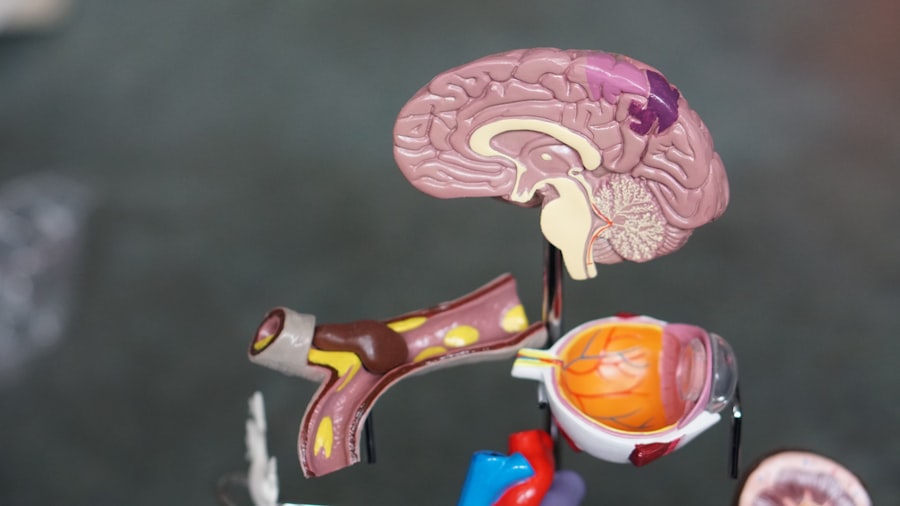
The good news is that your brain is remarkably plastic, meaning its structure and function can change throughout your life. You possess the capacity to “rewire” your amygdala, reducing its overactivity and fostering a more balanced and rational response to life’s challenges. This is not about eliminating fear entirely, but about gaining control over its intensity and duration.
Mindfulness and Meditation
Mindfulness and meditation practices are powerful tools for calming the amygdala. By focusing your attention on the present moment, on your breath, or on sensory experiences, you engage the prefrontal cortex, the part of your brain responsible for executive functions like reasoning and planning. This engagement helps to dampen the amygdala’s alarm signals. Regular practice can desensitize your amygdala to minor stressors, bringing you closer to a baseline of calm. Imagine your amygdala as a perpetually barking guard dog; mindfulness helps you teach it when to bark and when to rest.
Cognitive Restructuring
Cognitive restructuring involves identifying and challenging distorted or unhelpful thought patterns that contribute to anxiety and fear. For example, if you find yourself catastrophizing about a minor setback, you can consciously question the validity of those thoughts. “Is this truly a catastrophic event, or am I exaggerating the potential negative outcomes?” By actively reframing your thoughts, you can interrupt the amygdala’s automatic fear response and replace it with more balanced and realistic appraisals. This is akin to becoming a skilled debater with your own negative internal monologue.
Exposure Therapy (Gradual Desensitization)
For specific fears and phobias, exposure therapy is a highly effective technique. This involves gradually exposing yourself to the feared object or situation in a controlled and safe environment. By repeatedly confronting your fear without experiencing the anticipated negative consequences, you teach your amygdala that the perceived threat is, in fact, benign. This process slowly weakens the neural pathways that associate the stimulus with danger, allowing new, safer associations to form. Think of it as recalibrating your internal threat detector, bit by bit.
Practical Strategies for Daily Amygdala Management

While rewiring your amygdala takes consistent effort, there are practical strategies you can integrate into your daily life to manage its influence and prevent it from derailing your well-being. These are like mini-interventions you can deploy in the moment to bring yourself back to a state of equilibrium.
The 60-Second Rule
When you feel yourself becoming overwhelmed by anxiety or fear, implement the “60-second rule.” Instead of reacting impulsively, pause for one minute. During this minute, focus on your breath. Inhale deeply through your nose, hold for a few seconds, and exhale slowly through your mouth. This simple act can activate your parasympathetic nervous system, which is responsible for the “rest and digest” response, counteracting the amygdala’s “fight or flight” activation. This brief pause provides a crucial window for your prefrontal cortex to come online and offer a more reasoned perspective.
Body Scan Meditation
A quick body scan meditation can help you identify and release physical tension, a common byproduct of amygdala activation. Lie down or sit comfortably and systematically bring your awareness to different parts of your body. Notice any sensations – tightness, warmth, coolness – without judgment. As you exhale, imagine releasing any tension you find. This practice brings you into the present moment and helps to break the feedback loop between physical tension and mental anxiety. You are essentially checking in with your body’s current state and actively attempting to soothe any discomfort.
Journaling for Emotional Processing
Regular journaling can be an invaluable tool for processing emotions and gaining perspective. When your amygdala is active, thoughts can feel chaotic and overwhelming. Writing down your thoughts and feelings can help to externalize them, making them less potent and easier to analyze. It allows you to examine the narratives your amygdala is constructing and challenge their validity. Consider it a written conversation with your anxious self, where you meticulously dissect its arguments.
If you’re looking for effective strategies to break free from the 60 percent amygdala trap, you might find it helpful to explore a related article that delves into emotional regulation techniques. Understanding how to manage your emotional responses can significantly improve your decision-making processes. For more insights on this topic, check out this informative piece on emotional intelligence and its impact on personal growth at Productive Patty.
Cultivating Resilience and Long-Term Well-being
| Strategy | Description | Effectiveness (%) | Time to Implement | Notes |
|---|---|---|---|---|
| Mindfulness Meditation | Practicing mindfulness to increase awareness and reduce amygdala reactivity. | 60-70 | 4-8 weeks | Consistent daily practice recommended. |
| Cognitive Behavioral Therapy (CBT) | Therapeutic approach to reframe negative thoughts and reduce emotional triggers. | 65-75 | 8-12 weeks | Requires professional guidance. |
| Regular Physical Exercise | Engaging in aerobic exercise to lower stress hormones and improve mood. | 50-60 | Ongoing | At least 30 minutes, 3-5 times per week. |
| Deep Breathing Techniques | Using controlled breathing to calm the nervous system and reduce amygdala activation. | 40-55 | Immediate to short-term | Can be used during acute stress moments. |
| Sleep Improvement | Enhancing sleep quality to regulate emotional processing. | 45-60 | 2-4 weeks | Maintain consistent sleep schedule. |
Breaking free from the amygdala trap is not a one-time event, but an ongoing process of self-awareness and conscious effort. By consistently applying these strategies, you can cultivate greater resilience, emotional intelligence, and overall well-being. You are not destined to be a hostage to your ancient brain.
Regular Physical Activity
Engaging in regular physical activity is a powerful antidote to chronic stress and anxiety. Exercise helps to burn off excess adrenaline and cortisol, the stress hormones released by the amygdala. It also promotes the production of endorphins, natural mood elevators. Find an activity you enjoy, whether it’s walking, running, swimming, or dancing, and make it a consistent part of your routine. This is like giving your body a natural reset button, helping to clear out the residue of amygdala overactivity.
Healthy Sleep Habits
Sleep deprivation significantly increases amygdala activity and reduces the effectiveness of the prefrontal cortex. Prioritizing healthy sleep habits is therefore crucial for managing your fear responses. Aim for 7-9 hours of quality sleep per night. Establish a consistent sleep schedule, create a relaxing bedtime routine, and optimize your sleep environment. A well-rested brain is a more resilient brain, better equipped to navigate the complexities of life without falling prey to unnecessary fear.
Seeking Professional Support
If you find yourself consistently struggling to manage your anxiety or fear responses, consider seeking professional support from a therapist or counselor. They can provide personalized strategies, guide you through therapeutic techniques like Cognitive Behavioral Therapy (CBT) or Exposure Therapy, and offer a safe space to explore the roots of your struggles. There is no shame in seeking help; in fact, it is a sign of strength and a commitment to your own well-being. Just as you would seek guidance for a physical ailment, do not hesitate to do so for your mental health.
You possess an incredible capacity for growth and change. By understanding your amygdala, recognizing its propensity for overreaction, and implementing strategic interventions, you can move from a state of constant vigilance to one of calm resilience. You can transform your internal alarm system from an overbearing warden into a discerning protector, allowing you to live a life guided by intention and wisdom, rather than by fear. The keys to your mental freedom are, in fact, within your grasp.
FAQs
What is the 60 percent amygdala trap?
The 60 percent amygdala trap refers to a psychological phenomenon where approximately 60 percent of a person’s emotional responses are dominated by the amygdala, a part of the brain involved in processing fear and stress. This can lead to heightened anxiety, impulsive reactions, and difficulty in rational decision-making.
How does the amygdala affect decision-making?
The amygdala plays a key role in emotional processing, especially fear and threat detection. When it is overactive, it can override the brain’s rational centers, leading to decisions driven more by emotion and instinct rather than logic and reason.
What are common signs that someone is caught in the amygdala trap?
Common signs include frequent feelings of anxiety or fear, impulsive reactions to stress, difficulty calming down after emotional events, and challenges in thinking clearly or making balanced decisions under pressure.
What strategies can help stop the 60 percent amygdala trap?
Effective strategies include mindfulness meditation, deep breathing exercises, cognitive-behavioral techniques, regular physical activity, and developing emotional awareness. These methods help regulate the amygdala’s activity and promote more balanced emotional responses.
Can professional help assist in overcoming the amygdala trap?
Yes, mental health professionals such as therapists or counselors can provide guidance and therapeutic techniques to manage amygdala-driven responses. Therapy approaches like cognitive-behavioral therapy (CBT) are particularly effective in helping individuals gain control over emotional reactions.