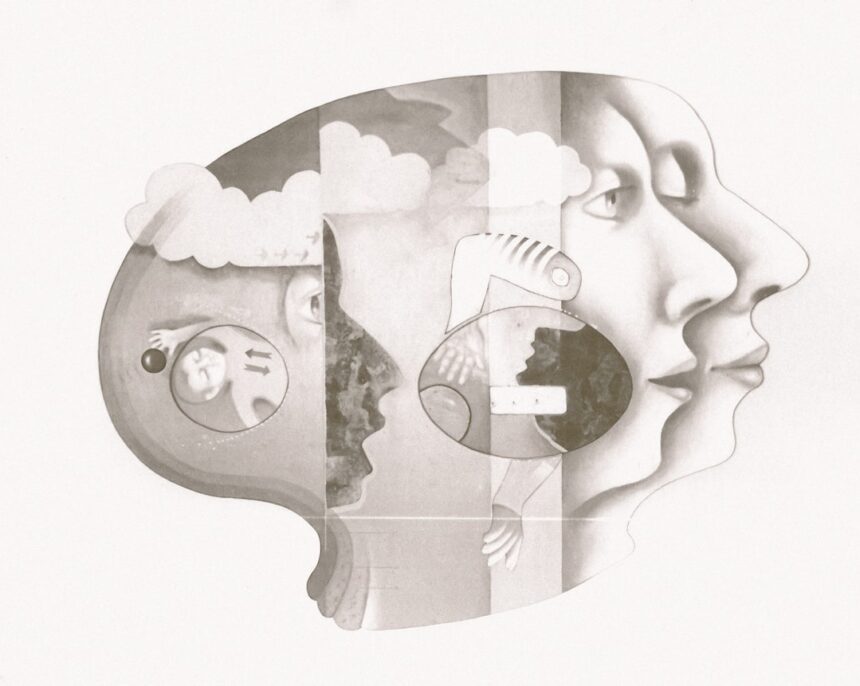
Burnout is a state of emotional, physical, and mental exhaustion caused by prolonged or excessive stress. It is characterized by feelings of cynicism, detachment, and a sense of ineffectiveness. This article will explore neuroscience-based approaches to recovering from burnout, offering a structured understanding of the biological underpinnings of this condition and outlining strategies informed by current scientific research. You will learn how your brain has been affected by burnout and how you can retrain it for recovery.
Burnout signals that your nervous system has been operating in a prolonged state of high alert, akin to a car engine running at its redline for an extended duration. This constant activation of the sympathetic nervous system, responsible for the “fight or flight” response, leads to a cascade of physiological and neurological changes that can deplete your resources.
The Sympathetic and Parasympathetic Balance
Your autonomic nervous system operates on a delicate balance between two branches: the sympathetic nervous system (SNS) and the parasympathetic nervous system (PNS). The SNS mobilizes your body for action in response to perceived threats, releasing hormones like adrenaline and cortisol. While vital for survival, chronic activation of the SNS overrides the PNS, which is responsible for rest, digestion, and repair. This imbalance can lead to a persistent state of physiological arousal, hindering your body’s ability to recover and recharge.
- Sympathetic Overdrive: In burnout, the SNS is persistently engaged. This means your heart rate remains elevated, your breathing shallow, and your muscles tense. Over time, this chronic state of readiness can lead to physical symptoms like headaches, digestive issues, and sleep disturbances.
- Parasympathetic Depletion: The PNS, your body’s “rest and digest” system, struggles to regain dominance when the SNS is in overdrive. This leaves you feeling unable to relax, even when the external stressors have subsided. Your capacity for renewal and recovery is significantly diminished.
The Impact on Neurotransmitters
Neurotransmitters are chemical messengers that play a crucial role in regulating mood, motivation, and cognitive function. Burnout can disrupt the delicate balance of these neurotransmitters, contributing to the characteristic symptoms of the condition.
- Cortisol and the HPA Axis: Chronic stress elevates cortisol, a stress hormone produced by the hypothalamic-pituitary-adrenal (HPA) axis. While cortisol has beneficial short-term effects, prolonged elevation can impair cognitive function, disrupt sleep, and suppress the immune system. In burnout, the HPA axis can become dysregulated, leading to erratic cortisol levels.
- Dopamine and Motivation: Dopamine is associated with pleasure, reward, and motivation. Chronic stress can deplete dopamine levels, leading to anhedonia (the inability to feel pleasure), a lack of motivation, and feelings of apathy, all hallmarks of burnout. Your brain’s reward pathways are essentially running on fumes.
- Serotonin and Mood Regulation: Serotonin is linked to mood stability and well-being. Fluctuations in serotonin levels can contribute to feelings of sadness, irritability, and anxiety, common in burnout.
- Norepinephrine: Alertness and Focus: Norepinephrine, involved in alertness and focus, can also be affected. While initially helpful in a stressful situation, prolonged high levels can contribute to hypervigilance and difficulty concentrating.
Brain Structure and Function Changes
Emerging neuroscience research suggests that prolonged stress can lead to structural and functional changes in the brain. These changes can impact areas responsible for emotion regulation, decision-making, and memory.
- Amygdala Hyperactivity: The amygdala, the brain’s fear center, can become hyperactive under chronic stress, leading to heightened anxiety and a propensity to perceive threats.
- Prefrontal Cortex Impairment: The prefrontal cortex (PFC), responsible for executive functions such as planning, decision-making, and impulse control, can be negatively affected by chronic stress. This can manifest as difficulty concentrating, impaired judgment, and an increased tendency to make impulsive decisions. Think of it as the brain’s command center becoming foggy and less efficient.
- Hippocampus Atrophy: The hippocampus, crucial for memory formation and retrieval, can also be vulnerable to chronic stress, potentially leading to memory problems.
If you’re looking to understand the neuroscience behind recovering from burnout, you might find the article on Productive Patty particularly insightful. It delves into the brain’s response to stress and offers practical strategies for rejuvenation. To explore these concepts further, you can read the article here: How to Recover from Burnout: A Neuroscience Perspective.
The Pillars of Neuroscience-Based Burnout Recovery
Recovering from burnout is not merely about taking a vacation; it involves a deliberate and scientifically informed approach to retraining your brain and restoring its optimal functioning. This involves addressing the physiological and neurological imbalances caused by prolonged stress.
Rebalancing the Autonomic Nervous System
The first step in recovery is to shift your nervous system out of its chronic state of sympathetic arousal and back towards a more balanced state where the parasympathetic nervous system can take the lead. This is akin to gently coaxing a tightly wound spring to relax.
- Mindfulness and Meditation: Regular mindfulness and meditation practices have been shown to increase parasympathetic activity, reduce cortisol levels, and promote a sense of calm. By anchoring your attention to the present moment, you interrupt the cycle of rumination and worry that fuels stress. Even short, consistent sessions can begin to recalibrate your nervous system.
- Deep Breathing Exercises: Simple yet potent, deep diaphragmatic breathing directly stimulates the vagus nerve, a key component of the parasympathetic nervous system. Practicing techniques like box breathing or resonant breathing can quickly decrease heart rate and blood pressure, inducing a state of relaxation.
- Progressive Muscle Relaxation: This technique involves systematically tensing and releasing different muscle groups. By consciously engaging and then releasing muscular tension, you become more attuned to your body’s stress signals and learn to actively promote relaxation.
Restoring Neurotransmitter Balance
As your nervous system rebalances, you can begin to support the natural restoration of essential neurotransmitters. This involves creating a supportive environment for your brain.
- Nutrition for Brain Health: A balanced diet rich in omega-3 fatty acids, antioxidants, and B vitamins is crucial for neurotransmitter production and overall brain function. Foods like fatty fish, berries, leafy greens, and whole grains can be beneficial. Avoid processed foods and excessive sugar, which can exacerbate inflammation and disrupt neurotransmitter balance.
- Regular Physical Activity: While overexertion can worsen burnout, moderate and consistent exercise has been shown to boost mood-boosting neurotransmitters like endorphins, serotonin, and dopamine. It can also help regulate cortisol levels. Choose activities you enjoy and that feel sustainable, rather than pushing yourself to extremes. Walking in nature, gentle yoga, or swimming can be excellent choices.
- Adequate Sleep Hygiene: Sleep is critical for brain repair and neurotransmitter regulation. Prioritizing 7-9 hours of quality sleep per night is paramount. Establishing a regular sleep schedule, creating a relaxing bedtime routine, and optimizing your sleep environment (dark, quiet, cool) are essential components of recovery. Poor sleep is a major impediment to neurotransmitter restoration.
Neuroplasticity and Cognitive Restructuring
Burnout can create rigid, negative thought patterns, a phenomenon often linked to changes in the prefrontal cortex. The good news is that your brain is remarkably adaptable, a concept known as neuroplasticity. Recovery involves actively rewiring these negative pathways.
- Cognitive Behavioral Therapy (CBT): CBT is a well-established therapeutic approach that helps identify and challenge unhelpful thought patterns and beliefs. By learning to recognize cognitive distortions (e.g., all-or-nothing thinking, catastrophizing), you can begin to replace them with more balanced and realistic perspectives. This is like learning to debug faulty code in your brain’s operating system.
- Setting Healthy Boundaries: A fundamental aspect of preventing and recovering from burnout is learning to set and maintain healthy boundaries. This involves clearly defining your limits regarding work, social commitments, and personal time, and communicating them effectively to others. Say “no” to commitments that will deplete your already limited resources.
- Cultivating Self-Compassion: Burnout often breeds self-criticism and a feeling of inadequacy. Practicing self-compassion involves treating yourself with the same kindness, understanding, and acceptance you would offer a dear friend. This shifts your internal dialogue from one of judgment to one of support, crucial for emotional healing.
Practical Strategies for Brain Retraining

Implementing the principles of neuroscience-based recovery requires consistent effort and a structured approach. These strategies are designed to actively engage your brain in processes that promote healing and resilience.
Daily Practices for Nervous System Regulation
Integrating daily practices that favor the parasympathetic nervous system is not a luxury; it’s a necessity for burnout recovery. These are the small, consistent actions that rebuild your internal foundation.
- Mindful Moments Throughout the Day: You don’t need to set aside large blocks of time for mindfulness. Instead, incorporate brief moments of awareness into your daily routine. For example, savor your morning coffee, pay attention to the sensation of water while washing your hands, or take a few deep breaths before switching tasks. These small pauses can interrupt the stress response.
- Scheduled Relaxation Time: Deliberately schedule periods of unstructured relaxation into your day. This could be reading a book, listening to calming music, spending time in nature, or engaging in a gentle hobby. Treat this time as non-negotiable, just as you would a work meeting. This actively signals to your brain that it is safe to relax.
- Gratitude Practices: Regularly reflecting on things you are grateful for, big or small, can shift your focus away from stressors and promote positive emotions. Keeping a gratitude journal or simply taking a moment each evening to list a few things you appreciate can have a profound impact on your mental well-being. This actively retrains your brain to seek out the positive, counteracting the negativity bias often present in burnout.
Nutritional and Lifestyle Interventions
Your diet and lifestyle choices have a direct impact on your brain’s chemical environment and its ability to repair itself. Think of these as providing the essential building materials and the right operating conditions for your brain’s recovery.
- Hydration for Optimal Brain Function: Dehydration can impair cognitive function and exacerbate feelings of fatigue. Ensure you are drinking plenty of water throughout the day.
- Limiting Stimulants: While tempting, excessive caffeine and sugar can disrupt sleep and exacerbate anxiety, hindering recovery. Consider gradually reducing your intake.
- Gentle Movement and Exercise: Focus on movement that feels restorative rather than depleting. This could include walking, stretching, or gentle swimming. The goal is to increase circulation and release endorphins, not to push your body to its limits.
- Sunlight Exposure: Spending time in natural sunlight can help regulate your circadian rhythm, improve mood, and boost vitamin D levels, all of which are beneficial for brain health.
Cognitive and Emotional Regulation Techniques
Actively engaging with your thought processes and emotional responses is key to breaking free from the negative loops of burnout. This is about becoming a more skillful conductor of your internal orchestra.
- Journaling for Emotional Release: Writing down your thoughts and feelings can be a powerful tool for processing emotions, identifying triggers, and gaining clarity. It provides an external space to untangle complex feelings.
- Challenging Negative Self-Talk: Become an active observer of your internal dialogue. When you notice negative or self-critical thoughts, pause and ask yourself if they are based on facts or assumptions. Then, consciously reframe them in a more balanced and compassionate way. This is akin to being your own cognitive therapist, gradually chipping away at ingrained negative patterns.
- Practicing Assertive Communication: Learning to express your needs and boundaries clearly and respectfully is essential for preventing future burnout. This involves moving away from passive or aggressive communication styles towards assertive, where your needs are met without infringing on others.
Building Resilience and Preventing Relapse

Burnout recovery is not a final destination but an ongoing process of building resilience. This involves understanding the warning signs and implementing sustainable strategies to maintain your well-being. Think of resilience as building a stronger, more flexible frame for your life.
Recognizing Early Warning Signs
Becoming attuned to the subtle indicators that you might be slipping back into burnout is crucial for early intervention. These are the early seismic tremors before a larger earthquake.
- Increased Irritability and Cynicism: A return to feeling easily annoyed, frustrated, or developing a more negative outlook on work or life in general can be a red flag.
- Decreased Interest and Engagement: A waning enthusiasm for activities you once enjoyed, or a feeling of detachment from your work and colleagues, can signal a decline.
- Physical Symptoms: Recurring headaches, digestive issues, sleep disturbances, or increased susceptibility to illness can indicate that your body is reacting to stress.
- Difficulty Concentrating and Decision-Making: If you find yourself struggling to focus, making more mistakes, or feeling overwhelmed by simple decisions, these are signs your executive functions are being compromised.
Lifestyle Habits for Long-Term Well-being
Sustainable recovery relies on integrating practices that nourish your brain and body on a consistent basis. These are the ongoing maintenance routines that keep your internal systems running smoothly.
- Regular Self-Care Rituals: Prioritize activities that genuinely recharge you, rather than just occupying your time. These rituals should be non-negotiable and tailored to your individual needs and preferences.
- Strong Social Connections: Nurturing meaningful relationships provides a crucial buffer against stress and promotes emotional well-being. Invest time and energy in connecting with supportive friends and family.
- Purpose and Meaning: Reconnecting with your values and finding a sense of purpose in your activities can be a powerful antidote to burnout. This might involve reflecting on what truly matters to you and aligning your actions accordingly.
- Continuous Learning and Growth: Engaging in activities that challenge you intellectually and foster growth can keep your mind sharp and prevent stagnation. This could be learning a new skill, taking a course, or engaging in stimulating conversations.
Professional Support and Ongoing Monitoring
While self-directed recovery is possible, seeking professional guidance can significantly enhance the process and ensure long-term success. It’s about having a skilled mechanic for your complex internal machinery.
- Therapy and Coaching: A therapist or coach specializing in stress, burnout, or mental health can provide tailored strategies, support, and accountability. They can help you navigate complex emotions and develop effective coping mechanisms.
- Medical Check-ups: Regular check-ins with your doctor can help rule out any underlying medical conditions that might be contributing to your symptoms and monitor your overall health.
- Mind-Body Practices: Continuing or introducing practices like yoga, tai chi, or qigong can offer ongoing benefits for stress reduction and nervous system regulation.
- Regular Self-Assessment: Periodically assess your stress levels, energy reserves, and overall well-being. This self-awareness allows you to make adjustments to your routine before burnout takes hold again.
Burnout is a serious condition with tangible neurological consequences. However, by understanding how your brain has been impacted and by applying neuroscience-based strategies, you can actively retrain your nervous system, restore your cognitive functions, and build lasting resilience. This journey requires patience, consistency, and a commitment to prioritizing your well-being. Your brain is capable of healing and adapting, and with the right approach, you can emerge from burnout not just recovered, but stronger and more resilient than before.
FAQs
What is burnout and how does it affect the brain?
Burnout is a state of emotional, physical, and mental exhaustion caused by prolonged stress, often related to work or caregiving. Neuroscientifically, burnout affects brain regions involved in stress regulation, such as the prefrontal cortex and amygdala, leading to impaired cognitive function, reduced emotional regulation, and increased feelings of fatigue.
What are the key neuroscience-based strategies to recover from burnout?
Recovery strategies grounded in neuroscience include prioritizing adequate sleep to restore brain function, engaging in regular physical exercise to promote neuroplasticity, practicing mindfulness and meditation to reduce stress and improve emotional regulation, and ensuring social support to enhance brain health and resilience.
How does sleep contribute to recovery from burnout?
Sleep is critical for brain recovery as it helps clear metabolic waste, consolidates memory, and restores neural connections. Chronic sleep deprivation exacerbates burnout symptoms by impairing cognitive function and emotional regulation, so improving sleep quality is essential for effective recovery.
Can mindfulness and meditation help reverse the effects of burnout?
Yes, mindfulness and meditation have been shown to reduce activity in the amygdala (the brain’s stress center) and increase activity in the prefrontal cortex, which governs executive function and emotional control. These practices help lower stress hormone levels and improve resilience, aiding in burnout recovery.
Is physical exercise beneficial for brain recovery from burnout?
Physical exercise promotes the release of neurotrophic factors like BDNF (brain-derived neurotrophic factor), which support neurogenesis and synaptic plasticity. Regular exercise reduces stress hormones, improves mood, and enhances cognitive function, making it a valuable tool in recovering from burnout.