
Your brain, a biological marvel, is not a static entity. It is a dynamic landscape, constantly reconfiguring itself in response to your experiences, thoughts, and actions. The concept of 1% daily growth, often lauded in self-improvement circles, is not merely a philosophical aspiration; it has a tangible, neurobiological basis. This article explores the neuroscience behind achieving and sustaining incremental progress, transforming your brain into a more efficient and capable architect of your future.
Your brain’s capacity for change is its defining characteristic. This phenomenon, known as neuroplasticity, is not a late-stage development; it is an ongoing process from birth to old age. Imagine your brain as a dense forest, where pathways, or neural circuits, are like trails. When you repeatedly traverse a particular trail, it becomes more defined, more easily navigable, and more efficient. This is the essence of learning and adaptation, the bedrock upon which 1% daily growth is built.
How Neuroplasticity Works: Rewiring Your neural Networks
- Synaptic Pruning and Strengthening: At the most fundamental level, neuroplasticity involves changes at the synapse, the junction between two neurons. When you engage in a new activity, practice a skill, or learn a piece of information, specific neural pathways are activated. Repeated activation strengthens these synaptic connections, making the transmission of signals between neurons more robust. Conversely, unused connections are weakened and eventually pruned, much like a gardener trimming an overgrown bush to encourage healthier growth. This selective pruning ensures that your brain’s resources are allocated efficiently to the pathways you utilize the most.
- Neurogenesis: The Birth of New Neurons: While the adult brain was once thought to be incapable of producing new neurons, research has demonstrated that neurogenesis, the creation of new neurons, occurs in specific regions of the adult brain, particularly the hippocampus, which is crucial for learning and memory. While this process is not as prolific as the synaptic changes, it contributes to your brain’s ability to adapt and learn throughout your life. Think of it as planting new saplings in your forest, expanding the potential for new trails to be formed.
- Cortical Reorganization: Beyond individual neurons, your brain can also reorganize its functional areas. If one part of your brain is damaged or needs to take on a new role, other areas can adapt and compensate. This means that your brain is not rigidly compartmentalized; it possesses a remarkable ability to reroute and adapt its operations. For example, if you learn a new musical instrument, the brain regions associated with auditory processing and motor control will expand and refine their connections.
The Role of Repetition and Practice
The principle of “neurons that fire together, wire together” is central to neuroplasticity. When you repeatedly engage in a specific behavior, thought pattern, or skill, the neural circuits associated with that activity are repeatedly activated. This constant firing strengthens the connections between these neurons, making the pathway more efficient and automatic. Think of it as a well-worn path through the forest – you can navigate it with ease and minimal effort.
- Forming Habits: Habits are essentially well-established neural pathways that have become automated. When you practice a new habit daily, even for a short duration, you are actively reinforcing the neural connections that underpin it. This makes the habit easier to perform over time, requiring less conscious effort. For instance, the simple act of consistently dedicating 15 minutes to reading each day will, over time, create a strong neural pathway that makes reading an ingrained part of your routine.
- Skill Acquisition: The learning of any new skill, from playing an instrument to coding, relies heavily on the principles of neuroplasticity. Initial attempts may feel clumsy and inefficient, involving widespread neural activation. However, with consistent practice, the relevant neural pathways become more specialized and efficient, leading to improved performance. The cerebellum, involved in motor control and coordination, and the motor cortex are particularly active during motor skill acquisition, demonstrating tangible changes in brain structure and function.
In the realm of neuroscience, the concept of 1 percent daily growth can be linked to the idea of neuroplasticity, which emphasizes the brain’s ability to adapt and reorganize itself through experience and learning. A related article that delves deeper into this fascinating topic can be found at Productive Patty, where the author explores practical strategies for fostering continuous improvement in both personal and professional life, highlighting the importance of incremental progress in achieving long-term success.
The Neurochemistry of Motivation and Reward
Achieving 1% daily growth is not solely about the mechanics of neural change; it is also deeply intertwined with your brain’s reward system, which plays a crucial role in motivating you to repeat behaviors that are perceived as beneficial.
The Dopamine Loop: Fueling Your Drive
- Dopamine’s Role in Anticipation and Reward: Dopamine is a neurotransmitter that plays a key role in reward-seeking behavior. When you anticipate a reward, or when you experience a reward, dopamine is released in certain brain regions, such as the nucleus accumbens and the ventral tegmental area. This release creates a pleasurable sensation, reinforcing the behavior that led to the reward. For the 1% growth enthusiast, the anticipation of a small daily improvement, or the actual experience of achieving it, triggers this dopamine release, making you more likely to repeat the action.
- The Power of Small Wins: Small, consistent wins are neurochemical powerhouses. Each time you achieve your 1% goal, however small, your brain registers a success and releases a small burst of dopamine. This creates a positive feedback loop, associating the effort with a pleasurable outcome. Over time, these incremental rewards build up, fueling sustained motivation and making the pursuit of growth feel less like a chore and more like a rewarding endeavor. Imagine these small dopamine releases as tiny sparks igniting the engine of your motivation.
Understanding Addiction and Habit Formation
While dopamine is essential for motivation, it’s also important to understand its role in addiction. Addictive substances and behaviors hijack the dopamine system, leading to an overwhelming release of dopamine that can create strong, compulsive urges. The principles of habit formation, however, can be harnessed for positive growth. By understanding how the brain learns to crave rewards, you can strategically design your 1% growth efforts to create desirable habits.
- Cue, Routine, Reward: This framework, popular in habit-forming psychology, directly aligns with neurobiological principles. The “cue” triggers the behavior, the “routine” is the behavior itself (your 1% growth effort), and the “reward” is the positive reinforcement, often mediated by dopamine. By consciously establishing cues that lead to your growth-oriented routines, and ensuring a satisfying reward (even a mental pat on the back), you can effectively rewire your brain for consistent progress. Imagine the “cue” as a flag planted at the entrance to your growth forest, signaling the start of your daily journey.
The Brain’s Energy Budget: Efficiency and Sustainability
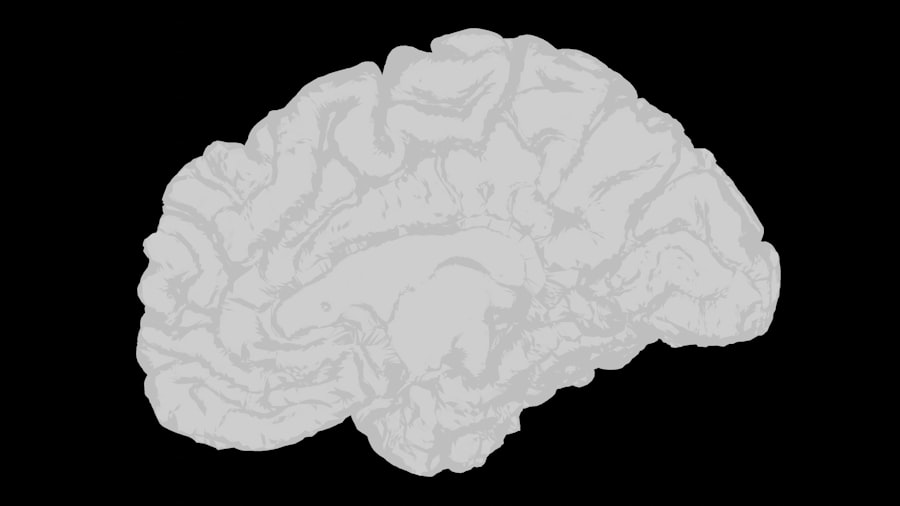
Your brain, despite representing only about 2% of your body weight, accounts for roughly 20% of your body’s energy consumption. This high energy demand means that your brain constantly strives for efficiency. The concept of 1% daily growth taps into this inherent drive for optimization.
The “Cost” of Effort and Cognitive Load
- Neural Fatigue: Engaging in mentally demanding tasks requires significant energy expenditure. Prolonged or intense cognitive effort can lead to mental fatigue, characterized by decreased attention, impaired decision-making, and reduced motivation. This is akin to running a marathon without proper training – your brain’s resources become depleted. The 1% growth approach, by focusing on small, manageable increments, avoids overwhelming your brain’s energy budget.
- Cognitive Load Management: Your brain has a limited capacity for processing information at any given time. Attempting to change too much at once, or undertaking overly ambitious goals, can lead to an overload of cognitive load. This overload not only hinders progress but can also lead to feelings of frustration and burnout. By breaking down larger aspirations into manageable 1% daily steps, you allow your brain to gradually adapt and integrate new information and behaviors without becoming overwhelmed. Think of it as building a new wing onto your house, one brick at a time, rather than trying to construct the entire building in a single day.
Automating Processes: Freeing Up Mental Resources
- Chunking and Proceduralization: As you repeatedly practice a skill or perform a task, your brain can “chunk” information, grouping related elements into larger, more manageable units. This process, known as proceduralization, allows certain tasks to become more automatic, requiring less conscious thought and effort. For example, learning to drive involves significant conscious effort initially. However, with practice, many of the individual actions become automated, freeing up your cognitive resources to focus on navigation and traffic.
- The Benefits of Routine: Routines are the brain’s way of optimizing its energy expenditure. By establishing predictable sequences of actions, your brain can execute them with minimal cognitive effort. This frees up your “mental bandwidth” for more complex problem-solving, creative thinking, and higher-level cognitive functions. The daily commitment to 1% growth, when structured into routines, allows your brain to operate more efficiently, with less mental friction.
The Impact of Sleep on Neuroplasticity and Growth

Sleep is not merely a period of rest; it is a critical phase for memory consolidation, neural repair, and the very processes that underpin neuroplasticity. Sufficient and quality sleep is a non-negotiable component of any strategy for consistent growth.
Sleep Stages and Their Functions in Neural Reorganization
- Deep Sleep (Slow-Wave Sleep): During deep sleep, your brain engages in crucial restorative processes. It’s during this stage that synaptic connections are pruned and strengthened, and memories are consolidated. Think of this as your brain’s nightly maintenance crew, repairing and optimizing the neural highways. This is when the day’s learning and practice are firmly embedded.
- REM Sleep (Rapid Eye Movement Sleep): REM sleep is associated with dreaming and plays a vital role in emotional regulation and creative problem-solving. It’s also involved in the integration of new information with existing knowledge, contributing to insightful learning and innovative thinking. Imagine REM sleep as a brainstorming session for your subconscious, connecting disparate ideas and fostering novel solutions.
The Consequences of Sleep Deprivation
- Impaired Learning and Memory: Sleep deprivation significantly compromises your brain’s ability to learn new information and consolidate existing memories. This directly hinders your capacity for 1% daily growth, as the neural basis for that growth is not being effectively laid down.
- Reduced Cognitive Function: Lack of sleep impairs attention, focus, decision-making, and emotional regulation, all of which are essential for sustained effort and motivation. The pursuit of growth becomes significantly more challenging when your cognitive faculties are compromised. You are essentially trying to navigate your growth forest with a fogged-up windshield.
In the fascinating field of neuroscience, the concept of 1 percent daily growth has gained traction as a powerful strategy for personal development and cognitive enhancement. By focusing on small, incremental improvements each day, individuals can harness the brain’s neuroplasticity to foster lasting change. For those interested in exploring this idea further, you might find this related article on the neuroscience of growth particularly insightful. It delves into how consistent, minor adjustments can lead to significant transformations over time. You can read more about it here.
The Role of Mindset and Self-Efficacy
| Metric | Description | Neuroscience Insight | Impact on 1% Daily Growth |
|---|---|---|---|
| Neuroplasticity | Brain’s ability to reorganize and form new neural connections | Enhanced by consistent practice and learning, facilitating habit formation | Supports incremental improvements by reinforcing new skills daily |
| Dopamine Release | Neurotransmitter associated with reward and motivation | Small achievements trigger dopamine, reinforcing positive behavior | Encourages persistence and motivation for daily growth activities |
| Myelination | Process of forming a myelin sheath around nerves to increase signal speed | Strengthens neural pathways with repeated practice | Improves efficiency and speed of skill acquisition over time |
| Habit Formation | Transition from conscious effort to automatic behavior | Involves basal ganglia and prefrontal cortex coordination | Reduces cognitive load, making daily growth sustainable |
| Working Memory Capacity | Ability to hold and manipulate information temporarily | Can be enhanced with targeted cognitive exercises | Facilitates learning and adaptation during incremental growth |
| Stress Regulation | Brain’s management of stress via HPA axis and prefrontal cortex | Chronic stress impairs learning and neuroplasticity | Effective stress management supports consistent daily progress |
Beyond the neurobiological mechanisms, your psychological state plays a significant role in your ability to achieve and sustain 1% daily growth. Your mindset acts as the architect, guiding the construction of your neural landscape.
Growth vs. Fixed Mindset: Carol Dweck’s Groundbreaking Research
- Growth Mindset: Individuals with a growth mindset believe that their abilities and intelligence can be developed through dedication and hard work. This belief is a powerful neurobiological motivator. When you embrace a growth mindset, you are more likely to see challenges as opportunities for learning and to persist in the face of setbacks. Your brain becomes more receptive to the processes of neuroplasticity, viewing effort as the key to improvement.
- Fixed Mindset: Conversely, a fixed mindset assumes that one’s abilities are innate and unchangeable. This belief can be a significant impediment to growth, as it leads individuals to avoid challenges and give up easily when faced with difficulties. The brain, under a fixed mindset, may become less engaged in the adaptive processes of neuroplasticity, as it perceives effort as a futile endeavor.
The Neurobiology of Expectation and Belief
- The Placebo Effect: The placebo effect, where a person experiences a benefit from a treatment they believe to be effective, even if it is inert, highlights the profound influence of expectation on neurobiological outcomes. This suggests that your belief in your capacity for growth, and your expectation that your efforts will yield results, can actually influence the neural processes that support that growth. Your expectations are like the blueprints for your brain’s construction project.
- Self-Efficacy: Self-efficacy, the belief in your ability to succeed in specific situations, is strongly linked to motivation and performance. When you have high self-efficacy, your brain is more likely to engage in goal-directed behavior and persevere through difficulties. This confidence influences the neurotransmitter systems associated with motivation and reward, creating a positive feedback loop that supports continued effort and growth.
In conclusion, the pursuit of 1% daily growth is not a mystical concept but a tangible, neurobiologically supported endeavor. By understanding the principles of neuroplasticity, the mechanics of motivation, the importance of energy efficiency, the restorative power of sleep, and the influence of your mindset, you can actively sculpt your brain for continuous improvement. Embrace the fact that your brain is a work in progress, and with consistent, intelligent effort, you can become the master architect of your own evolving self.
FAQs
What is meant by “1 percent daily growth” in the context of neuroscience?
“1 percent daily growth” refers to the concept of making small, consistent improvements each day that accumulate over time. In neuroscience, this idea is linked to neuroplasticity—the brain’s ability to reorganize and form new neural connections through repeated practice and learning.
How does the brain support daily incremental growth?
The brain supports daily incremental growth through neuroplasticity, which allows neurons to strengthen existing connections or create new ones in response to learning and experience. Regular, focused practice encourages synaptic changes that enhance skills and cognitive functions gradually.
Can small daily improvements really lead to significant brain changes?
Yes, small daily improvements can lead to significant brain changes. Consistent practice and learning stimulate neural pathways, reinforcing them over time. This cumulative effect can improve memory, skills, and overall cognitive performance, demonstrating the power of incremental growth.
What role does habit formation play in 1 percent daily growth?
Habit formation is crucial for sustaining 1 percent daily growth because habits automate behaviors, reducing the cognitive effort needed to maintain progress. The brain’s basal ganglia help encode habits, making it easier to perform beneficial actions consistently and support ongoing neural development.
Are there specific neuroscience-based strategies to achieve 1 percent daily growth?
Yes, neuroscience-based strategies include setting clear goals, engaging in deliberate practice, ensuring adequate rest and sleep for memory consolidation, using spaced repetition for learning, and maintaining a growth mindset. These approaches leverage brain mechanisms to optimize incremental improvement.