
You are likely reading this because you are a parent, educator, or perhaps even a gifted student yourself, seeking to understand how to best foster motivation within individuals who possess exceptional intellectual abilities and talents. It’s a critical endeavor, for a mind that burns brighter can also falter if not properly stoked. This article outlines effective strategies for empowering gifted students, focusing on the cultivation of intrinsic drive and sustained engagement.
Giftedness is not a monolithic entity; it’s a spectrum of diverse abilities and learning styles. A gifted student’s motivation is often a complex interplay of intellectual, emotional, and social factors. You might observe a profound curiosity that can border on obsession, or a deep-seated need for competence and achievement. Conversely, you may also encounter underachievement, a tendency towards perfectionism, or a disengagement that can be perplexing. Recognizing that these students are not simply “smart” but possess a distinct cognitive architecture is the first step. Their minds, like finely tuned engines, require specific fuel and maintenance to perform at their peak.
The Cognitive Engine: More Than Just Speed
You might picture a gifted student’s brain as a sports car – capable of incredible acceleration. However, this analogy only scratches the surface. Their cognitive processing often involves rapid assimilation of information, the ability to make connections between disparate ideas, and a sophisticated capacity for abstract thought. This means that rote memorization or repetitive tasks can feel like driving that sports car in first gear on a long, empty highway: monotonous and inefficient. They crave the open road, the complex terrain that challenges their analytical and creative faculties.
Beyond the Grade: The Drive for Mastery
While good grades can be a byproduct of giftedness, they are rarely the primary motivator. For these students, the true reward lies in the process of learning and the acquisition of mastery. You will observe that they are driven by a desire to understand why something works, to deconstruct complex problems, and to build something new from existing knowledge. This pursuit of mastery is a deep wellspring of intrinsic motivation, but it requires an environment that supports deep dives rather than shallow skims.
The Emotional Compass: Navigating Intensity
Gifted students often experience emotions with a heightened intensity. This can manifest as strong enthusiasm for subjects they love, but also as profound frustration when faced with obstacles or perceived unfairness. Their emotional compass, if understood and respected, can be a powerful guide for motivation. However, if ignored or invalidated, it can lead to anxiety, perfectionism, and ultimately, a retreat from engagement. Recognizing and acknowledging these emotional nuances is crucial for building trust and fostering a supportive learning environment.
Social Dynamics: The Need for Peer Connection and Intellectual Stimulation
While you might assume gifted students are solitary intellectuals, social interaction plays a vital role in their motivation. They often seek out peers who can match their intellectual pace and engage in meaningful dialogue. A classroom where they feel intellectually isolated can be a breeding ground for disengagement. Conversely, opportunities for collaboration and shared inquiry can ignite their passion and solidify their learning. You must consider the social ecosystem within which they learn; it’s not just about individual growth but also about finding resonance with others.
To effectively motivate gifted students, educators can explore various strategies that cater to their unique learning needs and interests. One insightful resource that delves into these strategies is an article found at Productive Patty. This article offers practical tips and techniques for engaging gifted learners, ensuring they remain challenged and inspired throughout their educational journey. By implementing these strategies, teachers can create a stimulating environment that fosters both academic and personal growth for gifted students.
Cultivating Intrinsic Motivation: The Cornerstone of Engagement
The most sustainable and powerful form of motivation is intrinsic – the drive that comes from within. For gifted students, nurturing this internal spark is paramount. External motivators, like rewards or punishment, can have a limited and often detrimental long-term effect, akin to building a fire with dry leaves instead of solid logs. The goal is to create an environment where learning itself is the reward.
Providing Intellectual Challenge: The Alchemist’s Gold
The most significant factor in motivating gifted students intrinsically is providing them with work that challenges their intellectual abilities. Think of it as offering them a complex puzzle rather than a simple coloring book. When presented with tasks that are too easy, they can become bored and disengaged, leading to underachievement and a perception of apathy. You must actively seek or create opportunities that stretch their cognitive boundaries.
Differentiated Instruction: Tailoring the Journey
- Tiered Assignments: You can offer assignments at different levels of complexity, allowing students to choose or be guided to the tier that best suits their current understanding and challenge needs. This is not about lowering expectations but about providing multiple pathways to mastery.
- Enrichment Activities: Beyond the core curriculum, provide opportunities for students to delve deeper into topics of interest. This could involve independent research projects, advanced problem-solving tasks, or participation in competitions.
- Compacting the Curriculum: For students who grasp concepts quickly, you can “compact” the curriculum by allowing them to demonstrate mastery through tests or projects, thereby freeing up time for more advanced exploration.
Problem-Based Learning and Inquiry-Based Approaches: The Detective’s Quest
These pedagogical approaches place students at the center of their learning, posing authentic problems or questions for them to investigate. This mirrors the natural way gifted minds explore the world, by asking questions and seeking answers. You are not the sole dispenser of knowledge, but the facilitator of their quest for understanding.
Fostering Autonomy and Choice: The Captain’s Wheel
Gifted students often thrive when they have a sense of control over their learning. Offering them genuine choices, where appropriate, can significantly boost their motivation. This sense of agency empowers them to take ownership of their educational journey. Imagine them charting their own course, rather than being passengers on a predetermined route.
Project-Based Learning with Student-Selected Topics: The Explorer’s Map
Allowing students to choose the subject of their projects, within established learning objectives, taps into their inherent interests and passions. This transforms a required task into an exciting exploration.
Flexible Pacing: The Runner’s Stride
For some gifted learners, the traditional pace of a classroom may be too slow. Offering opportunities for them to move at their own speed, either by accelerating through material or dedicating more time to complex concepts, can be highly motivating.
Setting Personal Goals: The Architect’s Blueprint
Encouraging students to set their own learning goals, with your guidance, promotes self-direction and accountability. This shifts the focus from external validation to internal accomplishment.
Cultivating a Growth Mindset: The Gardener’s Patience
A growth mindset, the belief that abilities can be developed through dedication and hard work, is crucial for gifted students who may be accustomed to rapid success. They need to understand that challenges are opportunities for learning, not indicators of innate limitations. You are tending to a garden, understanding that growth takes time and nurturing.
Emphasizing Effort and Process: The Sculptor’s Chiseling
Celebrate the effort and the process of learning, not just the final product. Highlight the strategies used and the perseverance demonstrated, even when mistakes are made. This teaches them that mastery is a journey, not a destination.
Normalizing Mistakes as Learning Opportunities: The Scientist’s Experiment
Frame mistakes as valuable data points in the learning process. Encourage students to analyze their errors, understand their causes, and learn from them. This transforms perceived failures into stepping stones.
Providing Constructive Feedback: The Coach’s Guidance
Offer specific, actionable feedback that helps students identify areas for improvement rather than simply pointing out flaws. This feedback should be delivered with the intent of supporting their development.
Addressing Potential Barriers: Navigating the Treacherous Paths
Even with the best intentions, several obstacles can derail the motivation of gifted students. Recognizing these potential pitfalls is as important as implementing strategies for their cultivation. These barriers can act like hidden snags, threatening to pull them off course.
Perfectionism: The Double-Edged Sword
Gifted students often exhibit perfectionistic tendencies, striving for flawless execution. While this can lead to high-quality work, it can also become paralyzing, leading to procrastination, anxiety, and a fear of taking risks. You must help them understand that perfection is an unattainable ideal and that “good enough” is often excellent.
Teaching Realistic Expectations: The Mapmaker’s Scale
Help students understand the difference between striving for excellence and unattainable perfection. Discuss the concept of “diminishing returns” – the point at which excessive effort yields minimal further improvement.
Encouraging Risk-Taking and Experimentation: The Sailor’s Voyage
Create an environment where the fear of making mistakes is minimized. Encourage them to try new approaches, experiment with ideas, and understand that innovative breakthroughs often arise from experimentation.
Breaking Down Large Tasks: The Carpenter’s Planks
Large, daunting tasks can trigger perfectionistic anxiety. Breaking them down into smaller, manageable steps can make them feel less overwhelming and more achievable.
Underachievement: The Hidden Iceberg
Underachievement in gifted students can be a complex issue, often stemming from boredom, lack of appropriate challenge, or emotional factors. It’s a phenomenon where the visible progress is far less than the potential harbored beneath.
Identifying the Root Cause: The Detective’s Clues
Before addressing underachievement, it’s crucial to understand its origin. Is it boredom? A lack of perceived relevance? Social-emotional difficulties? Careful observation, open communication, and, if necessary, professional assessment are vital.
Re-engagement Through Relevant and Challenging Work: The Fisherman’s Lure
Once the cause is identified, tailor interventions accordingly. For boredom, introduce more challenging and relevant material. For social-emotional issues, provide support and resources.
Building Self-Efficacy: The Farmer’s Seed
Help students recognize their capabilities and past successes. Gradually increase the difficulty of tasks, providing support along the way, to build their confidence and belief in their ability to succeed.
Boredom and Lack of Stimulation: The Stagnant Pond
A curriculum that fails to engage the intellect of a gifted student can lead to profound boredom. This is not laziness; it’s a mind that is not being sufficiently exercised.
Curricular Enrichment and Acceleration: The Mountain Climber’s Ascent
Provide opportunities for students to move beyond the standard curriculum. This can involve delving deeper into subjects, exploring related fields, or accelerating through material they have already mastered.
Project-Based and Hands-On Learning: The Tinkerer’s Workshop
Engage their active minds and innate desire to explore through project-based learning, experiments, and hands-on activities. These approaches allow them to apply knowledge in practical and meaningful ways.
Connecting Learning to Real-World Applications: The Engineer’s Blueprint
Demonstrate the relevance of what they are learning by connecting it to real-world problems and careers. This helps them see the purpose behind their efforts.
The Role of the Educator and Parent: Architects of Opportunity
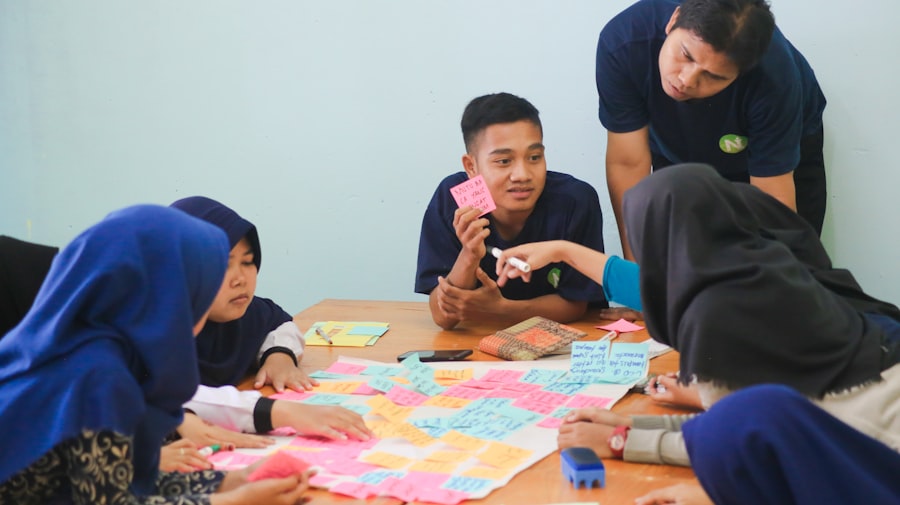
You, as an educator or parent, are not simply observers of giftedness; you are architects of the environment in which it flourishes. Your understanding, your actions, and your beliefs play a pivotal role in shaping a gifted student’s motivation and ultimately, their potential. You are the builders of the launching pad, ensuring it is solid and well-equipped for flight.
Understanding and Advocacy: The Guardian’s Vigil
Your first and most crucial role is to understand the unique needs of gifted students. This involves staying informed, recognizing the signs of giftedness, and advocating for appropriate educational opportunities and support. You are a sentinel, standing watch over their developmental journey.
Professional Development: The Craftsman’s Tools
Continuously seek out professional development opportunities that focus on gifted education, differentiation, and motivational strategies. The more informed you are, the better equipped you will be to support these students.
Collaboration with Families: The Bridge Builders
Partner with parents to create a unified approach to supporting the gifted student. Share insights, concerns, and strategies, fostering a cohesive network of support.
Identifying and Nurturing Strengths: The Prospector’s Pan
Focus on identifying and nurturing the student’s strengths and talents. While addressing weaknesses is important, a strong foundation in areas of passion and aptitude can be a powerful motivator.
Creating a Supportive Learning Environment: The Cultivator’s Soil
The learning environment you create is the soil in which gifted students’ potential can grow. It needs to be rich, stimulating, and free from undue pressure.
Encouraging Intellectual Risk-Taking: The Daredevil’s Leap
Foster an atmosphere where students feel safe to take intellectual risks, try new things, and express unconventional ideas without fear of ridicule or harsh criticism.
Promoting Collaboration and Peer Learning: The Orchestra’s Harmony
Encourage collaboration among students, allowing them to learn from each other’s perspectives and strengths. Peer interaction can be a significant source of motivation and intellectual growth.
Providing Opportunities for Leadership and Mentorship: The Navigator’s Helm
Offer opportunities for gifted students to take on leadership roles or mentor younger students. This can foster a sense of responsibility, confidence, and purpose.
Effective Communication and Feedback: The Mirror’s Reflection
Your communication with gifted students, and the feedback you provide, can either build them up or tear them down. Honesty, clarity, and a focus on growth are key.
Active Listening: The Listener’s Ear
Genuinely listen to students’ concerns, ideas, and frustrations. Their voices are valuable and can provide crucial insights into their motivational needs.
Specific and Actionable Feedback: The Cartographer’s Detail
Provide feedback that is specific, constructive, and actionable. Instead of saying “This is good,” explain why it’s good and suggest ways to make it even stronger.
Encouraging Self-Reflection: The Philosopher’s Contemplation
Guide students to reflect on their own learning processes, strengths, and areas for growth. This fosters metacognitive skills and promotes self-awareness.
Motivating gifted students can be a complex task, but exploring effective strategies can make a significant difference in their learning experience. For educators seeking innovative approaches, a related article offers valuable insights into engaging these students in meaningful ways. By incorporating techniques that challenge their abilities and foster a love for learning, teachers can create an environment where gifted students thrive. To learn more about these strategies, you can check out this informative resource at Productive Patty.
The Long-Term Vision: Nurturing Lifelong Learners
| Strategy | Description | Effectiveness Rating (1-5) | Key Metrics |
|---|---|---|---|
| Individualized Learning Plans | Tailoring curriculum to meet the unique needs and interests of gifted students. | 5 | Improved engagement (85%), Higher test scores (10-15% increase) |
| Enrichment Activities | Providing additional challenging projects and extracurricular opportunities. | 4 | Participation rate (70%), Increased creativity scores (20%) |
| Acceleration | Allowing students to move through curriculum at a faster pace. | 4 | Grade advancement (60%), Student satisfaction (80%) |
| Mentorship Programs | Pairing gifted students with mentors in their field of interest. | 4 | Mentor meetings per month (2), Improved motivation (75%) |
| Collaborative Learning | Encouraging group work with peers to develop social and cognitive skills. | 3 | Group project completion rate (90%), Peer feedback positivity (85%) |
| Goal Setting and Self-Reflection | Helping students set personal goals and reflect on their progress. | 4 | Goal achievement rate (70%), Self-reported motivation increase (65%) |
The ultimate goal of empowering gifted students is not merely to achieve academic success during their school years, but to cultivate a lifelong passion for learning and intellectual curiosity. This is about equipping them with the internal compass and the robust engine to navigate the complexities of the world long after they leave your direct guidance.
Developing Resilience and Adaptability: The Willow’s Bend
Gifted students, like any individuals, will face challenges and setbacks. Teaching them resilience and adaptability is crucial for their long-term success and well-being. They need to learn to weather storms, not break from them.
Fostering Problem-Solving Skills: The Engineer’s Toolkit
Equip them with a robust toolkit of problem-solving strategies that they can apply to various situations, both academic and personal.
Teaching Emotional Regulation: The Calm Harbor
Help them develop healthy coping mechanisms for managing stress, frustration, and disappointment. This allows them to navigate difficulties without being overwhelmed.
Embracing Change and Uncertainty: The Explorer’s Spirit
Encourage an attitude of embracing change and navigating uncertainty with curiosity rather than fear. The world is constantly evolving, and adaptability is a key survival skill.
Cultivating a Sense of Purpose and Contribution: The Beacon’s Light
Gifted individuals often have a strong desire to make a meaningful contribution to the world. Helping them discover and pursue their purpose is a powerful motivator. You are helping them find their unique light to shine.
Exploring Passions and Interests: The Astronomer’s Telescope
Support them in exploring their passions and interests in depth, helping them discover areas where they can make a unique impact.
Connecting Learning to Societal Needs: The Humanitarian’s Vision
Demonstrate how their learning and talents can be used to address real-world problems and contribute to the betterment of society.
Developing Leadership Skills for Positive Impact: The Visionary’s Influence
Nurture their leadership potential, guiding them to use their abilities to inspire and influence others for positive change.
In conclusion, empowering gifted students is a nuanced and ongoing process. It requires a deep understanding of their unique characteristics, a commitment to fostering intrinsic motivation, and the creation of supportive environments that allow their exceptional abilities to blossom. By implementing these strategies, you can help gifted students not only succeed academically but also develop into resilient, curious, and purposeful individuals who are equipped to make a significant and lasting contribution to the world.

Understanding the Struggle: Why Smart Kids Often Feel Like Failures
FAQs
What are effective strategies for motivating gifted students?
Effective strategies include providing challenging and enriching curriculum, offering opportunities for independent study, encouraging creative problem-solving, fostering a growth mindset, and allowing students to pursue their interests and passions.
How can teachers differentiate instruction for gifted students?
Teachers can differentiate instruction by adjusting the content complexity, providing acceleration options, using tiered assignments, incorporating project-based learning, and offering flexible grouping to meet the unique needs of gifted learners.
Why is it important to address the social and emotional needs of gifted students?
Gifted students may experience heightened sensitivity, perfectionism, or social isolation. Addressing their social and emotional needs helps them develop resilience, self-confidence, and healthy peer relationships, which are essential for overall motivation and well-being.
What role do goal-setting and self-assessment play in motivating gifted students?
Goal-setting and self-assessment empower gifted students to take ownership of their learning, set personal challenges, monitor their progress, and reflect on their achievements, which enhances intrinsic motivation and engagement.
How can parents support the motivation of gifted students at home?
Parents can support motivation by encouraging curiosity, providing resources and opportunities for exploration, maintaining open communication with teachers, recognizing effort and progress, and fostering a positive attitude toward learning and challenges.