
You might feel it. That prickle of unease when your routine is disrupted, the knot in your stomach when faced with a new challenge. It’s not just you; it’s a fundamental aspect of how your brain operates. Progress, the engine of advancement and adaptation, often elicits a visceral reaction of fear. This article will explore why your brain, that intricate biological marvel, perceives change, especially forward-moving change, as a potential threat, and how this ingrained caution, though often helpful, can also act as a formidable barrier to your personal and societal growth.
Your brain didn’t evolve to embrace innovation for its own sake. Its primary directive, etched into its very architecture over millennia, was survival. This evolutionary imperative forged a neural landscape that prioritizes the familiar and flags the unknown as a potential hazard.
The Brain as a Predictive Machine
Imagine your brain as a master of prediction. It constantly generates models of the world based on past experiences, constructing a tapestry of what is and what is likely to be. This predictive power is remarkably efficient. It allows you to navigate your environment with minimal conscious effort, recognizing patterns, anticipating outcomes, and making split-second decisions that have historically kept you safe. When a novel situation arises, it’s like a glitch in your meticulously crafted simulation. Your brain doesn’t have a pre-existing model for this new scenario, and the absence of predictable outcomes triggers a warning system.
The Amygdala: Your Built-in Alarm Bell
At the core of this fear response is the amygdala, a small, almond-shaped region deep within your temporal lobes. This is your brain’s primary threat detector. Activated by novelty, uncertainty, or anything perceived as a deviation from the norm, the amygdala initiates a cascade of physiological and psychological responses designed to prepare you for “fight or flight.” It floods your system with stress hormones like cortisol and adrenaline, increasing your heart rate, sharpening your senses, and diverting energy to your muscles. This ancient biological mechanism, perfectly suited for avoiding a charging saber-toothed tiger, is now often reacting to a new software update or a different commute route.
The Value of Predictability in a Dangerous Past
For your ancestors, a predictable environment meant survival. Knowing where to find food, recognizing safe shelters, and understanding the behaviors of both prey and predator were crucial. Deviations from these learned patterns were often signals of danger. A sudden change in the landscape could indicate a flood or a predator’s territory. Unfamiliar sounds might herald an attack. Therefore, your brain developed a bias towards caution, favoring what is known and understood over the unpredictable. This ingrained tendency to prefer the status quo, while historically beneficial, can manifest as resistance to change in your modern life.
Understanding why our brains perceive progress as a danger can be intriguing, as it often stems from our evolutionary past where change could signify threats to survival. This concept is explored in detail in the article “Why Your Brain Thinks Progress is Danger” on Productive Patty’s website. The article delves into the psychological mechanisms that trigger fear in the face of change and offers insights on how to navigate these feelings to embrace personal growth. For more information, you can read the article here: Why Your Brain Thinks Progress is Danger.
The Cognitive Processes Fueling Fear of Progress
Beyond the primal alarm of the amygdala, your cognitive faculties play a significant role in constructing the fear of progress. Your thinking patterns, your interpretation of events, and your learned associations all contribute to this resistance.
The Power of Habit and Routine
Habits are the mental shortcuts that your brain creates to conserve energy. They are the automated behaviors that allow you to perform daily tasks without requiring extensive conscious thought. Think of driving a familiar route or brushing your teeth; these are well-worn neural pathways. When progress encroaches on these established routines, it demands that you create new pathways, learn new skills, and invest cognitive effort. This metabolic expenditure, however small it may seem, can be perceived by your brain as a burden, triggering a low-level resistance. Your comfort zone, built from these consistent patterns, feels safe and familiar, and stepping outside it requires effort and potentially exposes you to unfamiliar challenges.
Loss Aversion: The Pain of Giving Up What You Have
Your brain is wired to experience the pain of loss more intensely than the pleasure of gain. This principle, known as loss aversion, explains why you might cling to a mediocre situation rather than risk losing it for a potentially better, but uncertain, outcome. Progress often implies letting go of something – a familiar technology, a current method, or even a long-held belief. The perceived loss, even if it’s a suboptimal aspect of your current reality, can feel more significant than the potential benefits of what lies ahead. You might be hesitant to adopt a new productivity app because you’ve invested time in learning the old one, even if the new app promises greater efficiency. The fear isn’t about the new itself, but about the perceived forfeiture of what you already possess.
Cognitive Dissonance: The Uncomfortable Clashes in Your Mind
When new information or a new experience clashes with your existing beliefs, values, or expectations, it creates a state of cognitive dissonance. This internal conflict is uncomfortable, and your brain is motivated to reduce it. Progress can be a potent trigger of cognitive dissonance. If you pride yourself on being technologically savvy, a new computing paradigm might challenge your expertise. If you believe in a certain way of doing things that is being rendered obsolete, your sense of identity can be threatened. To alleviate this discomfort, you might reject the new information, downplay its significance, or even actively resist its integration, all in an effort to maintain a sense of internal consistency.
Neurological Mechanisms Underlying Resistance to Change

Specific neural pathways and neurochemical processes are directly involved in your brain’s hesitancy towards novelty and progress. Understanding these mechanisms provides a deeper insight into the biological underpinnings of your resistance.
The Dopaminergic System and Reward Pathways
The dopaminergic system is central to your brain’s reward and motivation circuitry. When you experience something novel and positive, or when you achieve a goal, dopamine is released, creating feelings of pleasure and reinforcing that behavior. However, when faced with the uncertainty of progress, the dopamine release might be muted or even absent. Your brain, lacking the immediate promise of a reward, can interpret the situation as lacking incentive, leading to a lack of engagement or even avoidance. The potential benefits of a new technology, for instance, might not be immediately tangible enough to trigger a significant dopaminergic response, making the effort of adopting it seem unrewarding.
The Role of Stress Hormones
As mentioned earlier, the amygdala triggers the release of stress hormones. When you perceive change as a threat, these hormones surge. Cortisol, in particular, can have a dampening effect on your prefrontal cortex, the area responsible for complex decision-making, rational thought, and executive functions. This means that under stress from an impending change, your ability to logically evaluate its benefits might be compromised. You become more reliant on emotional responses and ingrained patterns, making it harder to objectively assess the potential advantages of progress. This can create a vicious cycle where the fear of change makes it harder for you to rationally consider why the change might be beneficial.
Neuroplasticity: The Double-Edged Sword of Brain Adaptability
Your brain possesses a remarkable ability to adapt and reorganize itself in response to experience, a phenomenon known as neuroplasticity. This is the very mechanism that allows you to learn and grow. However, neuroplasticity also highlights why change can feel difficult. Learning new things requires the creation of new neural connections and the strengthening of existing ones. This process is energy-intensive and can initially lead to reduced efficiency and increased errors, as your brain works to solidify new pathways. The initial awkwardness of using a new tool or learning a new skill is a direct manifestation of your brain rerouting its neural architecture. While this adaptability is the bedrock of progress, the transient discomfort it causes can be interpreted as a signal of danger.
Societal and Cultural Influences on Your Fear of Progress
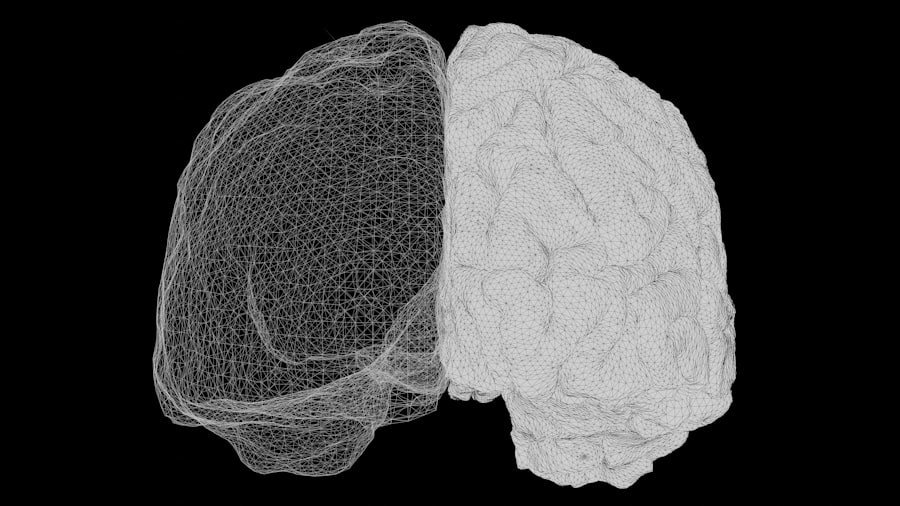
Your individual brain doesn’t exist in a vacuum; it’s shaped by the societies and cultures in which you live. These external factors can amplify or mitigate your inherent fear of progress.
The Comfort of Collective Identity and Tradition
Societies often thrive on shared traditions, established norms, and collective identities. These elements provide a sense of belonging, stability, and continuity. Progress, by its very nature, can disrupt these shared narratives. Embracing a new technology or a different societal approach might challenge long-held values or traditions, leading to a sense of collective unease. The fear of progress can become a collective fear, reinforced by the shared anxieties of your community or culture. Imagine a town that has relied on a particular industry for generations; the prospect of that industry becoming obsolete and being replaced by something new can create widespread apprehension, not just for individuals, but for the community’s identity.
Media and Information Overload: Amplifying Perceived Risks
The modern media landscape, while offering unprecedented access to information, can also be a catalyst for fear of change. Sensationalized reporting on the potential downsides of new technologies, the disruption caused by innovation, or the perceived threats to existing social orders can heighten your anxieties. Furthermore, the sheer volume of information can be overwhelming, making it difficult to discern genuine risks from exaggerated fears. This constant influx of potentially alarming news can create a pervasive sense of apprehension about the future and the changes it may bring. You might see news reports highlighting job displacement due to automation, which, while a valid concern, can contribute to an overall fear of technological advancement without a balanced perspective on its potential benefits.
The Politics of Resistance: Guarding the Status Quo
Political systems and powerful institutions often have vested interests in maintaining the status quo. Established powers may resist changes that threaten their influence, control, or economic advantage. This resistance can be framed in ways that appeal to your inherent fears, portraying progress as destabilizing, dangerous, or detrimental to societal well-being. By understanding these political dynamics, you can better recognize when fears about progress are being manufactured or exploited for specific agendas, rather than being genuine reflections of evolutionary or cognitive predispositions.
Many people often feel a sense of unease when faced with progress, as their brains are wired to perceive change as a potential threat. This instinctual reaction can be traced back to our evolutionary history, where unfamiliar situations could pose dangers. For a deeper understanding of this phenomenon, you can explore a related article that delves into the psychology behind this fear of progress and how it affects our decision-making. To learn more about this intriguing topic, check out this article.
Overcoming Your Brain’s Natural Hesitancy Towards Progress
| Metric | Description | Impact on Brain | Example |
|---|---|---|---|
| Neural Resistance to Change | The brain’s tendency to favor familiar patterns and routines | Triggers stress response when faced with new or uncertain situations | Feeling anxious when starting a new job or project |
| Activation of Amygdala | Emotional center that processes fear and threat | Interprets progress or change as potential danger, increasing alertness | Fear of failure when attempting to learn a new skill |
| Loss Aversion | Psychological bias where losses feel more significant than gains | Brain perceives progress as risking loss of comfort or status quo | Avoiding career advancement to maintain current stability |
| Cognitive Load Increase | Additional mental effort required to process new information | Leads to fatigue and resistance to adopting progress | Difficulty adapting to new technology at work |
| Uncertainty Intolerance | Discomfort with ambiguous or unpredictable outcomes | Brain prefers known outcomes, viewing progress as risky | Reluctance to change personal habits despite potential benefits |
Understanding the mechanisms behind your brain’s fear of progress is the first step toward overcoming it. By acknowledging these predispositions, you can develop strategies to navigate change more effectively and harness its potential for growth.
Cultivating a Growth Mindset
A growth mindset, as theorized by Carol Dweck, is the belief that your abilities and intelligence can be developed through dedication and hard work. Individuals with a growth mindset view challenges not as insurmountable obstacles, but as opportunities to learn and improve. This contrasts with a fixed mindset, where abilities are seen as innate and unchangeable, making failure feel like a personal indictment. Embracing a growth mindset shifts your perception of progress from a potential threat to a landscape for development. You begin to see new skills and knowledge not as burdens, but as investments in your evolving self.
Embracing Calculated Risk and Incremental Change
Your brain’s fear of the unknown can be assuaged by breaking down significant changes into smaller, more manageable steps. This strategy of incremental change allows for controlled exposure to novelty. By experiencing small successes along the way, you build confidence and create positive associations with the process of adaptation. Calculated risk-taking, where you weigh potential outcomes and mitigate known dangers, is also crucial. Instead of a sudden plunge into the unknown, aim for informed steps forward, building familiarity and competence with each iteration of progress. This might involve piloting a new software in a smaller department before a company-wide rollout, or learning a new skill through a short course before taking on a major project.
The Power of Mindfulness and Self-Awareness
Mindfulness involves paying attention to the present moment without judgment. By practicing mindfulness, you can become more aware of your immediate emotional and physiological responses to change. This self-awareness allows you to identify when your amygdala is firing an unnecessary alarm signal. Simply recognizing the physical sensations of fear – the racing heart, the tightened chest – without immediately reacting to them can de-escalate the stress response. You can then consciously choose a more rational and considered response, rather than being swept away by the initial wave of apprehension. By observing your fear, you gain a degree of separation from it, allowing your prefrontal cortex to reassert its influence.
Your brain’s inclination towards caution is a testament to its evolutionary programming, designed to keep you safe in a world far more precarious than your own. However, in your modern context, this inherent conservatism can act as a relentless anchor, tethering you to the familiar and preventing you from sailing into the promising waters of progress. By understanding the deep-seated biological and cognitive mechanisms at play, and by actively cultivating new mental habits and perspectives, you can learn to navigate this ingrained resistance. It’s not about eradicating fear, but about transforming it from a paralyzing force into a discerning whisper, guiding you towards informed growth and a more dynamic future.

WATCH NOW ▶️ WARNING: Your Brain Thinks Progress Is Danger
FAQs
Why does the brain sometimes perceive progress as a threat?
The brain is wired to prioritize safety and predictability. When faced with change or progress, it may interpret these as potential threats because they disrupt familiar patterns and introduce uncertainty, triggering a fear response.
What role does the amygdala play in the brain’s reaction to progress?
The amygdala is involved in processing emotions, especially fear. When progress or change occurs, the amygdala can activate a fear response to protect the individual from perceived danger, even if the change is beneficial.
How does the brain’s preference for routine affect its view of progress?
The brain favors routine because it conserves energy and reduces cognitive load. Progress often requires adapting to new situations, which demands more mental effort and can be perceived as risky or dangerous by the brain.
Can the brain’s fear of progress be overcome?
Yes, through repeated exposure and positive experiences with change, the brain can rewire itself to view progress as less threatening. This process, known as neuroplasticity, helps reduce fear responses over time.
Why is understanding the brain’s reaction to progress important?
Understanding this reaction helps individuals and organizations manage change more effectively by addressing fears and resistance. It also aids in developing strategies to foster adaptability and resilience in the face of progress.