
You are embarking on the crucial journey of crafting a workspace that not only supports your endeavors but actively propels them forward. The environment in which you operate is not merely a backdrop; it is a co-conspirator in your productivity, a silent ally or a subtle saboteur. This article will guide you through the principles and practicalities of designing a productive environment, treating your workspace as a finely tuned instrument rather than a haphazard collection of objects.
Before you dive into the specifics of design, it’s essential to grasp the underlying psychological and physiological principles that govern human productivity. Your brain, a marvel of biological engineering, responds to its surroundings in predictable ways. By understanding these responses, you can intentionally curate an environment that amplifies your focus, creativity, and efficiency.
The Brain’s Demand for Order
Your mind craves order. Information overload, visual clutter, and disorganized spaces can become a cognitive burden, a constant gentle hum of distraction that saps your mental energy. Each item out of place, each unread tab, each pending task represents a minuscule “open loop” in your brain, demanding attention and contributing to mental fatigue. An organized space, conversely, reduces cognitive load, freeing up mental bandwidth for complex tasks.
The Impact of Sensory Input
Your senses are the gateways to your consciousness. What you see, hear, smell, and even touch in your environment profoundly influences your mood, focus, and energy levels. Harsh lighting can strain your eyes and trigger headaches, while a chaotic soundscape can fragment your thoughts. Conversely, natural light, pleasant acoustics, and even tactile textures can create an atmosphere conducive to sustained concentration and well-being.
The Psychology of Flow States
The concept of “flow” is crucial to understanding deep productivity. A flow state is a mental condition in which you are fully immersed in an activity, characterized by energized focus, full involvement, and enjoyment in the process of the activity. Your environment can be a catalyst for entering and sustaining these highly productive states. Minimizing distractions, providing appropriate tools, and creating a sense of calm can act as launchpads into flow.
To enhance your productivity, it’s essential to design your environment thoughtfully. A related article that delves into this topic is available at Productive Patty, where you can find valuable insights on creating a workspace that fosters focus and efficiency. By implementing the strategies discussed in this article, you can transform your surroundings into a hub of productivity, ultimately helping you achieve your goals more effectively.
Cultivating Visual Harmony
The visual landscape of your workspace is arguably the most immediate and impactful aspect of your productive environment. What you see directly influences your cognitive processing and emotional state. Think of your workspace as a canvas; every element you introduce contributes to the overall composition.
Decluttering as a Prerequisite
Before you can build, you must clear. Decluttering is not just about aesthetics; it’s about removing cognitive anchors that pull your attention away from your primary tasks. Each extraneous object, each stack of papers without a clear purpose, represents a potential distraction.
The “One-Touch” Rule
Adopt a “one-touch” rule for incoming items. When an item enters your workspace, handle it immediately: file it, act on it, or discard it. Avoid letting items sit in purgatory, becoming part of the growing visual noise.
Vertical Storage Solutions
When horizontal space is limited, look upwards. Shelves, wall-mounted organizers, and drawer systems can reclaim valuable desk real estate and provide structured homes for your belongings. This frees your primary work surface to be a clean, unobstructed arena for your current task.
Digital Decluttering
The physical workspace often mirrors the digital one. An overburdened desktop with countless icons, an email inbox overflowing with unread messages, and a web browser with dozens of open tabs can be as detrimental as physical clutter. Regularly organize digital files, prune unnecessary applications, and cultivate a clean digital interface.
Strategic Use of Color and Light
Color psychology and optimal lighting are not mere aesthetic choices; they are powerful levers you can pull to influence your mood and cognitive function.
Color Palettes for Focus and Creativity
Cooler colors like blues and greens are often associated with calmness, stability, and focus, making them suitable for environments where concentration is paramount. Warmer tones like yellows and oranges can stimulate creativity and energy, though excessive use might lead to restlessness. Consider balancing these, perhaps with a calming base and strategic pops of stimulating color.
Harnessing Natural Light
Natural light is your most potent ally. Position your desk to maximize exposure to sunlight, avoiding direct glare on screens. Natural light regulates your circadian rhythm, boosts mood, and reduces eye strain. It is a biological imperative, a fundamental need that your body registers, whether you consciously perceive it or not.
Layered Artificial Lighting
When natural light is insufficient, employ a layered lighting strategy. This involves a combination of ambient lighting (general room illumination), task lighting (focused light on your work surface), and accent lighting (for mood or highlighting features). Avoid harsh overhead fluorescents, which can contribute to fatigue and headaches. Opt for warm, adjustable LED lighting that mimics natural daylight.
Optimizing for Ergonomics and Comfort

Your body is the vessel through which you execute your work. Discomfort and pain are formidable barriers to productivity, diverting attention and draining energy. Investing in ergonomic solutions is not a luxury; it is a fundamental investment in your long-term health and efficiency.
The Ergonomic Triangle
Think of your posture, desk, and chair as an interconnected triangle. Adjust each element to create a harmonious relationship where stress points are minimized, and your body is supported in a neutral, relaxed position.
Your Chair: The Throne of Productivity
Your chair is perhaps the most critical piece of ergonomic equipment. Invest in an adjustable ergonomic chair that provides lumbar support, adjustable armrests, and proper seat depth. Your feet should be flat on the floor or a footrest, your knees at a 90-degree angle, and your forearms parallel to the floor when typing.
Your Desk: The Command Center
Your desk should ideally be height-adjustable, allowing you to alternate between sitting and standing postures. This movement is crucial for blood circulation and preventing sedentary-related health issues. When seated, ensure your monitor is at arm’s length and the top of the screen is at or slightly below eye level.
Input Devices and Accessories
Keyboards and mice that promote a neutral wrist position are vital. Consider an ergonomic keyboard that reduces strain, and an appropriately sized mouse that fits your hand comfortably. Monitor risers can elevate your screen to the correct height, and specialized wrist rests can further reduce strain during prolonged typing.
Temperature and Air Quality
These often-overlooked factors significantly influence your comfort and cognitive performance. A room that is too hot or too cold, or filled with stale air, can be a constant, low-grade irritant.
Maintaining an Optimal Temperature
The ideal temperature for cognitive performance generally falls between 20-22 degrees Celsius (68-72 degrees Fahrenheit). Extremes in either direction can reduce focus and increase discomfort. Utilize thermostats, fans, or heaters as needed to maintain this comfortable range.
The Breath of Productivity
Good air quality is paramount. Ensure adequate ventilation in your workspace to prevent the buildup of carbon dioxide, which can lead to drowsiness and reduced cognitive function. Consider air purifiers, especially if you suffer from allergies, and introduce indoor plants that naturally purify the air, adding both aesthetic appeal and biological function.
Integrating Smart Technology and Tools
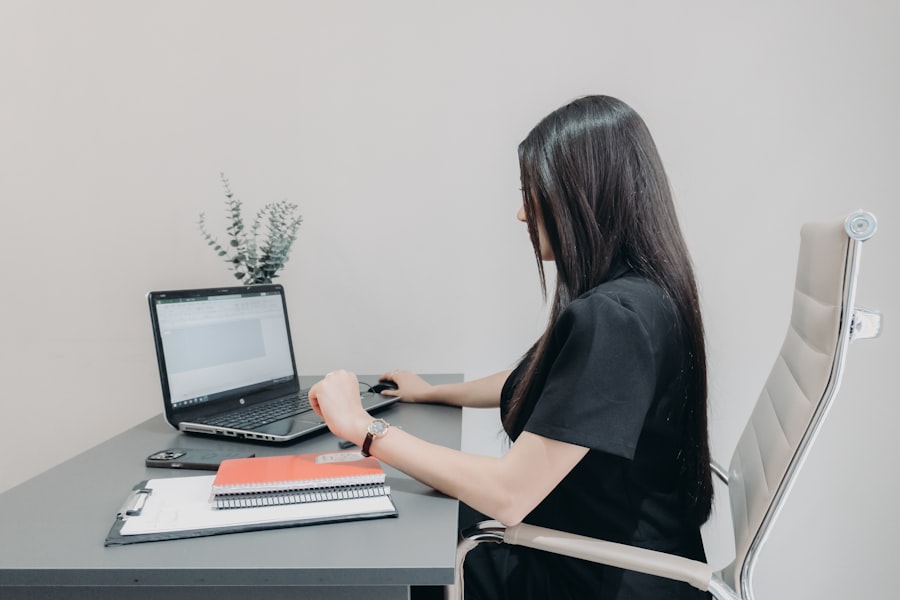
Technology, when used judiciously, can be a powerful amplifier of productivity. However, it can also be a significant source of distraction. The key lies in strategic integration, identifying tools that streamline your workflow without creating new forms of cognitive clutter.
Streamlining Workflow with Digital Aids
Your digital tools should serve as extensions of your productive intent, not as a labyrinth of potential diversions.
Task Management Systems
Implement a robust task management system, whether it’s a digital application (e.g., Asana, Trello, Todoist) or a physical planner. A centralized system helps you organize your tasks, prioritize, and track progress, preventing mental overload from trying to remember everything.
Communication Platforms
Choose communication platforms wisely. Consolidate communication where possible and set boundaries for when and how you engage with messages. Schedule dedicated times for checking emails and instant messages rather than allowing constant interruptions.
Automation Tools
Explore automation tools for repetitive tasks. This could range from simple email filters to complex workflow automation platforms. Delegating mundane, repeatable tasks to technology frees up your valuable mental energy for more strategic thinking.
Minimizing Digital Distractions
The digital world is a siren song of distraction. Conscious effort is required to mute its calls.
Notification Management
Turn off unnecessary notifications on your computer and mobile devices. Each ping, buzz, or pop-up is a micro-interruption, breaking your focus and requiring conscious effort to regain it.
Website Blockers and Focus Apps
Utilize website blockers or focus-enhancing applications that temporarily restrict access to distracting websites or social media platforms during designated work periods. These tools act as digital guardians, preventing you from straying down digital rabbit holes.
Dedicated Devices for Work
If feasible, consider having separate devices for work and personal use. This creates a clear boundary, both mentally and physically, reducing the temptation to blend leisure activities with productive hours.
Designing your environment for productivity can significantly enhance your focus and efficiency. One insightful resource that delves deeper into this topic is an article that offers practical tips and strategies. You can explore it further by visiting this link, where you’ll find valuable information on optimizing your workspace to foster creativity and minimize distractions. By implementing these suggestions, you can create an atmosphere that supports your goals and boosts your overall productivity.
Personalizing Your Productive Oasis
| Design Element | Recommended Approach | Impact on Productivity | Supporting Data / Metrics |
|---|---|---|---|
| Lighting | Use natural light or full-spectrum bulbs | Improves focus and reduces eye strain | Natural light exposure linked to 15% increase in productivity (Harvard Study) |
| Noise Level | Maintain low ambient noise or use noise-cancelling headphones | Reduces distractions and improves concentration | Noise reduction can improve task performance by up to 20% |
| Ergonomics | Use adjustable chairs and desks; maintain proper posture | Reduces fatigue and physical discomfort | Ergonomic setups reduce musculoskeletal issues by 25% |
| Clutter Management | Keep workspace organized and minimalistic | Enhances mental clarity and reduces stress | Cluttered desks linked to 40% more stress and lower productivity |
| Color Scheme | Use calming colors like blue or green | Promotes calmness and creativity | Blue environments increase creativity by 15% |
| Temperature | Maintain comfortable temperature (20-22°C / 68-72°F) | Prevents discomfort and maintains alertness | Optimal temperature improves productivity by 10% |
| Plants and Nature | Incorporate indoor plants or nature views | Reduces stress and improves mood | Presence of plants can increase productivity by 15% |
| Technology Setup | Use dual monitors and fast internet | Speeds up workflow and multitasking | Dual monitors increase productivity by 20-30% |
Ultimately, your workspace is uniquely yours. While objective principles guide optimal design, personalization adds a vital layer of motivation, comfort, and self-expression. Think of it as imbuing your workspace with your unique signature.
Incorporating Elements of Nature
Biophilic design, the concept of connecting humans with nature, has demonstrable benefits for well-being and productivity.
Indoor Plants
A few well-chosen indoor plants not only improve air quality but also add a touch of life and visual softness to your environment. Studies suggest that even the mere presence of plants can reduce stress and increase feelings of tranquility.
Views of the Outdoors
If possible, position your workspace to offer a view of the outdoors. Green spaces, even a small patch of trees, can provide a mental micro-break and reduce eye strain. If a direct view isn’t possible, consider a high-quality print or artwork depicting a natural scene.
Natural Textures and Materials
Incorporate natural materials like wood, stone, or natural fibers into your decor. These elements add warmth and texture, contributing to a sense of calm and organic connection.
Adding Personal Touches and Inspiration
Your workspace should reflect your identity and inspire your best work.
Meaningful Objects
Surround yourself with a few meaningful objects that bring you joy, commemorate achievements, or simply make you smile. These can be photographs, small art pieces, or sentimental mementos. Their presence should be a subtle boost, not a cluttered distraction.
Inspirational Quotes or Artwork
A well-placed inspirational quote, a piece of artwork that resonates with you, or a vision board can serve as gentle reminders of your goals and aspirations, keeping your purpose front and center.
Scent and Sound
A subtle, calming scent from an essential oil diffuser (e.g., lavender for relaxation, peppermint for focus) can subtly influence your mood. Similarly, consider ambient background music or white noise generators to block out distractions and create a consistent soundscape that aids concentration. The key is subtlety; it should be a whisper, not a shout.
By consciously designing your environment, you are not merely arranging furniture; you are sculpting a space that empowers your focus, fuels your creativity, and sustains your well-being. Your productive oasis is not built overnight; it is a continuous process of refinement, a testament to your understanding that the external world profoundly shapes your internal one.

WATCH NOW ▶️ WARNING: Your Brain Thinks Progress Is Danger
FAQs
What are the key elements to consider when designing a productive environment?
Key elements include proper lighting, ergonomic furniture, minimal distractions, organized workspace, and access to necessary tools and technology.
How does lighting affect productivity in a workspace?
Good lighting, especially natural light, reduces eye strain and fatigue, improves mood, and enhances focus, all of which contribute to higher productivity.
Why is organization important in a productive environment?
An organized workspace minimizes clutter, reduces stress, saves time searching for items, and helps maintain focus on tasks, thereby boosting productivity.
What role does ergonomics play in designing a productive environment?
Ergonomic furniture and equipment support proper posture, reduce physical strain, and prevent discomfort or injury, enabling longer and more efficient work sessions.
How can minimizing distractions improve productivity?
Reducing noise, interruptions, and visual clutter helps maintain concentration, allowing for deeper focus and more efficient completion of tasks.