
You are about to embark on a journey to reclaim your most valuable resource: focused attention. In the relentless tide of modern work, meetings often stand as colossal icebergs, consuming vast stretches of your day and splintering your concentration into a thousand drifting floes. This article serves as your compass and sextant, guiding you towards navigating these meetings with strategic precision, thereby unlocking the fertile ground for deep work. Deep work, as defined by author Cal Newport, refers to “professional activities performed in a state of distraction-free concentration that push your cognitive capabilities to their limit. These efforts create new value, improve your skill, and are hard to replicate.” It is the bedrock of significant accomplishments, the engine of innovation, and the source of profound professional satisfaction. Without it, you are merely treading water, responding to emails and attending back-to-back discussions without truly moving the needle on your most impactful projects. This guide will furnish you with the tools and mindset to transform your meeting culture from a productivity drain into a carefully managed facilitator of focused engagement. Your work deserves your undivided attention, and this is how you can ensure it receives it.
This exploration will dissect the anatomy of unproductive meetings, identify the insidious ways they erode your deep work capacity, and then, crucially, provide actionable strategies for effective management. You will learn how to critically assess the necessity of a meeting, how to sculpt its agenda into a tool for efficiency, and how to cultivate a culture that respects your time and your capacity for sustained concentration.
You likely experience this phenomenon daily: a calendar dotted with back-to-back meetings, each one a siren song pulling you away from the complex tasks that truly require your intellectual horsepower. These gatherings, often ostensibly productive, can become a significant impediment to deep work, akin to a meticulously manicured garden constantly being trampled by careless feet. The illusion of productivity can be potent; you are doing things, you are talking to people, but are you achieving breakthroughs?
Erosion of Cognitive Flow
Deep work thrives on uninterrupted cognitive flow, a state of immersive concentration where complex problems can be tackled with sustained mental effort. Each meeting, regardless of its length, acts as a sandbag dropped onto this delicate process. Even a brief interruption can disrupt your mental momentum, requiring a significant investment of time and energy to regain your previous state of focus. Imagine trying to solve a complex puzzle while someone repeatedly taps you on the shoulder. The fragments of your concentration, like scattered puzzle pieces, become harder to reassemble with each intrusion.
The Disruption Cascade
The impact of a single meeting is rarely contained. It initiates a cascade of disruptions.
- Pre-Meeting Preparation: You may spend time anticipating the meeting, reviewing documents, and mentally preparing talking points. While sometimes necessary, this often detracts from ongoing deep work.
- The Meeting Itself: This is the primary drain, consuming your immediate cognitive resources and pulling you away from your intended tasks.
- Post-Meeting Debrief and Follow-up: You then need to process the information, capture action items, and potentially address emergent tasks that arose during the discussion. This further fragments your day and delays your return to deep work.
The Illusion of Collaboration
Meetings are often lauded as essential for collaboration. However, this emphasis can sometimes overshadow the distinct, and equally vital, need for individual, concentrated effort. When collaboration becomes a default setting for every communication, it can stifle individual initiative and prevent the deep exploration of ideas that might not be immediately obvious or easily articulated in a group setting. Not all collaborative efforts require synchronous interaction.
When Synchronicity Becomes a Hindrance
The assumption that all collaborative tasks benefit from real-time discussion is a fallacy.
- Asynchronous Communication: For many types of information sharing and feedback, asynchronous methods like email, shared documents with commenting features, or dedicated project management tools are far more efficient and less disruptive. These allow individuals to contribute on their own schedule, without derailing their focused work.
- The “Meeting About a Meeting” Phenomenon: This often arises when the purpose or agenda of a meeting is unclear, leading to further discussions to define what needs to be discussed, creating a recursive loop of inefficiency.
Opportunity Cost of Time
Every hour spent in a meeting is an hour not spent on potentially groundbreaking work. This represents a significant opportunity cost. When you consider the value of your focused work – the innovations, the complex problem-solving, the creation of significant deliverables – the cost of unproductive meetings becomes starkly apparent. Your time is a finite resource, and its allocation demands careful stewardship.
Quantifying the Loss
You can begin to quantify this loss by performing a simple audit.
- Track Your Time: For a week, meticulously record how much time you spend in meetings.
- Assess Meeting Necessity: For each meeting, ask yourself: Was this meeting truly necessary? Could the objective have been achieved through an email, a shared document, or a brief asynchronous chat?
- Calculate the Impact: Multiply your hourly rate by the total time spent in unnecessary meetings. This will provide a tangible figure representing the financial cost of such inefficiencies. Beyond the financial, consider the loss of potential breakthroughs that could have emerged from that dedicated time.
For those looking to enhance their productivity during deep work sessions, managing meetings effectively is crucial. A related article that offers valuable insights on this topic can be found at Productive Patty. This resource provides practical tips on how to minimize distractions and optimize your schedule, ensuring that your deep work time remains uninterrupted and focused.
The Art of the Ruthless Gatekeeper: Pre-Meeting Filtration
Your role as a gatekeeper for your own deep work begins before any meeting is even scheduled. You must develop a discerning eye, capable of separating valuable interactions from time sinks. This requires a shift in perspective, moving from passive acceptance to active evaluation. Treat meeting invitations not as a summons, but as a request that requires justification.
The “Do I Really Need to Be There?” Threshold
This is arguably the most critical question you can ask yourself. Before accepting any meeting, subject it to rigorous scrutiny. Your presence should be predicated on a clear, indispensable contribution or a direct benefit to your work. If neither is present, your default response should be a politely firm refusal or a request for alternative engagement.
Deconstructing the Invitation
Break down the meeting invitation into its core components.
- Purpose/Objective: Is the goal clearly defined? Is it something that genuinely requires your input or collaboration? Vague objectives are a red flag.
- Attendees: Who else is invited? Are there individuals whose presence makes the meeting redundant for you, or individuals who could effectively represent your interests?
- Required Preparation: Does the preparation requested align with your current priorities and capacity for deep work?
The Power of the “No” (and its Polite Variations)
Learning to say “no” is a superpower in the realm of productivity. This doesn’t imply a lack of collegiality; rather, it signifies a healthy respect for your own time and the value of focused work. There are many ways to decline a meeting without causing offense.
Strategic Refusals
Consider these approaches when a meeting is not a good fit.
- “I’m currently focused on completing [X critical project], which requires my undivided attention. Could you please send me the minutes and action items? I’m happy to provide input on specific points via email.” This clearly states your priority and offers an alternative form of participation.
- “I don’t believe my presence is essential for this discussion. Perhaps [colleague’s name] could attend, as they are more directly involved with [relevant topic].” This delegates effectively and demonstrates a commitment to ensuring the right people are present.
- “Could we consider [alternative method] instead? I believe it might be more efficient for [achieving the objective].” This proactively suggests solutions that preserve focus.
Delegating and Empowering Others
Not every meeting requires your direct participation. Cultivate a team environment where colleagues are empowered to attend meetings and represent your interests, or where the meeting can proceed without you. This frees you up for the tasks that only you can accomplish.
Building a Capable Network
Empowerment is a two-way street.
- Identify Key Individuals: Determine who within your team or organization possesses the knowledge and judgment to represent your perspective effectively.
- Provide Clear Guidance: When delegating meeting attendance, provide your representative with clear objectives, talking points, and any necessary background information.
- Foster a Culture of Trust: Build trust by consistently supporting your delegates and giving them opportunities to grow.
Structuring Meetings for Maximum Impact: The Agenda as a Blueprint
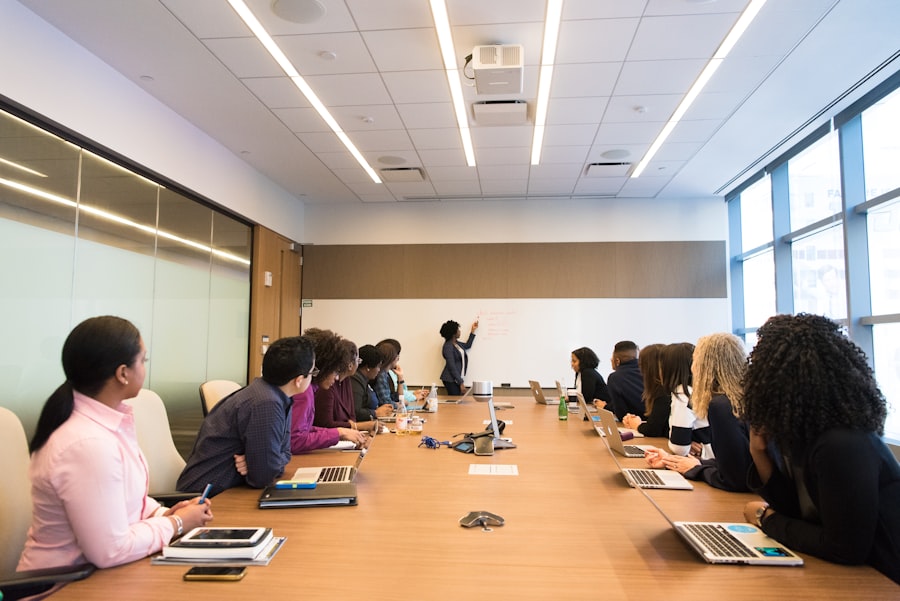
Once a meeting is deemed necessary, its structure becomes paramount to its success. A well-crafted agenda is not merely a list of topics; it is a strategic blueprint for efficient discussion and decisive action. Without one, a meeting risks becoming a rudderless ship adrift at sea.
The Essential Elements of a Strategic Agenda
A truly effective agenda acts as a roadmap, guiding participants towards a specific destination. It should be shared in advance to allow for preparation and to ensure alignment.
Key Components to Include
- Clear Objective: What is the single, overarching goal of this meeting? This should be stated upfront and indisputably.
- Time Allocation: Assign realistic time limits to each agenda item. This encourages conciseness and prevents discussions from spiraling.
- Key Discussion Points/Questions: Frame specific questions or topics that need to be addressed. This prevents rambling and keeps the conversation focused.
- Desired Outcomes: What specific decisions or actions should result from this discussion? Be precise about what constitutes a successful outcome for each item.
- Required Pre-Reading/Preparation: Clearly define any materials participants need to review beforehand. This ensures everyone is on the same page and maximizes discussion time.
- Owner of Each Item: Assign a specific person to lead the discussion for each agenda point. This ensures accountability and preparedness.
Timeboxing: The Discipline of Focused Discussion
Timeboxing is a powerful technique that involves allocating a fixed amount of time to each agenda item and strictly adhering to those limits. This injects discipline into discussions and prevents them from overrunning, thus safeguarding your deep work time.
Implementing Timeboxing Effectively
- Assign a Timekeeper: Designate one person to monitor the clock and gently signal when time is up for each agenda item.
- Be Prepared to Move On: If a discussion is nearing its time limit and a decision isn’t imminent, be prepared to table the item or assign it for offline discussion.
- Prioritize Ruthlessly: If time is running short, the most critical agenda items should be addressed first.
The “Decision or Discussion” Dichotomy
A critical distinction within meeting agendas is the purpose of each item: is it for decision-making or for discussion? Clearly labeling this clarifies expectations and guides the interaction.
Differentiating Meeting Goals
- Decision-Focused Items: These require a clear outcome – a go/no-go, a selection between options, or a final approval. The facilitator should steer towards a conclusive decision within the allocated time.
- Discussion-Focused Items: These are for brainstorming, information sharing, or exploring different perspectives. While important, they should not consume time that could be used for decision-making if decisions are also on the agenda. The outcome of a discussion item might be a commitment to further research or a plan to revisit the topic with more information.
Cultivating a Meeting-Intelligent Culture
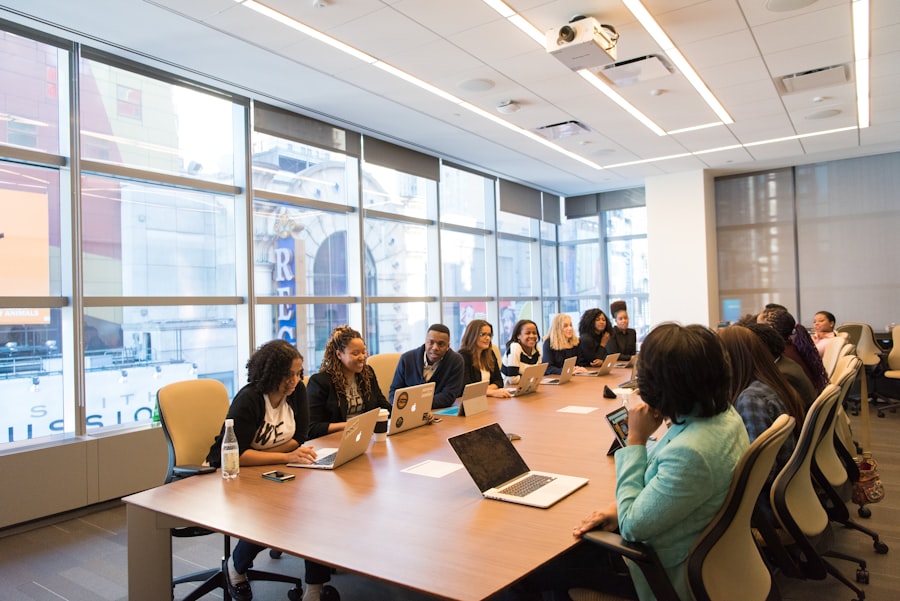
Your personal strategies for managing meetings are only part of the equation. True productivity gains are realized when these principles are embraced by your team or organization. Cultivating a culture that values focused work and intelligent meeting practices requires deliberate effort and consistent reinforcement.
Leading by Example
Your behavior sets the tone. If you consistently demonstrate respect for focused work and skillfully manage your own meeting load, others are more likely to follow suit. Be the change you wish to see in your meeting landscape.
Modeling Productive Behavior
- Prepare Thoroughly: Always come to meetings prepared, having reviewed the agenda and any pre-reading.
- Be Punctual and Concise: Arrive on time and speak directly to the point.
- Gently Redirect Off-Topic Discussions: If a conversation strays, politely steer it back to the agenda.
- Propose Alternatives to Meetings: Suggest email, shared documents, or asynchronous communication when appropriate.
Establishing Clear Meeting Norms
Formalizing expectations around meeting conduct can significantly improve efficiency and reduce unnecessary interruptions. These norms should be agreed upon by the team.
Key Norms to Consider
- Mandatory Agendas: All internal meetings require a clearly defined agenda shared 24 hours in advance.
- Timeboxing Enforcement: Adherence to time limits for agenda items is expected.
- “No Device” Policy (Where Applicable): For discussions requiring deep concentration, encourage participants to put away laptops and phones.
- Action Item Assignment: Every meeting must conclude with clear action items, assigned owners, and due dates.
- Regular Meeting Audits: Periodically review the necessity and effectiveness of recurring meetings.
Leveraging Technology Wisely
Technology can be a double-edged sword in meeting management. While some tools can exacerbate distractions, others can be powerful allies in fostering efficiency and focused collaboration.
Tools for Enhanced Productivity
- Project Management Software: Platforms like Asana, Trello, or Monday.com can facilitate asynchronous communication, document sharing, and task tracking, reducing the need for constant status update meetings.
- Collaborative Document Editors: Tools like Google Docs or Microsoft 365 allow multiple individuals to contribute to documents simultaneously, with clear version history and commenting features, making real-time meetings for edits less essential.
- Video Conferencing Platforms with Features: Utilize features like screen sharing, breakout rooms, and chat functions effectively to maximize engagement and reduce unnecessary tangents. However, be mindful of the potential for “Zoom fatigue.”
- Calendar Blocking: Encourage the use of calendar blocking to visually represent periods of focused work and signal unavailability for ad-hoc meetings.
Managing meetings effectively is crucial for maintaining deep work time, as excessive interruptions can hinder productivity. To explore strategies that can help you optimize your meeting schedule and protect your focused work periods, you might find this article on managing meetings particularly insightful. It offers practical tips and techniques to ensure that meetings are purposeful and efficient, allowing you to reclaim valuable time for deep work. For more details, check out the article here.
Post-Meeting Strategies: Consolidating Gains and Protecting Deep Work
| Metric | Description | Recommended Value/Goal | Impact on Deep Work |
|---|---|---|---|
| Number of Meetings per Day | Total meetings scheduled in a workday | 2 or fewer | Fewer meetings increase uninterrupted deep work time |
| Average Meeting Duration | Length of each meeting in minutes | 30 minutes or less | Shorter meetings reduce cognitive fatigue and preserve focus |
| Meeting-Free Blocks | Continuous hours reserved without meetings | 2-3 hours per day | Allows sustained deep work sessions without interruptions |
| Meeting Preparation Time | Time allocated to prepare for meetings | 10-15 minutes per meeting | Improves meeting efficiency, reducing unnecessary follow-ups |
| Meeting Agenda Presence | Percentage of meetings with a clear agenda | 90% or higher | Focused meetings reduce time wastage and distractions |
| Meeting Participant Limit | Maximum number of attendees per meeting | 5-7 participants | Smaller groups lead to more effective discussions and less time spent |
| Post-Meeting Action Items | Percentage of meetings with clear next steps | 100% | Ensures meetings lead to productive outcomes, minimizing repeat meetings |
The work of managing meetings doesn’t end when the last participant disconnects. The way you handle the aftermath of a meeting can either solidify the gains made or further fragment your day. Efficient follow-up and a robust return to deep work are crucial.
Efficiently Capturing Outcomes
The most common outcome of a meeting should be clear, actionable insights. Ensuring these are captured effectively ensures that the time spent was not in vain.
The Art of the Concise Summary
- Focus on Action Items: Clearly list all agreed-upon actions, who is responsible, and by when they are due.
- Key Decisions Made: Briefly summarize any significant decisions reached during the discussion.
- Next Steps: Outline the immediate next steps for the project or task discussed.
- Distribute Promptly: Share meeting summaries and action items as soon as possible after the meeting.
Re-Entry into Deep Work: The Art of the “Afterburner”
Returning to your deep work after a meeting requires a conscious effort to regain your focus. Think of it as an aircraft re-engaging its afterburners after a brief landing. You need to quickly re-ignite your engines of concentration.
Strategies for Effective Re-engagement
- Dedicate a Buffer Period: Schedule 15-30 minutes immediately after a meeting for review and transition before plunging back into complex tasks. This allows you to process what was discussed and mentally shift gears.
- Prioritize Your Next Deep Work Task: Clearly identify the most important task you need to return to and allocate dedicated time for it.
- Minimize Immediate Distractions: Resist the urge to immediately check emails or social media. Focus on re-engaging with your deep work project.
- Utilize Deep Work Techniques: Employ the same techniques you use for initial deep work sessions, such as focused sprints (e.g., Pomodoro Technique) and minimizing external stimuli.
Learning from Meeting Patterns
Regularly analyzing your meeting patterns can reveal systemic issues and highlight areas for improvement. Treat each meeting as a data point in your quest for optimal productivity.
Conducting Periodic Reviews
- Self-Assessment: At the end of each week or month, review your calendar. Which meetings were most productive? Which were less so? Why?
- Team Feedback: Solicit feedback from your team members on the effectiveness of meetings. What could be done differently?
- Iterate and Adapt: Use the insights gained from your analysis to refine your meeting management strategies and advocate for broader cultural changes.
By implementing these strategies, you can transform your relationship with meetings. You can shift from being a passive participant, dictated by the schedule of others, to an active architect of your own productive workflow. The rewards are substantial: increased output, higher quality work, and a deeper sense of professional fulfillment derived from genuine accomplishment. Your journey to maximizing productivity through intelligent meeting management begins with a single, conscious decision to take control.

WATCH NOW ▶️ WARNING: Your Brain Is Secretly Killing Your Momentum🚨
FAQs
What is the main goal of managing meetings for deep work time?
The main goal is to minimize interruptions and distractions caused by meetings, allowing individuals to focus on tasks that require intense concentration and cognitive effort.
How can scheduling meetings improve deep work time?
Scheduling meetings in blocks or specific time slots helps preserve uninterrupted periods for deep work, ensuring that meetings do not fragment the workday and reduce productivity.
What strategies can be used to make meetings more efficient?
Strategies include setting clear agendas, limiting meeting duration, inviting only essential participants, and using asynchronous communication methods when possible to reduce the need for live meetings.
Why is it important to protect deep work time from meetings?
Deep work requires sustained focus, and frequent meetings can disrupt this focus, leading to decreased quality of work, longer completion times, and increased cognitive fatigue.
Can technology help in managing meetings for deep work?
Yes, tools like calendar apps, meeting schedulers, and communication platforms can help organize meetings efficiently, send reminders, and facilitate asynchronous updates, thereby protecting deep work periods.