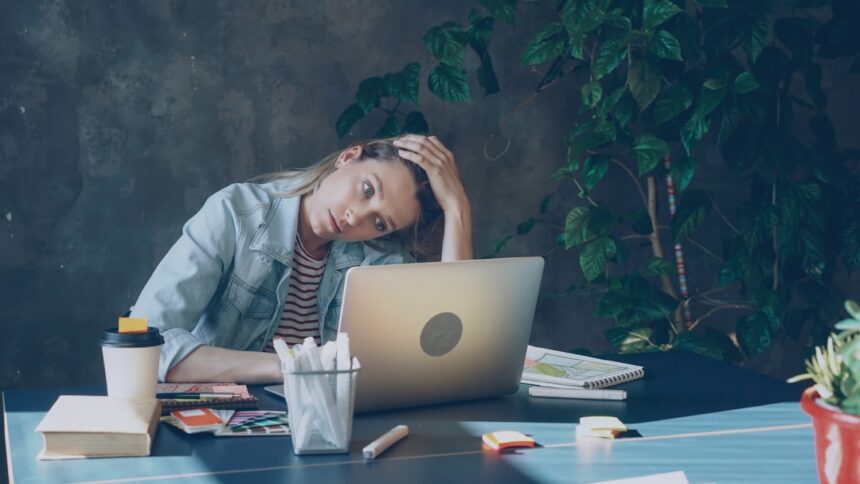
Stress and anxiety are common experiences that many people face in their daily lives. You may find yourself feeling overwhelmed by the demands of work, relationships, or personal responsibilities. Stress is often a response to external pressures, while anxiety can manifest as a more persistent feeling of unease or worry.
Understanding the difference between the two can help you navigate your feelings more effectively. Stress can be acute, arising from specific situations, or chronic, resulting from ongoing challenges. Anxiety, on the other hand, can linger even when the stressor is no longer present, leading to a cycle of worry that can be difficult to break.
Recognizing the signs of stress and anxiety is crucial for managing them. You might experience physical symptoms such as headaches, fatigue, or muscle tension, alongside emotional symptoms like irritability or difficulty concentrating. By acknowledging these feelings, you can begin to take steps toward alleviating them.
It’s important to remember that you are not alone in this experience; many individuals struggle with similar feelings. Understanding that stress and anxiety are natural responses to life’s challenges can help you approach them with compassion rather than judgment.
Key Takeaways
- Stress and anxiety are common experiences that can have negative impacts on mental and physical health.
- It’s important to identify triggers and symptoms of stress and anxiety in order to effectively manage them.
- Practicing mindfulness and relaxation techniques can help reduce stress and anxiety levels.
- Establishing a healthy routine can provide structure and stability, reducing feelings of overwhelm.
- Seeking support from friends and family can provide comfort and perspective during stressful times.
Identifying Triggers and Symptoms
To effectively manage stress and anxiety, you need to identify your personal triggers and symptoms. Take a moment to reflect on situations that consistently lead to feelings of stress or anxiety. Is it a looming deadline at work?
A challenging conversation with a loved one? By pinpointing these triggers, you can develop strategies to cope with them more effectively. Keeping a journal can be a helpful tool in this process; by documenting your feelings and the circumstances surrounding them, you can gain insight into patterns that may emerge.
In addition to recognizing triggers, it’s essential to be aware of your symptoms. You might notice that your heart races when you’re anxious or that you feel a tightness in your chest during stressful moments. These physical manifestations can serve as warning signs that it’s time to take a step back and assess your emotional state.
By becoming more attuned to your body and mind, you can respond proactively rather than reactively when stressors arise.
Practicing Mindfulness and Relaxation Techniques
Mindfulness and relaxation techniques can be powerful tools in managing stress and anxiety. You may find that incorporating practices such as meditation, deep breathing exercises, or yoga into your daily routine helps ground you in the present moment. Mindfulness encourages you to observe your thoughts and feelings without judgment, allowing you to create space between yourself and your stressors.
This practice can help you cultivate a sense of calm amidst chaos. Deep breathing exercises are particularly effective for reducing immediate feelings of anxiety. When you focus on your breath, you activate your body’s relaxation response, which can counteract the physical symptoms of stress.
You might try inhaling deeply through your nose for a count of four, holding for four counts, and exhaling slowly through your mouth for another four counts. Engaging in these techniques regularly can help you build resilience against stress over time.
Establishing a Healthy Routine
| Activity | Frequency | Duration |
|---|---|---|
| Exercise | 5 times a week | 30 minutes |
| Sleep | 7-9 hours | per night |
| Healthy Eating | Every day | – |
| Hydration | Throughout the day | – |
Establishing a healthy routine is vital for managing stress and anxiety effectively. You may find that having a structured daily schedule provides a sense of stability and predictability in your life. Consider incorporating regular sleep patterns, balanced meals, and designated times for work and relaxation into your routine.
When you prioritize self-care and create boundaries around your time, you empower yourself to handle stressors more effectively. In addition to structure, flexibility is also important in your routine. Life is unpredictable, and being able to adapt when things don’t go as planned can reduce feelings of frustration or anxiety.
Allow yourself the grace to adjust your schedule as needed while still maintaining core elements that support your well-being. By finding this balance between structure and flexibility, you can create a routine that nurtures both your mental and physical health.
Seeking Support from Friends and Family
You don’t have to navigate stress and anxiety alone; seeking support from friends and family can be incredibly beneficial. Sharing your feelings with someone you trust can provide relief and perspective. You might find that simply talking about what you’re experiencing helps lighten the emotional load.
Your loved ones may offer insights or coping strategies that you hadn’t considered, enriching your approach to managing stress. Additionally, surrounding yourself with supportive individuals can foster a sense of belonging and connection. Engaging in social activities or simply spending time with those who uplift you can serve as a buffer against stressors.
Remember that it’s okay to lean on others during challenging times; vulnerability can strengthen relationships and create deeper bonds with those around you.
Engaging in Physical Activity
Physical activity is another effective way to combat stress and anxiety. When you engage in exercise, your body releases endorphins—natural mood lifters that can help alleviate feelings of tension or unease. You might find that even a short walk or a quick workout session can significantly improve your mood and energy levels.
The key is to find an activity that you enjoy so that it becomes a regular part of your routine. Incorporating movement into your day doesn’t have to be daunting; it can be as simple as taking the stairs instead of the elevator or dancing to your favorite music at home. The goal is to get your body moving in a way that feels good for you.
As you make physical activity a priority, you’ll likely notice not only improvements in your mental health but also in your overall well-being.
Adopting Healthy Eating Habits
Your diet plays a crucial role in how you feel both physically and mentally. Adopting healthy eating habits can help stabilize your mood and energy levels, making it easier to cope with stressors. You might consider incorporating more whole foods—such as fruits, vegetables, whole grains, and lean proteins—into your meals while reducing processed foods high in sugar and unhealthy fats.
A balanced diet provides the nutrients necessary for optimal brain function and emotional regulation. Additionally, staying hydrated is essential for maintaining mental clarity and focus. You may find that drinking enough water throughout the day helps prevent fatigue and irritability.
Pay attention to how different foods affect your mood; keeping a food diary can help you identify patterns between what you eat and how you feel.
Setting Realistic Goals and Prioritizing Tasks
Setting realistic goals is an important aspect of managing stress and anxiety effectively.
Break down larger goals into smaller, manageable steps that allow you to make progress without feeling overwhelmed.
This approach not only makes tasks feel less daunting but also provides opportunities for small victories along the way. Prioritizing tasks is equally important in reducing feelings of stress. You might consider creating a daily or weekly to-do list that ranks tasks based on urgency or importance.
By focusing on one task at a time rather than trying to juggle multiple responsibilities simultaneously, you can enhance your productivity while minimizing feelings of anxiety. Remember that it’s okay to adjust your goals as needed; flexibility allows for growth without added pressure.
Limiting Exposure to Stressful Situations
While it’s impossible to eliminate all sources of stress from your life, limiting exposure to particularly stressful situations can be beneficial for your mental health. You may find it helpful to assess which environments or activities consistently contribute to feelings of anxiety or overwhelm. If certain social situations drain your energy or specific tasks at work cause undue stress, consider setting boundaries around them.
Learning to say no is an essential skill in this process; it’s okay to prioritize your well-being over obligations that don’t serve you positively. By creating space between yourself and unnecessary stressors, you empower yourself to focus on what truly matters—your health and happiness.
Seeking Professional Help if Needed
If stress and anxiety become overwhelming despite your best efforts, seeking professional help may be necessary. Mental health professionals can provide valuable support through therapy or counseling tailored to your specific needs. You might find that talking with someone trained in coping strategies offers new perspectives on managing your feelings.
Therapy can also provide a safe space for exploring underlying issues contributing to your stress or anxiety. Whether through cognitive-behavioral therapy (CBT), mindfulness-based approaches, or other modalities, professional guidance can equip you with tools for navigating life’s challenges more effectively.
Finding Ways to Unwind and Decompress
Finally, finding ways to unwind and decompress is essential for maintaining balance in your life. You may discover that engaging in hobbies or activities that bring you joy serves as an effective outlet for stress relief. Whether it’s reading a book, painting, gardening, or spending time in nature, dedicating time to activities that nourish your spirit can help restore a sense of calm.
Incorporating relaxation practices into your routine—such as taking warm baths, listening to soothing music, or practicing gentle stretches—can also promote relaxation after a long day. Remember that self-care is not selfish; it’s an essential component of managing stress and anxiety effectively. By prioritizing time for yourself, you cultivate resilience against life’s inevitable challenges while fostering overall well-being.
Managing stress and anxiety is crucial for maintaining both mental and physical well-being. One effective approach is to incorporate mindfulness and time management techniques into your daily routine. For more detailed strategies on how to handle stress and anxiety, you can explore this insightful article on Productive Patty. This resource offers practical tips and methods to help you stay calm and focused, even in the most challenging situations.
WATCH THIS! Stop Donating Your 4,000 Weeks to Procrastination; Invest Minutes Like Compound Interest
FAQs
What is stress and anxiety?
Stress is the body’s natural response to a challenge or demand, while anxiety is a feeling of fear or apprehension about what’s to come.
What are the common symptoms of stress and anxiety?
Common symptoms of stress and anxiety include feeling overwhelmed, irritability, difficulty concentrating, muscle tension, and trouble sleeping.
How can stress and anxiety affect your health?
Chronic stress and anxiety can lead to a variety of health issues, including high blood pressure, heart disease, obesity, and mental health disorders.
What are some effective ways to manage stress and anxiety?
Effective ways to manage stress and anxiety include practicing relaxation techniques, exercising regularly, getting enough sleep, and seeking support from friends, family, or a mental health professional.
What are some relaxation techniques that can help with stress and anxiety?
Relaxation techniques such as deep breathing, meditation, yoga, and progressive muscle relaxation can help reduce stress and anxiety.
When should someone seek professional help for stress and anxiety?
If stress and anxiety are significantly impacting daily life and functioning, it’s important to seek help from a mental health professional.