
Personal development is a journey that every high achiever embarks upon, often driven by an intrinsic desire to reach their fullest potential. As you navigate this path, it’s essential to recognize that personal development is not merely about acquiring new skills or knowledge; it’s about transforming your mindset and behaviors to align with your goals. High achievers understand that personal growth is a continuous process, one that requires self-reflection, commitment, and a willingness to adapt.
By embracing this journey, you can unlock new levels of success and fulfillment in both your personal and professional life. As you delve deeper into personal development, you may find that it encompasses various aspects of your life, including emotional, intellectual, and social growth. High achievers often engage in self-assessment to identify their strengths and weaknesses, allowing them to create a tailored development plan.
This process not only enhances your self-awareness but also empowers you to take charge of your growth trajectory. By understanding the multifaceted nature of personal development, you can cultivate a holistic approach that fosters resilience, adaptability, and a relentless pursuit of excellence.
Key Takeaways
- Personal development is essential for high achievers to reach their full potential and excel in their endeavors.
- Setting clear and achievable goals is crucial for high achievers to stay focused and motivated.
- Cultivating a growth mindset allows high achievers to embrace challenges and learn from failures.
- Effective time management skills are vital for high achievers to maximize productivity and achieve their goals.
- Building resilience and mental toughness helps high achievers overcome setbacks and thrive in the face of adversity.
Setting Clear and Achievable Goals
Setting clear and achievable goals is a cornerstone of personal development for high achievers. When you establish specific objectives, you create a roadmap that guides your actions and decisions. It’s crucial to ensure that your goals are not only ambitious but also realistic and attainable.
By breaking down larger aspirations into smaller, manageable tasks, you can maintain focus and motivation throughout your journey. This structured approach allows you to celebrate small victories along the way, reinforcing your commitment to achieving your ultimate vision. Moreover, the process of goal-setting encourages you to reflect on your values and priorities.
As you define what success looks like for you, consider the areas of your life that matter most. Whether it’s advancing in your career, improving your health, or nurturing relationships, aligning your goals with your core values will enhance your sense of purpose. High achievers often revisit and adjust their goals as they evolve, ensuring that they remain relevant and inspiring.
This dynamic approach not only keeps you engaged but also fosters a sense of ownership over your personal development journey.
Cultivating a Growth Mindset

A growth mindset is essential for high achievers who seek to maximize their potential. This concept, popularized by psychologist Carol Dweck, emphasizes the belief that abilities and intelligence can be developed through dedication and hard work. As you cultivate a growth mindset, you begin to view challenges as opportunities for learning rather than obstacles to success.
This shift in perspective can significantly impact your approach to personal development, encouraging you to embrace new experiences and take on challenges with confidence. To foster a growth mindset, it’s important to practice self-compassion and resilience in the face of setbacks. High achievers understand that failure is not a reflection of their worth but rather a stepping stone toward growth.
By reframing failures as valuable lessons, you can develop a more positive outlook on challenges. Surrounding yourself with supportive individuals who encourage growth and learning can also reinforce this mindset. Engaging in discussions about personal development with like-minded peers can inspire you to push beyond your limits and explore new possibilities.
Developing Effective Time Management Skills
| Time Management Skill | Metrics |
|---|---|
| Setting Priorities | Number of tasks prioritized |
| Goal Setting | Number of goals set |
| Planning and Scheduling | Percentage of tasks scheduled |
| Eliminating Time Wasters | Time spent on non-productive activities |
| Delegating Tasks | Number of tasks delegated |
Effective time management is a critical skill for high achievers who juggle multiple responsibilities and aspirations. As you strive for excellence, mastering the art of prioritization becomes essential. Begin by assessing how you currently allocate your time and identifying areas where improvements can be made.
Utilizing tools such as calendars, to-do lists, or time-tracking apps can help you gain clarity on how you spend your days. By organizing your tasks based on urgency and importance, you can ensure that your efforts align with your goals. Additionally, it’s vital to recognize the importance of setting boundaries when it comes to time management.
High achievers often face numerous demands on their time, making it easy to become overwhelmed. Learning to say no to non-essential commitments allows you to focus on what truly matters. Moreover, incorporating techniques such as the Pomodoro Technique or time-blocking can enhance your productivity by creating structured intervals for focused work followed by breaks.
By honing your time management skills, you empower yourself to make the most of each day while maintaining a healthy work-life balance.
Building Resilience and Mental Toughness
Resilience and mental toughness are indispensable traits for high achievers navigating the complexities of personal development. Life is filled with challenges and uncertainties, and developing the ability to bounce back from adversity is crucial for sustained success. As you work on building resilience, consider adopting strategies such as mindfulness practices or stress management techniques.
These tools can help you maintain composure during difficult times and enable you to approach challenges with a clear mind. Moreover, mental toughness involves cultivating a strong sense of determination and perseverance in the face of obstacles. High achievers often embrace discomfort as part of their growth journey, understanding that true progress lies outside their comfort zones.
By pushing through challenges and maintaining a positive attitude, you can develop the grit necessary to overcome setbacks. Surrounding yourself with supportive individuals who encourage resilience can also bolster your mental toughness, providing a network of encouragement during tough times.
Enhancing Emotional Intelligence
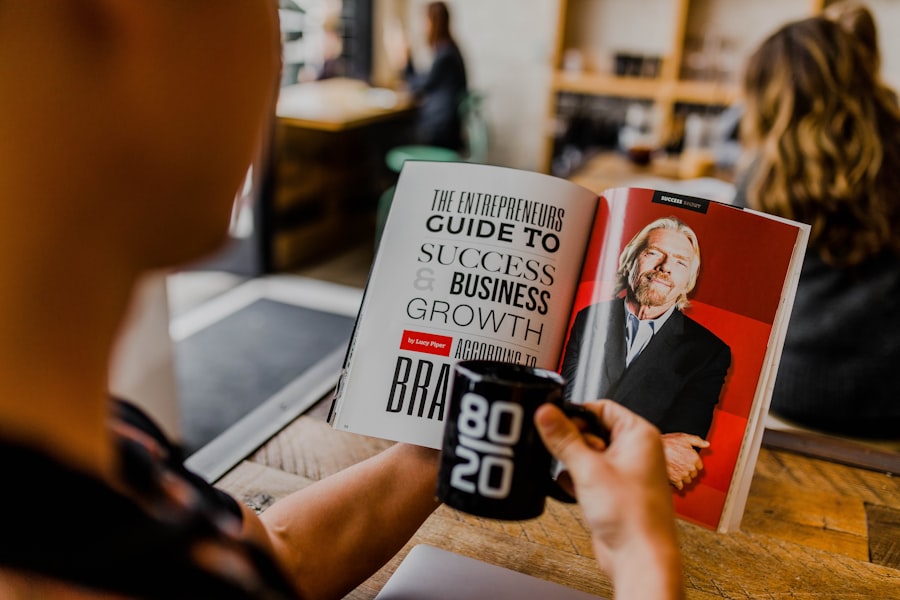
Emotional intelligence (EI) is a vital component of personal development for high achievers. It encompasses the ability to recognize, understand, and manage your emotions while also empathizing with others. As you enhance your emotional intelligence, you become more adept at navigating interpersonal relationships and fostering collaboration in both personal and professional settings.
High achievers often leverage their emotional intelligence to build strong connections with others, leading to improved communication and teamwork. To develop emotional intelligence, start by practicing self-awareness. Take time to reflect on your emotions and how they influence your behavior.
Additionally, actively seeking feedback from others can provide valuable perspectives on how your emotions impact those around you. By honing your emotional intelligence skills, you not only improve your relationships but also enhance your decision-making abilities, leading to more effective leadership and collaboration.
Improving Communication and Interpersonal Skills
Effective communication is paramount for high achievers who seek to influence others and foster meaningful connections. As you work on improving your communication skills, consider both verbal and non-verbal aspects of interaction. Active listening is a crucial component; it involves fully engaging with others during conversations rather than merely waiting for your turn to speak.
By demonstrating genuine interest in others’ perspectives, you create an environment conducive to open dialogue and collaboration. Furthermore, honing your interpersonal skills involves understanding the nuances of body language and emotional cues. High achievers often excel in reading non-verbal signals, allowing them to respond appropriately in various situations.
Practicing empathy—putting yourself in others’ shoes—can also enhance your ability to connect with people on a deeper level. By investing time in developing these skills, you position yourself as an effective communicator who can inspire and motivate others toward shared goals.
Seeking Feedback and Continuous Improvement
Feedback is an invaluable tool for high achievers committed to continuous improvement. Embracing constructive criticism allows you to identify areas for growth while reinforcing your strengths. As you seek feedback from peers, mentors, or supervisors, approach it with an open mind and a willingness to learn.
High achievers understand that feedback is not a personal attack but rather an opportunity for development.
In addition to seeking feedback from external sources, it’s essential to engage in self-reflection regularly.
Take time to assess your progress toward your goals and evaluate what strategies are working or need adjustment. This practice fosters a culture of continuous improvement within yourself, encouraging adaptability in an ever-changing environment. By combining external feedback with self-assessment, you create a comprehensive approach to personal development that propels you toward greater success.
Embracing Challenges and Taking Calculated Risks
Embracing challenges is a hallmark of high achievers who understand that growth often occurs outside their comfort zones. As you encounter obstacles or unfamiliar situations, view them as opportunities for learning rather than threats to your success. Taking calculated risks involves assessing potential outcomes while remaining open to new experiences.
High achievers often weigh the pros and cons before making decisions but are willing to step into uncertainty when the potential rewards align with their goals. Moreover, embracing challenges fosters resilience and adaptability—qualities essential for navigating the complexities of life and work. When faced with difficulties, remind yourself of past successes where perseverance led to positive outcomes.
This mindset shift can empower you to tackle new challenges with confidence and determination. Surrounding yourself with individuals who encourage risk-taking can also provide the support needed to step outside familiar boundaries.
Balancing Work and Personal Life
Achieving balance between work and personal life is crucial for sustaining long-term success as a high achiever. While ambition drives you toward professional accomplishments, neglecting personal well-being can lead to burnout and diminished productivity over time. To cultivate balance, prioritize self-care activities that recharge your energy—whether through exercise, hobbies, or spending quality time with loved ones.
Recognizing that both work and personal life contribute to overall fulfillment allows you to create boundaries that protect your time. Additionally, consider implementing strategies such as setting specific work hours or designating “unplugged” times where technology is set aside for personal pursuits. High achievers often find that establishing these boundaries enhances their focus during work hours while allowing them to fully engage in personal activities without distractions.
By consciously striving for balance between work commitments and personal interests, you create a sustainable lifestyle that supports both professional growth and personal happiness.
Sustaining Motivation and Overcoming Setbacks
Sustaining motivation throughout your personal development journey requires intentional effort and resilience in the face of setbacks. High achievers often encounter obstacles that challenge their resolve; however, maintaining a positive mindset is key to overcoming these hurdles. When faced with difficulties or disappointments, remind yourself of your long-term vision and the reasons behind your goals.
Reconnecting with your “why” can reignite passion and determination during challenging times. Moreover, developing strategies for overcoming setbacks is essential for maintaining momentum in your journey toward success. Consider creating a support system of mentors or peers who can provide encouragement during tough times.
Engaging in self-care practices—such as mindfulness or physical activity—can also help alleviate stress and restore motivation when faced with challenges. By cultivating resilience and employing effective strategies for sustaining motivation, you position yourself for continued growth as a high achiever committed to personal development.
For high achievers looking to enhance their personal development journey, exploring effective strategies and tools is crucial. An insightful article that delves into this topic can be found on Productive Patty’s website. This article provides valuable tips and techniques tailored specifically for individuals striving for excellence in their personal and professional lives. To read more about these strategies, visit the article on Productive Patty.
WATCH THIS! Stop Donating Your 4,000 Weeks to Procrastination; Invest Minutes Like Compound Interest
FAQs
What is personal development for high achievers?
Personal development for high achievers refers to the process of improving oneself in various aspects such as skills, knowledge, mindset, and behavior in order to reach one’s full potential and achieve success in their personal and professional lives.
Why is personal development important for high achievers?
Personal development is important for high achievers as it helps them to continuously grow, adapt to change, and overcome challenges. It also enables them to enhance their leadership abilities, increase their self-awareness, and maintain a competitive edge in their respective fields.
What are some common areas of personal development for high achievers?
Common areas of personal development for high achievers include goal setting, time management, communication skills, emotional intelligence, resilience, decision-making, and self-confidence. Additionally, high achievers often focus on developing their leadership skills, networking abilities, and financial literacy.
How can high achievers engage in personal development?
High achievers can engage in personal development through various methods such as attending workshops, seminars, and training programs, reading self-help books, seeking mentorship, coaching, or counseling, and participating in networking events. They can also utilize online resources, join professional organizations, and engage in reflective practices such as journaling and meditation.
What are the benefits of personal development for high achievers?
The benefits of personal development for high achievers include increased self-awareness, improved decision-making, enhanced leadership abilities, better communication skills, greater resilience, and a stronger sense of purpose and fulfillment. It also leads to increased productivity, better work-life balance, and overall success in both personal and professional endeavors.