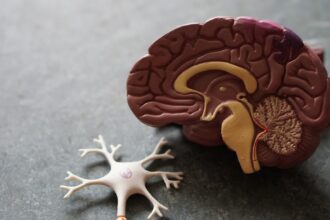
When faced with high-pressure situations, your neurological and psychological responses can either pave the way for success or lead to significant detriment. Mastering nerve control is not an innate talent but a developed skill, honed through understanding, practice, and methodical application. This article will guide you through the intricacies of your physiological and psychological reactions under stress, providing actionable strategies to cultivate resilience and optimal performance.
Under pressure, your body initiates a complex cascade of physiological changes, collectively known as the “fight or flight” response. This ancient survival mechanism, while beneficial in ancestral threats, can be counterproductive in modern high-stakes environments such as public speaking, critical decision-making, or competitive performance.
The Adrenaline Surge and Its Consequences
Upon perceiving a threat, your adrenal glands release a surge of hormones, primarily adrenaline (epinephrine) and noradrenaline (norepinephrine). These catecholamines prepare your body for immediate action.
- Increased Heart Rate and Blood Pressure: Your cardiovascular system accelerates, pumping blood more rapidly to large muscle groups. While this supplies oxygen and nutrients for physical exertion, it can lead to sensations of palpitations or a pounding heart, which can be distracting and anxiety-inducing.
- Rapid, Shallow Breathing (Hyperventilation): Your respiratory rate increases, aiming to maximize oxygen intake. However, this often manifests as shallow, chest-level breathing rather than deep diaphragmatic breaths. Hyperventilation can lead to a reduction in carbon dioxide levels in your blood, causing lightheadedness, dizziness, and even tingling sensations in your extremities. These physical symptoms can further exacerbate feelings of panic.
- Muscle Tension: Your muscles involuntarily tense, preparing for physical action. This sustained tension can cause discomfort, stiffness, and can impair fine motor skills, which are crucial in many high-pressure tasks requiring precision. Think of a surgeon with trembling hands or a musician unable to hold an instrument steadily.
- Digestive System Inhibition: Non-essential bodily functions, such as digestion, are suppressed to re-route energy to more critical systems. This can manifest as a “knot in your stomach,” nausea, or even an urge to use the restroom, further contributing to discomfort and distraction.
- Pupil Dilation: Your pupils dilate to allow more light into your eyes, enhancing visual acuity. While this might be beneficial in low-light physical threats, in cognitive tasks, it can lead to a sense of overwhelming sensory input.
- Sweating: Your body’s cooling system activates in anticipation of increased physical activity. Excessive sweating can be a visible sign of distress, which can, in turn, increase self-consciousness and anxiety.
The Neurochemical Impact on Cognition
The neurochemical cocktail released during stress also significantly impacts your cognitive functions. While some aspects might momentarily enhance focus on immediate threats, others can severely impair complex thought processes.
- Tunnel Vision (Perceptual Narrowing): Your attention becomes highly focused on the perceived threat, neglecting peripheral information. While this might be useful for dodging a physical object, it can lead to overlooking critical data points or alternative solutions in complex problem-solving. It’s like looking through a straw instead of a wide-angle lens.
- Impaired Working Memory: The prefrontal cortex, responsible for working memory, planning, and executive functions, can become less efficient under acute stress. This makes it difficult to recall information, process multiple variables, or engage in abstract thought. You might find yourself “blanking” or struggling to articulate thoughts clearly.
- Difficulty with Decision-Making: With impaired working memory and tunnel vision, rational decision-making becomes challenging. You might resort to impulsive actions or indecision, rather than carefully evaluating options and their potential consequences.
- Increased Emotional Reactivity: The amygdala, your brain’s emotional control center, becomes hyperactive, intensifying feelings of fear, anger, or frustration. This can lead to irrational responses and difficulty regulating your emotional state, further compromising performance.
If you’re looking for effective strategies to normalize nerves during high-stakes tasks, you might find the article on Productive Patty particularly helpful. It offers practical tips and techniques to manage anxiety and enhance performance under pressure. You can read more about it in this insightful piece: How to Normalize Nerves During High-Stakes Tasks.
Practical Strategies for Physiological Regulation
Effectively managing your physiological responses is the cornerstone of nerve control. By consciously intervening, you can mitigate the detrimental effects of the stress response.
Diaphragmatic or “Belly” Breathing
This technique is a powerful antidote to hyperventilation and a direct pathway to activating your parasympathetic nervous system, the “rest and digest” system.
- Mechanism: When you breathe deeply from your diaphragm, you stimulate the vagus nerve, which runs from your brainstem to your abdomen. Vagal nerve stimulation slows your heart rate, lowers blood pressure, and promotes relaxation.
- Technique: Place one hand on your chest and the other on your abdomen. Inhale slowly and deeply through your nose for a count of four, ensuring your abdomen rises while your chest remains relatively still. Hold your breath for a count of four, then exhale slowly through your mouth for a count of six, feeling your abdomen fall. Repeat this process for several minutes, focusing solely on the sensation of your breath.
- Application: Practice this regularly in low-stress environments until it becomes second nature. In a high-pressure situation, excuse yourself if possible, or subtly employ this technique. Even a few deep breaths can significantly re-regulate your physiology.
Progressive Muscle Relaxation (PMR)
PMR involves systematically tensing and relaxing different muscle groups, helping you identify and release tension throughout your body.
- Mechanism: By consciously tensing muscles, you heighten your awareness of the contrast when they are relaxed. This process helps interrupt the stress-induced muscle contraction cycle and promotes overall physical relaxation.
- Technique: Begin by tensing the muscles in your feet for about five seconds, then release them, focusing on the sensation of relaxation. Gradually move up your body, tensing and relaxing your calves, thighs, glutes, abdomen, chest, arms, hands, shoulders, neck, and face.
- Application: PMR can be performed in short bursts or longer sessions. In a high-pressure scenario, you can discreetly clench and release your fists or tighten and relax your leg muscles under a table to release pent-up tension.
Controlled Sensory Input
In moments of intense pressure, your senses can become overwhelmed. Taking control of what you perceive can help calm your nervous system.
- Visual Focus: Rather than allowing your gaze to dart erratically, choose a single, neutral object to focus on for a few seconds. This can interrupt the visual “noise” of anxiety. For instance, focusing on a corner of a picture frame or a specific pattern on the wall.
- Auditory Grounding: If your environment is noisy or chaotic, try to identify three distinct sounds you can hear. This exercise pulls your attention away from internal anxieties and grounds you in the present moment.
- Tactile Feedback: Engage your sense of touch. Feel the texture of your clothing, the smooth surface of a pen, or the coolness of a glass of water. This can provide a comforting anchor in a turbulent mental state.
Cultivating Mental Fortitude and Cognitive Control

Alongside physiological regulation, developing robust mental strategies is crucial for navigating high-pressure situations effectively. Your thoughts and interpretations significantly shape your experience of stress.
Reframing and Cognitive Restructuring
Your perception of a situation directly influences your stress response. Reframing is the process of changing the way you view a challenge.
- Challenge vs. Threat: Instead of viewing a high-stakes presentation as a “threat” that could lead to public humiliation, reframe it as a “challenge” – an opportunity to showcase your expertise and connect with an audience. This subtle shift from a negative to a neutral or positive interpretation can significantly alter your emotional and physiological state.
- Opportunity for Growth: View mistakes or setbacks not as failures, but as valuable learning experiences. This perspective fosters resilience and reduces the fear of imperfection, which can otherwise paralyze action.
- Performance Anxiety as Excitement: The physical sensations of anxiety (increased heart rate, heightened awareness) are physiologically similar to excitement. Instead of interpreting these sensations as signs of impending failure, tell yourself, “I’m not anxious; I’m excited and energized for this opportunity.” Research shows this cognitive shift can improve performance.
Visualization and Mental Rehearsal
Your brain often cannot distinguish between a vividly imagined event and a real one. Use this to your advantage through visualization.
- Success Scenario: Before a high-pressure event, mentally rehearse the entire scenario, from start to finish, vividly imagining yourself performing flawlessly and achieving a positive outcome. Engage all your senses: what would you see, hear, feel, and even smell in that successful moment?
- Coping with Obstacles: Don’t just visualize success; also mentally rehearse how you would calmly and effectively handle potential obstacles or unexpected challenges. For example, if giving a speech, what if the projector fails? Visualize yourself gracefully adapting, perhaps continuing without slides or quickly troubleshooting. This prepares your brain for contingencies, reducing the likelihood of being caught off guard.
- Pre-Performance Routines: Establish a consistent pre-performance routine that includes visualization. This routine acts as a mental warm-up, signaling to your brain that it’s time to focus and perform.
Self-Talk and Affirmations
The internal dialogue you engage in profoundly impacts your confidence and ability to perform under pressure.
- Positive Affirmations: Replace negative self-talk (“I’m going to mess this up”) with positive, constructive affirmations (“I am prepared; I can handle this; I am capable”). These affirmations should be specific, believable, and framed in the present tense.
- Encouraging Inner Coach: Cultivate an “inner coach” – a voice that offers encouragement, constructive feedback, and belief in your abilities, much like a supportive mentor. This counteracts the often harsh and critical “inner critic.”
- Mindful Awareness of Thoughts: Practice mindfulness to become aware of your thoughts without judgment. When negative thoughts arise, acknowledge them, and then gently redirect your attention to more positive or task-relevant thoughts. Don’t fight the negative thoughts; simply observe and let them pass like clouds in the sky.
Building Resilience Through Preparation and Experience

While immediate strategies are vital, long-term mastery of nerve control is built upon thorough preparation and accumulated experience. These pillars form the bedrock of your confidence.
Meticulous Preparation
Insufficient preparation is a significant contributor to anxiety in high-pressure situations. The more prepared you are, the less scope there is for uncertainty and the greater your confidence.
- Knowledge Acquisition: Master the subject matter or skill required. Know it inside and out, not just superficially. This deep understanding acts as an internal safety net.
- Practice and Repetition: Rehearse the task repeatedly. For a presentation, practice out loud. For a skill, perform it multiple times. Repetition builds muscle memory and solidifies neural pathways for efficient execution, reducing the cognitive load during the actual event.
- Scenario Planning: Anticipate potential challenges or questions and prepare responses or contingency plans. This reduces the element of surprise, which is a major anxiety trigger.
- Environmental Familiarization: If possible, familiarize yourself with the environment where the high-pressure situation will take place. Visit the room, understand the setup, and visualize yourself succeeding in that specific context.
Gradual Exposure and Desensitization
Exposure to pressure, in measured doses, is essential for building tolerance. Avoiding pressure only amplifies its perceived threat.
- Incremental Challenges: Start with low-stakes pressure situations and gradually increase the intensity. For instance, if public speaking is a challenge, begin by speaking in front of a small group of trusted friends, then a larger, more varied audience, and so on.
- Simulated Environments: Create simulated high-pressure environments to practice your responses. This could involve role-playing, mock interviews, or timed drills. The aim is to acclimatize your brain and body to the sensations of pressure in a controlled setting.
- Reflect and Learn: After each experience, regardless of outcome, reflect on what went well and what could be improved. This continuous learning cycle reinforces positive behaviors and helps adapt future strategies. Document your experiences and insights to track your progress.
When facing high-stakes tasks, it’s essential to find effective strategies to normalize nerves and maintain focus. One helpful resource is an article that provides practical tips on managing anxiety and enhancing performance under pressure. You can explore these techniques in detail by visiting this insightful piece on productive approaches to overcoming stress. Implementing these strategies can significantly improve your ability to perform at your best when it matters most.
The Role of Lifestyle and Wellbeing
| Technique | Description | Effectiveness (%) | Recommended Duration | Notes |
|---|---|---|---|---|
| Deep Breathing | Slow, controlled breaths to reduce heart rate and calm the mind | 75 | 3-5 minutes before task | Focus on diaphragmatic breathing for best results |
| Visualization | Mentally rehearsing success and positive outcomes | 68 | 5-10 minutes prior | Use vivid imagery to enhance confidence |
| Progressive Muscle Relaxation | Systematically tensing and relaxing muscle groups | 70 | 10-15 minutes before task | Helps reduce physical tension associated with nerves |
| Positive Self-Talk | Replacing negative thoughts with affirmations | 65 | Continuous practice | Builds long-term confidence and reduces anxiety |
| Preparation & Practice | Thoroughly preparing and rehearsing the task | 85 | Varies depending on task complexity | Most effective method to reduce nerves |
| Mindfulness Meditation | Focusing on the present moment to reduce stress | 60 | 10-20 minutes daily | Improves overall emotional regulation |
Your overall physical and mental wellbeing significantly influences your capacity to manage stress and control your nerves. Neglecting these fundamental aspects can undermine even the most sophisticated techniques.
Adequate Sleep
Sleep deprivation significantly impairs cognitive function, emotional regulation, and stress resilience.
- Cognitive Impairment: Insufficient sleep degrades working memory, problem-solving abilities, and focus – all critical for high-pressure performance.
- Emotional Volatility: Lack of sleep makes you more emotionally reactive and less equipped to handle stressors. Your amygdala becomes more active, and your prefrontal cortex, which usually exerts control over emotions, becomes less effective.
- Recommendation: Aim for 7-9 hours of quality sleep per night. Establish a consistent sleep schedule and create a conducive sleep environment.
Regular Physical Activity
Exercise is a potent stress reducer and mood enhancer.
- Endorphin Release: Physical activity triggers the release of endorphins, natural mood elevators that reduce pain and promote a sense of wellbeing.
- Stress Hormone Reduction: Exercise helps burn off excess adrenaline and cortisol, the primary stress hormones.
- Improved Cardiovascular Health: A healthy cardiovascular system is better equipped to handle the physiological demands of the stress response.
- Recommendation: Incorporate at least 30 minutes of moderate-intensity exercise most days of the week.
Balanced Nutrition
Your diet directly impacts your brain function and energy levels.
- Blood Sugar Stability: Fluctuations in blood sugar can exacerbate feelings of anxiety and irritability. A diet rich in complex carbohydrates, lean proteins, and healthy fats helps maintain stable blood sugar.
- Nutrient Support: Micronutrients like B vitamins, magnesium, and omega-3 fatty acids play crucial roles in neurotransmitter production and overall brain health. Deficiencies can impact mood and cognitive function.
- Hydration: Dehydration, even mild, can impair concentration and increase feelings of fatigue and anxiety. Ensure adequate water intake throughout the day.
- Recommendation: Prioritize whole, unprocessed foods. Minimize intake of refined sugars, excessive caffeine, and unhealthy fats, which can contribute to jitters and energy crashes.
Mindfulness and Meditation
These practices train your mind to stay present and observe thoughts and emotions without getting entangled in them.
- Decreased Rumination: Mindfulness reduces the tendency to dwell on past mistakes or future anxieties, both of which are triggers for nervous reactions.
- Enhanced Emotional Regulation: Through consistent practice, you develop the ability to observe your emotional states with a degree of detachment, providing a window of opportunity to choose your response rather than react impulsively.
- Improved Focus: Meditation strengthens your attentional control, which is invaluable in maintaining focus under pressure.
- Recommendation: Start with short daily meditation sessions (5-10 minutes) and gradually increase duration. Numerous apps and guided meditations are available to assist you.
Mastering nerve control is a continuous journey, not a destination. It involves integrating an understanding of your physiological and psychological landscape with diligent practice and a holistic approach to wellbeing. By systematically applying these strategies, you equip yourself with the resilience and mental agility to not only perform optimally in high-pressure situations but also to thrive in the face of life’s inherent challenges. You are building an internal compass that guides you calmly through the storm, allowing you to navigate complex landscapes with unwavering composure.

WATCH NOW ▶️ STOP Sabotaging Your Success: The 80% Identity Trap
FAQs
What are common signs of nerves during high stakes tasks?
Common signs include increased heart rate, sweating, shaky hands, dry mouth, and difficulty concentrating. These physical and mental symptoms are typical responses to stress and anxiety.
How can deep breathing help normalize nerves?
Deep breathing activates the parasympathetic nervous system, which helps reduce heart rate and promotes relaxation. Practicing slow, controlled breaths can calm the mind and body during stressful situations.
Why is preparation important for managing nerves?
Being well-prepared increases confidence and reduces uncertainty, which are major contributors to nervousness. Familiarity with the task and having a clear plan can help minimize anxiety.
Can visualization techniques reduce nervousness?
Yes, visualization involves mentally rehearsing a successful performance, which can build confidence and reduce fear. Imagining positive outcomes helps create a calm and focused mindset.
Are there lifestyle habits that support nerve control during high stakes tasks?
Regular exercise, adequate sleep, and a balanced diet contribute to overall stress resilience. Avoiding excessive caffeine and practicing mindfulness can also help maintain calmness in high-pressure situations.