
You find yourself reaching for your phone. It’s a reflexive motion, as ingrained as blinking or breathing. The moment of quietude, the unmet urge, the flicker of boredom – any of these can trigger the Pavlovian response: hand to pocket, unlock screen, swipe. You know you shouldn’t. You tell yourself you won’t. Yet, here you are, lost in the digital ether, a prisoner of your own glowing rectangle. This is the twitch, the persistent, often subconscious urge to check your phone, and it’s hijacking your attention, eroding your productivity, and diminishing your presence. This article will guide you through understanding and breaking this pervasive habit.
Your phone is not merely a communication device; it’s a meticulously engineered dopamine delivery system, designed to keep you engaged. The constant stream of notifications, the endless scroll of social media feeds, the anticipation of novel stimuli – these all tap into your brain’s reward pathways, creating a cycle of craving and satisfaction that’s difficult to escape. This isn’t a failing of your willpower; it’s a testament to the sophisticated design of the platforms you interact with.
The Neuroscience of the Scroll
The intermittent reinforcement schedule employed by many apps is particularly potent. Think of it like a slot machine. You don’t win every time, but the occasional reward – a like, a comment, a new piece of information – is just enough to keep you pulling the lever. This unpredictability makes the behavior incredibly sticky. Your brain releases dopamine, a neurotransmitter associated with pleasure and reward, each time you receive a notification or discover something new. This creates a feedback loop: the phone provides a reward, your brain releases dopamine, you feel good, and you associate the phone with that positive feeling, leading you to seek it out more often.
The Psychological Architects of Addiction
App developers are not simply creating tools; they are employing psychological principles to maximize user engagement. Concepts like variable rewards, social validation, and the fear of missing out (FOMO) are deliberately leveraged. Every red notification badge is a siren call, promising something desirable, be it social connection, entertainment, or knowledge. The algorithms are designed to learn your preferences and feed you precisely what will keep you scrolling, creating a personalized echo chamber that’s both comforting and isolating.
The Illusion of Connectivity
While your phone offers the illusion of staying connected, it can paradoxically lead to feelings of isolation and disconnection from your immediate environment and the people around you. The time spent immersed in the digital world is time taken away from real-world interactions, deeper conversations, and genuine experiences. You might be digitally “present” with hundreds of people, yet feel profoundly alone.
If you’re looking to break free from the habit of constantly checking your phone, you might find helpful insights in a related article on productivity and mindfulness. This article offers practical tips and strategies to help you reduce your screen time and focus on more meaningful activities. To explore these techniques further, check out the article at Productive Patty.
Identifying Your Triggers: The First Step Towards Freedom
Before you can dismantle the habit, you must first understand what initiates the twitch. Triggers are the sensory inputs, emotional states, or environmental cues that prompt you to reach for your phone. They are the subtle whispers in your mind that say, “Just a quick check.”
Environmental Triggers: The Ubiquitous Rectangle
Certain physical environments or moments can become conditioned triggers. Walking into a room, sitting on the toilet, waiting for food to arrive – these mundane silences can become invitations for phone use. The very presence of your phone, especially if it’s visible, can act as a visual cue. Think of it like leaving a tempting dessert on the counter; its mere presence is a constant, subtle temptation.
Emotional Triggers: Seeking Solace or Stimulation
Many people use their phones to manage or escape uncomfortable emotions. Boredom is a primary culprit, but so too are anxiety, stress, sadness, or even a desire for validation. When you feel a pang of insecurity or a wave of unease, the immediate availability of distraction on your phone can feel like a quick fix, albeit a temporary one.
Social Triggers: The Pressure to Be Available
The expectation of immediate responses in social and professional contexts can also be a powerful trigger. The fear of appearing unresponsive, of missing out on an important message, or of being out of the loop can compel you to check your phone even when you don’t necessarily want to. This is often amplified in professional settings where constant availability can be ingrained as a virtue.
Situational Triggers: The Lulls in the Day
Moments of downtime, however brief, are prime territory for the phone twitch. Waiting in line, commuting, or during commercial breaks – these are all opportune moments for the reflex to kick in. You might perceive these as wasted moments, and your phone offers a seemingly productive or entertaining alternative.
Reclaiming Your Attention: Strategies for Disengagement
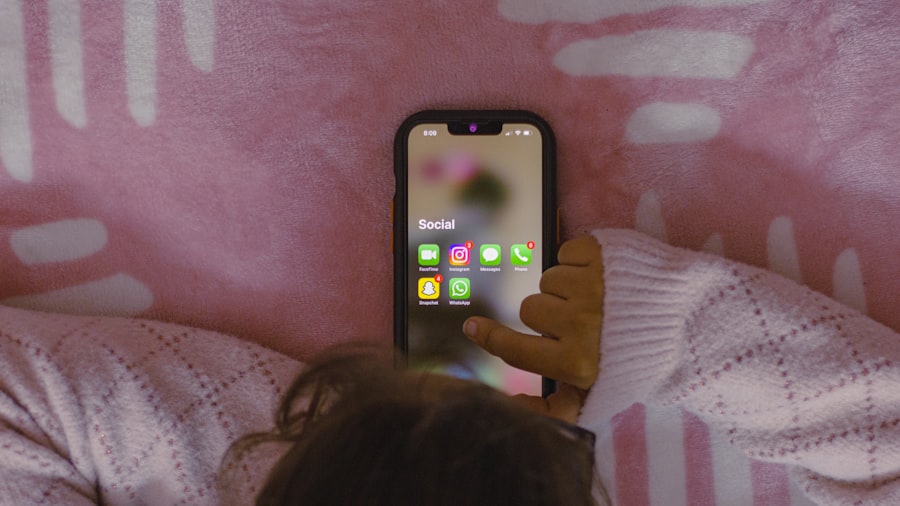
Breaking the phone twitch requires a multi-pronged approach, focusing on both reducing the opportunities for use and strengthening your ability to resist the urge. It’s about building mental muscles and creating an environment that supports your goals.
Digital Detoxification: Creating Space for Reality
A digital detox involves intentionally limiting or eliminating phone use for a specified period. This can range from a few hours a day to a weekend or even longer. The goal is to disrupt the ingrained habit and recalibrate your relationship with your device. This is akin to giving your body a break from a particularly rich and overwhelming meal; it allows you to appreciate simpler tastes again.
Gradual Reduction: A Measured Approach
Instead of an abrupt cut-off, you might opt for a gradual reduction in screen time. Identify specific times of day or activities where you can consciously put your phone away. This might involve setting timers for social media use or designating “phone-free zones” in your home.
Notification Overhaul: Silencing the Sirens
One of the most effective strategies is to aggressively manage your notifications. Turn off all non-essential alerts. Each notification is a tiny tug on your attention, and by silencing them, you drastically reduce the number of triggers you encounter.
App Management: Curating Your Digital Diet
Audit your apps. Delete those that are most addictive or serve no real purpose. For essential apps, consider using features that limit usage time or place them in folders that require more effort to access.
Mindful Usage: Consciously Engaging with Your Device
Mindfulness is about bringing your attention to the present moment without judgment. Applied to phone use, it means being deliberate and intentional about why you are picking up your phone and what you intend to do with it.
The “Why” Question: Intentionality is Key
Before you unlock your screen, ask yourself: “Why am I picking up my phone right now?” Is it for a specific task, to connect with someone, or out of pure habit? If it’s the latter, you’ve identified a twitch and can choose to put it down.
Timeboxing Your Sessions: Setting Boundaries
Allocate specific blocks of time for phone use. For example, you might decide to check emails and social media for 15 minutes in the morning and 15 minutes in the evening. Stick to these time limits rigorously.
Single-Tasking with Your Phone: Avoid the App Shuffle
When you are using your phone, try to focus on one task at a time. Avoid flicking between multiple apps, as this fragments your attention and reinforces the habit of constant switching.
Environmental Redesign: Making Resistance Easier
Your physical environment plays a significant role in your habits. By making subtle changes, you can create an environment that supports your goal of breaking the phone twitch.
The “Phone Away” Zone: Creating Physical Barriers
Designate specific areas or times where your phone is not allowed. This could be your bedroom at night, the dinner table, or during conversations. This creates a clear boundary between your phone-dependent self and your present, engaged self.
Charging Station Strategy: Distance is Your Friend
Consider keeping your phone charger away from your immediate workspace or bedside. This requires a deliberate action to retrieve your phone, adding a small barrier that can interrupt the automatic reach.
Building Friction: Making Access Less Seamless
The seamlessness of smartphone access is a major contributor to its addictive nature. Introducing friction into the process can act as a powerful deterrent.
Passcodes and Face ID: The Lock is Your Ally
While often seen as security measures, complex passcodes and the reliance on Face ID or Touch ID can add enough of a delay to make you reconsider an impulsive check. Experiment with longer, more complex passcodes.
App Organization: Hiding Temptations
Move your most tempting apps off your home screen, burying them in folders that require multiple swipes to access. The extra effort can be enough to break the immediate urge.
Cultivating Alternatives: Replacing the Habit with Healthier Pursuits
Breaking a habit isn’t just about stopping what you don’t want to do; it’s also about actively cultivating what you do want to do. Replacing the phone twitch with fulfilling activities is crucial for long-term success.
Re-engaging with the Physical World: Sensory Immersion
The world outside your screen is rich with sensory experiences often overlooked in favor of digital stimulation. Consciously engage with your surroundings.
The Joy of Boredom: Allowing for Spontaneity
Embrace moments of boredom. Instead of immediately reaching for your phone, allow yourself to simply be. Observe your surroundings, let your mind wander, and see what arises. This is often where creativity and unexpected insights emerge.
Analog Hobbies: The Tactile Pleasures
Rediscover or explore analog hobbies that involve tactile engagement and manual dexterity. This could include reading physical books, playing musical instruments, knitting, drawing, woodworking, or gardening. These activities require sustained focus and offer a different kind of satisfaction than passive digital consumption.
Deepening Real-World Connections: Presence and Dialogue
Your phone can be a barrier to genuine connection. Actively prioritize in-person interactions and mindful communication.
The Power of Conversation: Uninterrupted Dialogue
When you engage in conversations, make a conscious effort to be fully present. Put your phone away, make eye contact, and listen actively. This not only strengthens your relationships but also provides a fulfilling alternative to superficial digital exchanges.
Shared Experiences: Creating Lasting Memories
Engage in activities with others that don’t involve screens. This could be playing board games, going for hikes, cooking together, or attending live events. These shared experiences create deeper bonds and lasting memories.
Mindfulness and Self-Reflection: Understanding Your Inner Landscape
The time freed up from phone checking can be used for introspection and personal growth.
Journaling: Externalizing Your Thoughts
Dedicate time to journaling. Writing down your thoughts, feelings, and experiences can help you process emotions, gain clarity, and track your progress. This is a powerful tool for self-awareness.
Meditation and Deep Breathing: Calming the Inner Storm
Regular meditation or deep breathing exercises can help you develop greater self-control and emotional regulation. These practices train your mind to focus and resist impulses, directly combatting the urge to check your phone.
If you’re looking to break free from the habit of constantly checking your phone, you might find it helpful to explore strategies that promote mindfulness and focus. One insightful resource on this topic can be found in a related article that discusses practical tips for reducing screen time and enhancing productivity. By implementing these techniques, you can cultivate healthier habits and regain control over your attention. For more information, check out this helpful article that offers valuable insights on managing your phone usage effectively.
Sustaining the Change: Building a Resilient Relationship with Your Device
| Strategy | Description | Effectiveness (%) | Time to Implement | Notes |
|---|---|---|---|---|
| Set Specific Phone Checking Times | Designate fixed times during the day to check your phone instead of random checking. | 75 | 1-2 days | Helps build discipline and reduces impulsive behavior. |
| Use App Limiters | Install apps or use built-in features to limit time spent on social media or other apps. | 80 | Immediate | Provides automatic reminders and blocks excessive use. |
| Turn Off Non-Essential Notifications | Disable notifications that are not urgent to reduce distractions. | 70 | Immediate | Reduces triggers that prompt phone checking. |
| Keep Phone Out of Reach | Place phone in another room or out of immediate reach during work or relaxation. | 65 | Immediate | Physical distance helps reduce habitual checking. |
| Practice Mindfulness | Engage in mindfulness exercises to increase awareness of phone checking urges. | 60 | 1-2 weeks | Improves self-control over time. |
| Replace Phone Checking with Alternative Activities | Substitute phone use with hobbies, reading, or physical activity. | 70 | 1 week | Helps break the habit loop by providing other rewards. |
Breaking the phone twitch is not a one-time event, but an ongoing practice. It requires consistent effort and a commitment to maintaining healthy habits.
Continuous Monitoring: The Ongoing Audit
Periodically reassess your phone usage. Are you slipping back into old patterns? Identify any new triggers or challenges and adjust your strategies accordingly. This is like a gardener tending to their plants, ensuring they are healthy and thriving.
Seeking Support: The Power of Community
Share your goals with trusted friends, family members, or colleagues. Having a support system can provide accountability and encouragement. Consider joining online forums or support groups for people struggling with similar issues.
Embracing Imperfection: Setbacks as Learning Opportunities
There will be times when you falter. You will slip up and find yourself mindlessly scrolling. Do not view these as failures, but as opportunities to learn. Analyze what led to the slip-up and identify strategies to prevent it from happening again.
Long-Term Vision: The Rewards of True Presence
Remember your overarching goal: to live a more present, productive, and fulfilling life. The effort you invest in breaking the phone twitch will pay dividends in improved focus, stronger relationships, and a deeper appreciation for the world around you. By understanding the mechanisms of its hold, systematically dismantling the habit, and actively cultivating richer alternatives, you can indeed break the twitch and reclaim your most valuable resource: your attention.

WATCH NOW ▶️ STOP Your Mental Drain: The 24-Hour Decision Reset
FAQs
What causes twitchy phone checking habits?
Twitchy phone checking habits are often caused by a combination of factors including habit formation, the desire for social connection, fear of missing out (FOMO), and the brain’s reward system responding to notifications and new information.
How can I become more aware of my phone checking behavior?
You can become more aware by tracking your phone usage with built-in screen time tools or third-party apps, setting specific times to check your phone, and paying attention to triggers that prompt you to check your device impulsively.
What are effective strategies to reduce frequent phone checking?
Effective strategies include turning off non-essential notifications, setting designated phone-free times or zones, using apps that limit screen time, replacing phone checking with other activities, and practicing mindfulness to manage impulses.
Can changing phone settings help in stopping twitchy phone checking habits?
Yes, adjusting phone settings such as disabling push notifications, enabling grayscale mode, or using “Do Not Disturb” can reduce the urge to check your phone frequently by minimizing distractions and visual stimuli.
Is it beneficial to seek professional help for excessive phone checking habits?
If phone checking habits interfere significantly with daily life, work, or relationships, consulting a mental health professional can be beneficial. They can help address underlying issues such as anxiety or compulsive behaviors and provide tailored strategies.