
Your nervous system is the intricate superhighway of your being, a bustling metropolis of neurons firing, neurotransmitters flowing, and electrical impulses zipping at astonishing speeds. It is the central command center that dictates your every thought, emotion, and action. Within this complex architecture lies the potent capacity for profound focus and unwavering motivation. Optimizing this internal engine is not a mystical art but a science, an ongoing process of understanding and fine-tuning its operational parameters. This article serves as your guide, a blueprint to help you navigate the pathways of your nervous system and unlock its full potential for sustained concentration and drive.
Your nervous system’s ability to direct your attention and fuel your drive is not a static trait but a dynamic system influenced by myriad internal and external factors. Think of it as a sophisticated electrical grid; if the wiring is faulty or the power source is unstable, the entire system suffers.
Central vs. Peripheral: The Command and the Execution
Your nervous system is broadly divided into two main components: the central nervous system (CNS) and the peripheral nervous system (PNS). The CNS, comprising your brain and spinal cord, is the chief executive. It processes information, makes decisions, and sends out commands. The PNS, a network of nerves extending throughout your body, acts as the diligent workforce, carrying sensory information to the CNS and motor commands from it to your muscles and glands. Optimizing focus and motivation requires understanding how these two systems interact and how to ensure seamless communication between them.
The Brain: The Hub of Attention and Drive
Within the CNS, specific brain regions are paramount to our cognitive functions. The prefrontal cortex, the executive control center at the front of your brain, is crucial for planning, decision-making, working memory, and executive functions, all of which underpin focus. The limbic system, particularly the amygdala and hippocampus, plays a significant role in motivation, reward processing, and emotional regulation. When these areas are functioning optimally, they create the fertile ground for intense concentration and a persistent urge to act.
Neurotransmitters: The Chemical Messengers
The efficacy of your nervous system relies heavily on neurotransmitters, the chemical messengers that transmit signals between neurons. Several key neurotransmitters are directly implicated in focus and motivation. Dopamine is famously associated with the reward pathway, influencing motivation and the anticipation of positive outcomes. Norepinephrine (noradrenaline) is a stimulant that plays a vital role in attention, alertness, and arousal. Serotonin, while more broadly linked to mood, also influences cognitive flexibility and perseverance. Acetylcholine is essential for learning and memory, facilitating the ability to learn new tasks and retain information, which can indirectly bolster focus.
The Autonomic Nervous System: The Unseen Regulator
Beyond your conscious control, the autonomic nervous system (ANS) continuously regulates fundamental bodily functions. It has two branches: the sympathetic nervous system (SNS), responsible for the “fight or flight” response, and the parasympathetic nervous system (PNS), responsible for the “rest and digest” state.
Sympathetic vs. Parasympathetic Balance: The Yin and Yang of Performance
A balanced ANS is critical. While the SNS can provide a temporary surge of energy and alertness, chronic activation can lead to distraction, anxiety, and burnout, sabotaging focus and motivation. Conversely, a well-regulated PNS promotes a calm and focused state, allowing for deeper concentration and sustained effort without excessive strain. Learning to shift between these states, utilizing the SNS for bursts of activity and the PNS for periods of calm recovery, is a cornerstone of optimizing your nervous system.
For those interested in understanding how the nervous system plays a crucial role in regulating focus and motivation, a related article can be found on the Productive Patty website. This resource delves into various techniques and strategies that can enhance your mental clarity and drive, making it a valuable read for anyone looking to improve their productivity. You can explore the article further by visiting this link.
Cultivating Focus: Training Your Attentional Muscles
Focus is akin to a muscle; it requires consistent training and strategic conditioning to develop strength and endurance. Without deliberate effort, your attention can become like a butterfly, flitting from one stimulus to the next, never alighting for long.
The Power of Sustained Attention: Building Your Mental Stamina
Sustained attention is your ability to maintain concentration on a single task for an extended period. This is not merely about blocking out distractions but about actively directing and holding your mental resources on the intended target.
Deliberate Practice: Small Bursts for Big Gains
Engage in activities that require prolonged concentration, starting with manageable durations. This could be reading a challenging book, working on a complex problem, or engaging in a skill-based hobby. Gradually increase the time you dedicate to these focused sessions. Aim for quality over quantity in these early stages.
Mindfulness and Meditation: Taming the Wandering Mind
Mindfulness meditation is a potent tool for training attention. By observing your thoughts without judgment and gently redirecting your focus back to your breath or a chosen object, you strengthen your ability to control your attention. Regular practice can significantly improve your capacity to resist distractions and maintain a clear mental state.
Minimizing Distractions: Fortifying Your Mental Fortifications
Distractions are the saboteurs of focus. They are the sirens calling your attention away from your intended course. Identifying and mitigating these threats is paramount.
Environmental Control: Creating Your Sanctuary
Your physical environment plays a significant role in your ability to concentrate. Identify your primary distractions – be it noisy colleagues, notifications on your phone, or an unorganized workspace – and implement strategies to minimize them. This might involve noise-canceling headphones, establishing clear boundaries with others, or decluttering your workspace to create a more conducive atmosphere for deep work.
Digital Detox: Reclaiming Your Cognitive Bandwidth
The constant barrage of notifications from smartphones and computers can fragment your attention and deplete your cognitive resources. Schedule dedicated periods for “digital detox,” where you intentionally disconnect from electronic devices. This allows your brain to enter a state of reduced stimulation, fostering deeper concentration when you do engage with tasks.
The Role of Sleep: The Brain’s Essential Maintenance Crew
Sleep is not a passive state of unconsciousness but a vital period of restoration and consolidation for your brain. During sleep, your nervous system repairs itself, clears out metabolic waste products, and strengthens neural connections.
Sleep Quality and Quantity: The Non-Negotiable Pillars
Insufficient or poor-quality sleep severely impairs cognitive functions, including attention and executive control. Aim for 7-9 hours of quality sleep per night. Establish a consistent sleep schedule, create a relaxing bedtime routine, and optimize your sleep environment to promote uninterrupted rest.
The Impact of Sleep Deprivation: A Fog of Inattention
When you are sleep-deprived, your prefrontal cortex, the seat of focus and executive function, is significantly compromised. This leads to increased distractibility, impaired decision-making, and a reduced ability to sustain effort. Consider sleep a non-negotiable foundation for optimal cognitive performance.
Igniting Motivation: Fueling Your Drive

Motivation is the internal engine that propels you towards your goals. It is the desire to act, the persistence in the face of obstacles, and the drive to achieve. Your nervous system plays a crucial role in both generating and sustaining this powerful force.
The Dopamine Connection: The Reward and Reinforcement Loop
Dopamine, a key neurotransmitter, is heavily involved in the brain’s reward system. It is released when you anticipate a reward, reinforcing behaviors that lead to positive outcomes. Understanding this mechanism allows you to strategically leverage dopamine to enhance your motivation.
Goal Setting and Small Wins: Priming the Dopamine Pump
Break down large goals into smaller, more manageable steps. Accomplishing each small step provides a sense of achievement, triggering the release of dopamine and reinforcing your motivation to continue. Celebrate these small victories; they are the breadcrumbs that lead you to your ultimate destination.
Novelty and Challenge: Keeping the Reward System Engaged
Your brain thrives on novelty and challenge. Introducing new elements into your routine or tackling tasks that push your boundaries can stimulate dopamine release and maintain engagement. Monotony can lead to a decline in motivation, so actively seek out opportunities for growth and learning.
Overcoming Inertia: The Initial Push
The most challenging aspect of motivation is often initiating action. Procrastination is a common barrier, and understanding its roots within your nervous system can help you overcome it.
The Prefrontal Cortex and Action Initiation: Bridging the Gap
The prefrontal cortex is responsible for initiating actions. When you procrastinate, this area may be less engaged, or competing anxieties may be overriding its directives. Strategies that activate this region, such as breaking tasks into the absolute smallest first step, can help overcome this inertia.
The “Just Start” Principle: Gaining Momentum
The “just start” principle is a powerful antidote to procrastination. Commit to working on a task for a very short, fixed period (e.g., 5 minutes). Often, the act of beginning is the hardest part, and once you gain momentum, you’ll find it easier to continue. This leverages the brain’s tendency to build on initial activation.
Resilience and Grit: The Long Haul
Motivation isn’t just about starting; it’s about enduring. Resilience is your ability to bounce back from setbacks, and grit is the perseverance to pursue long-term goals despite adversity. Both are crucial for sustained motivation.
Reframing Failure: Learning from the Stumbles
Your nervous system can learn from perceived failures. Instead of viewing setbacks as insurmountable obstacles, reframe them as opportunities for learning and growth. Analyze what went wrong, adjust your strategy, and move forward with renewed insight. This process strengthens your neural pathways for problem-solving and adaptation.
Building a Support System: The External Reinforcement
Social connections can provide significant motivational support. Sharing your goals with trusted friends or mentors can create accountability and offer encouragement during difficult times. This external reinforcement can bolster your internal drive.
Nutritional and Lifestyle Factors: Nourishing Your Nervous System
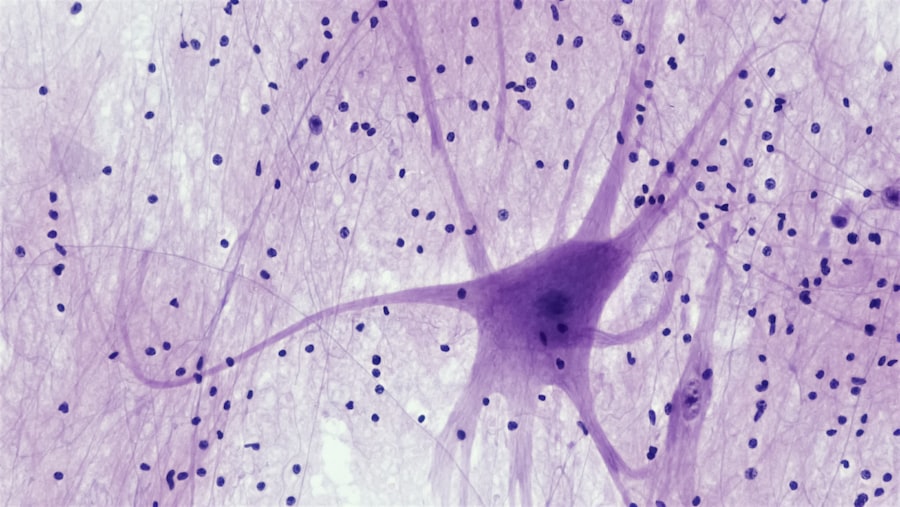
Your nervous system is not an isolated entity; it is intricately linked to your overall physical health. What you consume and how you live directly impacts its ability to function optimally.
Diet: The Brain’s Fuel Source
The food you eat is the raw material from which your brain constructs its neurotransmitters and fuels its electrical activity.
Macronutrients and Micronutrients: The Essential Building Blocks
A balanced diet rich in whole foods provides the necessary macronutrients (proteins, carbohydrates, and healthy fats) and micronutrients (vitamins and minerals) for optimal brain function. Omega-3 fatty acids, found in fatty fish and flaxseeds, are particularly important for brain health and neurotransmitter synthesis. B vitamins are essential for energy production and neurotransmitter synthesis.
Blood Sugar Regulation: The Steady Power Supply
Fluctuations in blood sugar levels can have a dramatic impact on focus and mood. Consuming a diet that promotes stable blood sugar, characterized by complex carbohydrates, lean proteins, and healthy fats, helps maintain a consistent energy supply to your brain, preventing the crashes that can derail concentration. Avoid excessive processed sugars and refined carbohydrates.
Exercise: The Neural Stimulant
Physical activity is not just beneficial for your body; it is a powerful stimulant for your nervous system.
Aerobic Exercise: Enhancing Blood Flow and Neurogenesis
Aerobic exercise, such as running or swimming, increases blood flow to the brain, delivering vital oxygen and nutrients. It also stimulates the release of brain-derived neurotrophic factor (BDNF), a protein that promotes the growth of new neurons and strengthens existing neural connections. This neurogenesis is crucial for learning, memory, and cognitive flexibility, all of which support focus and motivation.
Strength Training: The Cognitive Edge
While aerobic exercise is well-known for its cognitive benefits, strength training also plays a role. It can improve executive functions, reduce stress, and positively impact mood, indirectly contributing to enhanced focus and motivation.
Recent studies have shown that understanding the intricacies of nervous system regulation can significantly enhance focus and motivation in both personal and professional settings. For those interested in exploring this topic further, a related article provides valuable insights into how our body’s responses can be optimized for better productivity. You can read more about it in this informative piece on nervous system regulation. By implementing these strategies, individuals may find themselves better equipped to tackle challenges and maintain sustained attention on their tasks.
Stress Management: Calming the Internal Storm
| Metric | Description | Typical Range/Value | Relevance to Focus and Motivation |
|---|---|---|---|
| Heart Rate Variability (HRV) | Variation in time intervals between heartbeats | 50-100 ms (higher is better) | Higher HRV indicates better autonomic nervous system balance, supporting focus and motivation |
| Sympathetic Nervous System Activity | Level of activation of the fight-or-flight response | Measured via norepinephrine levels or skin conductance | Moderate activation enhances alertness; excessive activation impairs focus |
| Parasympathetic Nervous System Activity | Level of activation of the rest-and-digest response | Measured via vagal tone or acetylcholine levels | Supports calmness and sustained attention, aiding motivation |
| Cortisol Levels | Stress hormone concentration in blood or saliva | Morning: 5-23 µg/dL; Lower levels in evening | Optimal cortisol supports alertness; chronic high levels reduce motivation |
| Dopamine Activity | Neurotransmitter involved in reward and motivation pathways | Measured indirectly via PET scans or metabolites in CSF | Higher dopamine activity correlates with increased motivation and focus |
| Electroencephalogram (EEG) Alpha Waves | Brainwave frequency associated with relaxed alertness | 8-12 Hz frequency range | Balanced alpha activity supports focused attention and mental clarity |
Chronic stress is a pervasive threat to your nervous system’s optimal functioning. It can deplete neurotransmitters, impair cognitive function, and lead to burnout. Learning to manage stress effectively is paramount for sustained focus and motivation.
The Stress Response: Understanding the Hijack
When faced with a perceived threat, your sympathetic nervous system activates the stress response, releasing cortisol and adrenaline. While this is beneficial for short-term survival, chronic activation can lead to a state of hyperarousal, characterized by anxiety, irritability, and an inability to concentrate.
Cortisol and Cognitive Function: The Fog of Overload
Elevated cortisol levels, the body’s primary stress hormone, can impair the hippocampus and prefrontal cortex, affecting memory, learning, and executive functions. This leads to a significant decline in your ability to focus and to make rational decisions.
Relaxation Techniques: Reclaiming Your Calm
Actively engaging in stress-reducing techniques can help counteract the negative effects of chronic stress and restore your nervous system’s balance.
Deep Breathing and Progressive Muscle Relaxation: Grounding Your System
Simple techniques like deep diaphragmatic breathing and progressive muscle relaxation can activate the parasympathetic nervous system, promoting a sense of calm and reducing physiological arousal. Regularly incorporating these practices can build your resilience to stress.
Time in Nature: The Restorative Power of the Outdoors
Exposure to nature has been shown to reduce stress levels, improve mood, and enhance cognitive function. Spending time outdoors, whether it’s a walk in the park or a hike in the mountains, can act as a powerful restorative agent for your nervous system, clearing mental clutter and fostering a sense of peace conducive to focus.
Conclusion: The Lifelong Journey of Optimization
Optimizing your nervous system for focus and motivation is not a destination but a continuous journey. It requires a commitment to understanding your internal landscape, implementing consistent strategies, and adapting to your evolving needs. By paying attention to the foundational principles of nervous system function, cultivating your attentional muscles, igniting your innate drive, nourishing your body, and effectively managing stress, you are not merely improving your cognitive performance; you are enhancing your overall quality of life. This ongoing process of refinement empowers you to navigate your goals with clarity, purpose, and an unwavering spirit of achievement.

WATCH NOW ▶️ STOP Calling Yourself Lazy (The Real Reason You Stall)
FAQs
What is nervous system regulation?
Nervous system regulation refers to the process of managing and balancing the autonomic nervous system to maintain optimal physiological and psychological functioning. It involves techniques and strategies that help control stress responses, improve emotional stability, and enhance cognitive functions such as focus and motivation.
How does nervous system regulation affect focus and motivation?
Regulating the nervous system can improve focus and motivation by reducing stress and anxiety, which often impair cognitive performance. When the nervous system is balanced, the brain can function more efficiently, leading to better attention, clearer thinking, and increased drive to complete tasks.
What are common techniques used for nervous system regulation?
Common techniques include deep breathing exercises, mindfulness meditation, progressive muscle relaxation, physical exercise, and biofeedback. These methods help activate the parasympathetic nervous system, promoting relaxation and reducing the fight-or-flight response.
Can diet and sleep influence nervous system regulation?
Yes, both diet and sleep play crucial roles in nervous system regulation. A balanced diet rich in nutrients supports brain health, while adequate sleep helps restore nervous system balance, improve memory, and enhance overall cognitive function, including focus and motivation.
Is nervous system regulation beneficial for mental health conditions?
Nervous system regulation techniques are often used as complementary approaches in managing mental health conditions such as anxiety, depression, and ADHD. By promoting relaxation and emotional balance, these techniques can help improve symptoms and support better focus and motivation.