
You are embarking on a fitness journey, and one of the foundational pillars of your success lies in your choice of footwear. It might seem like a simple detail, a mere accessory to your athletic pursuits, but your shoes are the silent partners to your every stride, jump, and squat. They are the interface between your body and the ground, absorbing impact, providing stability, and influencing your biomechanics. Neglecting this crucial element is akin to building a house on sand – seemingly stable at first, but inherently flawed and prone to collapse under pressure. Your footwear is not an afterthought; it is an essential start strategy.
Your fitness shoes are designed with a specific set of objectives in mind, tailored to support the demands of various physical activities. They are not simply a fashion statement donned for the gym, but rather engineered tools with distinct functionalities.
Shock Absorption and Impact Dispersion
Every step you take, particularly during high-impact activities like running or jumping, generates forces that travel through your skeleton. Your footwear acts as a crucial shock absorber, mitigating these forces and protecting your joints from unnecessary stress. Imagine your shoes as miniature suspension systems for your feet, designed to cushion each landing. Without adequate shock absorption, you are effectively subjecting your knees, hips, and spine to repeated jarring impacts, which can lead to a cascade of injuries.
The Science Behind Cushioning Technologies
Modern fitness footwear incorporates a range of proprietary cushioning technologies. These often involve specialized foams, gels, or air units strategically placed within the midsole of the shoe. The density, responsiveness, and placement of these materials are calibrated to provide varying degrees of shock absorption and energy return. Understanding these technologies can help you make informed decisions about which shoe best suits your activity. For instance, a runner’s shoe will prioritize significant cushioning, while a weightlifting shoe might offer minimal cushioning in favor of stability.
The Role of Midsole Materials
The midsole is the engine room of your shoe’s cushioning. Common materials include Ethyl Vinyl Acetate (EVA) and Polyurethane (PU). EVA is known for its lightweight and shock-absorbing properties, making it a popular choice for most athletic shoes. PU, on the other hand, is denser and more durable, often found in shoes that require greater support and longevity. Some brands also utilize proprietary blends and constructions to fine-tune the feel and performance of their midsoles, offering a spectrum of softness and responsiveness.
Stability and Support
Beyond cushioning, your fitness shoes are responsible for providing a stable platform for your movements. This stability is crucial for preventing excessive pronation (the inward rolling of your foot) or supination (the outward rolling), both of which can disrupt your natural gait and lead to injuries. Your shoes act as a stabilizing influence, guiding your foot through its natural motion and preventing it from collapsing inward or outward under load.
Pronation Control and Motion Control Features
For individuals who overpronate, shoes with enhanced stability features are essential. These often include denser foam on the medial (inner) side of the shoe, acting as a wedge to counteract the inward rolling motion. Motion control shoes are the most robust category, designed for individuals with significant pronation, offering maximum support and rigidity. Conversely, neutral shoes are designed for runners with a more balanced gait who do not require specific pronation control.
Arch Support Considerations
Your foot’s arch plays a vital role in shock absorption and distributing your body weight. When choosing footwear, consider the height and flexibility of your arch. High-arched feet may require shoes with more cushioning to compensate for a less pliable structure, while flat feet might benefit from shoes with enhanced arch support and stability to prevent overpronation. Some insoles can also be adapted to provide additional arch support, further personalizing the fit.
Traction and Grip
The ability of your footwear to grip the surface is paramount for preventing slips and falls, especially during dynamic movements. The outsole of your shoe is designed with specific tread patterns and rubber compounds to provide optimal traction for various environments, from slick gym floors to uneven outdoor trails. Slipping is not just a minor inconvenience; it can lead to falls, sprains, and a complete halt to your training.
Outsole Materials and Tread Patterns
The rubber compounds used in outsoles vary in hardness and durability. Softer rubbers generally offer better grip but wear down faster, while harder rubbers are more durable but may sacrifice some traction. Tread patterns are strategically designed to channel away water or debris, providing a consistent grip on different surfaces. For example, trail running shoes will have aggressive lugs for exceptional grip on loose terrain, while court shoes will have patterns designed for multidirectional grip on polished surfaces.
Surface-Specific Design
It is important to consider the primary surfaces on which you will be engaging in your fitness activities. Running shoes designed for road running will have smoother outsoles for optimal grip on pavement, while trail running shoes will feature deeper, more aggressive lugs to bite into dirt and mud. Cross-training shoes, designed for a variety of activities, often strike a balance, offering versatile traction for both indoor and outdoor use.
For those interested in enhancing their fitness journey, a great resource is the article on effective shoe selection strategies available at Productive Patty. This article delves into how the right footwear can significantly impact your workout performance and overall comfort, making it an essential read for anyone looking to optimize their fitness routine.
Differentiating Footwear for Specific Fitness Disciplines
The broad term “fitness footwear” is a misnomer; the ideal shoe for your morning run is likely not the best choice for your weightlifting session. Each activity places unique demands on your feet and lower body, necessitating specialized shoe designs.
Running Shoes: The Pacesetters of the Track
Running requires a high degree of shock absorption, a smooth transition through the gait cycle, and lightweight construction. Your running shoes are your primary means of protecting your joints from the repetitive impact of each stride. They are engineered to facilitate forward momentum and provide a responsive feel with every step.
Neutral vs. Stability vs. Motion Control
As previously discussed, understanding your pronation is key to selecting the right running shoe. Neutral shoes are for those with a well-balanced gait. Stability shoes offer support to control mild to moderate overpronation. Motion control shoes provide the highest level of support for severe overpronation. Choosing incorrectly can lead to discomfort, altered biomechanics, and potential injury.
Road vs. Trail Running Shoes
The distinction between road and trail running shoes is significant. Road shoes are optimized for smooth, predictable surfaces and prioritize cushioning and responsiveness. Trail shoes, on the other hand, feature more rugged outsoles for enhanced grip on uneven terrain, often with protective features like reinforced toe boxes to guard against rocks and roots.
Training Shoes: The Versatile All-Rounders
Training shoes, often referred to as cross-trainers, are designed to handle a variety of movements encountered in general fitness or gym-based workouts. This could include weightlifting, plyometrics, short runs, and agility drills. They aim for a balance of cushioning, stability, and flexibility.
Balancing Cushioning and Stability
Unlike dedicated running shoes, training shoes typically offer a more moderate level of cushioning. This is because extreme cushioning can reduce ground feel and stability, which is detrimental during strength-based exercises. Conversely, insufficient cushioning can lead to discomfort during any plyometric or occasional running.
Flexibility for Multi-Directional Movement
The outsoles of training shoes are often designed to be more flexible than those of running shoes, allowing for a greater range of motion during lateral movements, cuts, and pivots. This flexibility is crucial for activities that involve side-to-side agility.
Weightlifting Shoes: The Foundation of Strength
Weightlifting shoes are a specialized category that prioritizes a stable and elevated heel. This design is intended to improve posture, enhance ankle mobility, and provide a solid platform for lifting heavy weights. They are not designed for cardiovascular activities.
The Elevated Heel Advantage
The raised heel in weightlifting shoes serves multiple purposes. It increases ankle dorsiflexion, allowing you to achieve a deeper squat with a more upright torso. This improved squatting mechanics can lead to better muscle engagement and reduced risk of injury during lifts like the squat, clean, and snatch.
Rigid Sole for Max Power Transfer
The sole of a weightlifting shoe is typically very rigid and non-compressible. This rigidity ensures that maximum force is transferred directly from your feet to the ground during lifts, minimizing energy loss and maximizing your power output. This is in stark contrast to the energy-returning properties found in running shoes.
Court Sports Shoes: The Agile Architects
Shoes designed for court sports like basketball, tennis, or volleyball are built for explosive movements, quick changes in direction, and lateral stability. They typically offer a blend of ankle support, responsive cushioning, and excellent traction.
Lateral Support for Quick Changes in Direction
The sides of court sports shoes are often reinforced to provide excellent lateral stability, preventing your foot from rolling over the edge of the shoe during sharp cuts or pivots. This is crucial for preventing ankle sprains.
Responsive Cushioning for Explosive Movements
While not as heavily cushioned as a running shoe, court sports shoes still incorporate responsive cushioning to absorb impact from jumps and landings. The goal is to provide a protective layer without compromising ground feel and agility.
The Crucial Concept of Fit: Beyond Size
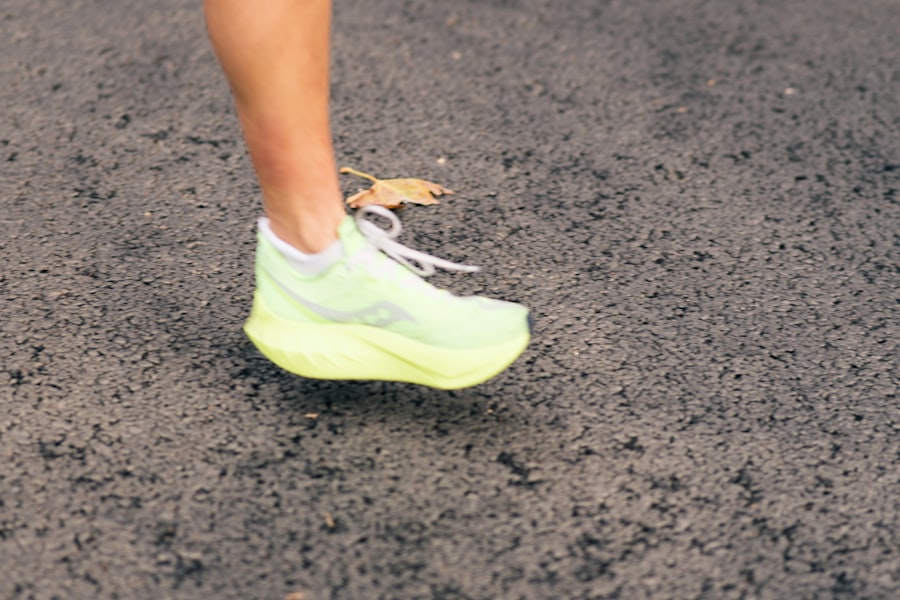
Achieving the correct fit is paramount for the performance and comfort of your fitness footwear. This extends far beyond simply knowing your shoe size; it involves understanding the nuances of how a shoe interacts with your foot.
Width and Volume Considerations
Shoes come in various widths, and a standard width may be too narrow or too wide for your foot. A shoe that is too narrow can cause pinching, blisters, and discomfort, while a shoe that is too wide can lead to your foot sliding around, compromising stability and causing friction. Similarly, the volume of your foot – how much space it takes up vertically – is also important.
Assessing Foot Width and Volume
You can assess your foot width by observing any bulging over the sides of your current shoes or if your toes feel cramped. For volume, consider if your laces have to be significantly loosened or tightened to achieve a comfortable fit. Many specialty running stores offer gait analysis and foot measurement services to help determine the ideal width and volume for you.
The Pitfalls of an Ill-Fitting Shoe
An ill-fitting shoe is a breeding ground for discomfort and injury. Blisters, calluses, black toenails, and even more serious issues like plantar fasciitis and neuromas can arise from consistently wearing shoes that do not accommodate your foot’s unique shape.
Upper Construction and Material Choices
The upper of your shoe is the part that envelops your foot. Its construction and the materials used significantly impact breathability, flexibility, and support.
Breathability for Temperature Regulation
During exercise, your feet generate heat and sweat. Breathable materials like mesh allow air to circulate, helping to regulate foot temperature and wick away moisture, preventing discomfort and potential fungal infections.
Seamless Uppers to Minimize Irritation
Many modern fitness shoes feature seamless upper construction. This reduces the number of potential friction points, minimizing the risk of irritation and blisters, especially for those with sensitive feet.
The Lacing System: Your Personal Adjustment Tool
The lacing system is your primary tool for fine-tuning the fit of your shoes. Mastering different lacing techniques can address specific fit issues and enhance comfort and performance.
Standard Lacing Techniques
The standard criss-cross lacing method is effective for most individuals. However, if you experience pressure points or heel slippage, specific lacing adjustments can be beneficial.
Addressing Specific Fit Issues with Lacing
For example, if you have a high instep, you might use an “eyelet skipping” technique to reduce pressure on the top of your foot. If you suffer from heel slippage, you can employ a “heel lock” or “runner’s loop” lacing method to secure your heel more firmly in place.
The Importance of Trying Before Buying and Gait Analysis
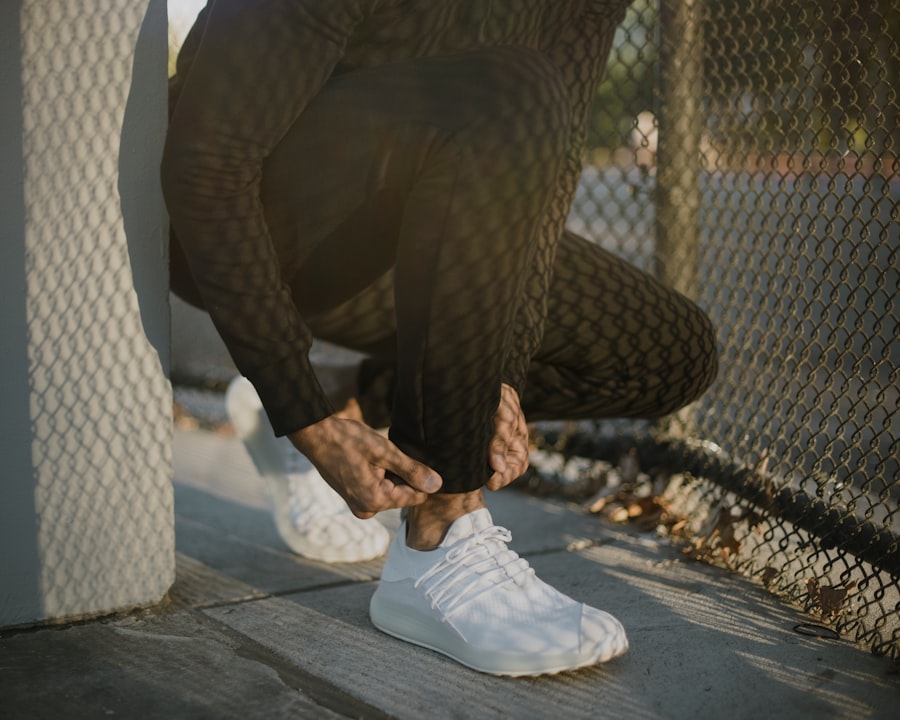
The theoretical understanding of footwear is invaluable, but the practical application of trying shoes on and understanding your individual biomechanics is where true success lies.
The In-Store Experience: More Than Just Putting Them On
When trying on fitness shoes, wear the type of socks you typically use for your workouts. Walk around the store, and if possible, jog a short distance. Pay attention to how the shoe feels – are there any pinching, rubbing, or pressure points? Does your heel feel secure?
Walking and Jogging Tests
These simple tests allow you to simulate the basic movements of your chosen activity and identify immediate fit issues. Do you feel your foot rolling excessively? Does the cushioning feel appropriate?
Heel Lock and Toe Box Space
Ensure there is adequate space in the toe box for your toes to wiggle freely, but not so much that your foot slides forward during a downhill motion. Your heel should feel snug and locked into the heel cup, with minimal slippage.
Gait Analysis: Understanding Your Unique Biomechanics
A gait analysis, often performed at specialty running or athletic stores, involves observing you walk or run on a treadmill, sometimes with video recording. This analysis can reveal your pronation tendencies, foot strike pattern, and the overall efficiency of your movement.
Identifying Pronation Patterns
The analysis can definitively determine if you are a neutral runner, an overpronator, or an underpronator, which directly influences the type of shoe you should select.
Optimizing Foot Strike and Cadence
While not solely determined by footwear, gait analysis can offer insights into your foot strike (e.g., heel strike vs. midfoot strike) and cadence (steps per minute), which can inform your shoe choice and potentially your training modifications.
When considering a fitness start strategy, it’s essential to focus on the right footwear, as the right shoes can significantly impact your performance and comfort. For more insights on how to choose the best shoes for your fitness journey, you can check out this informative article on fitness footwear. Investing in quality shoes not only enhances your workout experience but also helps prevent injuries, making it a crucial aspect of your overall fitness plan.
Maintenance and Replacement: Ensuring Longevity and Performance
| Metric | Description | Value | Unit | Notes |
|---|---|---|---|---|
| Initial Inventory | Number of shoe pairs stocked at launch | 500 | Pairs | Includes various sizes and styles |
| Average Price Point | Average retail price per pair | 120 | USD | Mid-range fitness shoe pricing |
| Marketing Budget | Allocated budget for launch marketing | 15000 | USD | Includes digital and in-store promotions |
| Projected Monthly Sales | Estimated number of pairs sold per month | 300 | Pairs | Based on market research and trends |
| Customer Acquisition Cost | Average cost to acquire one customer | 25 | USD | Includes marketing and sales expenses |
| Return Rate | Percentage of shoes returned by customers | 5 | % | Industry average for fitness footwear |
| Customer Satisfaction Score | Average rating from customer feedback | 4.3 | Out of 5 | Based on post-purchase surveys |
| Break-even Point | Number of pairs sold to cover costs | 400 | Pairs | Includes fixed and variable costs |
Your fitness footwear is a consumable item with a finite lifespan. Understanding when and how to maintain them is crucial for preserving their functionality and preventing potential injuries.
Tracking Mileage and Wear Patterns
The lifespan of athletic shoes is often measured in mileage, typically ranging from 300 to 500 miles for running shoes. However, this can vary based on your weight, running style, and the type of shoe. Regularly inspect your shoes for visible signs of wear.
Signs of a Worn-Out Midsole
The midsole is the heart of your shoe’s cushioning. Over time, it compresses and loses its ability to absorb impact. If the midsole appears flattened, creased, or feels excessively soft, it’s time for a replacement.
Outsole Wear and Grip Degradation
Observe the outsole for significant wear patterns, especially in areas where you tend to place the most pressure. If the tread is significantly worn down, you will lose traction, increasing the risk of slips and falls.
Proper Cleaning and Storage Techniques
While you don’t need to meticulously clean your shoes after every workout, some basic care can extend their life and maintain hygiene.
Gentle Cleaning Methods
Avoid putting your athletic shoes in a washing machine or dryer, as the heat and agitation can damage the adhesives and materials. Instead, use a mild soap and water solution with a soft brush to clean the uppers and soles.
Air Drying and Avoiding Direct Heat
Always air dry your shoes away from direct heat sources like radiators or sunlight, which can warp the materials and adhesives. Store them in a cool, dry place with good ventilation.
When to Say Goodbye: The Signs of Replacement
Ultimately, the decision to replace your footwear is based on a combination of factors: mileage, visible wear, and how they feel when you wear them. If you start experiencing new aches and pains, or if your shoes no longer feel supportive or comfortable, it is a clear indication that they have served their purpose. Your body will tell you when it’s time.
In conclusion, your footwear is not a peripheral concern in your fitness journey; it is an integral component of your strategy. By understanding the multifarious roles your shoes play, by
FAQs
1. What role do shoes play in a fitness start strategy?
Shoes provide essential support, cushioning, and stability, which help prevent injuries and improve performance when beginning a fitness routine.
2. How should I choose the right shoes for starting a fitness program?
Select shoes based on the type of exercise you plan to do, your foot shape, and any specific support needs. It’s important to get properly fitted and consider factors like arch support and cushioning.
3. Can wearing the wrong shoes affect my fitness progress?
Yes, improper footwear can lead to discomfort, injuries, and reduced effectiveness of workouts, potentially hindering your fitness progress.
4. How often should I replace my fitness shoes?
Fitness shoes typically need replacement every 300 to 500 miles of use or every 6 to 12 months, depending on activity level and shoe quality.
5. Are specialized shoes necessary for all types of fitness activities?
While not always necessary, specialized shoes designed for specific activities (e.g., running, cross-training, weightlifting) can enhance performance and reduce injury risk.