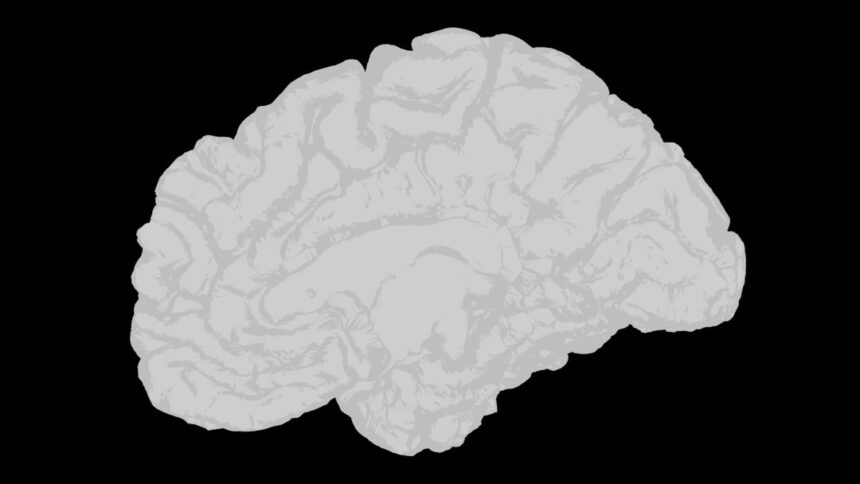
Your brain, a marvel of biological engineering, is constantly engaged in a silent, relentless process: scanning for threats. While you might believe you’re directing your attention toward a pressing task or enjoying a peaceful moment, a foundational layer of your neural activity is diligently searching for what could go wrong. This intrinsic bias toward the negative, dubbed the “negativity bias,” is not a flaw but an evolutionary imperative, a survival mechanism that has, for millennia, kept your ancestors alive. Today, however, this same mechanism can be a significant impediment to focus, productivity, and your overall well-being. Understanding why your brain is wired this way is the first step in learning to manage its impact.
The fundamental architecture of your brain, particularly the amygdala, a small almond-shaped structure deep within the temporal lobe, is hardwired for threat detection. Imagine your brain as an ancient fortress. The outer walls and watchtowers are constantly manned, scanning the horizon for approaching danger. This vigilance was crucial in a world rife with predators, natural disasters, and inter-group conflict. A misplaced focus on a ripening berry could mean becoming a sabre-toothed tiger’s dinner. Therefore, evolution favored individuals with a heightened sensitivity to potential hazards.
The Amygdala: Your Brain’s Internal Alarm System
The amygdala acts as your brain’s primary threat detector. It receives sensory information and quickly assesses it for any potential danger. This assessment happens at an incredibly rapid pace, bypassing conscious awareness for immediate reaction. Think of it as a high-speed security system that flashes red lights and blares sirens at the slightest hint of trouble, even before you’ve had time to identify the source. Its rapid activation allows for the “fight-or-flight” response, a physiological cascade preparing you to confront a threat or flee from it. This is why, when you hear a sudden loud noise, your heart rate increases and your muscles tense involuntarily, before you even consciously register what the sound was.
The Reptilian Brain: The Foundation of Reaction
Beneath the more complex layers of your brain lies the reptilian brain, also known as the brainstem. This ancient part of your brain is responsible for basic survival functions: breathing, heart rate, and the primitive threat-response system. It operates on instinctual reflexes, prioritizing immediate survival above all else. Your brain’s threat scanning is largely governed by this foundational layer. It operates on a “better safe than sorry” principle, a principle that served your ancestors well but can be counterproductive in the modern, less physically threatening world.
The human brain is wired to prioritize the detection of threats over focusing on tasks, a phenomenon that can often hinder productivity and concentration. This instinctual response is rooted in our evolutionary history, where survival depended on quickly identifying dangers in our environment. For a deeper understanding of this concept and its implications on our daily lives, you can read more in the article found at this link.
Theoprinter: Why Negative Information Sticks
Your brain doesn’t just scan for threats; it actively prioritizes and remembers them. Negative experiences tend to leave a deeper imprint than positive ones. This phenomenon is often referred to as the “negativity bias” or “emotional negativity bias.” It’s as if your brain has a special printer that uses indelible ink for bad news and erasable marker for good news. This makes learning from mistakes and avoiding repeated danger more effective. However, it also means that a single negative interaction can overshadow multiple positive ones, leading to a skewed perception of reality.
The Power of Negative News: A Psychological Phenomenon
Studies have consistently shown that people tend to pay more attention to, process more deeply, and recall negative information more readily than positive information. This is not necessarily a conscious choice; it’s a deeply ingrained cognitive tendency. Think about watching the news. The stories of accidents, crimes, and disasters often capture your attention more than reports of progress, innovation, or acts of kindness. This is because your brain is instinctively evaluating these events for potential threats, either directly to you or to your societal structure.
Memory’s Selective Filter: The Scar of Experience
Your memory system is not a perfect recording device. It acts as a selective filter, emphasizing experiences that are emotionally charged. Negative experiences, by their very nature, are often more emotionally charged because they signal potential harm. This leads to a phenomenon where negative memories are more easily retrieved and detailed than positive ones. Consider a time you received critical feedback at work. You might vividly recall the criticism, the knot in your stomach, and the exact words used. In contrast, you might struggle to remember all the positive feedback you’ve received. This selective memory function further reinforces the brain’s bias towards threat.
The Cognitive Hijack: How Emotions Undermine Logic
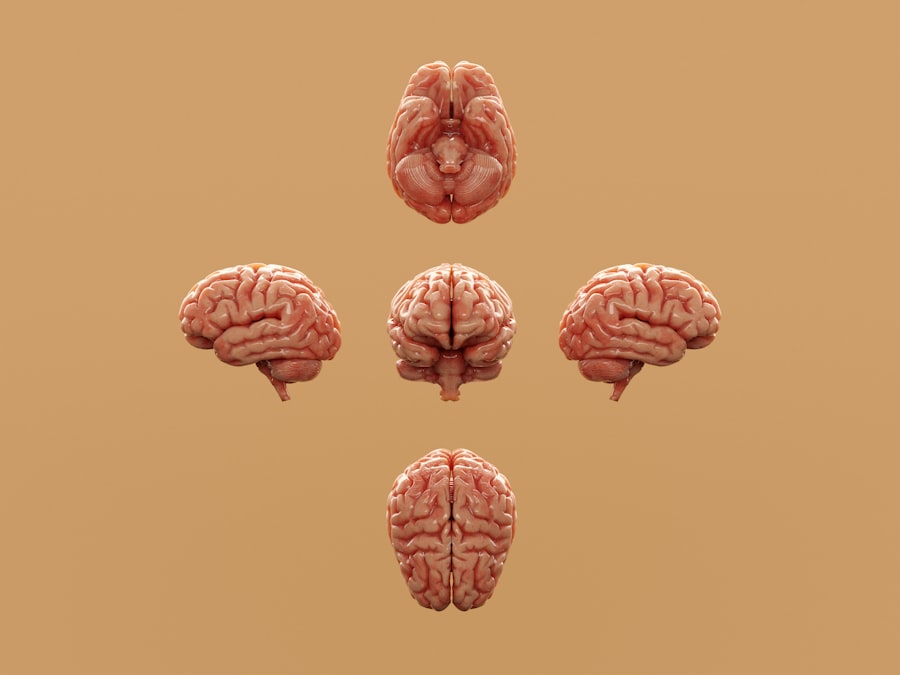
When your brain detects a threat, it can trigger an emotional response that essentially “hijacks” your cognitive functions, particularly those involved in planning, reasoning, and decision-making. This is the physiological manifestation of the “fight-or-flight” response. Your rational mind, the part of your brain capable of nuanced thought and deliberate action, is temporarily overridden by the immediate, instinctual drive to survive.
The Prefrontal Cortex Under Siege: When Logic Takes a Backseat
The prefrontal cortex, responsible for executive functions like planning, problem-solving, and impulse control, is particularly vulnerable to this emotional hijacking. When the amygdala signals danger, it triggers the release of stress hormones like cortisol and adrenaline. These hormones prepare your body for immediate action but can impair the functioning of the prefrontal cortex. Imagine a storm hitting your command center. The alarms are blaring, and the priority is survival, not the detailed strategic planning that usually happens in that center. This is why, in stressful situations, you might find it difficult to think clearly or make rational decisions.
The Fear Circuit: A Rapid Cascade of Neural Events
The fear circuit is a rapid and efficient pathway through your brain that leads to a fear response. It involves the amygdala, the thalamus (which relays sensory information), and the hypothalamus (which initiates the physiological stress response). This circuit can activate even before the information reaches your conscious awareness, allowing for near-instantaneous reactions to perceived threats. This explains why you might flinch or jump before you even know what caused the sudden stimulus.
The Modern Maze: Why Threat Scanning Hinders Focus
In the context of modern life, your brain’s persistent threat scanning can become a significant obstacle to focus. The triggers for threat perception are no longer limited to immediate physical danger. Social anxieties, work pressures, financial worries, and even the constant barrage of information from digital devices can activate this ancient survival mechanism. Your brain, still operating on its survival programming, interprets these modern stressors as genuine threats, diverting your mental resources away from tasks that require sustained attention and concentration.
The Illusion of Danger: When Your Brain Overestimates Risk
In the absence of immediate physical danger, your brain can still create a sense of threat. This can manifest as rumination, worry, and anxiety. For instance, a minor social misstep or an ambiguous email from a colleague can be interpreted by your brain as a significant social threat, triggering a cascade of negative thoughts and emotions. This is like your security system mistaking a falling leaf for an approaching intruder, setting off false alarms that disrupt your peace.
The Distraction Engine: Constant Vigilance Prevents Deep Work
The constant internal scanning for potential threats acts as a perpetual distraction engine. Even when you’re trying to concentrate on a complex task, your brain is dedicating a portion of its processing power to monitoring for anything that might be wrong. This makes it incredibly difficult to achieve a state of flow or deep work, where sustained, uninterrupted attention is crucial. Your mind is like a ship constantly scanning the horizon for storms, even when the seas are calm and you need to navigate a precise course.
Our brains are wired to prioritize scanning for threats rather than focusing solely on tasks, a phenomenon that can often hinder productivity. This instinctual response is rooted in our evolutionary history, where survival depended on being alert to dangers in our environment. For a deeper understanding of how this threat detection impacts our daily lives and productivity, you can explore a related article that discusses these concepts in detail. By examining the balance between threat perception and focus, we can learn strategies to enhance our concentration and efficiency. To read more about this intriguing topic, visit this article.
Taming the Guardian: Strategies for Shifting Your Focus
| Metric | Description | Value / Example | Impact on Brain Function |
|---|---|---|---|
| Threat Detection Speed | Time taken by the brain to recognize potential threats | ~200 milliseconds | Enables rapid response to danger, prioritizing survival over focus |
| Focus Duration | Average time the brain can maintain focused attention | 20 minutes (average adult) | Limited by brain’s need to scan environment for threats |
| Amygdala Activation | Level of activity in the brain’s threat detection center | Increases by 30-50% under stress | Heightened alertness reduces ability to concentrate |
| Default Mode Network (DMN) Activity | Brain network active during rest and mind-wandering | Decreases when threat is detected | Shifts resources from internal focus to external scanning |
| Stress Hormone (Cortisol) Levels | Amount of cortisol released during perceived threat | Can increase 2-3 times baseline | Impairs prefrontal cortex function, reducing focus |
| Evolutionary Advantage | Reason brain prioritizes threat scanning | Survival and reproduction | Focus is secondary to detecting danger in ancestral environments |
While your brain’s threat-scanning mechanism is deeply ingrained, it is not immutable. Through conscious effort and the adoption of specific strategies, you can learn to manage this bias and reclaim your ability to focus. The goal is not to eliminate threat detection entirely, as it serves a vital purpose, but to recalibrate its frequency and intensity, particularly in situations where it is maladaptive.
Mindfulness and Meditation: Training Your Brain to Observe
Mindfulness and meditation practices are powerful tools for training your brain to observe its own thought processes without judgment. By regularly practicing these techniques, you become more aware of when your brain is scanning for threats and can learn to disengage from these unproductive thought patterns. Think of it as developing an awareness of your internal weather patterns, being able to identify a storm brewing without letting it dictate your entire day.
Cognitive Reappraisal: Re-framing Your Perceptions
Cognitive reappraisal involves actively challenging and reframing negative or threatening thoughts. Instead of accepting a worrisome thought at face value, you can question its validity and consider alternative interpretations. For example, if you worry about a presentation, you can reappraise the situation by focusing on your preparation and the potential positive outcomes. This is like consciously choosing to see a gray cloud not just as potential rain, but also as a source of shade.
Gratitude Practices: Cultivating a Positive Bias
Actively cultivating gratitude can help to counterbalance the brain’s negativity bias. By regularly focusing on the positive aspects of your life, you train your brain to attend to and appreciate good experiences. This can involve keeping a gratitude journal, expressing thanks to others, or simply taking a moment each day to reflect on what you are thankful for. This is like actively nurturing a garden of positive experiences, which can gradually overshadow the weeds of worry.
Environmental Design: Minimizing Triggers
Creating an environment that minimizes unnecessary triggers for threat scanning can be highly effective. This might involve reducing exposure to negative news, setting boundaries with demanding individuals, or organizing your physical and digital spaces to reduce clutter and promote a sense of calm. It’s about curating your surroundings so that they don’t constantly send false alarm signals to your brain.
Setting Intentions: Proactive Focus Management
Before embarking on tasks that require focus, setting clear intentions can be beneficial. This involves consciously deciding what you want to achieve and dedicating your mental resources to that goal. This proactive approach can help to guide your brain’s attention, making it less susceptible to drifting into threat-scanning mode. It’s like creating a detailed map and compass for your journey, so you are less likely to get lost on detours.
Your brain’s tendency to scan for threats is a fundamental aspect of its design, a legacy of our evolutionary past. While this mechanism has been instrumental in ensuring survival, in the complexity of modern life, it can often work against your ability to focus and thrive. By understanding the underlying neurological processes and adopting practical strategies, you can begin to retrain your brain, shifting its attention from constant vigilance to deliberate focus, and ultimately, unlocking your full potential.
FAQs
Why does the brain prioritize scanning for threats over focusing on tasks?
The brain has evolved to prioritize threat detection as a survival mechanism. It constantly scans the environment for potential dangers to keep us safe, which can sometimes interfere with sustained focus on tasks.
Which part of the brain is responsible for threat detection?
The amygdala plays a key role in threat detection. It processes emotional responses and alerts the brain to potential dangers, triggering a fight-or-flight response.
How does threat scanning affect concentration and productivity?
When the brain detects a potential threat, it diverts attention and resources away from focused tasks to assess and respond to the threat. This can lead to decreased concentration and reduced productivity.
Can chronic stress influence the brain’s threat scanning behavior?
Yes, chronic stress can heighten the brain’s sensitivity to threats, causing it to scan for dangers more frequently and intensely. This heightened state can make it harder to maintain focus and increase anxiety.
Are there ways to train the brain to improve focus despite its threat scanning tendencies?
Techniques such as mindfulness meditation, cognitive-behavioral therapy, and stress management can help regulate the brain’s threat response, improving attention and focus over time.