You are a digital nomad, a weaver of your own schedule, a craftsman of location-independent work. The world is your office, a tapestry of bustling cafes, serene co-working spaces, and sun-drenched beaches. Yet, this freedom can also be a siren song, luring you toward distraction. The ping of a notification, the allure of a new cityscape, the hum of unfamiliar surroundings – these can all act as sand grains in the gears of your productivity. This article explores how portable focus cues can be your anchors in this often-fluid environment, helping you to harness your portable office and steer it towards sustained output. These are not magic bullets, but rather tools to cultivate intentionality, transforming fleeting moments into blocks of deep work.
As a digital nomad, your work environment is a dynamic entity, subject to the whims of travel, changing locales, and the inherent flexibility of your profession. This fluidity, while offering unparalleled freedom, also presents unique challenges to maintaining consistent productivity. Unlike a static office with its predictable routines and established boundaries, your workspace can shift from day to day, even hour to hour. This constant environmental variability requires a flexible and adaptable approach to focus.
The Nature of Distributed Work
Your work as a digital nomad is by definition distributed. This means you are not tied to a specific physical location for your labor. This can offer significant advantages, such as access to global talent pools, lower operational costs, and the ability to integrate work with personal experiences. However, it also fragments your sensory input and can dilute the sense of shared purpose that often arises in co-located teams. The familiar cues of a traditional office – the shared coffee machine, the casual hallway conversations, the visual reminders of deadlines on a communal whiteboard – are absent.
The Absence of Physical Markers
In a traditional office, physical markers often serve as subconscious productivity prompts. The sight of your desk, the layout of your cubicle, the specific lighting of your work area – these contribute to a sense of routine and trigger a mental shift into work mode. For the digital nomad, these familiar anchors are absent. Your “desk” might be a folding table in a hostel, a corner booth in a cafe, or a park bench. This lack of consistent physical framing requires you to create your own internal and external cues.
The Blurring of Work and Life
The very essence of digital nomadism often involves blurring the lines between work and personal life. While this can lead to a more integrated lifestyle, it also creates a fertile ground for procrastination and task switching. Without strict physical boundaries, the temptation to “just check one more thing” or to indulge in leisure activities during work hours can become overwhelming. This requires conscious effort to demarcate work periods and create a mental separation, even when the physical environment remains the same.
The Cognitive Load of Constant Adaptation
Each new location, each new cafe, each new co-working space, presents a fresh set of environmental variables. You must constantly adapt to new sights, sounds, and social dynamics. This continuous adaptation exerts a cognitive load, demanding mental resources that could otherwise be dedicated to your work. Learning the Wi-Fi password, understanding the local customs, navigating unfamiliar transit systems – all these consume mental energy. This residual cognitive load can make it harder to enter deep work states.
Sensory Overload and Distraction
The world outside your controlled workspace is a symphony of stimuli. The chatter of a crowded cafe, the street performers outside your window, the constant flow of people – these are all potential distractions. While some individuals thrive in bustling environments, for many, these sensory inputs compete for attention, fragmenting focus and reducing cognitive capacity. Your brain, trying to process this barrage of information, may struggle to prioritize the specific task at hand.
The Psychological Impact of Transience
The transient nature of digital nomad life can also have subtle psychological effects on productivity. A feeling of impermanence can sometimes lead to a less invested approach to tasks, as the physical space and the immediate environment are perceived as temporary. This can make it harder to establish the kind of focused intention that underpins sustained work. You might feel less inclined to meticulously organize your digital files or to fine-tune a complex project when you know you’ll be moving on in a few weeks.
For digital nomads seeking to enhance their productivity while working remotely, the concept of portable focus cues can be incredibly beneficial. These cues serve as reminders or tools that help maintain concentration in various environments. To explore this topic further, you can read a related article that delves into practical strategies and tips for implementing focus cues effectively. Check it out here: Portable Focus Cues for Digital Nomads.
Curating Your Portable Workspace: The Foundation of Focus
Your portable workspace is not merely a collection of devices; it is a carefully curated environment, a miniature ecosystem you carry with you. Like a gardener tending to a prized plant, you must select and arrange the elements that foster your concentration. This involves both physical and digital considerations, ensuring that your tools and surroundings actively support, rather than hinder, your productive endeavors.
The Digital Toolkit: Essential Hardware
The devices you carry are the fundamental building blocks of your portable office. Each piece of hardware plays a crucial role in enabling your work, and its selection should be guided by a commitment to focused productivity.
The Laptop as Your Command Center
Your laptop is likely the nexus of your digital nomad work. Its portability, processing power, and screen real estate are paramount. Consider the form factor – a lightweight ultrabook for maximum mobility, or a more robust machine for demanding tasks. The keyboard and trackpad should be comfortable for extended use, as they are your primary interfaces with the digital world.
Ancillary Devices: Enhancing Ergonomics and Output
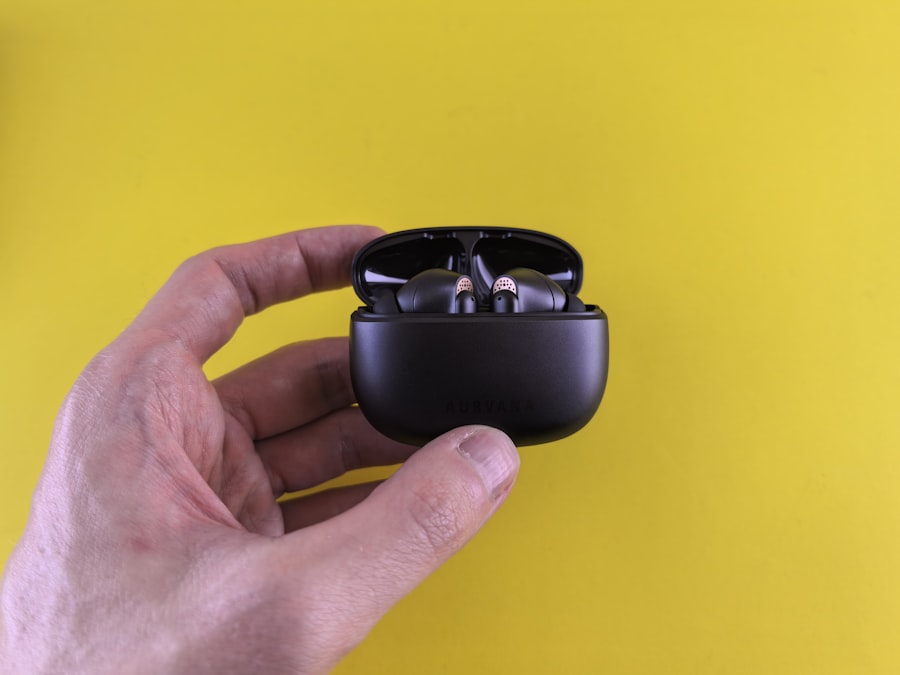
Beyond the laptop, consider ancillary devices that can dramatically improve your comfort and efficiency. An external monitor, even a portable one, can significantly expand your workspace and reduce eye strain. A comfortable external keyboard and mouse can transform a makeshift desk into a more ergonomic workstation, preventing the physical discomfort that can derail focus. Noise-canceling headphones are not a luxury; they are a necessity for creating a personal sound sanctuary in noisy environments.
Storage and Connectivity: Ensuring Seamless Workflow
Reliable storage, both local and cloud-based, is critical. Ensure you have sufficient capacity for your projects and that your cloud synchronization is robust. Portable SSDs offer fast access to large files, while USB drives can serve as quick backups or transfer mediums. Consider investing in a portable Wi-Fi hotspot or a reliable multi-SIM phone for consistent internet access, as patchy connectivity can be a productivity killer.
The Physical Environment: Creating Your Productivity Bubble
While your digital tools are essential, the physical environment in which you work plays an equally significant role in your ability to focus. You are not just interacting with your screen; you are interacting with your surroundings.
Defining Your Workspace Within the Chaos
Even in the most chaotic environments, you can define a micro-workspace. This might involve setting up your laptop and peripherals in a consistent corner of a cafe, or organizing your belongings in a co-working desk in a specific way. The act of physically arranging your immediate surroundings can signal to your brain that it’s time to work.
Lighting and Acoustics: Subtly Influencing Your State
The quality of lighting can influence your mood and energy levels. Natural light is often preferred, but when unavailable, a small, portable desk lamp can provide focused illumination. Similarly, while you may not be able to control the ambient noise, you can manage your exposure to it. Noise-canceling headphones are your primary tool here, creating a pocket of silence or a curated soundscape that optimizes your focus.
Minimizing Clutter: A Clear Space, A Clear Mind
A cluttered workspace, whether physical or digital, can lead to a cluttered mind. Take the time to organize your belongings. A small, portable organizer can keep your charging cables, adapters, and stationery tidy. Similarly, maintain a clean and organized digital desktop. Remove unnecessary icons, organize files into logical folders, and use a consistent naming convention. This visual order translates into a more ordered cognitive state.
Portable Focus Cues: Your Personal Productivity Triggers
Portable focus cues are external or internal signals that you intentionally employ to shift your mindset into a more productive state. They act as gentle nudges, reminding your brain to engage with your work and resist the siren call of distractions. These cues are personal, much like your favorite coffee blend or your most cherished mug; what works for one individual may not resonate with another. The key is experimentation and self-awareness to identify what reliably triggers your focus.
Auditory Cues: Crafting Your Sonic Sanctuary
Sound can be a powerful tool, either as a source of distraction or as a catalyst for concentration. By curating your auditory environment, you can harness sound to enhance your focus.
Curated Playlists: The Soundtrack to Deep Work
Many digital nomads find that carefully selected playlists can significantly improve their focus. Instrumental music, such as classical, ambient, or lo-fi hip hop, is often preferred as lyrical content can be distracting. Consider playlists specifically designed for concentration or productivity. The rhythm and tempo can help to regulate your focus and create a steady work pace. Experiment with different genres and tempos to discover what best suits your cognitive rhythm.
White and Brown Noise: Masking Distractions
White noise and brown noise are types of ambient sound that can effectively mask distracting background noises. White noise contains all audible frequencies at equal intensity, while brown noise has more power at lower frequencies, creating a deeper, rumbling sound. These sounds can create a consistent sonic backdrop, making it easier to tune out intermittent noises like conversations or traffic. Many apps and websites offer free white and brown noise generators.
Binaural Beats: Subtly Influencing Brainwaves
Binaural beats are an auditory illusion created by presenting two slightly different frequencies to each ear. Your brain perceives a third, “phantom” beat at the difference between the two frequencies. Certain binaural beat frequencies are associated with different brainwave states, including those conducive to focus and concentration (e.g., alpha and beta waves). While research is ongoing, many individuals report experiencing enhanced focus and reduced distraction when listening to binaural beats. Ensure you use headphones for this to be effective.
Visual Cues: Framing Your Work and Intentions
Your visual environment has a profound impact on your mental state. By incorporating intentional visual cues, you can create a physical reminder of your work goals and expectations.
The Power of Themed Backgrounds and Wallpapers
Your digital desktop wallpaper or laptop screen background can serve as a subtle reminder of your work or inspiration. Consider using images related to your industry, a motivational quote, or a serene landscape that promotes calmness. Changing your wallpaper periodically can also help to break monotony and re-engage your attention.
Physical Prompts: A Tangible Connection to Your Goals
Even small physical objects can act as potent focus cues. A small whiteboard with your daily priorities, a specific notebook designated for work tasks, or even a particular pen can serve as a tangible reminder of your intentions. These physical markers ground your focus in the material world, offering a counterpoint to the ephemeral nature of digital information.
The “Do Not Disturb” Sign: A Universal Symbol
A simple “Do Not Disturb” sign, whether a physical one placed on your occupied space or a digital version on your door, is a universally understood cue. For digital nomads in shared spaces like co-working areas or cafes, it can be a polite but firm way to signal your need for uninterrupted concentration.
Olfactory Cues: Engaging Your Sense of Smell for Focus
The sense of smell is directly linked to the limbic system in the brain, which is involved in memory and emotion. Certain scents have been anecdotally linked to improved focus and alertness.
Essential Oils: Aromas for Awakening the Mind
Specific essential oils, such as peppermint, rosemary, and lemon, are often associated with cognitive enhancement. Peppermint can be stimulating, rosemary is thought to improve memory recall, and lemon is uplifting and refreshing. You can use a portable diffuser, a few drops on a tissue, or even scented personal care products. The key is to associate a particular scent with your work sessions, creating a conditioned response.
The Scent of Coffee or Tea: A Ritualistic Anchor
The aroma of freshly brewed coffee or your favorite tea can be a powerful trigger for entering work mode. The ritual of preparing your beverage, combined with its familiar scent, can serve as a potent transition into focused work. Associate this ritual with your work periods, and over time, the smell alone can begin to prime your brain for productivity.
Implementing Portable Focus Cues: A Practical Guide
Integrating portable focus cues into your digital nomad routine requires a systematic approach. It’s about building habits and creating a personal system that supports sustained concentration.
Establishing a Pre-Work Ritual: The Gatekeeper of Focus
Before you even begin your work, a pre-work ritual can be your primary gatekeeper against distraction. This is the short, intentional sequence of actions you undertake to prepare your mind and environment for productivity.
The “Commute” to Your Workspace
Even if your “office” is just a few steps away, create a metaphorical commute. This might involve a short walk, a few minutes of meditation, or listening to a pre-selected focus playlist. The act of physically or mentally transitioning signals to your brain that the work period is about to begin.
Setting Intentions and Prioritizing Tasks
Before diving into emails or projects, take a few moments to explicitly set your intentions for the work session. What do you aim to achieve? What are your top priorities? Writing these down, even briefly, can solidify your focus and provide a clear roadmap.
Activating Your Chosen Cues
Incorporate your chosen portable focus cues into this ritual. This could mean starting your focus playlist, lighting a specific scented candle, or placing your “do not disturb” sign. By consistently performing these actions before each work session, you train your brain to associate them with focused output.
Maintaining Focus During Work Sessions: Guarding Your Productivity
Once you’ve entered your focused state, the challenge shifts to maintaining it amidst the inherent distractions of the digital nomad lifestyle.
Scheduled Breaks and Transitions: Preventing Burnout
Your focus cues are not about working incessantly; they are about working effectively. Schedule regular, short breaks. These breaks are opportunities to recharge, stretch, and disconnect briefly before re-engaging. Use a timer to ensure your breaks are intentional and don’t morph into extended periods of leisure.
Digital Hygiene: Taming the Notification Beast
Aggressively manage your digital notifications. Turn off non-essential alerts for email, social media, and messaging apps during your designated work periods. Consider using focus modes on your devices that temporarily silence notifications and limit access to distracting apps.
The Power of Single-Tasking: One Thread at a Time
Resist the urge to multitask. Focus on completing one task before moving to the next. When your mind wanders, gently guide it back to the task at hand. Your focus cues are there to help facilitate this redirection.
The Post-Work Ritual: Creating Separation and Recharging
Just as a pre-work ritual is important, so too is a post-work ritual. This helps to create a clear separation between your work life and your personal life, preventing burnout and allowing for genuine rest and recuperation.
“Shutting Down” Your Workspace
Physically and mentally, “shut down” your workspace. Close unnecessary tabs on your laptop, clear your immediate physical area, and put away your work-related items. This physical act of disengagement can be surprisingly effective.
Transitioning to Leisure or Social Activities
Engage in activities that are distinctly separate from work. This could be exploring your new surroundings, spending time with friends, or pursuing a hobby. The contrast between work and leisure helps to solidify the boundaries you’ve created.
Reflecting and Planning for Tomorrow
Take a few minutes to briefly reflect on your accomplishments for the day and to outline your priorities for the next workday. This backward and forward glance can provide a sense of closure and set a positive tone for the following day.
For digital nomads seeking to enhance their productivity while on the move, exploring the concept of portable focus cues can be incredibly beneficial. These cues serve as reminders or tools that help maintain concentration in various environments. A related article that delves deeper into this topic can be found at Productive Patty, where you can discover practical tips and strategies tailored for those who work remotely and travel frequently. Implementing these focus cues can significantly improve your ability to stay on task, no matter where your adventures take you.
The Metaphorical Landscape of Digital Nomad Productivity
| Metric | Description | Value | Unit |
|---|---|---|---|
| Average Battery Life | Duration the device can operate on a single charge | 8 | hours |
| Weight | Portability factor, how light the device is | 150 | grams |
| Noise Level | Sound output during operation, important for quiet environments | 30 | decibels |
| Focus Cue Types | Number of different sensory cues provided (visual, auditory, tactile) | 3 | types |
| Connectivity | Wireless connection options available | Bluetooth 5.0 | standard |
| Setup Time | Time required to start using the device | 2 | minutes |
| Price Range | Cost range for typical devices | 50 – 150 | units |
Your journey as a digital nomad is not unlike navigating a vast, ever-changing ocean. Your laptop is your vessel, carrying you across digital currents and through shifting tides of information. However, without a compass and a steady hand on the tiller, you can easily be swept off course by the unpredictable winds of distraction. Your portable focus cues are precisely these navigation tools.
Focus Cues as Your Internal Compass
Think of your focus cues as your internal compass. The sound of your curated playlist might be the magnetic pull towards true north, guiding you back to your intended destination. The scent of peppermint could be the reliable needle, always pointing you towards clarity and alertness. These cues are not imposed externally; you are the architect, designing your personal navigational system.
The Temporary Anchor in a Sea of Transient Experiences
Digital nomadism is characterized by transience. Your coffee shop tomorrow will likely be different from your coffee shop today. Your co-working space will eventually be replaced by a new one. In this constant flux, your focus cues act as temporary anchors, steadfast points of reference that tether you to your work amidst the transient experiences. That specific notebook, the one you use only for work tasks, becomes a small, reliable island in a vast sea of ever-changing locations.
Cultivating Intentionality: The Gardener of Your Time
Your time as a digital nomad is a garden. You can allow it to become overgrown with weeds of distraction, or you can meticulously tend to it, cultivating precisely the blooms of productivity you desire. Your focus cues are the tools of the gardener – the trowel that turns the soil of your attention, the watering can that nourishes your concentration, the pruning shears that trim away unproductive diversions. You are not passively receiving distractions; you are actively shaping your productive landscape.
Building a Resilient Productivity Framework
The digital nomad lifestyle demands resilience. There will be days when connectivity is poor, when travel delays disrupt your schedule, or when you simply feel a lack of motivation. Your portable focus cues, when consistently employed, contribute to building a more robust and resilient productivity framework. They are the structural supports that prevent your portable office from becoming a flimsy tent in a storm, ensuring that your productivity can weather the inevitable challenges.
Beyond the Tools: The Mindset of a Focused Digital Nomad
While portable focus cues are invaluable tools, their true power lies in how they integrate with your overarching mindset. It is your internal disposition, your commitment to intentionality, that ultimately determines your success as a focused digital nomad.
Cultivating Self-Awareness: The Art of Knowing Thyself
Understanding your personal productivity triggers and detractors is paramount. What genuinely distracts you? What activities reliably bring you into a state of flow? Regular self-reflection and experimentation are key to refining your focus cue strategy. Pay attention to how different environmental shifts affect your ability to concentrate.
Identifying Your Peak Productivity Windows
Are you a morning lark or a night owl? Do you thrive in quiet solitude or in the gentle hum of a cafe? Recognizing your natural energetic rhythms and aligning your most demanding tasks with these windows can significantly boost your output. Your focus cues can then be strategically deployed to support these peak periods.
Recognizing Early Signs of Distraction
Learn to recognize the subtle signs that your focus is wavering. Is your gaze drifting to your phone? Are you idly scrolling through unrelated websites? The sooner you identify these early warning signs, the easier it is to deploy your focus cues and redirect your attention before you become deeply sidetracked.
Embracing Intentionality: The Architect of Your Day
The digital nomad lifestyle offers immense freedom, but this freedom carries the responsibility of intentionality. You are not being managed; you are self-managing. This requires a proactive approach to structuring your day and prioritizing your tasks.
Proactive Resistance to Distraction
Instead of reacting to distractions as they arise, cultivate a proactive stance. Anticipate potential distractions and put measures in place to mitigate them. This is where your focus cues play a crucial preventative role.
The Discipline of Single-Tasking
In a world that often celebrates multitasking, embrace the power of single-tasking. Dedicate your full attention to one task at a time. This allows for deeper engagement and higher quality output. Your focus cues are your allies in this pursuit of focused execution.
The Long-Term Vision: Productivity as a Sustainable Practice
Your digital nomad journey is not a sprint; it is a marathon. Your focus cues and the mindset they support are not about short bursts of intense work, but about building sustainable, productive habits for the long haul.
Preventing Burnout Through Balanced Productivity
Achieving consistent productivity without constant burnout is the ultimate goal. Your focus cues and intentional breaks are integral to creating a sustainable workflow that allows you to enjoy your nomadic lifestyle without sacrificing your well-being.
The Self-Fulfilling Prophecy of Focused Work
As you consistently employ your focus cues and cultivate a more intentional approach to your work, you begin to create a self-fulfilling prophecy of productivity. Your brain starts to associate certain actions and environments with focused output, making it progressively easier to enter and maintain these states. The tools you carry become extensions of your own focused will.
FAQs
What are portable focus cues for digital nomads?
Portable focus cues are tools or devices designed to help digital nomads maintain concentration and productivity while working in various environments. These cues can include noise-canceling headphones, visual timers, or physical objects that signal focus time.
Why are portable focus cues important for digital nomads?
Digital nomads often work in diverse and sometimes distracting environments. Portable focus cues help create a consistent work routine, minimize interruptions, and improve overall productivity by signaling to themselves and others when they need to concentrate.
What types of portable focus cues are commonly used by digital nomads?
Common portable focus cues include noise-canceling headphones, portable white noise machines, focus timers or apps, physical objects like focus cards or desk signs, and wearable devices that remind users to stay on task.
How can digital nomads effectively use portable focus cues?
Digital nomads can use portable focus cues by establishing a clear routine, setting specific work intervals with timers, using headphones to block out ambient noise, and communicating their focus periods to others around them to reduce interruptions.
Are portable focus cues suitable for all types of work digital nomads do?
While portable focus cues are beneficial for many types of work, especially tasks requiring deep concentration, their effectiveness may vary depending on the nature of the work. Creative or collaborative tasks might require different strategies, but focus cues can still help manage distractions.