You might not think about it often, but your posture is a silent architect of your well-being. It’s the invisible framework that holds you upright, and its influence extends far beyond mere appearance. Many people spend their days hunched over screens, their shoulders rounded, their chests compressed. This unconscious habit, like a constricting vine, can gradually stifle your respiratory system, leading to a cascade of health issues. This article will guide you through the profound connection between your posture and your breathing, demonstrating how to “uncurl” for demonstrably better health.
Your body is a finely tuned instrument, and proper posture ensures each part plays its note in harmony. When you slouch, you’re essentially playing a distorted melody, and your breath is one of the first instruments to suffer. Let’s explore how you can reclaim the full, unhindered rhythm of your breath through mindful postural adjustments.
Your ability to breathe effectively relies on the coordinated action of several bodily structures. The primary muscles involved are the diaphragm and the intercostal muscles. The diaphragm, a dome-shaped muscle located at the base of your chest cavity, contracts and flattens during inhalation, drawing air into your lungs. The intercostal muscles, situated between your ribs, help to expand your rib cage, creating more space for your lungs to fill.
The Diaphragm’s Role in Respiration
The diaphragm is the engine of your breath. When you inhale deeply, it descends, creating negative pressure within your thoracic cavity that pulls air into your lungs. A healthy, unrestricted diaphragm can move a significant distance, facilitating full lung expansion.
Intercostal Muscles and Rib Cage Expansion
The intercostal muscles act as bellows, lifting and expanding your rib cage during inhalation. This expansion increases the volume of your chest cavity, allowing your lungs to inflate to their full capacity.
How Poor Posture Disrupts Airflow
When you adopt a slumped posture, you are essentially creating a physical barrier to this natural process. Your shoulders round forward, bringing your rib cage closer together. Your upper back might become kyphotic, meaning it curves excessively outwards. This compression directly impedes the diaphragm’s ability to descend fully and limits the expansion of your rib cage. Imagine trying to inflate a balloon inside a tightly clenched fist; the potential volume is severely restricted.
Forward Head Posture and its Consequences
A common postural imbalance is forward head posture, where your head juts forward from your shoulders. This misalignment can compress the muscles and structures in your neck and upper chest, further restricting your breathing capacity. The muscles in your neck, designed for support and movement, can become strained as they compensate for the imbalance, contributing to tension that can creep into your respiratory muscles.
Rounded Shoulders and Thoracic Compression
Rounded shoulders are another hallmark of poor posture. This rounding effectively shortens the muscles in the front of your chest and lengthens those in the back. The result is a tightening across your chest, reducing the space available for your lungs to expand. This can feel like a constant, subtle squeeze, preventing you from taking those satisfying, deep breaths.
Improving your posture can significantly enhance your breathing, allowing for better oxygen flow and overall health. For more insights on how to uncurl your posture and breathe more freely, you can check out this related article that offers practical tips and exercises. To learn more, visit this link.
The Physiological Consequences of Shallow Breathing
The immediate consequence of restricted breathing due to poor posture is shallow, rapid breaths. This means your body isn’t receiving the optimal amount of oxygen it needs to function efficiently. Over time, this can lead to a range of physiological issues.
Reduced Oxygenation of Tissues
With each shallow breath, less oxygen enters your bloodstream. This means your organs, muscles, and brain receive a diminished supply of this vital element. Think of your body as a network of delicate circuitry; insufficient oxygen is like a consistent brownout, impairing the performance of every component.
Impact on Cognitive Function
Your brain is particularly sensitive to oxygen levels. Reduced oxygenation can manifest as fogginess, decreased concentration, poor memory, and even irritability. You might find yourself struggling to focus on tasks or feeling mentally fatigued more quickly.
Effects on Energy Levels
When your cells aren’t adequately oxygenated, they struggle to produce energy efficiently. This can lead to persistent feelings of fatigue and a general lack of vitality. Even if you’re getting enough sleep, you might still feel drained because your body isn’t effectively fueling itself.
Increased Carbon Dioxide Retention
As a byproduct of metabolism, carbon dioxide builds up in your body. Efficient breathing is crucial for expelling this waste product. Shallow breaths lead to a buildup of carbon dioxide in your bloodstream, which can trigger feelings of anxiety, shortness of breath, and even panic.
The Vicious Cycle of Anxiety and Breathlessness
Anxiety and shallow breathing can form a detrimental feedback loop. When you feel anxious, your breathing often becomes shallow and rapid, which in turn can exacerbate your feelings of anxiety, creating a cycle that is difficult to break.
Stress Hormone Elevation
Chronic shallow breathing can trigger your body’s stress response. Your adrenal glands may release more cortisol, the primary stress hormone. Elevated cortisol levels over time can contribute to a host of health problems, including weight gain, weakened immunity, and cardiovascular issues.
The Sympathetic Nervous System’s Role
Shallow breathing often activates the sympathetic nervous system, your body’s “fight or flight” response. This leads to increased heart rate, blood pressure, and muscle tension, preparing you for perceived danger. While this is useful in short bursts, chronic activation by poor breathing habits can be detrimental.
Correcting Your Posture: A Step-by-Step Approach
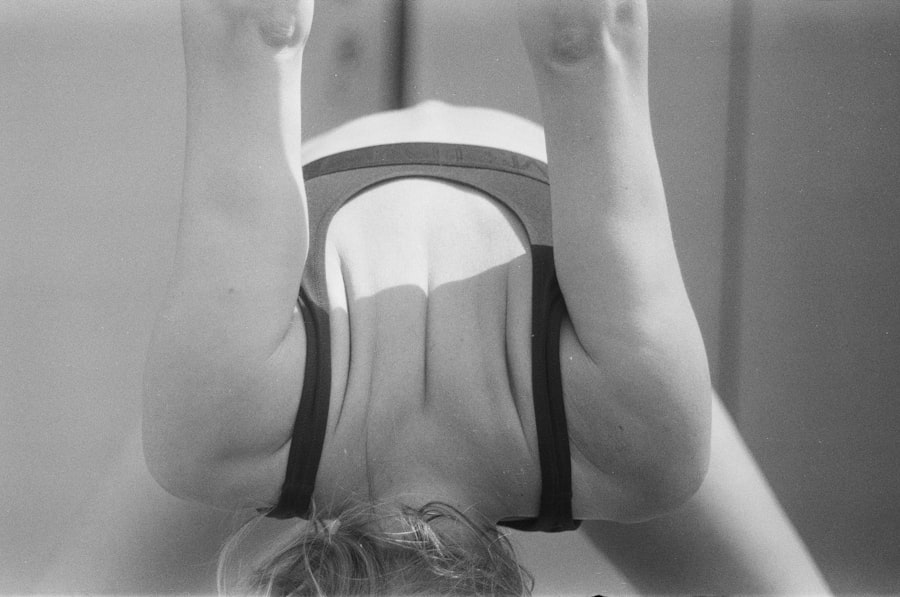
Improving your posture is not about rigidly forcing yourself into an unnatural position. It’s about cultivating awareness and making gradual, consistent adjustments. Think of it as gently nudging a recalcitrant ship back onto its intended course.
Awareness: The Foundation of Change
The first and most crucial step is to become aware of your current posture in various situations, whether you’re sitting at a desk, standing in line, or walking.
Self-Observation Techniques
Regularly check in with your body throughout the day. Ask yourself: Are my shoulders rounded? Is my head jutting forward? Is my lower back excessively arched? You can use mirrors or even discreetly ask a trusted friend for feedback.
Technological Aids for Posture Awareness
There are wearable devices and apps that can provide gentle vibrations or notifications when you deviate from your ideal posture. These can serve as valuable reminders throughout the day.
Strengthening and Stretching Key Muscle Groups
To support good posture, you need to balance the strength of certain muscle groups with the flexibility of others.
Upper Back Strengthening Exercises
Exercises like rows, pull-aparts with a resistance band, and chin tucks help to strengthen the muscles that pull your shoulders back and keep your head aligned. These muscles are often weakened by prolonged screen use.
Chest and Shoulder Stretching
To counteract the tightness in your chest and shoulders from rounding, regular stretching is essential. Doorway stretches, pec stretches, and shoulder rolls can help to open up your chest cavity and improve your range of motion.
Core Strengthening for Spinal Support
A strong core, encompassing your abdominal and back muscles, acts as a natural corset for your spine, providing stability and support for good posture. Planks, bird-dogs, and other core exercises are crucial.
Ergonomics and Environmental Adjustments
Your environment plays a significant role in your daily posture. Making intelligent adjustments can significantly reduce strain.
Optimizing Your Workstation Setup
Ensure your computer screen is at eye level to prevent forward head posture. Your chair should provide good lumbar support, and your feet should be flat on the floor or a footrest. Imagine your workstation as a carefully calibrated cockpit.
The Importance of Appropriate Seating
When sitting, aim to keep your back against the backrest, your feet flat, and your knees roughly at a 90-degree angle. Avoid prolonged periods of sitting without taking breaks to move and stretch.
Integrating Proper Breathing Techniques with Posture

Once you begin to improve your posture, you can consciously integrate diaphragmatic breathing techniques to further enhance your respiratory health. These techniques are not just about taking a big breath; they are about training your body to breathe efficiently and deeply.
Diaphragmatic Breathing (Belly Breathing)
This is the cornerstone of efficient breathing. Instead of relying solely on your chest, you learn to engage your diaphragm.
How to Practice Diaphragmatic Breathing
- Find a comfortable position, either lying down or sitting.
- Place one hand on your chest and the other on your belly, just below your rib cage.
- Inhale slowly and deeply through your nose, allowing your belly to rise as your diaphragm contracts. Your chest hand should remain relatively still.
- Exhale slowly through your mouth, gently drawing your belly inward as your diaphragm relaxes.
- Practice this for several minutes, a few times a day. This is like teaching your body a new, more harmonious language.
Benefits of Diaphragmatic Breathing
Beyond improving oxygen intake, diaphragmatic breathing can have a calming effect on your nervous system, reducing stress and anxiety. It also massages your internal organs, promoting better digestion.
Conscious Breathing During Daily Activities
The goal is to make these breathing techniques a natural part of your everyday life, not just an exercise you do in isolation.
Mindful Sitting and Standing
As you sit or stand with improved posture, consciously focus on taking deeper, diaphragmatic breaths. Feel your belly expand with each inhale. This reinforces the connection between your posture and your breath.
Breathing During Physical Activity
Even during light activities like walking, you can practice mindful breathing. Sync your inhales and exhales with your steps, aiming for longer, more relaxed breaths.
Improving your posture can significantly enhance your breathing, allowing for deeper and more efficient inhalation. By focusing on techniques to uncurl your posture, you can open up your chest and diaphragm, which in turn promotes better oxygen flow. For more insights on this topic, you might find it helpful to read a related article that discusses various exercises and tips for achieving optimal posture. Check out this informative piece on productivepatty.com to learn more about how to enhance your breathing through better posture.
The Long-Term Benefits of Uncurling for Better Health
| Metric | Description | Recommended Action | Expected Outcome |
|---|---|---|---|
| Spinal Alignment | Degree of spinal curvature affecting posture | Perform daily spinal extension exercises (e.g., cobra pose, chest openers) | Improved upright posture, reduced slouching |
| Chest Expansion | Range of motion in rib cage during breathing | Practice deep diaphragmatic breathing and chest stretches | Increased lung capacity and better oxygen intake |
| Shoulder Position | Degree of shoulder rounding or retraction | Strengthen upper back muscles and stretch chest muscles | Shoulders pulled back, reducing forward curl |
| Neck Alignment | Forward head posture measurement | Chin tucks and neck stretches | Reduced neck strain and improved airway openness |
| Breathing Rate | Number of breaths per minute at rest | Practice slow, controlled breathing exercises | Lower breathing rate indicating more efficient breathing |
| Posture Awareness | Frequency of posture checks during the day | Set reminders to correct posture every 30 minutes | Consistent maintenance of better posture |
The cumulative effect of consistent postural correction and mindful breathing is a significant improvement across various aspects of your health and well-being. It’s like a gentle but persistent stream carving a deeper, more efficient channel.
Enhanced Physical Health
Beyond the respiratory system, improved posture and breathing have far-reaching physical benefits.
Reduced Chronic Pain
Poor posture often leads to muscle imbalances, straining ligaments and joints. Correcting your posture can alleviate back pain, neck pain, and headaches by distributing stress more evenly throughout your body.
Improved Digestion and Metabolism
The gentle movement of the diaphragm during deep breathing can aid in digestion and may even contribute to a more efficient metabolism. This is because better oxygenation supports cellular function throughout your body.
Increased Energy and Stamina
As your body becomes more efficient at oxygenating itself, you’ll likely experience a sustained increase in energy levels. This translates to greater stamina for daily tasks and physical activities.
Mental and Emotional Well-being
The mind-body connection is undeniable. What affects your physical state profoundly impacts your mental and emotional landscape.
Stress Reduction and Anxiety Management
The calming effect of diaphragmatic breathing is a powerful tool for managing stress and anxiety. By consciously regulating your breath, you can actively influence your nervous system and promote a sense of relaxation.
Improved Mood and Cognitive Function
With adequate oxygenation, your brain functions more optimally, leading to improved mood, enhanced focus, and better overall cognitive performance. The mental fog can lift, revealing clarity and alertness.
Increased Self-Confidence and Presence
Standing tall with good posture can have a profound impact on your self-perception. You may feel more confident, grounded, and present in your interactions. This outward shift in posture can influence your inner state.
Your posture is not merely a matter of aesthetics; it is a fundamental component of your physiological health, particularly your breathing. By actively “uncurling” your body – correcting your posture and integrating mindful breathing techniques – you are not only opening up your chest but also unlocking a significantly healthier and more vibrant you. Embrace this mindful journey, and you will discover the profound power of taking a full, unhindered breath.
FAQs
What causes poor posture that affects breathing?
Poor posture, such as slouching or curling the shoulders forward, is often caused by prolonged sitting, especially with improper ergonomics, muscle imbalances, and lack of physical activity. This can compress the chest cavity and restrict lung expansion, leading to shallow breathing.
How does uncurling posture improve breathing?
Uncurling posture opens up the chest and aligns the spine properly, allowing the lungs to expand fully. This increases oxygen intake, improves respiratory efficiency, and can reduce feelings of breathlessness or fatigue.
What are simple exercises to help uncurl posture?
Exercises such as chest stretches, shoulder blade squeezes, thoracic spine extensions, and yoga poses like the cobra or cat-cow can help open the chest and strengthen back muscles to improve posture and breathing.
Can improving posture help with respiratory conditions?
While good posture can enhance breathing efficiency and comfort, it is not a treatment for respiratory diseases. However, maintaining proper posture can support better lung function and may complement medical treatments for conditions like asthma or COPD.
How often should I practice posture correction for better breathing?
Consistent daily practice is recommended. Incorporating posture exercises and mindful breathing several times a day, especially during long periods of sitting, can gradually improve posture and breathing over time.