
Your brain is a marvel of biological engineering, a sprawling network of neurons firing in intricate patterns that underpin every thought, every action, and every moment of sustained attention you possess. For you, the high achiever, understanding how this intricate organ functions, particularly in the realm of focus and concentration, can be the key to unlocking even greater potential. It’s not about some mystical “zone” that descends randomly; it’s about leveraging the neurobiological scaffolding that, when nurtured and understood, allows for precise and prolonged periods of cognitive exertion. This article delves into the neuroscience of focus and concentration, providing you with a factual understanding of the mechanisms at play and how you can optimize them.
Your ability to concentrate is not housed in a single brain region, but rather emerges from a complex interplay between several key neural networks. Think of these as distinct but interconnected command centers, each with specific roles in directing your cognitive resources.
The Executive Control Network: Your Brain’s CEO
At the forefront of your attentional capabilities sits the executive control network. This distributed system, primarily involving the prefrontal cortex, is your brain’s conductor, orchestrating thoughts, planning actions, and, critically, inhibiting distractions. When you’re deeply engrossed in a complex task, it’s this network that’s working overtime.
The Prefrontal Cortex: The Master Strategist
The prefrontal cortex (PFC), located in the front of your brain, is your brain’s ultimate strategist. It’s responsible for higher-order cognitive functions like working memory, decision-making, and goal-directed behavior. When you’re focusing on a challenging problem, the dorsolateral prefrontal cortex (dlPFC) is a key player, maintaining relevant information in your mind while suppressing irrelevant stimuli.
- Working Memory’s Role: Imagine your working memory as a temporary scratchpad for your thoughts. The PFC keeps essential information active on this scratchpad, ensuring you don’t lose track of your current objective. This is why multitasking is such a detriment to deep focus; it forces your working memory to juggle too many competing ideas, leading to errors and reduced efficiency.
- Inhibition as a Superpower: A crucial aspect of the PFC’s function is inhibitory control. It acts like a gatekeeper, filtering out sensory input and internal chatter that could derail your concentration. The more finely tuned this inhibitory capacity, the better you are at ignoring the buzzing of your phone or the distracting thoughts that pop into your head.
The Anterior Cingulate Cortex: The Conflict Monitor
Another vital component of the executive control network is the anterior cingulate cortex (ACC). The ACC acts as your brain’s internal alarm system, detecting conflicts between your current actions and your goals. When you make a mistake or realize you’re veering off course, the ACC fires, signaling the need for adjustment.
- Error Detection and Correction: If you’re working on a complex coding problem and realize you’ve made a logical error, it’s the ACC that flags this discrepancy. This signal then prompts the PFC to re-evaluate your strategy and make corrections, preventing you from continuing down a path of unproductive effort.
- Cognitive Effort Assessment: The ACC also plays a role in assessing the cognitive effort required for a task. When a task demands significant mental exertion, the ACC signals increased effort, which can, in turn, activate other brain regions to support sustained attention.
The Salience Network: The Spotlight Operator
While the executive control network directs your focus, the salience network is your brain’s spotlight operator, determining what is important enough to warrant your attention. This network, involving the insula and the anterior cingulate cortex (which bridges both networks), is responsible for detecting and orienting to relevant stimuli, both internal and external.
The Insula: The Body-Mind Bridge
The insula, tucked deep within your brain, is crucial for interoception – your awareness of your internal bodily states. It also plays a significant role in detecting emotionally salient stimuli. When something is emotionally relevant to you, whether it’s a potential threat or a significant reward, the insula helps to flag it, bringing it to your awareness.
- Emotional Triggers of Attention: For high achievers, this can mean the insula is highly attuned to potential threats to their goals or the rewards associated with achieving them. This heightened sensitivity can drive focus, but it also means that anxiety or stress, which are also interoceptive states, can profoundly disrupt concentration.
- Awareness of Internal States: The insula’s role in monitoring your internal state also means it’s involved in recognizing when you’re tired, hungry, or experiencing mental fatigue. Ignoring these signals can lead to burnout, so understanding your insula’s cues is vital for sustained high performance.
Interplay with the Executive Control Network: The Dynamic Duo
The salience network doesn’t operate in isolation. It constantly communicates with the executive control network. When the salience network identifies a particularly relevant stimulus (e.g., an important email notification), it signals the executive control network to engage and focus attention on that stimulus. Conversely, when the executive control network is actively engaged, it can suppress the salience network’s response to irrelevant stimuli.
The Default Mode Network: The Mind-Wandering Architect
Contrasting with the networks of active engagement is the default mode network (DMN). This network, comprising regions like the medial prefrontal cortex and the posterior cingulate cortex, is most active when your mind is at rest and not focused on a specific task. It’s the engine of mind-wandering, daydreaming, and internal rumination.
The Neuroscience of Distraction
While seemingly antithetical to focus, the DMN can sometimes contribute to problem-solving by allowing for diffuse thinking and idea generation. However, for high achievers, an overactive DMN can be a significant impediment to sustained concentration, leading to frequent mental detours.
- Mind-Wandering and Task Performance: Research indicates that when the DMN is highly active during a task, performance typically suffers. Your thoughts drift away from the objective, and your ability to process information efficiently is compromised.
- The “Brake” on Mind-Wandering: Training your attention, through practices like mindfulness meditation, can help to strengthen your ability to consciously disengage the DMN and focus on the task at hand. It’s like learning to apply the brakes to your wandering thoughts.
For those interested in the neuroscience of focus and concentration, particularly as it pertains to high achievers, an insightful article can be found at Productive Patty. This resource delves into the cognitive mechanisms that enable individuals to maintain intense focus and optimize their productivity, offering practical strategies that can be applied in various professional and personal contexts. By understanding the underlying neuroscience, readers can enhance their ability to concentrate and achieve their goals more effectively.
Neurotransmitters: The Chemical Messengers of Focus
Beyond the structural networks, the precise chemical environment within your brain is crucial for optimal focus and concentration. Neurotransmitters act as chemical messengers, mediating the communication between neurons and influencing your cognitive state.
Dopamine: The Reward and Motivation Player
Dopamine is a neurotransmitter heavily implicated in reward, motivation, and attention. It plays a critical role in reinforcing behaviors that lead to positive outcomes, making you more likely to repeat them.
Dopamine’s Impact on Attentional Drive
When you’re working towards a challenging goal, the anticipation of achievement can trigger dopamine release. This neurochemical surge can increase your motivation and make it easier to sustain focus on the task that’s leading to that reward.
- Goal-Directed Behavior: Dopamine pathways in the brain, particularly those involving the prefrontal cortex and the striatum, are essential for maintaining goal-directed behavior. When you’re intensely focused on a project, it’s likely that dopamine is actively supporting your sustained effort.
- The Double-Edged Sword: While beneficial, dopamine can also contribute to impulsivity and the pursuit of immediate gratification. In the context of focus, this means that easily accessible dopamine rushes (e.g., social media notifications) can easily hijack your attention away from more demanding, long-term goals.
In the pursuit of excellence, understanding the neuroscience of focus and concentration can be a game changer for high achievers. Recent research highlights how specific brain regions are activated during deep concentration, allowing individuals to enhance their productivity and performance. For those interested in exploring this topic further, a related article can be found here, which delves into techniques that can help optimize cognitive function and maintain sustained attention. By applying these insights, individuals can unlock their potential and achieve their goals more effectively.
Norepinephrine: The Alertness Amplifier
Norepinephrine (also known as noradrenaline) is a neurotransmitter that plays a key role in alertness, arousal, and attention. It’s part of the body’s “fight or flight” response but also contributes to your ability to stay vigilant and focused.
Norepinephrine and Sustained Vigilance
When you need to maintain a high level of vigilance, such as during a critical meeting or while studying a complex subject, norepinephrine levels tend to be elevated. This neurotransmitter helps to sharpen your awareness and keep you engaged with your surroundings or your task.
- The Yerkes-Dodson Law: The relationship between arousal (influenced by norepinephrine) and performance is often described by the Yerkes-Dodson Law. This law suggests that performance increases with physiological or mental arousal, but only up to a point. Too little arousal leads to low focus, while too much can lead to anxiety and impaired performance.
- Optimizing Norepinephrine Levels: Moderate levels of stress or exciting challenges can spike norepinephrine, enhancing focus. However, chronic high stress can lead to depleted norepinephrine levels, contributing to fatigue and difficulty concentrating.
Acetylcholine: The Learning and Memory Facilitator
Acetylcholine is another crucial neurotransmitter that influences learning, memory, and attention. It plays a vital role in cognitive processing and synaptic plasticity, the ability of synapses to strengthen or weaken over time.
Acetylcholine’s Role in Engagement
When you’re actively learning or trying to encode new information, acetylcholine is released. This neurotransmitter enhances the ability of neurons to communicate with each other, facilitating the formation of new memories and improving your ability to attend to relevant stimuli.
- Focus and Information Encoding: Acetylcholine is particularly important for attending to specific stimuli and encoding them into memory. This is why engaging in active learning, rather than passive consumption of information, can lead to better retention and deeper understanding.
- Impact of Age and Disease: Disruptions in acetylcholine function are implicated in age-related cognitive decline and diseases like Alzheimer’s. This underscores its fundamental importance for cognitive functions, including focus.
Brainwave States and Cognitive Performance: The Rhythms of Focus
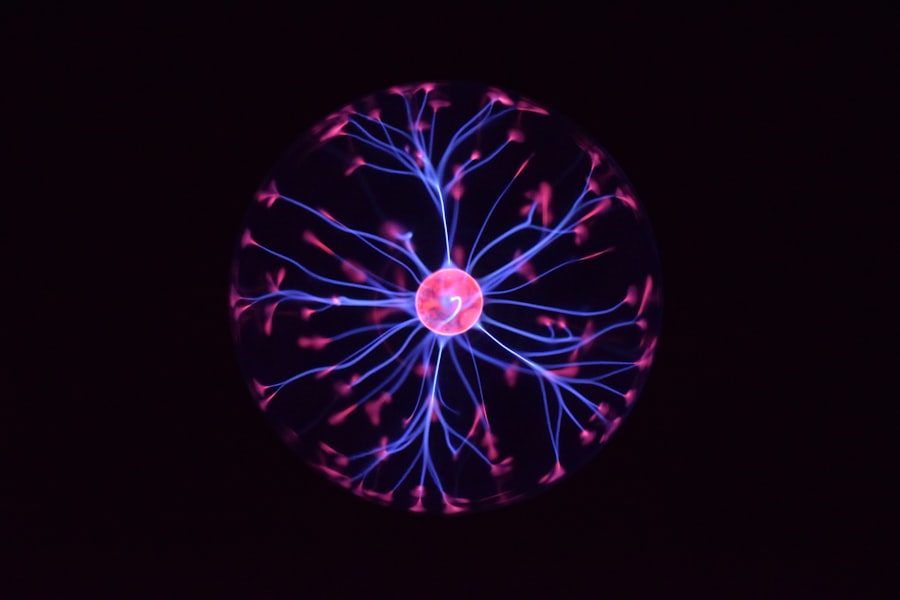
Your brain is constantly generating electrical activity, observable as brainwaves. The frequency and amplitude of these waves are associated with different mental states, including those conducive to deep focus and concentration.
Alpha Waves: The Relaxed Readiness
Alpha waves are characterized by their low frequency (8-13 Hz) and are typically observed when you are awake but in a relaxed state, with your eyes closed. They are associated with a state of calm alertness, where you are receptive to information but not actively engaged in strenuous cognitive effort.
Alpha Waves and Preparatory Attention
For high achievers, moments of relaxed readiness can be surprisingly productive. This state allows your brain to be open to new ideas without the mental strain of intense focus, a state that can precede deep work.
- Transitioning into Deep Work: Cultivating the ability to enter an alpha wave state can be beneficial for transitioning into periods of intense focus. It allows your brain to wind down from distractions and prepare for incoming information.
- Mindfulness and Alpha: Practices like mindfulness meditation are often associated with increased alpha wave activity, suggesting a link between a calm, focused mind and this brainwave state.
Beta Waves: The Engaged and Active Mind
Beta waves (13-30 Hz) are the hallmark of active cognitive processing, problem-solving, and focused attention. When you are deeply engrossed in a task, your brain is likely generating a significant amount of beta wave activity.
Beta Waves and Intense Concentration
The more complex the task and the higher the demand for concentration, the more pronounced your beta wave activity will be. This is the brain at work, actively processing information and making decisions.
- Maintaining Alertness: When you’re in a state of deep concentration, your beta wave activity is essential for maintaining alertness and processing information efficiently. This is the engine of your focused work.
- Potential for Overstimulation: While beneficial for focus, overly dominant beta waves can also be associated with anxiety and stress. It’s about finding the optimal balance, where beta waves signify productive engagement, not frantic overthinking.
Gamma Waves: The Peak of Cognitive Performance
Gamma waves (30-100+ Hz) are the fastest brainwaves and are associated with peak cognitive performance, heightened sensory processing, and the integration of information from different brain regions. They are often observed during moments of intense learning, insight, and deep concentration.
Gamma Waves and Complex Problem-Solving
For high achievers tackling exceptionally challenging problems, the emergence of gamma wave activity is common. This state signifies your brain rapidly processing vast amounts of information and making intricate connections.
- Neural Synchronization: Gamma waves are thought to represent the synchronized firing of neurons across different brain areas, allowing for the rapid integration of information. This is crucial for solving complex, multi-faceted problems.
- The “Aha!” Moment: While not exclusively responsible, gamma wave activity is often observed during moments of sudden insight or understanding, the “aha!” moments that drive breakthroughs.
Strategies for Enhancing Focus: Cultivating Your Cognitive Engine

Understanding the neurobiology of focus is only the first step. The next, and arguably more important, step is to implement strategies that actively cultivate and strengthen your attentional abilities.
Environmental Optimization: Your Cognitive Sanctuary
Your external environment plays a surprisingly significant role in your brain’s ability to concentrate. Creating an environment that minimizes distractions and promotes focus is akin to preparing the fertile ground for your cognitive seeds to grow.
Minimizing External Distractions
The most obvious external distractions are sensory stimuli. Creating a dedicated workspace that is free from interruptions is paramount.
- The Power of a Dedicated Space: Having a specific area for focused work, whether it’s a quiet corner of your home or a designated office, signals to your brain that it’s time to concentrate. This environmental cue can be a powerful trigger for focus.
- Managing Digital Clutter: Your digital environment is a significant source of distraction. Turn off unnecessary notifications, close irrelevant tabs, and consider using website blockers to limit access to time-wasting sites.
Optimizing Lighting and Sound
The right ambient conditions can also influence your focus.
- The Impact of Natural Light: Exposure to natural light has been shown to positively impact mood and cognitive function. If possible, position your workspace near a window.
- The Role of Background Noise: Some individuals benefit from silence, while others find that low-level ambient noise, such as white noise or instrumental music, can actually enhance their focus by masking more disruptive sounds. Experiment to find what works for you.
Internal Regulation: Mastering Your Mind’s Landscape
Beyond the external environment, your internal state—your thoughts, emotions, and physical well-being—profoundly impacts your concentration. Mastering these internal factors is key to sustained high achievement.
Mindfulness and Meditation: Training Your Attention Muscle
Mindfulness meditation is a practice that trains your ability to direct and sustain attention, as well as to disengage from distracting thoughts. It directly targets the neural networks involved in focus.
- Strengthening the Executive Control Network: Regular mindfulness practice has been shown to increase grey matter density in the prefrontal cortex and anterior cingulate cortex, areas crucial for executive control and attention. It’s like doing reps at the gym for your cognitive muscles.
- Reducing Mind-Wandering: By teaching you to observe your thoughts without judgment, mindfulness helps you to disengage from the default mode network’s tendency to wander. You learn to notice when your mind drifts and gently redirect it back to your task.
Sleep Hygiene: The Foundation of Cognitive Function
Adequate and quality sleep is not a luxury; it is the bedrock upon which all cognitive functions, including focus and concentration, are built.
- Sleep and Prefrontal Cortex Function: During sleep, your brain consolidates memories and clears metabolic waste. Insufficient sleep impairs the function of the prefrontal cortex, leading to poor decision-making, reduced willpower, and difficulty concentrating.
- Restorative Processes: Aim for 7-9 hours of quality sleep per night. Establish a consistent sleep schedule, create a relaxing bedtime routine, and ensure your bedroom is dark, quiet, and cool to optimize these restorative processes.
Nutrition and Hydration: Fueling Your Brain
Your brain is a powerhouse that requires consistent and appropriate fuel to function optimally.
- The Impact of Blood Sugar: Fluctuations in blood sugar can lead to fatigue and difficulty concentrating. Opt for complex carbohydrates, lean proteins, and healthy fats to maintain stable energy levels throughout the day.
- The Importance of Hydration: Dehydration, even mild, can negatively impact cognitive performance, including attention and memory. Ensure you are drinking enough water throughout the day.
Task Management Strategies: Guiding Your Cognitive Energy
How you approach your tasks can significantly impact your ability to maintain focus. Employing effective task management strategies can help you harness your attentional energy more efficiently.
The Pomodoro Technique: Structured Work Intervals
The Pomodoro Technique involves breaking down work into intervals, traditionally 25 minutes long, separated by short breaks. This structured approach leverages the brain’s natural rhythms of focus and fatigue.
- Combating Mental Fatigue: By working in focused bursts and taking regular short breaks, you prevent mental fatigue from setting in. These short breaks allow your brain to reset, improving your ability to sustain concentration during subsequent work intervals.
- Creating Momentum: The structured nature of the Pomodoro Technique can create a sense of momentum and progress, making it easier to stay motivated and focused on your tasks.
Prioritization and Time Blocking: Directing Your Focus
Effectively prioritizing your tasks and allocating specific blocks of time for them ensures that your most important work receives your undivided attention.
- The Power of Clear Goals: Knowing what your most important tasks are, and dedicating specific time slots to them, provides a clear direction for your focus. This reduces ambiguity and the likelihood of being sidetracked by less important activities.
- Protecting Your Deep Work Time: Time blocking allows you to intentionally protect periods of time for deep, concentrated work. During these blocks, minimize all distractions and commit to fully engaging with your chosen task.
By integrating these neuroscientifically informed strategies, you are not merely adopting good habits; you are actively shaping the neural architecture and neurochemical environment of your brain to optimize your inherent capacity for focus and concentration. This understanding empowers you to move beyond simply wishing for better focus and to actively cultivate it, thereby unlocking new levels of achievement.
FAQs
What is the neuroscience behind focus and concentration?
Focus and concentration involve the brain’s ability to selectively attend to specific stimuli while ignoring distractions. Key brain regions include the prefrontal cortex, which manages executive functions and decision-making, and the parietal cortex, which helps in attention allocation. Neurotransmitters like dopamine and norepinephrine play crucial roles in maintaining alertness and motivation.
How do high achievers typically maintain better focus?
High achievers often have well-developed neural pathways that support sustained attention and cognitive control. They tend to engage in practices such as goal-setting, mindfulness, and structured routines that enhance prefrontal cortex activity. Additionally, they may have optimized dopamine regulation, which supports motivation and reward-based learning.
Can focus and concentration be improved through training?
Yes, focus and concentration can be enhanced through various cognitive training methods, including mindfulness meditation, neurofeedback, and targeted brain exercises. These practices can strengthen neural connections in attention-related brain areas and improve the brain’s ability to filter distractions.
What role do neurotransmitters play in concentration?
Neurotransmitters like dopamine, norepinephrine, and acetylcholine are essential for regulating attention and concentration. Dopamine influences motivation and reward processing, norepinephrine enhances alertness and response to stimuli, and acetylcholine supports sustained attention and learning.
How does stress affect the neuroscience of focus in high achievers?
Stress activates the amygdala and the hypothalamic-pituitary-adrenal (HPA) axis, releasing cortisol, which can impair prefrontal cortex function and reduce concentration. While moderate stress may enhance focus temporarily, chronic stress can disrupt neural circuits involved in attention, making it harder for high achievers to maintain optimal concentration.