
Procrastination is a complex psychological phenomenon that affects many individuals across various walks of life. At its core, it involves the voluntary delay of an intended action despite knowing that this delay may lead to negative consequences. You might find yourself putting off tasks, whether they are mundane chores or significant projects, often opting for distractions that provide immediate gratification instead.
This behavior can stem from a variety of psychological factors, including anxiety, low self-esteem, and a lack of motivation. Understanding the underlying reasons for your procrastination can be the first step toward overcoming it. The psychology behind procrastination is often tied to your emotional responses to tasks.
When faced with a daunting project, you may experience feelings of overwhelm or fear, which can trigger avoidance behaviors. This emotional response can create a cycle where the more you procrastinate, the more anxious you become about the task at hand. You might find yourself caught in a loop of guilt and stress, which only exacerbates your tendency to delay.
Recognizing these patterns in your behavior is crucial; it allows you to address the root causes rather than merely treating the symptoms of procrastination.
Key Takeaways
- Procrastination is often linked to psychological factors such as fear of failure, perfectionism, impulsivity, and task aversion.
- Dopamine plays a role in procrastination, as individuals may seek immediate rewards and gratification instead of focusing on long-term goals.
- The fear of failure can significantly contribute to procrastination, as individuals may avoid tasks to protect their self-esteem and avoid potential negative outcomes.
- Perfectionism can lead to procrastination, as individuals may delay tasks in fear of not meeting their high standards or expectations.
- Procrastination is connected to impulsivity, as individuals may act on immediate desires and impulses rather than focusing on long-term goals and responsibilities.
The Role of Dopamine in Procrastination
Dopamine, often referred to as the “feel-good” neurotransmitter, plays a significant role in your motivation and reward systems. When you engage in activities that you find pleasurable or rewarding, your brain releases dopamine, reinforcing those behaviors. However, when faced with tasks that seem tedious or uninteresting, your brain may not release enough dopamine to motivate you to start.
You may notice that you are more likely to procrastinate on tasks that do not offer instant gratification. For instance, studying for an exam or completing a work project may feel less appealing compared to scrolling through social media or binge-watching a series.
This preference for immediate rewards over long-term goals can create a cycle of procrastination that is difficult to break. Understanding how dopamine influences your decision-making can help you find strategies to increase your motivation and tackle tasks more effectively.
The Impact of Fear of Failure on Procrastination
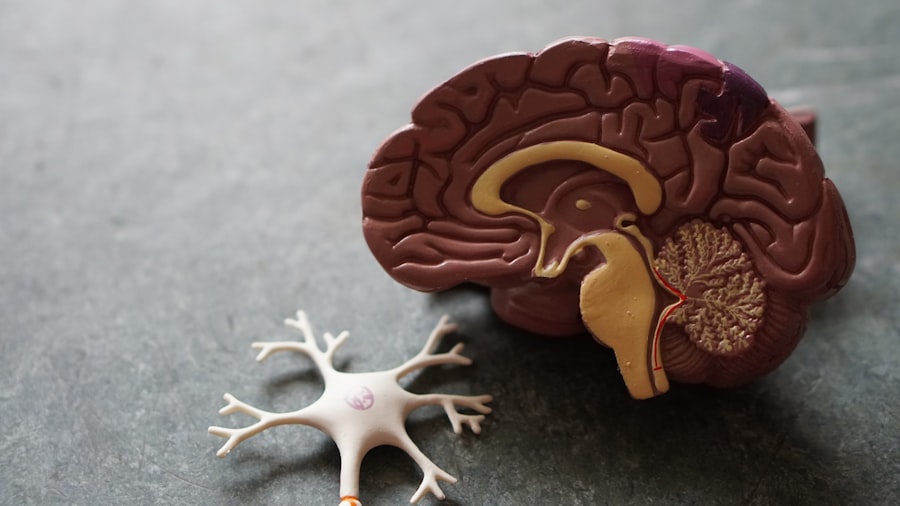
Fear of failure is another significant factor contributing to procrastination. You might find yourself avoiding tasks because you are anxious about not meeting expectations or making mistakes. This fear can be paralyzing, leading you to delay starting a project altogether.
The thought of failing can be so daunting that it feels easier to put off the task than to confront the possibility of not succeeding. This fear often stems from perfectionist tendencies or high self-expectations. You may hold yourself to an unattainable standard, which can create immense pressure and lead to avoidance behaviors.
By recognizing how fear of failure influences your procrastination, you can begin to reframe your mindset. Instead of viewing tasks as potential failures, try to see them as opportunities for growth and learning. Embracing a more forgiving perspective can help reduce the anxiety associated with starting new projects.
The Influence of Perfectionism on Procrastination
| Perfectionism Type | Procrastination Level |
|---|---|
| Self-Oriented Perfectionism | High |
| Other-Oriented Perfectionism | Low |
| Socially Prescribed Perfectionism | Medium |
Perfectionism is closely linked to procrastination, as individuals who strive for perfection often find themselves delaying tasks due to their high standards. You may feel that if you cannot complete a task flawlessly, it is better not to start at all. This mindset can lead to significant delays and missed opportunities, as the desire for perfection can paralyze your ability to take action.
Moreover, perfectionism can create a fear of judgment from others, further exacerbating your tendency to procrastinate. You might worry about how your work will be perceived, leading you to avoid sharing it until you believe it meets your standards. Understanding the relationship between perfectionism and procrastination is essential for breaking this cycle.
By setting realistic goals and allowing yourself to make mistakes, you can reduce the pressure you place on yourself and foster a more productive approach to your tasks.
The Connection Between Procrastination and Impulsivity
Impulsivity is another factor that can contribute to procrastination. You may find yourself easily distracted by immediate temptations, such as social media notifications or entertaining videos, which can derail your focus on important tasks. This impulsive behavior often leads to a lack of prioritization and an inability to stick to a plan, resulting in delays and unfinished projects.
The connection between impulsivity and procrastination highlights the importance of self-regulation in managing your time effectively. You might benefit from developing strategies that help you minimize distractions and maintain focus on your goals.
The Role of Executive Function in Procrastination

Executive function refers to a set of cognitive processes that enable you to plan, focus attention, remember instructions, and juggle multiple tasks successfully. When your executive function is compromised—whether due to stress, fatigue, or other factors—you may struggle with organization and time management, leading to procrastination. You might find it challenging to break down larger tasks into manageable steps or prioritize effectively, resulting in delays.
Improving your executive function skills can significantly impact your ability to overcome procrastination. Techniques such as creating detailed to-do lists, setting deadlines for yourself, and breaking tasks into smaller components can enhance your organizational skills and make it easier for you to take action. By strengthening these cognitive processes, you can develop a more proactive approach to your responsibilities.
The Impact of Time Management on Procrastination
Effective time management is crucial in combating procrastination. You may find that poor time management skills contribute significantly to your tendency to delay tasks. Without a clear plan or schedule, it becomes easy to lose track of deadlines and prioritize less important activities over critical ones.
This lack of structure can lead to increased stress and anxiety as deadlines approach. To improve your time management skills, consider implementing techniques such as the Pomodoro Technique or time blocking. These methods encourage focused work sessions followed by short breaks, helping you maintain concentration while also allowing for rest.
By establishing a structured routine and setting specific goals for each work session, you can create an environment conducive to productivity and reduce the likelihood of procrastination.
The Relationship Between Procrastination and Self-Control
Self-control plays a vital role in managing procrastination effectively. You may struggle with resisting immediate temptations in favor of long-term goals, leading to delays in completing important tasks. This lack of self-control can manifest in various ways, such as choosing leisure activities over work or succumbing to distractions when you should be focused.
Building self-control requires practice and awareness of your triggers. You might benefit from identifying specific situations where you tend to procrastinate and developing strategies to counteract those impulses. For example, if you find yourself reaching for your phone during work hours, consider placing it in another room or using apps that block notifications during designated work times.
Strengthening your self-control can empower you to make better choices and reduce procrastination.
The Influence of Task Aversion on Procrastination
Task aversion refers to the dislike or discomfort associated with certain activities, which can significantly contribute to procrastination. You may find yourself avoiding tasks that seem tedious or unenjoyable, opting instead for more pleasurable activities that provide instant gratification. This aversion can create a cycle where the more you avoid a task, the more daunting it becomes in your mind.
To combat task aversion, consider reframing how you view these activities. Instead of focusing on the negative aspects of a task, try to identify any potential benefits or rewards associated with completing it. Additionally, breaking down larger tasks into smaller, more manageable steps can make them feel less overwhelming and more achievable.
By addressing task aversion head-on, you can reduce its impact on your procrastination habits.
The Connection Between Procrastination and Mood Regulation
Procrastination is often linked to mood regulation; you may find yourself delaying tasks as a way to cope with negative emotions such as stress or anxiety. In these moments, engaging in pleasurable activities may provide temporary relief from these feelings, leading you further away from completing necessary tasks. This behavior creates a cycle where procrastination becomes a coping mechanism rather than a solution.
To break this cycle, it’s essential to develop healthier coping strategies for managing negative emotions. You might consider incorporating mindfulness practices or physical activity into your routine as ways to regulate your mood without resorting to procrastination. By addressing the emotional aspects of procrastination, you can create a more balanced approach that allows you to tackle tasks while also taking care of your mental well-being.
The Impact of Procrastination on Mental Health
The consequences of procrastination extend beyond mere productivity; they can significantly impact your mental health as well. Chronic procrastination often leads to increased stress levels, anxiety, and feelings of inadequacy as deadlines loom closer without progress being made. You may experience guilt or shame over unfinished tasks, which can further exacerbate feelings of low self-worth.
Recognizing the mental health implications of procrastination is crucial for breaking free from its grip. By addressing the underlying psychological factors contributing to your procrastination—such as fear of failure or perfectionism—you can begin to develop healthier habits and coping mechanisms. Seeking support from friends, family, or mental health professionals can also provide valuable insights and encouragement as you work toward overcoming procrastination and improving your overall well-being.
In conclusion, understanding the multifaceted nature of procrastination is essential for developing effective strategies to combat it. By exploring the psychological factors at play—such as dopamine levels, fear of failure, perfectionism, impulsivity, executive function challenges, time management skills, self-control issues, task aversion tendencies, mood regulation needs, and mental health impacts—you can gain valuable insights into your behavior and take proactive steps toward change. Embracing this journey requires patience and self-compassion; however, with dedication and awareness, you can overcome procrastination and cultivate a more productive and fulfilling life.
In understanding why your brain avoids work, it’s essential to delve into the concept of cognitive resistance, which is often driven by the brain’s natural inclination to conserve energy and avoid tasks perceived as difficult or unpleasant. This phenomenon is closely related to the idea of procrastination and mental fatigue, where the brain prioritizes immediate comfort over long-term goals. For a deeper exploration of these concepts, you can read a related article on the topic by visiting Productive Patty, which offers insights into overcoming mental barriers to productivity.
WATCH THIS! 🌈🌈🌈🌈🌈🌈The LIE That Keeps You Burned Out: Why Your Productivity Shame Is a Trap
FAQs
What is the article “Why Your Brain Avoids Work” about?
The article explores the psychological and neurological reasons behind procrastination and the brain’s tendency to avoid work.
What are some common reasons for procrastination?
Some common reasons for procrastination include fear of failure, lack of motivation, perfectionism, and feeling overwhelmed.
How does the brain respond to tasks that require effort?
The brain often seeks immediate rewards and pleasure, so tasks that require effort may be perceived as less desirable. This can lead to procrastination and avoidance of work.
What are some strategies to overcome procrastination and motivate the brain to work?
Some strategies to overcome procrastination include breaking tasks into smaller, manageable steps, setting specific goals and deadlines, creating a conducive work environment, and practicing self-compassion.
Can the brain be trained to overcome its tendency to avoid work?
Yes, the brain can be trained to overcome procrastination through consistent practice of self-discipline, mindfulness, and positive reinforcement. Developing a routine and creating a supportive environment can also help retrain the brain to approach work more positively.