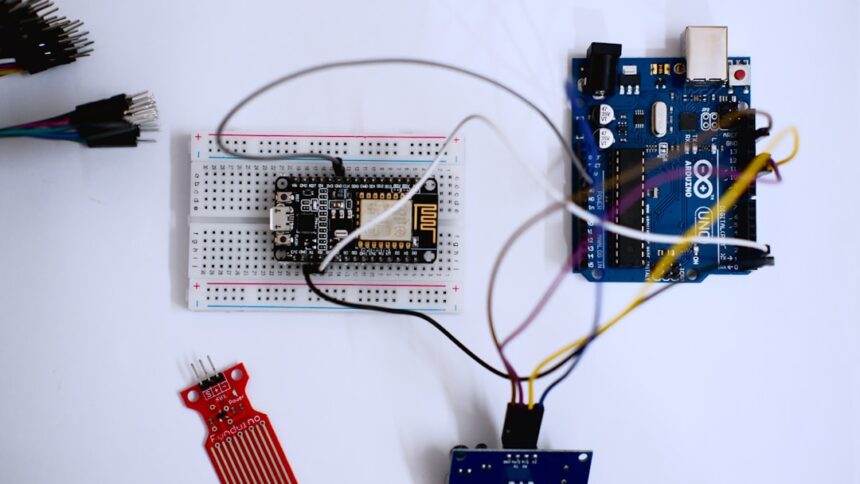
To effectively demonstrate progress and foster confidence in your leadership, the strategic deployment of micro-demos serves as a potent tool. This article will guide you through the process of building trust with your boss through the judicious use of these concise, impactful presentations of your work.
Before you can effectively leverage micro-demos, it is essential to establish a clear understanding of their nature and purpose. Think of a micro-demo not as a grand unveiling of a finished masterpiece, but rather as a carefully curated snapshot, a preview of a building block being meticulously placed. They are short, focused presentations, typically lasting no more than five to ten minutes, designed to showcase a specific feature, function, or a tangible piece of work. Their brevity is their strength, preventing information overload and ensuring that attention remains fixed on the most pertinent aspects of your contribution.
Distinguishing Micro-Demos from Larger Presentations
It is crucial to differentiate micro-demos from more traditional, comprehensive presentations. A full project presentation often aims for a broad overview, demonstrating the entirety of a completed feature or a significant milestone. Micro-demos, conversely, are granular. They are like examining a single, perfectly cut gemstone under a magnifying glass, rather than admiring a finished necklace from afar.
The Scope: Specificity vs. Breadth
A micro-demo’s scope is deliberately narrow. You are not presenting a fully polished diamond, but rather showcasing the precision of a single facet being cut. Your boss is not looking for the entire crown jewels display; they want to see the craftsmanship of a particular detail. This specificity allows for a deeper understanding of the immediate progress and the technical nuances involved.
The Audience: Focused Engagement vs. General Overview
The engagement elicited by a micro-demo is typically more focused. Your boss is invited to examine a specific maneuver, a tiny but critical gear turning within a larger mechanism. Unlike a broad presentation that might cater to diverse interests, a micro-demo aims to resonate with the immediate concerns and current priorities of your manager.
The Objective: Iterative Feedback vs. Final Approval
The primary objective of a micro-demo is not necessarily final approval, but rather to solicit early, actionable feedback and to demonstrate ongoing development. It’s like showing a craftsman the progress on a specific joint in a piece of furniture, seeking their input before moving on to the next step, rather than waiting until the entire table is built to ask if they like it. This iterative approach allows for course correction and avoids significant rework later in the development cycle.
The Core Purpose: Transparency and Validation
At their heart, micro-demos are instruments of transparency and validation. They are your proactive method of saying, “Here is what I have achieved with this specific component, and here is how it is progressing.” They provide tangible evidence of your efforts, acting as a verbal and visual handshake that cements your commitment and capability.
Transparency as a Trust Enabler
Transparency is the bedrock upon which trust is built. By regularly sharing small, digestible pieces of your work, you are peeling back the curtain on your development process. You are offering your boss a glimpse into the engine room, allowing them to see the intricate workings and understand the effort involved. This reduces uncertainty and the possibility of surprise, which are often the architects of distrust.
Validation Through Tangible Evidence
Micro-demos provide tangible evidence that transcends mere words. Instead of stating “I’m making good progress on feature X,” you can demonstrate it. This direct, visual validation of your efforts can be far more convincing than any verbal assurance. It’s like providing a blueprint and then showing them a section of the house being constructed according to that blueprint, rather than just describing the blueprint. This concrete demonstration offers a clear picture of your productivity and the quality of your output.
Building trust with your boss can be a challenging task, but utilizing micro-demos can significantly enhance your credibility and rapport. For a deeper understanding of this approach, you can refer to the article that discusses effective strategies for implementing micro-demos in the workplace. This resource provides valuable insights on how to showcase your skills and ideas succinctly, ultimately fostering a stronger relationship with your supervisor. To explore this further, visit this article.
Strategizing Your Micro-Demo Approach
Building trust is not merely about performing micro-demos; it is about executing them with strategic intent. Your approach should be deliberate, aligning with your boss’s priorities and your project’s trajectory.
Identifying Key Moments for Demonstration
Not every small task warrants a micro-demo. The art lies in selecting the moments that have the greatest impact and provide the most meaningful insights. Think of these as strategic checkpoints, where showing progress is particularly valuable.
Demonstrating Core Functionality
When you have successfully implemented a crucial piece of functionality, one that is central to the project’s goals, that is an ideal juncture for a micro-demo. This is akin to successfully installing the primary load-bearing column of a structure; its successful placement is a significant indicator of stability and progress.
Showcasing a Solution to a Complex Problem
If you have overcome a particularly challenging technical hurdle or devised an ingenious solution to a complex problem, a micro-demo is an excellent way to highlight this. It demonstrates your problem-solving acumen and your ability to navigate difficult terrain. Imagine navigating a dense fog; successfully clearing a path and showing that clear path is a valuable demonstration.
Highlighting a Significant Improvement or Optimization
When you have introduced an optimization that tangibly improves performance, efficiency, or user experience, this is another opportune moment. It shows foresight and a commitment to refinement. This is like showing a gardener the fruits of their labor – the thriving plants that are a result of their precise care and attention.
Presenting a User Interface Element that Significantly Enhances Usability
If you have designed or implemented a user interface element that demonstrably improves the ease with which users interact with the product, this is a prime candidate for a micro-demo. It directly impacts the end-user experience, a concern often shared by management. This is like showcasing a well-placed, intuitive doorway that makes accessing a building effortless.
Aligning with Your Boss’s Priorities
Your micro-demos should not operate in a vacuum. They must resonate with your boss’s current focus and objectives. Understanding their strategic imperatives will allow you to tailor your demonstrations for maximum impact.
Understanding Current Project Goals
Before preparing a micro-demo, take a moment to review the overarching goals of the current project or sprint. What are the key deliverables? What are the critical success factors? Aligning your demonstration with these goals ensures that you are showcasing what matters most to your manager. It’s like focusing your compass needle on the true north of the project.
Recognizing Your Boss’s Specific Concerns
Your boss may have particular areas of interest or concern. Perhaps they are focused on performance metrics, user adoption, or integration with other systems. If you have made progress in an area that directly addresses their known concerns, prioritize demonstrating that. This shows that you are attentive to their perspective and are working to alleviate their anxieties. It’s like knowing which locks your boss is worried about and showing them the reinforced doors you’ve installed.
Proactive Anticipation of Questions
Consider what questions your boss might have about the piece of work you are about to demo. Can you preemptively address these questions within the demonstration itself? This proactive approach can save time and demonstrate your thoroughness. It’s akin to providing a user manual with the product, anticipating common queries.
Building trust with your boss can be a challenging endeavor, but utilizing micro-demos can significantly enhance your credibility and rapport. By showcasing your work in small, digestible segments, you allow your supervisor to see your progress and understand your thought process without overwhelming them. For further insights on effective strategies to foster trust in the workplace, you might find this article on productive techniques particularly helpful. Implementing these methods alongside micro-demos can create a more transparent and trusting relationship with your boss.
Tailoring the Content for Clarity
The effectiveness of a micro-demo hinges on its clarity. Avoid jargon where possible, and ensure that the value proposition of what you are showcasing is immediately apparent.
Focusing on the “What” and “Why”
Clearly articulate what you have built or improved and why it is important. What problem does it solve? What benefit does it provide? This foundational understanding is critical for your boss to grasp the significance of your work. It’s like stating the problem and then presenting the elegant solution.
Demonstrating Tangible Outcomes
Where possible, focus on demonstrating tangible outcomes or measurable improvements. This could be a reduction in loading times, an increase in completed user flows, or a successful data retrieval rate. Numbers and concrete results speak volumes. This is the evidence that directly supports your claims of progress.
Keeping it Concise and Focused
As the name suggests, micro-demos are short. Resist the temptation to delve into excessive technical detail unless it is directly relevant to the point you are making. Every second counts in maintaining engagement. Your boss is not looking for a masterclass in your specific programming language; they are looking for the outcome of that programming.
Executing Your Micro-Demos Effectively
The delivery of your micro-demos is as important as the content itself. A well-executed presentation can amplify the impact of your work.
Preparation: The Unseen Cornerstone
While the demo itself is brief, thorough preparation is essential. This unseen work is the foundation upon which a successful demonstration is built.
Rehearsing Your Pitch
Practice what you are going to say. A few run-throughs can help you refine your message, identify awkward phases, and ensure a smooth flow. This is like a musician practicing their scales before a performance; it ensures precision and confidence.
Ensuring a Stable Environment
Test your demo in the environment it will be presented. Ensure that your internet connection is stable, your software is running correctly, and any necessary data is readily accessible. Technical glitches can derail even the most compelling demonstration. Think of it as ensuring the stage is set and the lighting is perfect before the curtain rises.
Preparing Supporting Materials (If Necessary)
While micro-demos are primarily about live demonstration, sometimes a single slide or a concise data point can add crucial context or visual reinforcement. However, keep these minimal. Over-reliance on slides defeats the purpose of a live, interactive demonstration. This is like a chef having a perfectly garnishing spice to add at the last moment, not a whole array of side dishes.
Delivery: Engaging Your Audience
Your demeanor and communication style during the demo can significantly influence how your work is perceived.
Maintaining a Confident and Clear Tone
Speak clearly and confidently. Your belief in your work should be evident. Avoid hedging language; state what you have accomplished with conviction. This gravitas lends credibility to your presentation.
Focusing on the Viewer’s Perspective
Constantly consider what your boss needs to understand. Explain the concept from their point of view, highlighting the value and implications. Frame your explanation in terms of business objectives or departmental goals. It’s like translating a technical manual into a user-friendly guide.
Encouraging Interaction (When Appropriate)
While micro-demos are short, creating brief moments for questions or clarification can be beneficial. This demonstrates openness to feedback and can help address any immediate ambiguities. However, manage this interaction to avoid derailing the flow. This is like pausing briefly during a guided tour to answer a pertinent question from a visitor.
Post-Demo Follow-Up: Solidifying the Gains
The work doesn’t end when the screen is refreshed. The follow-up after a micro-demo is critical for cementing the trust you have begun to build.
Summarizing Key Takeaways
Briefly reiterate the main points demonstrated and any agreed-upon next steps. This reinforces understanding and ensures alignment. It’s like providing meeting minutes that summarize the key decisions and actions.
Addressing Any Action Items Promptly
If there were any action items or questions raised during the demo that you committed to addressing, follow through immediately. Timely execution of these commitments will significantly bolster your credibility. This is about closing the loop and demonstrating your reliability.
Soliciting Feedback (If Not Already Given)
If you didn’t receive explicit feedback during the demo, a subtle follow-up asking if they have any thoughts can be valuable. This shows you are open to constructive criticism and value their input. This is like leaving a feedback box after a presentation; it offers an easy avenue for their opinions.
The Long-Term Impact: Cultivating a Culture of Trust
Regularly employing micro-demos is not just about individual successes; it’s about cultivating a long-term relationship built on a solid foundation of trust.
Building Predictability and Reliability
When your boss knows that you will regularly provide concise updates on your progress, it builds a sense of predictability and reliability. They can anticipate seeing your work, understand that you are on track, and feel confident in your ability to deliver. This consistent rhythm of demonstration creates a predictable flow of information, like a metronome setting a steady pace for the project.
Mitigating Risk and Surprises
By showcasing progress incrementally, you reduce the likelihood of significant surprises or major setbacks materializing late in the development cycle. Early visibility allows for early detection and mitigation of potential issues, effectively acting as an early warning system. This proactive approach is a powerful risk management strategy.
Enhancing Your Reputation as a Proactive Contributor
Consistently using micro-demos positions you as a proactive, communicative, and effective contributor. You are not waiting to be asked for updates; you are actively demonstrating your work. This self-starter mentality is highly valued and contributes to a positive professional reputation. You are seen as someone who takes ownership and drives progress.
Fostering a Collaborative Environment
When your boss feels informed and confident in your progress, it allows for a more collaborative and less micromanaged working relationship. They can trust your judgment and provide higher-level guidance, freeing them from the need to constantly check on minute details. This empowers both you and your manager, leading to a more productive and harmonious work environment. It’s like a well-oiled machine where each component functions smoothly, allowing the entire system to operate efficiently.
Micro-demos are a powerful, yet often underutilized, tool for building trust. By understanding their purpose, strategically planning their execution, and consistently delivering them effectively, you can forge a stronger, more confident relationship with your boss, leading to mutual success and a more fulfilling professional journey.
FAQs
What are micro-demos in a professional setting?
Micro-demos are brief, focused presentations or demonstrations that showcase a specific skill, idea, or progress on a project. They are designed to communicate value quickly and clearly to stakeholders, such as your boss.
How can micro-demos help build trust with your boss?
Micro-demos help build trust by providing regular, transparent updates on your work. They demonstrate your competence, commitment, and ability to deliver results, which can increase your boss’s confidence in your capabilities.
How often should I use micro-demos to communicate with my boss?
The frequency of micro-demos depends on your project and your boss’s preferences, but typically providing updates weekly or biweekly is effective. Consistency is key to maintaining trust and keeping your boss informed.
What should I include in a micro-demo to make it effective?
An effective micro-demo should include a clear objective, a concise demonstration of progress or results, and any relevant data or visuals. It should be brief, focused, and tailored to address your boss’s priorities and concerns.
Can micro-demos be used in remote or virtual work environments?
Yes, micro-demos are especially useful in remote or virtual settings. They can be delivered via video calls, recorded videos, or shared presentations, helping maintain clear communication and trust despite physical distance.