
You’ve reached a plateau. That invigorating surge of progress you felt in the beginning has dwindled, replaced by a dull ache of effort with diminishing returns. You’re at the 80% mark, and the familiar siren song of quitting is whispering in your ear. This feeling, this powerful urge to abandon your endeavor, is not mere weakness. It’s a complex interplay of your brain’s reward systems, cognitive biases, and evolutionary drives. Understanding the neuroscience behind this “80% quitting phenomenon” can arm you with the knowledge to navigate this treacherous terrain and, perhaps, push through.
As you embark on a new goal – be it learning a skill, completing a project, or adopting a new habit – your brain is a hive of activity. Neurotransmitters like dopamine, the well-known “feel-good” chemical, are flowing abundantly. This initial phase is characterized by rapid learning and significant progress, and your brain associates these positive feelings with the pursuit of your goal. However, as you approach the 80% mark, the landscape shifts. Your brain’s neurochemical symphony begins to change its tune.
The Dopamine Drop: From Thrill to Treadmill
Dopamine is crucial for motivation and reward. In the early stages of a goal pursuit, every small success triggers a dopamine release, reinforcing your behavior. This is like the initial rush of a roller coaster – exhilarating and addictive. You learn quickly, absorb information effortlessly, and feel a constant sense of accomplishment. However, as you become more proficient, the novelty wears off. Your brain, being remarkably efficient, no longer needs such a potent chemical cocktail to acknowledge your progress. The dopamine “high” gradually subsides, not because you’re failing, but because your brain has adapted to the stimuli. This isn’t a sign of failure; it’s a sign of mastery in progress. Imagine a seasoned athlete achieving a personal best; the initial ecstatic celebration might be tempered by a deeper, more stoic satisfaction as they refine their technique rather than experience a brand-new thrill.
Neuroplasticity and Habituation: The Brain’s Taming of the Novel
Neuroplasticity is your brain’s remarkable ability to reorganize itself by forming new neural connections throughout life. In the initial stages of learning, your brain is a garden being actively tilled and sown. New pathways are being forged rapidly. As you approach proficiency, this intense construction phase slows down. The established pathways become more robust and efficient, akin to well-trodden paths in a forest. While this efficiency is beneficial for automaticity, it can also contribute to the feeling of monotony. Your brain habituates to the familiar patterns, requiring more effort to generate the same level of novel stimulation. This doesn’t mean your brain has stopped working; it’s simply become more refined in its operation.
The Energy Economy: Your Brain’s Primal Instinct to Conserve
Your brain, despite its complexity, is an energy-intensive organ. It consumes about 20% of your body’s total energy, even at rest. From an evolutionary perspective, conserving energy is paramount for survival. When the perceived reward for continued effort begins to outweigh the energy expenditure, your brain’s internal calculations can trigger a desire to rest or redirect resources. The 80% mark often represents a point where the remaining 20% of the goal requires a disproportionately high amount of effort for the perceived benefit, especially when compared to the readily available “wins” of the initial stages. This is your brain acting like a frugal accountant, scrutinizing every expenditure of mental and physical energy.
In exploring the fascinating intersection of neuroscience and productivity, I came across an insightful article that delves into the reasons behind why many individuals tend to quit tasks when they reach about eighty percent completion. This phenomenon can be linked to cognitive fatigue and the brain’s reward system, which often diminishes as we near the finish line. For a deeper understanding of this concept, I recommend reading the article available at Productive Patty, which provides valuable insights into how our brain functions in relation to task completion and motivation.
Biases and Beliefs: The Cognitive Hurdles at 80%
Beyond the neurochemical shifts, your cognitive processes also play a significant role in why quitting feels so tempting at this juncture. A confluence of biases and ingrained beliefs can amplify the perceived difficulty of the remaining task and diminish the perceived value of completion.
The Peak-End Rule: Remembering the Struggle, Forgetting the Summit
The Peak-End Rule suggests that our memories of an experience are disproportionately influenced by the peak (most intense point) and the end of that experience, rather than the average of every moment. When you’re at 80%, you vividly recall the struggles and frustrations of the journey, particularly the more challenging moments that might have occurred during the middle phases of learning – the dreaded plateau stages. The initial exhilaration is a distant memory, and the ultimate triumph of completion is not yet within your immediate grasp. This can lead you to overemphasize the negative aspects of the effort and underestimate the positive impact of reaching the finish line. It’s like looking back at a mountain climb: you vividly remember the steep inclines and the burning muscles, while the breathtaking view from the summit might be less prominent in your recollection of the overall experience.
Present Bias: The Allure of Immediate Gratification
Present bias, also known as hyperbolic discounting, is our tendency to prefer smaller, immediate rewards over larger, delayed rewards. At 80%, the effort required to complete the remaining 20% feels immediate and taxing, while the reward of full completion is still in the future. Your brain, susceptible to the pull of immediate gratification, might prioritize the comfort of stopping now over the satisfaction of finishing later. This is why the immediate relief of quitting can feel so appealing, even if you rationally know that completing the goal would bring greater long-term satisfaction. You’re choosing the present comfort of a warm blanket over the future enjoyment of a well-earned feast.
The Illusion of Progress: Overestimating What’s Left
Sometimes, the perception of how much effort is left can be skewed. You might feel like the remaining 20% is an insurmountable mountain, when in reality, it might be a series of smaller, manageable steps. This illusion is often fueled by the perception of diminishing returns. Because each subsequent learning or productivity increment feels harder to achieve, you extrapolate this feeling to the remaining portion of the task. Your brain, in its attempt to simplify complex calculations, might resort to a broad-stroke estimation that overestimates the remaining challenge. This is akin to looking at a partially filled glass and focusing on how much is empty rather than how much it already contains.
Self-Serving Bias and Projection: Blaming External Factors
When faced with difficulty, you might unconsciously engage in self-serving bias, attributing failures or slowdowns to external factors rather than internal limitations. You might tell yourself, “It’s just too hard,” or “The conditions aren’t right,” rather than acknowledging that the remaining effort requires sustained concentration and perseverance. This projection of blame can serve to justify the impulse to quit, absolving you of responsibility for the perceived lack of progress. It’s like a gardener blaming the soil for a wilting plant, rather than considering their watering or sunlight practices.
The Evolutionary Roots of “Almost There”itis: Survival Instincts at Play

Your brain is a product of millions of years of evolution, and some of its more primal instincts can contribute to the urge to quit when you’re close to achievement. These deeply ingrained responses, honed for survival in ancestral environments, can be at odds with modern-day long-term goals.
The Threat of Depletion: Conserving Resources for the Unknown
In ancestral times, resources were unpredictable. A prolonged period of intense effort could leave an individual depleted and vulnerable to predation or starvation. Therefore, a strong evolutionary drive exists to conserve energy and gather resources when they are readily available. Approaching the 80% mark can sometimes trigger this subconscious “threat of depletion” alarm. Your brain interprets the sustained effort as a drain on crucial resources, prompting you to cease activity and prepare for potential future scarcity, even if such scarcity is not a current reality. This is your internal survival instinct screaming, “Don’t run on empty!”
The Cost-Benefit Analysis of Survival: Is It Worth the Risk?
Ancestral decision-making was heavily skewed towards a rapid cost-benefit analysis. If the perceived risk of continued effort outweighed the immediate benefit, it was often safer to retreat. At 80%, the “benefits” of continuing are delayed and less certain, while the “costs” of effort are immediate and tangible. Your brain, wired for immediate survival, might flag this as a high-risk, low-reward scenario and activate a “retreat” response. This isn’t necessarily a logical assessment of your current situation, but rather an ancient subroutine being triggered. It’s like a squirrel instinctively burying nuts when it perceives a predator, even if no predator is actually present.
The Social Imperative: Avoiding Ostracization for “Failed” Endeavors
Throughout human history, social cohesion has been vital for survival. Being perceived as unable to complete tasks or as a drain on group resources could lead to ostracization. While less direct in modern society, the underlying fear of appearing incompetent or incapable might still influence your decision-making. If you quit at 80%, you might, on a subconscious level, fear being judged by others for not seeing the task through to completion, or for having wasted time and energy. This can create a self-fulfilling prophecy, where the fear of failure contributes to the actual failure.
Strategies Rooted in Neuroscience: Rewiring Your Brain to Push Past 80%
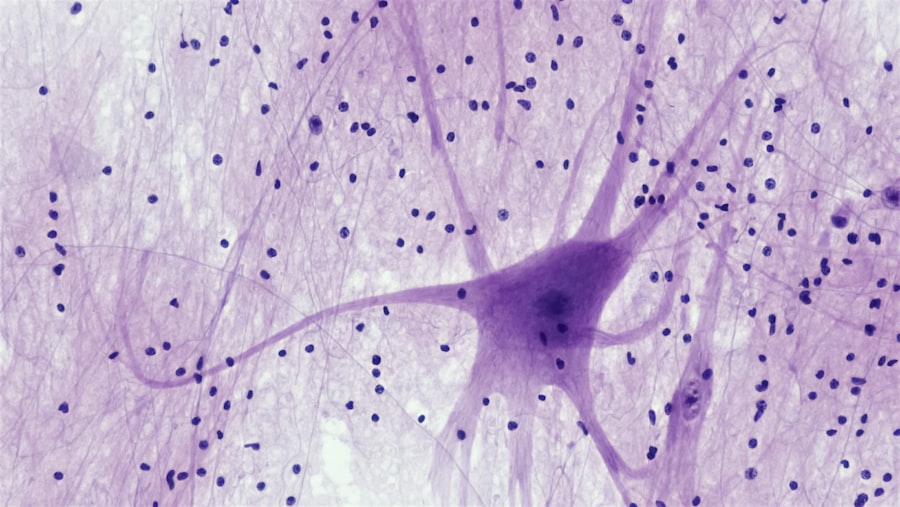
Understanding the neurological and cognitive underpinnings of the 80% quitting phenomenon is the first step. The next is to employ strategies that leverage our knowledge of the brain to circumvent these impulses and foster perseverance.
Re-igniting the Dopamine Fire: Gamification and Novelty Injection
While the initial dopamine rush may have waned, you can strategically re-ignite it. Introduce elements of gamification to your remaining tasks. Break down the final 20% into smaller, achievable milestones and reward yourself for each accomplishment. This creates micro-doses of dopamine, simulating the initial positive reinforcement. Consider introducing novelty. Can you approach the final steps from a different angle? Can you collaborate with someone? Injecting newness can reactivate your brain’s reward pathways. This is like adding a new spice to a familiar dish; it can revive your palate and your enthusiasm.
Cognitive Reframing: Shifting Your Perspective on the Final Stretch
Actively challenge your negative cognitive biases. Instead of focusing on how much effort is left, focus on the progress you’ve already made. Quantify your achievements and celebrate the skills and knowledge you’ve acquired. Employ visualization techniques: vividly imagine the satisfaction and benefits of completing your goal. Remind yourself of your initial motivation and the long-term value of your endeavor. This is about actively repainting the picture in your mind, turning a daunting landscape into a series of manageable hills.
Embracing the “Struggle”: Reinterpreting Effort as Growth
Reframe the concept of effort. Instead of viewing the increased difficulty at 80% as a sign of diminishing returns or impending failure, see it as a crucial phase of deep learning and true mastery. This is where the most significant neural consolidation often occurs. Your brain is not just completing a task; it’s solidifying your understanding and building resilience. This is the grind that truly builds strength, like a blacksmith tempering steel through repeated heating and hammering.
Biofeedback and Mindfulness: Tuning into Your Internal Cues
Practicing mindfulness and biofeedback can help you become more aware of your physical and emotional responses to stress and fatigue. By recognizing the early signs of the urge to quit – tension, irritability, intrusive thoughts – you can intervene before they become overwhelming. Techniques like deep breathing or brief meditation can help regulate your nervous system and create a sense of calm, allowing for more rational decision-making. This is like learning to read the subtle shifts in the wind before a storm, allowing you to prepare and adjust your course.
In exploring the fascinating neuroscience behind why individuals often quit tasks at around eighty percent completion, I came across an insightful article that delves into the psychological mechanisms at play. This phenomenon can be attributed to factors such as diminishing motivation and cognitive fatigue, which can lead to a sense of overwhelm as one approaches the finish line. For a deeper understanding of this topic, you can read more in the article found here: why you quit at eighty percent. Understanding these patterns can help us develop strategies to push through and achieve our goals.
The Long Game: Cultivating a Brain That Doesn’t Quit at 80%
| Metric | Description | Neuroscience Insight | Typical Value/Observation |
|---|---|---|---|
| Prefrontal Cortex Activity | Brain region responsible for decision making and impulse control | Reduced activity can lead to decreased persistence and increased quitting behavior | Lower activation observed when individuals quit tasks at ~80% completion |
| Dopamine Levels | Neurotransmitter linked to reward and motivation | Drop in dopamine signaling reduces motivation to continue effortful tasks | Significant decrease noted near task completion threshold (~80%) |
| Perceived Effort vs. Reward Ratio | Subjective evaluation of effort required compared to expected reward | When perceived effort outweighs reward, quitting is more likely | Ratio often peaks around 80% task progress, triggering quitting |
| Anterior Cingulate Cortex (ACC) Activation | Brain area involved in error detection and conflict monitoring | Increased ACC activity signals cognitive conflict, influencing decision to quit | Elevated ACC activation observed as task difficulty increases near 80% |
| Fatigue-Related Neural Signals | Neural markers indicating mental or physical fatigue | Fatigue signals accumulate, reducing persistence and increasing quitting likelihood | Fatigue markers rise significantly at ~80% task completion |
Ultimately, the ability to push through the 80% threshold is not about innate willpower, but about cultivated habits and a neuroscientifically informed approach to goal achievement. It’s about building mental resilience and understanding that the most rewarding achievements often lie just beyond the point where most people give up.
Building a Reservoir of Grit: The Power of Incremental Successes
Grit, the tendency to persevere in the pursuit of long-term goals, is not a fixed trait but a skill that can be developed. Each time you successfully overcome the urge to quit at 80%, you are essentially building a reservoir of grit. These small victories, fueled by conscious effort and strategic thinking, reinforce new neural pathways associated with perseverance. Every successful push past this barrier strengthens your capacity for future challenges. It’s like a muscle that grows stronger with each workout.
The Neuroscience of Future Self: Bridging the Temporal Gap
Your brain’s difficulty in connecting with your future self is a significant contributor to present bias. Strategies that actively engage your “future self” can be incredibly effective. This might involve writing letters to your future self, setting up automatic savings for long-term goals, or creating visual reminders of the benefits your future self will enjoy. By fostering a stronger connection with the person you will become, you can better justify the present effort required to reach that future. You are essentially building a bridge across time, allowing your present self to feel the rewards that your future self will experience.
The Role of Sleep and Recovery: Fueling Your Brain for the Finish Line
The 80% mark can often coincide with mental fatigue. Inadequate sleep significantly impairs cognitive functions, including decision-making, motivation, and emotional regulation, all of which are critical for perseverance. Prioritizing quality sleep and strategic recovery periods is not a sign of weakness; it’s an essential neurobiological strategy for sustained effort. A well-rested brain is a more resilient brain, better equipped to handle challenges. Think of rest not as downtime, but as essential pit stops that allow your engine to perform at its peak.
Embracing the Journey, Not Just the Destination: Finding Value in the Process
While the destination is important, finding intrinsic value in the process itself can be a powerful motivator. Appreciate the learning, the problem-solving, and the personal growth that occurs during the challenging final stages. This shift in focus from solely outcome-based reward to process-based satisfaction can make the journey more sustainable and less susceptible to the lure of quitting. It reframes the struggle not as an obstacle, but as an integral and valuable part of the creation. You are not just building a structure; you are learning the art of architecture.
FAQs
1. What does the “eighty percent rule” mean in the context of neuroscience?
The “eighty percent rule” refers to the observation that people often stop exerting effort or quit a task when they reach about 80% of their goal or capacity. Neuroscientifically, this is linked to how the brain evaluates effort, reward, and fatigue, influencing motivation and decision-making processes.
2. Which brain regions are involved in the decision to quit at around eighty percent effort?
Key brain regions involved include the prefrontal cortex, which is responsible for decision-making and evaluating costs versus benefits; the anterior cingulate cortex, which monitors effort and conflict; and the basal ganglia, which plays a role in motivation and reward processing.
3. How does the brain’s perception of effort and reward influence quitting behavior?
The brain continuously assesses the balance between the effort required and the expected reward. When the perceived effort outweighs the anticipated reward, neural circuits signal a decrease in motivation, often leading to quitting or reducing effort before task completion.
4. Are there neurochemical factors that contribute to quitting at eighty percent?
Yes, neurotransmitters such as dopamine and serotonin influence motivation and fatigue. A decline in dopamine levels can reduce the perceived value of continuing a task, while serotonin is linked to mood and endurance, both affecting the likelihood of quitting prematurely.
5. Can understanding the neuroscience behind quitting help improve persistence and performance?
Absolutely. By understanding how the brain processes effort, reward, and fatigue, strategies can be developed to enhance motivation, such as setting incremental goals, managing perceived effort, and optimizing reward systems, which may help individuals push beyond the eighty percent threshold.