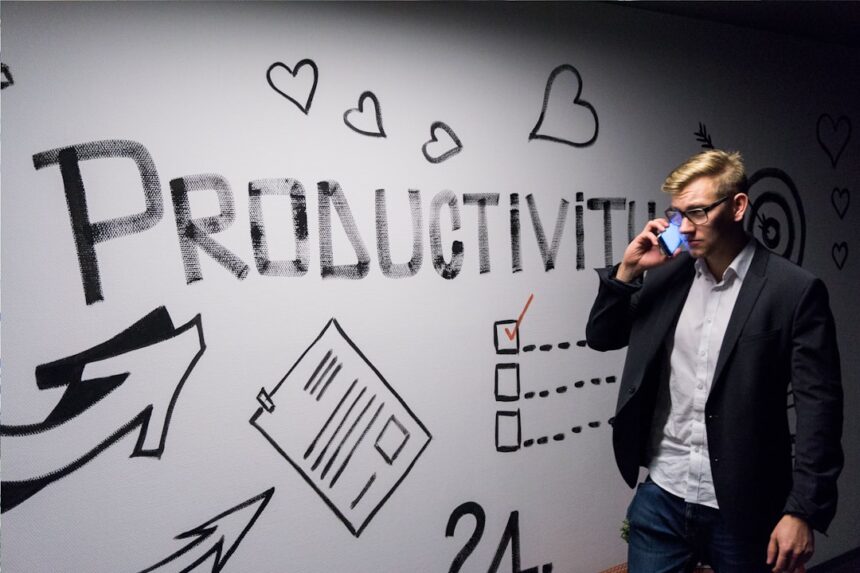
You’ve likely encountered “hustle culture.” It’s the pervasive narrative that glorifies constant work, relentless ambition, and the sacrifice of personal well-being in the pursuit of success. You see it promoted on social media, in motivational speeches, and whispered in the corridors of many workplaces. This paradigm suggests that to achieve anything meaningful, you must be perpetually “on,” fueled by caffeine and sheer willpower, with little room for rest or downtime. However, a growing body of evidence and anecdotal experience points to a more sustainable and ultimately more effective path to productivity: embracing a philosophy that prioritizes efficiency and well-being over sheer exertion. This approach, often termed “effortless productivity,” is not about working less but about working smarter, allowing you to achieve more with less strain.
The allure of hustle culture is understandable. It taps into a deep-seated human desire for achievement and validation. The relentless pursuit of goals, the feeling of being indispensable, and the constant outward signs of busyness can, superficially, feel productive. However, beneath this veneer of accomplishment lies a series of detrimental consequences that can erode your effectiveness and your health. You are, in essence, attempting to outrun a marathon, believing that speed alone will win the race.
The Illusion of Busyness vs. True Productivity
A common misconception within hustle culture is that being busy equates to being productive. You might find yourself filling your calendar with back-to-back meetings, responding to emails at all hours, and engaging in numerous tasks that offer little tangible output. This is akin to a treadmill – you’re expending a considerable amount of energy but not necessarily covering any significant distance. True productivity is measured by outcomes, by the valuable contributions you make, not simply by the volume of activity. You can be swamped with tasks and still produce very little of consequence.
The Activity Trap
The “activity trap” is a term used to describe the state of being constantly engaged in tasks without a clear connection to your overarching goals. You become so absorbed in the doing that you lose sight of the why. This can lead to a significant expenditure of time and energy on activities that have a marginal impact, diverting resources from those that could yield substantial results. You’re like a carpenter meticulously sanding a piece of wood that will never be used – the effort is impressive, but the outcome is null.
Diminishing Returns of Overwork
The human brain and body are not designed for sustained, high-intensity output. Just as a muscle group fatigues with prolonged exertion, your cognitive abilities and physical stamina decline with overwork. Pushing yourself beyond your natural limits leads to diminishing returns. You become less creative, more prone to errors, and less capable of strategic thinking. It’s like trying to drive a car with an empty fuel tank – you can push the accelerator all you want, but you won’t go anywhere.
The Toll on Mental and Physical Health
Hustle culture often frames health as a secondary concern, an obstacle to be overcome in the pursuit of success. This is a dangerous fallacy. Your well-being is the very engine that powers your productivity. Neglecting it is akin to neglecting the maintenance of a valuable machine – eventually, it will break down.
Burnout: The Inevitable Consequence
Burnout is not a badge of honor; it’s a sign of systemic failure. It’s the state of emotional, physical, and mental exhaustion caused by prolonged stress. Symptoms can include cynicism, a sense of detachment, and a feeling of ineffectiveness. For those immersed in hustle culture, burnout can feel like a personal failing, when in reality, it’s often a direct consequence of an unsustainable work paradigm. You’ve been running on fumes for too long, and the engine has seized.
Stress-Related Illnesses
Chronic stress, a hallmark of hustle culture, has well-documented negative impacts on physical health. It can contribute to cardiovascular problems, weakened immune systems, digestive issues, sleep disturbances, and a range of other ailments. Prioritizing work over your health is a form of delayed self-sabotage. You are, in essence, borrowing from your future health to fuel your present ambition, and the interest rates are exceedingly high.
Stifled Creativity and Innovation
Creativity and innovation do not thrive under constant pressure and exhaustion. They require space, reflection, and mental freedom. Hustle culture, with its emphasis on immediate results and perpetual motion, actively discourages these essential conditions. You are too busy fighting fires to design a better fire extinguisher.
The Absence of Downtime for Incubation
Great ideas rarely emerge fully formed during a frenetic work session. They often require incubation, a period of rest and subconscious processing. This downtime allows the mind to make unexpected connections and develop novel solutions. Hustle culture, by its very nature, minimizes or eliminates this crucial incubation period. You’re so focused on the immediate task that you miss the broader landscape where inspiration often resides.
The Erosion of Problem-Solving Abilities
When you are constantly in reactive mode, responding to immediate demands, your capacity for proactive, creative problem-solving diminishes. You become adept at putting out fires but lose the ability to design preventative measures. The relentless pace leaves little room for the deeper analysis and strategic thinking required to tackle complex challenges effectively. You are continuously reacting to symptoms rather than addressing the root causes.
In today’s fast-paced world, many individuals are beginning to recognize the downsides of hustle culture and are seeking more sustainable approaches to productivity. A related article that explores this shift towards effortless daily productivity can be found at Productive Patty. This insightful piece offers practical tips and strategies for achieving a balanced lifestyle while still maintaining efficiency, encouraging readers to prioritize well-being over relentless work.
Embracing Effortless Productivity: A Paradigm Shift
Effortless productivity isn’t about laziness or a lack of ambition. It’s a strategic redirection of your energy and focus. It’s about understanding your peak performance periods, leveraging your strengths, and optimizing your workflow. Think of it as precision engineering rather than brute force construction.
Redefining Productivity: Outcomes Over Activity
The fundamental shift starts with redefining what productivity means to you. Move away from measuring your worth by the sheer volume of tasks completed and toward the value of your contributions. What tangible results are you achieving? What impact are you making?
Focusing on High-Impact Activities
Identify the 20% of your activities that yield 80% of your desired results. This is the essence of the Pareto principle. By prioritizing these high-impact tasks, you can achieve more meaningful progress with less effort. You’re not just working hard; you’re working on the right things.
The Power of Strategic Prioritization
Develop a robust system for prioritizing your tasks. This involves understanding your goals, assessing the urgency and importance of each activity, and learning to say “no” to distractions and low-value requests. It’s about wielding a scalpel, not a sledgehammer, to selectively address what truly matters.
In today’s fast-paced world, many individuals are beginning to recognize the importance of stepping back from hustle culture to embrace a more balanced approach to productivity. A related article discusses how to ditch hustle culture for effortless daily productivity, offering practical tips and insights that can help you achieve your goals without the constant grind. By focusing on sustainable habits and prioritizing well-being, you can create a more fulfilling daily routine. For more information, you can read the full article here.
Optimizing Your Workflow for Efficiency
Once you have a clear understanding of what matters, the next step is to optimize how you approach your work. This involves streamlining processes, leveraging tools, and establishing routines that support your peak performance. You are the conductor of an orchestra, ensuring each instrument plays its part harmoniously.
Time Blocking and Task Batching
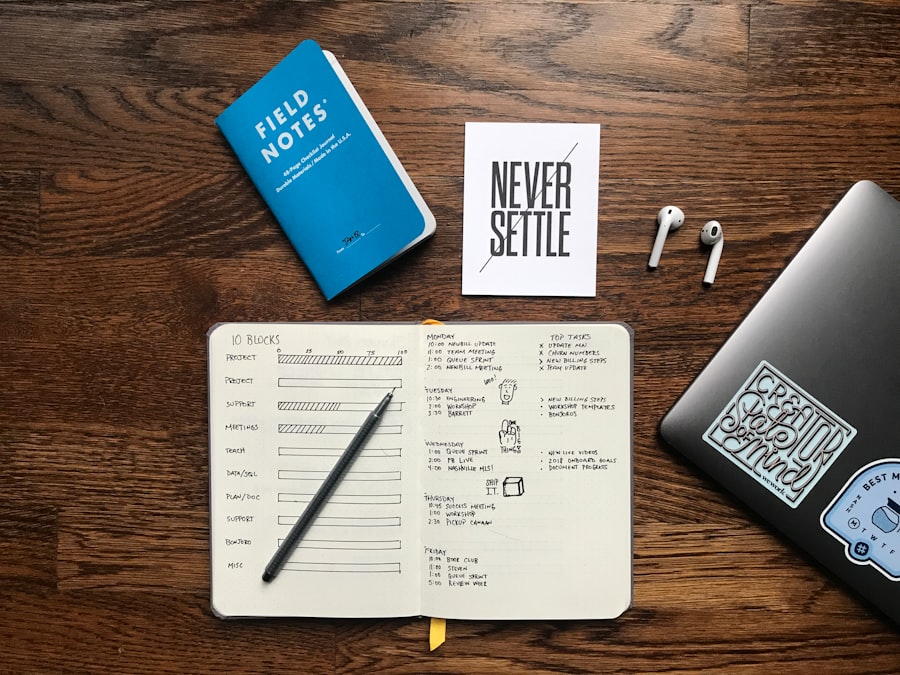
Time blocking involves dedicating specific blocks of time to particular tasks or types of work. Task batching groups similar tasks together to minimize context switching. For example, you might dedicate a specific block of time to responding to emails or a portion of your day to deep work. This reduces the mental overhead associated with transitioning between different activities. You’re creating dedicated zones for specific functions, much like a factory floor.
Leveraging Technology Effectively
Technology can be a powerful ally or a significant distraction. Learn to harness tools that automate repetitive tasks, streamline communication, and enhance your focus. This could include project management software, task automation tools, or focus-enhancing applications. You are using your tools as extensions of your capabilities, not as masters of your attention.
The Indispensable Role of Rest and Recovery
This is perhaps the most counter-intuitive yet crucial element of effortless productivity. Rest is not the absence of work; it is an integral component of sustained high performance. Your brain and body require replenishment to function optimally.
Strategic Breaks for Cognitive Recharge
Short, regular breaks throughout the workday are not a sign of weakness but a necessity for maintaining cognitive function. Stepping away from your work, even for a few minutes, can help you return with renewed focus and perspective. Think of these breaks as pit stops for your mental engine, allowing it to cool down and refuel.
The Importance of Sleep and Off-Work Time
Adequate sleep is non-negotiable for cognitive ability, emotional regulation, and physical health. Furthermore, investing in dedicated time for hobbies, social connections, and relaxation outside of work is essential for preventing burnout and fostering creativity. You are not a machine that can run 24/7; you are a complex organism that thrives on balance.
Cultivating a Mindset of Sustainable Success
Effortless productivity is as much about your internal state as it is about your external processes. It requires a shift in perspective and a commitment to self-awareness.
Practicing Self-Compassion and Mindfulness
Beating yourself up for perceived inefficiencies is counterproductive. Instead, cultivate self-compassion, acknowledging that you are human and prone to making mistakes. Mindfulness practices can help you stay present, observe your thoughts and feelings without judgment, and make more intentional choices about your actions. You are training your inner navigator to steer with calm resolution.
Setting Realistic Expectations and Celebrating Progress
Hustle culture often sets impossibly high expectations. Replace this with a commitment to setting realistic goals and celebrating incremental progress. Acknowledging small wins builds momentum and reinforces positive habits. You are building a skyscraper, one carefully placed brick at a time, and appreciating the integrity of each layer as it’s laid.
Practical Strategies for Implementing Effortless Productivity
Transitioning from the demands of hustle culture to a more effortless approach requires deliberate action. It’s not a passive shift; it’s an active redesign of your work habits and mindset.
Batching Similar Tasks for Flow State
This strategy involves grouping similar activities together to minimize the cognitive load of switching between different contexts. For instance, dedicate a specific block of time for responding to emails, making phone calls, or engaging in creative work.
Email Management: The Art of Batching
Instead of checking your email constantly, set designated times to process your inbox. This allows you to engage with emails more deliberately, responding effectively rather than reactively. You’re not constantly putting down and picking up your tools; you’re dedicating a period to a specific craft.
Content Creation and Deep Work Sessions
If your work involves writing, coding, or any form of deep concentration, schedule uninterrupted blocks of time for these activities. Protect these periods from distractions to allow for deep focus and creative flow. You are carving out sanctuary space for your most demanding cognitive tasks, free from the clamor of the everyday.
Minimizing Distractions and Cultivating Focus
Distractions are the silent assassins of productivity. Actively mitigating them is a cornerstone of effortless productivity.
Digital Decluttering: Taming Notifications
Turn off non-essential notifications on your phone and computer. Consider using website blockers or focus apps during periods of deep work. You are taking control of your digital environment, rather than allowing it to control you.
Creating a Productive Physical Workspace
Design your physical workspace to support focus and minimize interruptions. This might involve decluttering your desk, optimizing lighting, or using noise-canceling headphones. Your environment is a silent collaborator; ensure it’s working in your favor.
The Art of Delegation and Outsourcing
Recognizing what you cannot or should not do yourself is a sign of strength, not weakness. Delegation and outsourcing can free up your time and energy for higher-value activities.
Identifying Tasks Suitable for Delegation
Analyze your workload and identify tasks that can be effectively handled by others. This requires trust in your team or external resources, but the payoff in terms of your own capacity is substantial. You are the general, assigning troops to appropriate missions, rather than trying to be every soldier at once.
Leveraging Virtual Assistants and Freelancers
For entrepreneurs and small business owners, virtual assistants and freelancers can be invaluable resources for handling administrative tasks, research, social media management, and more. This allows you to focus on the core aspects of your business. You are strategically deploying specialized skill sets to amplify your overall output.
Embracing the Power of Saying “No”
The ability to decline requests that do not align with your priorities is a critical skill in achieving effortless productivity.
Aligning “No” with Your Goals
When faced with a new request, ask yourself if it contributes to your core objectives. If not, it’s a potential distraction. Learning to politely and firmly decline is an act of self-preservation and strategic focus. You are not being unhelpful; you are being purposefully focused and safeguarding your most valuable resource: your time and energy.
Protecting Your Time and Energy Boundaries
Setting clear boundaries around your work hours and personal time is essential. Communicate these boundaries to colleagues, clients, and family members to manage expectations and prevent overcommitment. You are defining the perimeter of your productivity zone and ensuring its integrity.
The Long-Term Benefits of Effortless Productivity
The shift away from hustle culture towards effortless productivity is not a short-term fix; it’s a strategy for sustainable success and enhanced well-being.
Increased Job Satisfaction and Engagement
When you are working in a way that feels efficient and less draining, your overall job satisfaction is likely to increase. You feel more in control, more effective, and less like you are constantly struggling against an uphill battle.
Reduced Stress and Improved Mental Health
The consistent practice of effortless productivity naturally leads to reduced stress levels and improved mental well-being. By prioritizing rest and avoiding burnout, you cultivate a more resilient and positive mindset. You are nurturing the garden of your mind, allowing it to flourish.
Enhanced Creativity and Innovation
With more mental space and less exhaustion, your capacity for creativity and innovation expands. You are better equipped to generate new ideas, solve complex problems, and approach your work with fresh perspectives. The fog of overwork clears, revealing the landscape of possibility.
Sustainable High Performance
Effortless productivity enables you to maintain a high level of performance over the long term without compromising your health or becoming disillusioned. You are building a marathon-running physique, not a sprinter’s.
Avoiding Burnout and Maintaining Momentum
By integrating rest and efficient practices, you significantly reduce the risk of burnout. This allows you to maintain consistent momentum and achieve sustained success without the cyclical nature of overwork followed by exhaustion. You are ensuring the longevity of your professional engine.
Achieving a Better Work-Life Integration
Effortless productivity isn’t about eradicating the distinction between work and life, but about creating a more harmonious integration. When you are efficient and rested during your work hours, you have more energy and presence for your personal life. You are weaving a richer tapestry of existence where work and life are complementary threads.
By embracing effortless productivity, you are not abandoning ambition; you are refining your approach to it. You are choosing a path that prioritizes sustainable growth, well-being, and enduring success over the ephemeral glow of constant, exhausting effort. It’s a journey of mindful work, strategic efficiency, and the profound understanding that true productivity is not about how hard you can push, but how effectively you can pace yourself for the long, rewarding run.
FAQs
What is hustle culture?
Hustle culture is a mindset that emphasizes working long hours and constant productivity, often glorifying overwork and burnout as necessary for success.
Why should I consider ditching hustle culture?
Ditching hustle culture can help reduce stress, prevent burnout, and promote a healthier work-life balance, leading to more sustainable and effective productivity.
What does effortless daily productivity mean?
Effortless daily productivity refers to achieving meaningful work outcomes through efficient, focused efforts without excessive strain or overworking, often by prioritizing tasks and managing energy wisely.
How can I transition from hustle culture to a more balanced productivity approach?
You can transition by setting realistic goals, prioritizing tasks, taking regular breaks, focusing on quality over quantity, and incorporating self-care into your routine.
Are there proven benefits to avoiding hustle culture?
Yes, studies show that avoiding hustle culture can improve mental health, increase job satisfaction, enhance creativity, and lead to better overall performance and well-being.