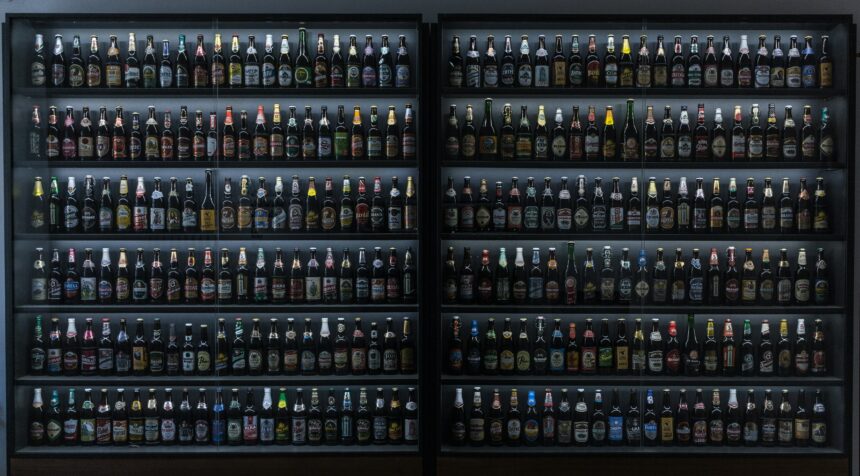
You stand before a shelf, a wall, a digital landscape teeming with possibilities. Hundreds, perhaps thousands, of products beckon. Cereal boxes, streaming services, potential life partners – the modern world is a veritable feast of options. It seems, at first glance, that this abundance is the very definition of freedom. More choices, you might instinctively believe, translate directly into more autonomy, a greater ability to shape your life according to your desires. Yet, as you navigate this cornucopia, a subtle unease, a growing paralysis, might begin to creep in. This is the paradox of choice, a phenomenon where an overabundance of options, rather than liberating you, can actually constrain your freedom and diminish your satisfaction.
You might have been sold on the idea that more is always better. Advertisements, cultural narratives, and even philosophical ideals often champion the expansion of possibilities. You are presented with a dazzling array of choices, each promising to be the perfect fit, the ultimate solution, the exact thing you didn’t know you were missing. This constant barrage of options is designed to appeal to your desire for control and self-determination. The ability to select from a vast menu, to tailor your experience precisely to your preferences, feels inherently empowering.
The Cognitive Burden of Decision-Making
However, each choice requires a cognitive investment. Your brain, a remarkably efficient organ, is not designed for infinite processing. When faced with a manageable number of options, you can typically assess them, compare their attributes, and arrive at a decision with relative ease. This process engages your critical thinking, your ability to weigh pros and cons, and your understanding of your own needs and desires. But when the number of options escalates significantly, the cognitive load becomes overwhelming.
The Tyranny of the Trivial
Consider the simple act of choosing a jam. If there are two or three flavors available, the decision is straightforward. You might have a preference, or you might pick one at random. But what if you are presented with thirty different varieties – strawberry in eight different forms, apricot, raspberry, exotic fruit blends? Suddenly, the task of choosing becomes arduous. You find yourself scrutinizing labels, trying to decipher subtle differences, and expending mental energy on something that, in the grand scheme of your life, is relatively insignificant. This phenomenon, where trivial decisions consume disproportionate cognitive resources, is a symptom of the paradox. You are stuck in the weeds of minor distinctions, delaying the bigger, more meaningful choices.
The Escalation of Expectations
As the number of options increases, your expectations naturally rise. With so much to choose from, it feels like you should be able to find the absolute perfect option. The “good enough” mentality begins to erode. You start to believe that there exists an ideal choice, a platonic ideal of a product or service, and your task is to locate it. This heightened expectation then sets you up for potential disappointment.
The Devaluation of Non-Chosen Options
When you are presented with a limited set of choices, the alternatives you don’t select often fade into the background. They become non-options, simply the paths not taken. However, with a vast array of choices, the paths not taken continue to loom. You see them, you are aware of them, and they can cast a shadow over your chosen option, fostering a nagging sense of regret.
The Opportunity Cost of Everything Else
Every decision you make is not just about selecting one thing; it’s also about rejecting everything else. This is the concept of opportunity cost. With a limited number of options, the opportunity cost feels manageable. You might regret not choosing the other two options, but the scope of that regret is contained. When the options are limitless, the opportunity cost becomes immense. You are eternally aware of the myriad of experiences, products, and potential outcomes that you are foregoing. This constant awareness can breed anxiety and a feeling of perpetual loss, even if your chosen option is undeniably good.
The concept that more options can lead to less freedom is explored in depth in the article “The Paradox of Choice,” which discusses how an abundance of choices can overwhelm individuals and lead to decision fatigue. This phenomenon suggests that rather than enhancing our freedom, too many options can create anxiety and dissatisfaction. For further insights on this topic, you can read the article here: The Paradox of Choice.
The Paralysis of Plenty: When Decision-Making Becomes an Ordeal
The most striking consequence of the paradox of choice is the phenomenon of decision paralysis. Faced with an overwhelming number of options, you may find yourself unable to make a decision at all. What seems like a generous offering of freedom can, in practice, lead to complete inertia.
The Fear of Making the “Wrong” Choice
The more options you have, the more potential there is for making a choice that you will later regret. This fear of making a suboptimal decision can be debilitating. You become hyper-aware of the potential downsides of each option, second-guessing your own judgment and delaying commitment. This isn’t necessarily about a lack of good choices, but rather about the perceived severity of a suboptimal one.
The Magnification of Mistakes
When you only have a few options, a suboptimal choice might be a minor inconvenience. You might simply try the other option next time. But when you have dozens, hundreds, or even thousands of options, the perceived magniture of a wrong choice amplifies. You might feel like you have missed out on a truly exceptional experience, or that you have wasted precious resources on something that didn’t measure up. This can lead to a reluctance to commit, a desire to keep searching for the perfect equilibrium, which, as you know, may not exist.
The Procrastination Trap
The fear of making a mistake often manifests as procrastination. You tell yourself you’ll decide later, when you have more time to research, when you feel more confident, when you have a clearer understanding of your own needs. This cycle of delay can become self-perpetuating, leaving you in a state of perpetual indecision. The initial desire for freedom quickly dissolves into the frustration of stasis.
The Exhaustion of the Decision-Maker
The sheer act of navigating a vast array of choices is mentally draining. Each comparison, each subtle evaluation of attributes, requires energy. When you are constantly bombarded with options, your mental reserves can become depleted. What might have started as an enjoyable exploration can devolve into a tedious chore.
The Diminished Capacity for Future Decisions
Decision fatigue is a real phenomenon. When your brain has been taxed by making numerous choices, its ability to make further, and often more important, decisions is compromised. This means that after spending hours agonizing over the perfect shade of paint for your living room, you might find yourself unable to focus on more significant matters, such as your career or your relationships. The abundance of seemingly trivial choices can have a ripple effect, impacting your cognitive capacity across various aspects of your life.
The Reliance on Heuristics and Defaults
In an effort to combat decision fatigue and paralysis, you may resort to shortcuts. This can include relying on heuristics, or mental shortcuts, which can sometimes lead to biased or suboptimal decisions. Alternatively, you might simply opt for the default option, the one that requires the least amount of mental effort, even if it’s not the one that best suits your needs. This is a surrender, in a way, to the overwhelming nature of choice.
The Erosion of Satisfaction: The More You Have, the Less You Appreciate

Paradoxically, the more options you have available, the less satisfied you may be with the choice you ultimately make. This phenomenon is not intuitive, but its effects are well-documented. The abundance of alternatives can undermine your ability to fully appreciate and enjoy your chosen path.
The Perpetual Comparison
With a vast landscape of options, you are constantly engaging in social and self-comparison. You might see what others have chosen, or you might continuously imagine superior alternatives to your own selection. This constant mental comparison prevents you from settling in and truly valuing what you have.
The “Grass is Always Greener” Syndrome
The sheer number of alternatives can feed the “grass is always greener” syndrome. Even if your chosen option is excellent, the awareness of all the other excellent options you could have chosen can diminish your sense of contentment. You might find yourself thinking, “This is good, but what if that other one was even better? What if I missed out on something truly spectacular?” This continuous questioning undermines your ability to feel truly happy with your selection.
The Relativism of Value
When you have a limited number of options, the value of each choice is more clearly defined. You can see its strengths and weaknesses in relation to the few alternatives. However, with a multitude of choices, value becomes more relative. You begin to compare your chosen option to an ever-shifting and expanding set of benchmarks, making it difficult to anchor your satisfaction.
The Discounting of Your Own Agency
When you have too many choices, it can sometimes feel like the choice is being made for you, or that the process of choosing is so complex that your individual agency is diminished. While on the surface it appears you are exercising maximum freedom, the overwhelming nature of the task can lead to a feeling of being swept along by the sheer volume of possibilities.
The “Choice Overload” Effect on Happiness
Research has shown a correlation between choice overload and decreased happiness. When individuals are presented with fewer options, they tend to report higher levels of satisfaction with their choices and overall well-being. This suggests that beyond a certain point, more choices do not lead to more happiness; they can, in fact, lead to the opposite.
The Gratification Delay and Its Consequences
The expectation of perfect gratification, fueled by the abundance of options, can also lead to a delay in experiencing genuine satisfaction. You might postpone enjoying your chosen item or experience, continually seeking that elusive “perfect” moment or outcome. This delay can diminish the immediate pleasure and long-term joy derived from your decision.
The Definition of Freedom: Moving Beyond the Illusion of Infinite Possibility

The paradox of choice compels you to re-examine your understanding of freedom. True freedom, it suggests, is not necessarily found in an unending stream of options, but rather in the ability to make meaningful choices with clarity and confidence. It’s about empowerment, not overwhelm.
The Importance of Constraints
You might find it counterintuitive, but constraints can actually enhance freedom. When you have clear boundaries or a limited set of options, the decision-making process becomes more manageable. These constraints can guide your choices, focus your attention, and ultimately lead to greater satisfaction. Think of a well-curated menu versus an exhaustive list of every possible dish imaginable at a restaurant. The former allows you to make a decision with relative ease and enjoy your meal.
The Role of “Good Enough”
Embracing the concept of “good enough” is crucial. It’s about recognizing that perfection is often an unattainable ideal and that a satisfactory choice is often just as valuable, if not more so, than a theoretically perfect one that leads to endless deliberation. Learning to accept and appreciate options that meet your essential needs, rather than constantly striving for the absolute best, can significantly reduce decision fatigue and increase contentment.
The Focus on What Truly Matters
By acknowledging the limitations that contribute to meaningful choice, you can reallocate your cognitive resources to the decisions that genuinely matter. This means identifying your core priorities and values, and using those as filters when faced with a multitude of options. This strategic approach to decision-making allows you to exercise your freedom in areas where it will have the most significant impact.
The Art of Curating Your Choices
Instead of passively accepting the deluge of options, you have the power to curate your own experience. This involves actively selecting the arenas in which you will engage with choice and setting limits for yourself.
Setting Limits on Decision-Making
Consciously decide to limit the number of options you consider. This could involve setting a time limit for making a decision, or pre-selecting a smaller subset of options based on initial research or trusted recommendations. For example, when looking for a new book, you might decide to only consider titles from authors you already enjoy or genres that have consistently appealed to you.
Embracing Expertise and Recommendations
Don’t be afraid to rely on the expertise of others. Reviews, recommendations from trusted friends, or even the curated lists of experts can significantly streamline your decision-making process. This isn’t about surrendering your autonomy, but rather about leveraging collective knowledge to make more informed and efficient choices. If a reputable source has already vetted a selection of options, it can save you considerable time and mental energy.
The idea that more options can lead to less freedom is explored in depth in various discussions about choice overload. For instance, an insightful article on this topic can be found at Productive Patty, where the author delves into how an abundance of choices can create anxiety and paralysis rather than empowerment. This perspective challenges the common belief that having more options inherently enhances our freedom, suggesting instead that it may complicate our decision-making processes and ultimately diminish our satisfaction.
Moving Forward: Navigating the Abundance with Intentionality
| Reasons | Explanation |
|---|---|
| Decision fatigue | More options can lead to decision fatigue, making it harder to make choices and reducing the feeling of freedom. |
| Analysis paralysis | Having too many options can lead to overthinking and indecision, limiting the sense of freedom in making a choice. |
| Regret and dissatisfaction | With more options, there is a higher likelihood of regret and dissatisfaction with the chosen option, reducing the feeling of freedom. |
| Opportunity cost | More options can lead to a fear of missing out on better alternatives, diminishing the sense of freedom in decision-making. |
Understanding the paradox of choice empowers you to approach the modern world of overwhelming options with a more intentional and less anxious mindset. It’s not about rejecting choice altogether, but about learning to manage it effectively.
Cultivating a “Satisficing” Mindset
The term “satisficing,” coined by Herbert Simon, combines “satisfy” and “suffice.” It refers to the strategy of choosing an option that is satisfactory and sufficient, rather than striving for the absolute optimal solution. This approach frees you from the burden of exhaustive research and analysis, allowing you to make decisions with greater speed and less regret.
The Benefits of “Good Enough” in Daily Life
Practicing satisficing in your daily life can lead to a significant reduction in stress and an increase in overall well-being. Think about your grocery shopping. Instead of agonizing over every brand of pasta, you might simply choose one that looks appealing and meets your basic needs. This small shift in mindset can have a cumulative effect, freeing up mental energy for more important pursuits. You are not diminishing your quality of life; you are optimizing your mental resources.
The Psychological Shift Towards Contentment
Adopting a satisficing mindset requires a psychological shift. It involves letting go of the relentless pursuit of perfection and embracing the idea that “good enough” is often genuinely enough. This can be a challenging transition, especially in a culture that constantly promotes aspiration and the acquisition of more. However, the rewards of increased contentment and reduced anxiety are well worth the effort.
The Power of Deliberate Choice
Ultimately, the paradox of choice is a call to action. It’s an invitation to become more deliberate in your decision-making. When you understand the potential pitfalls of abundance, you can begin to actively shape your experience, making choices that are not just numerous, but meaningful.
Prioritizing and Filtering
Learn to prioritize what truly matters to you. Before you even begin to consider options, ask yourself what your core needs and desires are. This will help you to effectively filter out irrelevant choices and focus your attention on those that align with your values. This is not about limiting your options in a detrimental way, but about refining them to resonate with your authentic self.
Engaging in Mindful Decision-Making
Approach decision-making with mindfulness. Be present in the process, pay attention to your feelings and intuitions, and resist the urge to endlessly second-guess yourself. When you make a choice, commit to it and try to appreciate its merits, rather than dwelling on the imagined benefits of the alternatives. This present-moment awareness can significantly enhance your satisfaction with the choices you make. You are not relinquishing your freedom; you are exercising it with greater wisdom and intentionality, transforming the overwhelming sea of options into a navigable landscape where your true autonomy can flourish.
FAQs
What is the concept of “more options equals less freedom”?
The concept of “more options equals less freedom” suggests that having too many choices can lead to decision paralysis and decreased satisfaction with the chosen option. This idea is often discussed in the context of consumer behavior and the impact of choice overload on individual freedom.
How does having more options affect decision-making?
Having more options can lead to decision fatigue and increased anxiety about making the “right” choice. Research has shown that when faced with numerous options, individuals may struggle to make a decision and ultimately feel less satisfied with their choice.
What are the potential consequences of having too many options?
Having too many options can lead to decreased happiness, increased stress, and a sense of being overwhelmed. It can also lead to a phenomenon known as “buyer’s remorse,” where individuals second-guess their decisions and feel less confident in their choices.
Are there any benefits to having fewer options?
Having fewer options can lead to more efficient decision-making, increased satisfaction with the chosen option, and reduced stress and anxiety. It can also allow individuals to focus on what truly matters to them, rather than being bogged down by an abundance of choices.
How can individuals navigate the impact of choice overload on their freedom?
To navigate the impact of choice overload, individuals can practice mindfulness, set clear decision-making criteria, and limit their exposure to unnecessary options. Additionally, seeking out expert advice or using decision-making tools can help individuals make more informed choices and feel more confident in their decisions.