You’re looking to understand how to manage your blood glucose levels effectively, and a key component of this lies in consciously incorporating protein and fiber into your diet. It’s not about a miracle cure or a fad diet; it’s about making informed choices that contribute to a more stable and predictable energy release throughout your day. This approach can be beneficial for anyone aiming for better metabolic health, whether you have diagnosed conditions like diabetes or simply want to optimize your well-being.
This article will delve into the fundamental principles of how protein and fiber interact with glucose and provide practical strategies for you to implement. We’ll explore the mechanisms at play, discuss various sources of these vital nutrients, and offer guidance on how to integrate them into your daily meals and snacks. By understanding these concepts, you can gain greater control over your energy levels, reduce those sharp spikes and crashes, and support your body’s overall health.
When you consume carbohydrates, your body breaks them down into glucose, which is then absorbed into your bloodstream. This influx of glucose signals your pancreas to release insulin, a hormone responsible for helping your cells take up glucose for energy or storage. The rate at which glucose enters your bloodstream is often referred to as its glycemic impact. Rapidly digested carbohydrates, like refined sugars and white bread, lead to a quick and significant rise in blood glucose, often followed by a subsequent drop. This rollercoaster effect can leave you feeling fatigued and can contribute to long-term metabolic issues.
How Protein Influences Glucose Absorption
Protein plays a crucial role in modulating the absorption of glucose. When consumed alongside carbohydrates, protein can slow down the rate at which glucose enters your bloodstream. This is due to several factors. Firstly, protein digestion takes longer than carbohydrate digestion. This sustained digestive process means that the carbohydrates in the meal are released into your system more gradually. Secondly, protein can influence the release of certain hormones, such as glucagon-like peptide-1 (GLP-1). GLP-1 is an incretin hormone that not only stimulates insulin secretion but also slows gastric emptying, further delaying glucose absorption. The presence of protein essentially acts as a buffer, preventing an immediate and overwhelming surge of glucose.
The Stabilizing Power of Fiber
Fiber, particularly soluble fiber, is a powerful ally in glucose management. Soluble fiber dissolves in water to form a gel-like substance in your digestive tract. This gel physically slows down the digestion and absorption of carbohydrates. Imagine it like a sieve: the gel matrix traps some of the glucose molecules, allowing them to be released more slowly into your bloodstream. This delayed absorption leads to a more gradual rise in blood glucose levels, avoiding the sharp peaks associated with high-glycemic meals. Furthermore, fiber can improve insulin sensitivity, meaning your body’s cells become more responsive to insulin, which helps in clearing glucose from the blood more efficiently.
The Synergistic Effect
When you combine protein and fiber in a meal, you create a synergistic effect that is highly beneficial for glucose balance. The protein slows gastric emptying and influences hormonal responses, while the fiber physically hinders glucose absorption and improves insulin sensitivity. Together, they create a potent combination that promotes a more stable and sustained release of energy throughout your day. This means you’re less likely to experience energy slumps or cravings shortly after eating, contributing to better appetite control and overall well-being.
Incorporating protein and fiber into your diet can play a crucial role in stabilizing blood glucose levels. A related article on this topic can be found at Productive Patty, where you can explore how these nutrients work together to promote better metabolic health and prevent spikes in blood sugar. By understanding the importance of a balanced diet rich in protein and fiber, you can make informed choices that support your overall well-being.
Strategic Meal Planning for Glucose Balance
Understanding the role of protein and fiber is the first step; the next is effectively integrating them into your daily food choices. This involves a conscious effort to construct balanced meals and snacks that prioritize these nutrients. It’s not about eliminating carbohydrates entirely, but rather about choosing complex carbohydrates and pairing them strategically with protein and fiber.
Understanding Carbohydrate Quality
Not all carbohydrates are created equal. Refined carbohydrates, such as white bread, sugary cereals, pastries, and sugary drinks, are quickly digested and cause rapid spikes in blood glucose. Conversely, complex carbohydrates, found in whole grains, legumes, fruits, and vegetables, are digested more slowly due to their higher fiber content. When you’re aiming for glucose balance, focusing on these complex carbohydrates as your primary source of fuel is essential.
The Importance of Macronutrient Pairing
The key to balancing glucose is not to isolate macronutrients but to understand how they work together. Aim to include a source of protein and a source of fiber with every meal and snack that contains carbohydrates. This doesn’t mean every single food item you eat must have all three, but rather that your overall meal composition should reflect this principle. For instance, if you’re having a piece of fruit, pairing it with a handful of nuts (protein and fiber) or a portion of Greek yogurt (protein) can significantly alter its glycemic impact.
Meal Structure and Timing
The structure and timing of your meals also play a role. Spreading your carbohydrate intake throughout the day rather than consuming large amounts in one sitting can help prevent drastic blood glucose fluctuations. Regular, balanced meals and snacks provide a more consistent supply of energy and can help prevent extreme hunger, which can lead to less healthy food choices. Intermittent fasting, while a dietary pattern, can also influence glucose regulation by altering the timing of nutrient intake, but it’s crucial to ensure that when you eat, your meals are balanced with protein and fiber.
Sources of Protein for Glucose Management
Adequate protein intake is vital for numerous bodily functions, including its role in blood glucose regulation. When selecting protein sources, consider their quality and how they fit into your overall dietary pattern.
Lean Animal Proteins
Lean animal proteins are excellent sources of complete protein, meaning they contain all the essential amino acids your body needs. These include:
- Poultry: Chicken breast and turkey breast, without the skin, are lean choices.
- Fish: Fatty fish like salmon, mackerel, and sardines are not only good protein sources but also rich in omega-3 fatty acids, which have anti-inflammatory properties. Leaner fish like cod and tilapia are also good options.
- Lean Red Meat: Cuts of beef or pork with visible fat trimmed away can be consumed in moderation.
- Eggs: A versatile and complete protein source, eggs are a convenient option for breakfast or other meals.
Plant-Based Protein Powerhouses
For vegetarians, vegans, or those looking to incorporate more plant-based options, there are numerous excellent protein sources:
- Legumes: Lentils, chickpeas, black beans, kidney beans, and soybeans (edamame) are rich in protein and fiber, making them ideal for glucose balance.
- Tofu and Tempeh: These soy-based products are versatile and can be incorporated into a wide range of dishes.
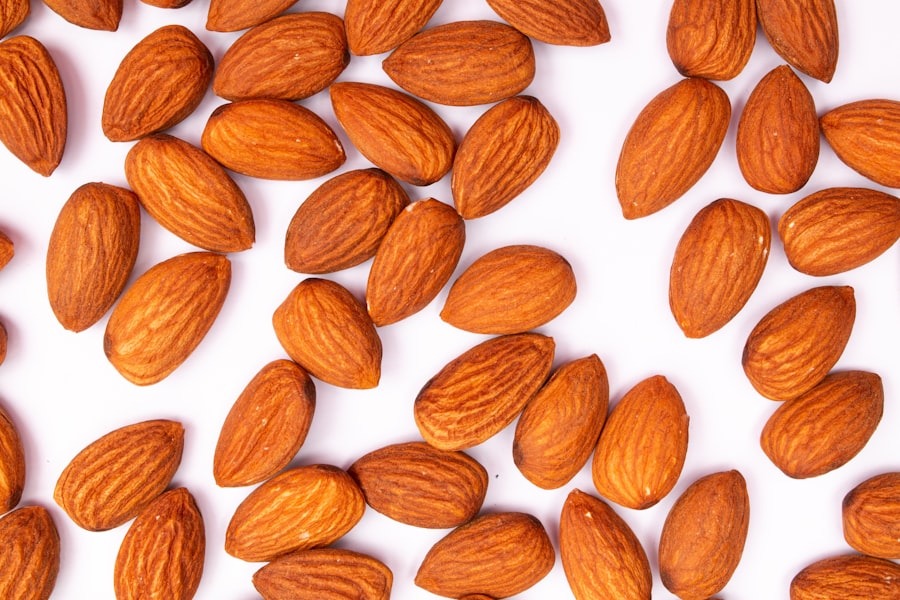
- Nuts and Seeds: Almonds, walnuts, chia seeds, flaxseeds, and pumpkin seeds offer a good amount of protein, healthy fats, and fiber. They are excellent for snacks.
- Quinoa: This ancient grain is unique in that it’s a complete protein source and a good source of fiber.
- Seitan: Made from wheat gluten, seitan is a chewy and protein-dense meat substitute.
Dairy and Protein
Dairy products can also contribute to protein intake, though their impact on glucose can vary due to their carbohydrate (lactose) content. Opting for lower-sugar varieties is generally advisable:
- Greek Yogurt: Significantly higher in protein and lower in carbohydrates than regular yogurt, Greek yogurt is an excellent choice. Choose plain, unsweetened varieties and add your own fruit and nuts.
- Cottage Cheese: Another protein-rich dairy option, cottage cheese can be a satisfying snack.
- Milk: While it contains lactose (a sugar), milk also provides protein and calcium.
The Indispensable Role of Fiber

Fiber is not just about digestive regularity; it’s a cornerstone of effective glucose management. Its presence can significantly impact how your body processes the carbohydrates you consume.
Soluble vs. Insoluble Fiber
It’s important to understand the two main types of dietary fiber:
- Soluble Fiber: This type of fiber dissolves in water to form a gel. As mentioned, this gel slows digestion and absorption, which is particularly beneficial for blood glucose control. Excellent sources include oats, barley, apples, citrus fruits, carrots, beans, and psyllium.
- Insoluble Fiber: This type of fiber does not dissolve in water and adds bulk to your stool, promoting regularity. While it doesn’t have the same direct impact on glucose absorption as soluble fiber, it contributes to overall digestive health and satiety, which indirectly supports metabolic well-being. Sources include whole wheat, brown rice, nuts, seeds, and many vegetables like cauliflower and green beans.
Achieving Adequate Fiber Intake
Most adults do not consume enough dietary fiber. Recommendations generally range from 25 to 30 grams per day. Actively seeking out fiber-rich foods is a proactive step:
- Prioritize Whole Grains: Choose whole wheat bread and pasta over refined white versions, opt for brown rice instead of white rice, and incorporate oats and barley into your diet.
- Load Up on Fruits and Vegetables: Aim to fill half your plate with a variety of colorful fruits and vegetables at each meal. Berries, apples, pears, broccoli, spinach, and Brussels sprouts are particularly good choices.
- Include Legumes Regularly: Add beans, lentils, and chickpeas to soups, salads, stews, and as side dishes.
- Snack Smart: Reach for a piece of fruit with a handful of nuts, or a small container of plain Greek yogurt with berries, instead of processed snacks.
Fiber’s Impact Beyond Glucose
Beyond its direct role in glucose management, fiber offers a multitude of health benefits. It can help lower cholesterol levels, promote a healthy gut microbiome by feeding beneficial bacteria, and increase feelings of fullness, which can aid in weight management. These broader health advantages further underscore the importance of prioritizing fiber in your diet.
Incorporating protein and fiber into your diet can significantly contribute to maintaining stable glucose levels throughout the day. A recent article discusses how these two essential nutrients work together to slow down digestion and promote a steady release of energy, which is crucial for managing blood sugar. For more insights on this topic, you can read the full article here: Protein and Fiber for Stable Glucose. By understanding the role of these nutrients, you can make informed dietary choices that support your overall health.
Strategies for Incorporating Protein and Fiber into Every Meal
| Food | Protein (g) | Fiber (g) |
|---|---|---|
| Quinoa | 8 | 5 |
| Black beans | 15 | 15 |
| Chia seeds | 4 | 11 |
| Broccoli | 3 | 2.4 |
Making conscious dietary changes doesn’t have to be complicated. By adopting a few simple strategies, you can ensure that your meals consistently include adequate protein and fiber.
Breakfast Builders
Breakfast is an ideal time to set a positive tone for your day’s glucose levels.
- Oatmeal Power-Up: Start with plain rolled oats (soluble fiber). Add a scoop of protein powder or a handful of nuts and seeds for protein and healthy fats. Top with a handful of berries for natural sweetness and more fiber.
- Egg-centric Options: Scrambled eggs or an omelet filled with vegetables like spinach, mushrooms, and onions provide protein and fiber. Serve with a side of whole-wheat toast.
- Yogurt Parfait: Layer plain Greek yogurt with berries, a sprinkle of chia seeds and flaxseeds, and a few almonds.
- Smoothie Solutions: Blend unsweetened almond milk or water with protein powder, a handful of spinach (you won’t taste it!), half a banana, and a tablespoon of almond butter.
Lunch and Dinner Dynamics
These meals are often the most substantial, providing a significant opportunity for balanced nutrition.
- Salad as a Staple: Build your salads around leafy greens, but add plenty of protein and fiber. Include grilled chicken or fish, chickpeas, black beans, lentils, a variety of colorful vegetables, and a sprinkle of nuts or seeds. Use a vinaigrette dressing made with olive oil and vinegar.
- Soups and Stews: Lentil soup, bean chili, or a hearty vegetable stew with added lean protein like chicken or turkey are excellent fiber and protein combinations.
- Lean Protein with Veggie Sides: Pair a portion of baked salmon or grilled chicken breast with a generous serving of steamed or roasted vegetables, such as broccoli, asparagus, or Brussels sprouts. Add a side of quinoa or brown rice for complex carbohydrates.
- Wraps and Sandwiches: Opt for whole-grain wraps or bread. Fill them with lean protein like turkey or chicken, and load them with lettuce, tomato, cucumber, and perhaps some hummus or avocado for added fiber and healthy fats.
Smart Snacking for Sustained Energy
Snacks are often where glucose balance can be disrupted. Smart snacking is crucial.
- The Perfect Pairing: Combine a source of protein with a source of fiber. Examples include:
- Apple slices with almond butter.
- A small handful of almonds with a piece of fruit.
- Hard-boiled eggs with a few carrot sticks.
- Plain Greek yogurt with a small serving of berries.
- Edamame (steamed or roasted).
- Cottage cheese with sliced peaches.
- Avoid Sugary Traps: Be mindful of seemingly healthy snacks that are high in added sugars, such as flavored yogurts, fruit juices, and many granola bars. Check nutrition labels carefully.
Addressing Common Challenges and Misconceptions
You might encounter some challenges or misconceptions when trying to prioritize protein and fiber for glucose balance. Addressing these proactively can help you stay on track.
The Carbohydrate Fear Factor
A common misconception is that you must severely restrict carbohydrates. While it’s wise to be mindful of which carbohydrates you consume and how much, carbohydrates are your body’s primary energy source. The goal is not elimination but moderation and intelligent pairing. Focusing on whole, unprocessed carbohydrates and combining them with protein and fiber will lead to a more stable glucose response compared to a diet high in refined carbs.
Protein Intake Recommendations
While protein is beneficial, excessive protein intake is not necessarily better and can sometimes put a strain on your kidneys. General recommendations for protein intake vary, but a common guideline is around 0.8 to 1.2 grams of protein per kilogram of body weight per day, depending on your activity level and individual needs. It’s always a good idea to consult with a registered dietitian or healthcare provider for personalized recommendations.
The “Clean Eating” Phenomenon
The idea of “clean eating” can sometimes lead to an overly restrictive mindset. It’s important to remember that balance is key. Focusing solely on one macronutrient or food group can lead to nutritional deficiencies and an unsustainable dietary pattern. A balanced approach that incorporates all macronutrients in their appropriate forms is more effective for long-term health and glucose management.
Overcoming Cravings
Cravings for sugary or high-carbohydrate foods can be a significant hurdle. Stable blood glucose levels can help mitigate these cravings. By consistently consuming balanced meals and snacks rich in protein and fiber, you can reduce the sharp drops in blood sugar that often trigger intense hunger and cravings. Staying hydrated and managing stress levels are also important factors in controlling cravings.
By understanding the fundamental interplay between glucose, protein, and fiber, and by implementing practical strategies for meal planning and food selection, you can take significant steps towards more effectively balancing your blood glucose levels. This approach is about conscious, informed choices that contribute to a healthier, more energetic, and more stable you.
FAQs
What is the role of protein in stabilizing glucose levels?
Protein helps to slow down the absorption of glucose in the bloodstream, preventing rapid spikes and crashes in blood sugar levels. This can help to maintain more stable and consistent energy levels throughout the day.
How does fiber contribute to stable glucose levels?
Fiber slows down the digestion and absorption of carbohydrates, which helps to prevent rapid increases in blood sugar levels. It also promotes a feeling of fullness, which can help to control appetite and prevent overeating.
What are some good sources of protein for stabilizing glucose levels?
Good sources of protein for stabilizing glucose levels include lean meats, poultry, fish, eggs, dairy products, legumes, and nuts. These foods provide a steady release of energy and can help to prevent blood sugar spikes.
What are some high-fiber foods that can help stabilize glucose levels?
High-fiber foods that can help stabilize glucose levels include fruits, vegetables, whole grains, legumes, nuts, and seeds. These foods are rich in fiber, which can slow down the absorption of glucose and promote better blood sugar control.
How can a diet rich in protein and fiber benefit overall health?
A diet rich in protein and fiber can benefit overall health by promoting better blood sugar control, supporting weight management, improving digestive health, and reducing the risk of chronic diseases such as diabetes, heart disease, and certain types of cancer.