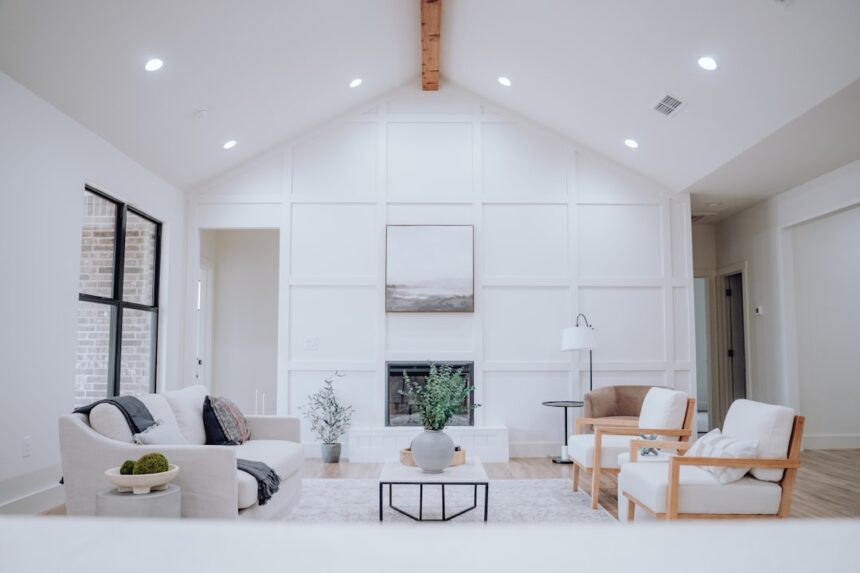
You’re likely familiar with the familiar frustration: the endless trek from your bed to your coffee maker, the circuitous route to the pantry, the unnecessary steps to grab a coat. These seemingly minor inconveniences, multiplied over days and weeks, eat into your time and energy. The concept of a “short path home design” directly addresses this, aiming to streamline your living space for maximum efficiency and minimal wasted movement. It’s not about sacrificing comfort or aesthetics; it’s about strategic organization that allows you to move through your home with intention and ease, ultimately boosting your personal productivity.
This approach to home design considers the flow of your daily life and how your home can support it. It’s about understanding the patterns of your movement within your own four walls and identifying opportunities to reduce friction. Think of it like optimizing a workflow in a professional setting; by identifying bottlenecks and inefficiencies, you can create a more productive and less stressful environment. For your home, the ultimate output is time and energy saved, allowing you to focus on what truly matters.
The core principle is to minimize travel distances between frequently used areas. This means analyzing your typical routines – waking up, preparing meals, getting ready for work or outings, winding down – and designing your space to accommodate these activities more directly. It’s about creating logical adjacencies and eliminating unnecessary detours.
Understanding Your Daily Routines
Before you can even think about implementing short path home design, you need to become intimately familiar with your own habits. This isn’t a vague exercise; it requires deliberate observation and analysis.
Mapping Your Movement Patterns
Take a day, or even better, a week, to consciously observe how you move through your home. Where do you go first when you wake up? What’s the sequence of actions to prepare breakfast? Where do you store your keys and wallet, and where do you typically get them before leaving? What’s your route to the laundry room? Keep a small notebook or use a note-taking app on your phone to jot down these sequences. Don’t judge them, just record them. You might be surprised by the amount of backtracking you discover.
Identifying Frequent Destinations
Once you have a clear picture of your movement, identify the areas you access most often. These are likely to include:
- Sleeping Area: Bedroom, en-suite bathroom (if applicable).
- Food Preparation & Consumption: Kitchen, dining area.
- Hygiene: Bathroom(s).
- Closets & Storage: Wardrobes, coat closets, pantry, linen closets.
- Work/Study Areas: Home office, dedicated desk space.
- Relaxation Zones: Living room, family room.
Recognizing Unnecessary Steps
Compare your mapped routines with the physical layout of your home. Where are there illogical jumps in proximity? For example, if your primary bathroom is on the opposite side of the house from your bedroom, and you use it first thing in the morning and last thing at night, that’s a prime candidate for optimization. Similarly, if your coffee maker is in the kitchen, but you store your favorite mug in a different cabinet and your favorite creamer in the pantry, you’re adding extra steps to a simple morning ritual.
For those interested in enhancing productivity through innovative home design, a related article can be found at Productive Patty. This resource delves into the principles of creating a short path home design that promotes efficiency and focus, offering practical tips and insights for optimizing your living space. By implementing these strategies, you can transform your environment into a more productive haven.
Strategic Placement of Key Zones
Once you’ve identified the inefficiencies, the next step is to strategically place or rearrange key zones to create shorter paths. This often involves a rethinking of how you utilize the existing space.
The Bedroom-Bathroom Connection
The adjacency of the bedroom and bathroom is a significant factor in daily efficiency. Ideally, your primary bathroom should be directly accessible from your master bedroom, or at the very least, a short, unobstructed walk away. This eliminates the need to traverse multiple rooms or hallways for essential morning and evening routines.
Optimizing Ensuite Bathroom Access
If you have an ensuite, prioritize its proximity and ease of access. Ensure the door opens directly into the bedroom or a small anteroom that connects seamlessly. Avoid layouts where you have to walk through one part of the bedroom to get to a separate bathroom door.
Considering Secondary Bathrooms
For secondary bathrooms, think about which bedrooms they primarily serve. Placing them closer to the bedrooms they’re most used by can significantly reduce hallway traffic. This might mean reconfiguring existing bathrooms or even creating new ones if the opportunity arises.
Kitchen Proximity to Dining and Storage
The kitchen is the hub of many daily activities, and its relationship with dining areas and essential storage is crucial.
Seamless Kitchen-Dining Flow
A logical flow between the kitchen and dining area is paramount. Whether it’s an open-plan layout or a more traditional separation, ensure that serving food and clearing dishes involves minimal distance. Think about placing the dining table close to the kitchen’s primary egress point, rather than on the other side of the living room.
Pantry and Refrigerator Accessibility
The pantry and refrigerator are key components of meal preparation. Ideally, the pantry should be either within the kitchen itself or immediately adjacent to it. Similarly, ensure convenient access to the refrigerator from your primary food preparation zones. If your pantry is a significant distance from the kitchen, consider creating smaller, strategically placed storage areas within or near the kitchen for frequently used items.
Entryway and Coat Storage Efficiency
The transition from outside to inside, and vice versa, is another area where short path design can make a difference.
Direct Access to Coat and Shoe Storage
Upon entering your home, you should ideally have immediate access to coat hooks, a shoe rack, or a small closet for essential outerwear. This prevents the need to track dirt or clutter through your entire home just to stow your umbrella or hang your jacket.
Proximity to Keys and Essentials
Likewise, having a designated spot for your keys, wallet, phone, and other outgoing essentials near the main entry is a practical application of short path design. This eliminates the frantic search before leaving and contributes to a smoother departure.
Smart Storage Solutions
Effective storage is the backbone of any efficient home. It’s not just about having enough space, but about having the right space in the right place.
Zone-Based Storage
Instead of centralized, one-size-fits-all storage, consider implementing zone-based storage. This means storing items where you use them most frequently.
Kitchen Zone Storage
Within the kitchen, store frequently used spices near the stove, cooking utensils near your prep surfaces, and everyday dishes and glasses within easy reach of the dishwasher or drying rack. Small, dedicated storage pulls or organizers within cabinets can further refine this.
Bathroom Zone Storage
In bathrooms, keep toiletries and cleaning supplies in or very near the bathroom they serve. This prevents unnecessary trips to a central linen closet or storage room for something you need while showering or brushing your teeth.
Entryway Zone Storage
As mentioned, your entryway should have dedicated storage for items used for leaving and entering the house. This could include a small bench with storage underneath, a wall-mounted organizer, or a slim cabinet.
Vertical Space Utilization
Don’t overlook the potential of vertical space. Tall shelving units, wall-mounted organizers, and cabinet organizers can significantly increase your storage capacity without expanding your home’s footprint. This also makes items more accessible by bringing them closer to eye level, reducing the need to bend or stretch too much.
Streamlining Daily Tasks
Beyond the physical layout and storage, you can employ principles of short path design to streamline specific daily tasks.
The Morning Routine Optimization
The morning is often a time crunch. By applying short path principles, you can make it more efficient.
Pre-Assembled Outfits
Consider laying out your clothes the night before. This eliminates indecision and the need to rummage through your closet in a hurry. If you have a dedicated area for this, like a valet stand or a specific drawer, it further shortens the path to getting dressed.
Coffee Station Consolidation
If you’re a coffee drinker, consolidate all your coffee-making essentials in one readily accessible area. This includes your coffee maker, filters or pods, favorite mugs, sugar, and any preferred creamers or sweeteners. Having this “station” as close as possible to where you’ll enjoy your coffee can also be a minor but effective optimization.
The Evening Wind-Down Efficiency
The end of the day also presents opportunities for streamlining.
Designated Device Charging Zone
Create a central, convenient location for charging all your electronic devices. This prevents devices from being scattered across various rooms and reduces the need to search for available outlets. Consider a charging station with multiple ports.
Organized Relaxation Essentials
If you have specific items you use for relaxation, such as books, knitting supplies, or meditation cushions, keep them together in a designated area in your living space. This avoids disrupting your desired state of calm by having to hunt for these items.
In exploring innovative approaches to short path home design for productivity, one can find valuable insights in a related article that discusses the importance of creating efficient workspaces within our living environments. This article emphasizes how thoughtful design can enhance focus and reduce distractions, ultimately leading to greater productivity. For more information on this topic, you can check out the full article here. By integrating these principles into our home layouts, we can foster an atmosphere that supports both work and relaxation.
Rethinking Furniture Placement and Flow
Even without major renovations, strategic furniture placement can significantly impact your home’s flow and shorten paths.
Clearing Pathways
The most fundamental aspect of furniture placement for flow is ensuring there are clear, unobstructed pathways between frequently accessed areas. Imagine yourself walking your normal routes. Are there pieces of furniture that impede your progress?
Avoiding Clutter and Obstacles
Remove any unnecessary furniture or decorative items that create bottlenecks. This doesn’t mean a minimalist home, but rather a conscious decision about what serves a purpose and what hinders movement.
Defining Zones with Furniture
You can use furniture to subtly define different zones within a larger space. For example, placing a sofa and armchair can create a clear living area, guiding movement around it rather than through it.
Considering Multifunctional Furniture
Multifunctional furniture can be your best friend in a short path design.
Storage Ottomans and Benches
Items like storage ottomans can serve as extra seating while also hiding away blankets, books, or magazines. Benches with built-in storage are excellent for entryways or at the foot of beds.
Fold-Away or Extendable Tables
For smaller spaces, fold-away or extendable dining tables can be brought out when needed for meals and then tucked away, freeing up floor space for easier movement during other times of the day. This creates a more flexible and efficient use of your living area.
By consciously applying these principles, you can transform your home from a source of minor daily frustrations into a supportive and streamlined environment. It’s a gradual process, but the cumulative effect of these small optimizations can lead to a noticeable boost in your personal productivity, freeing up valuable time and energy for the activities you truly want to pursue. It’s about making your home work for you, not against you, by designing for the fluid and efficient movement of your daily life.
FAQs
What is a short path home design for productivity?
A short path home design for productivity is a design concept that focuses on creating a layout within the home that minimizes the distance and time required to move between key work and living areas, thus maximizing efficiency and productivity.
What are the key principles of a short path home design for productivity?
Key principles of a short path home design for productivity include strategically placing work areas close to essential living spaces, minimizing unnecessary obstacles and detours, and creating a clear and efficient flow throughout the home.
How can a short path home design improve productivity?
A short path home design can improve productivity by reducing the time and effort required to move between work and living areas, minimizing distractions, and creating a more organized and efficient environment for completing tasks.
What are some common features of a short path home design for productivity?
Common features of a short path home design for productivity may include open floor plans, strategically placed workstations, organized storage solutions, and minimalistic design elements to reduce clutter and distractions.
What are some tips for implementing a short path home design for productivity?
Tips for implementing a short path home design for productivity include carefully planning the layout of the home, considering the daily activities and routines of the occupants, utilizing multifunctional furniture, and incorporating natural light and greenery to create a more inspiring and productive environment.