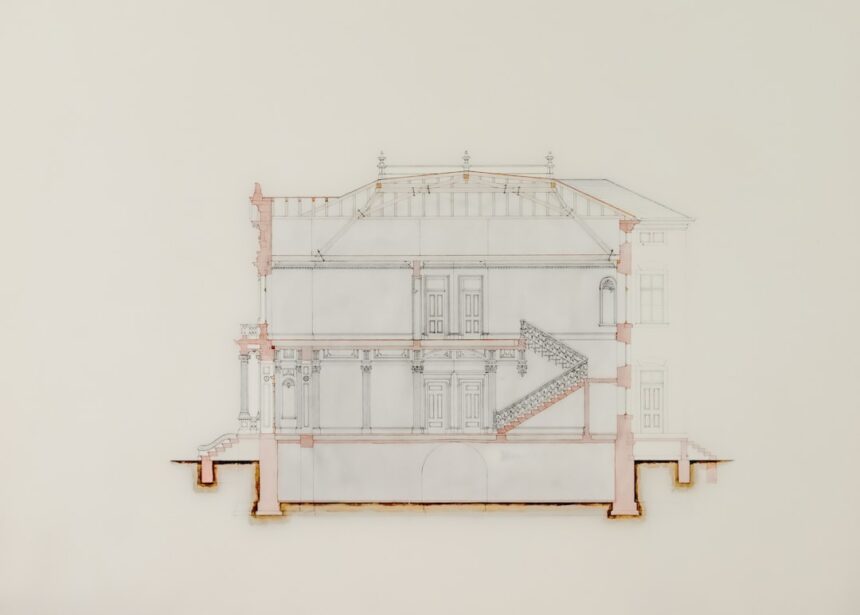
Your brain has a primal, architecturally-tuned operating system. It’s been processing spatial information for a far longer time than you’ve been consciously aware of floor plans and furniture arrangements. This ancient processing capacity, honed over millennia to navigate the complexities of the natural world, has a specific set of expectations about your living environment. When your house layout deviates significantly from these expectations, your brain flags it. It’s not being picky; it’s signaling a disruption that can lead to a surprising amount of subconscious stress and inefficiency.
Your Brain Craves Predictability and Control
Naturally, your brain prefers environments that are predictable. This predictability allows it to allocate mental energy more efficiently, freeing up cognitive resources for more pressing concerns like finding sustenance, avoiding predators, or deciphering social cues. Predictability in a spatial sense translates to being able to anticipate what’s around the corner, where you are in relation to known landmarks, and the general flow of movement through a space.
The Importance of Clear Sightlines
One of the most fundamental aspects of spatial predictability for your brain is the presence of clear sightlines. Your visual system is constantly scanning for information, and unobstructed views provide a sense of security and awareness. When your sightlines are consistently broken or confusing, your brain has to work harder to process the available information.
Long, Uninterrupted Vistas
Historically, long, uninterrupted views of your surroundings were a survival advantage. Being able to see a wide expanse allowed early humans to spot approaching threats or identify potential resources from a distance. While you might not be dodging saber-toothed cats in your living room, the neural pathways associated with this evolutionary advantage are still active. A home with many long, clear sightlines, such as a well-proportioned open-plan area or a hallway that extends without sharp, unexpected turns, feels inherently more secure.
Corner Visibility
The ability to see around corners is another crucial element. When you can glimpse what’s in the next room or down the hallway, you reduce the element of surprise. This anticipation allows your brain to prepare for the next cognitive load. In contrast, layouts with numerous blind corners or doorways that open directly into cluttered spaces can trigger a low-level sense of unease. You might find yourself instinctively pausing before entering such areas, even if there’s no conscious reason for apprehension.
Navigational Ease and Familiarity
Your brain also thrives on navigational ease. This relates to how instinctively you can find your way around your home without having to consciously think about it. Familiarity, built through repeated exposure and consistent spatial cues, is the bedrock of this ease.
Intuitive Pathways
A home with intuitive pathways feels natural to move through. This means that the primary routes from one functional area to another are clear, direct, and logical. For example, a direct path from the entrance to the main living area, or from the kitchen to the dining space, helps your brain build a mental map that is easily accessible. Conversely, layouts that require convoluted detours, multiple turns, or force you to pass through less desirable areas to reach your destination can feel disorienting. You might find yourself getting turned around or having to mentally retrace your steps more often than necessary in such environments.
Environmental Cues
Your brain relies on environmental cues to orient itself. These cues can be structural, like a prominent doorway or a large window, or they can be furniture placements that create natural channels of movement. When these cues are consistent and predictable, they reinforce your mental map. However, if furniture is frequently rearranged in a way that disrupts these established pathways, or if architectural features are misleading, your brain struggles to maintain a stable understanding of your space.
If you’ve ever felt a sense of discomfort or confusion in your own home, you might be interested in exploring the reasons behind this phenomenon. A related article discusses how our brains can struggle with certain house layouts, leading to feelings of unease or frustration. Understanding the psychology of space can help you create a more harmonious living environment. To learn more about this intriguing topic, check out the article here: Why Your Brain Hates Your House Layout.
Your Brain Prefers Organized and Differentiated Zones
Beyond basic predictability, your brain has a sophisticated system for categorizing and organizing information, and this extends to how it perceives your living space. It prefers zones to be clearly delineated and dedicated to specific functions. This mental segmentation helps to reduce cognitive load and improve efficiency.
Clear Functional Compartmentalization
The concept of functional compartmentalization is deeply ingrained. We have evolved to understand that different activities require different environments. A place for preparing food is distinct from a place for rest or a place for social interaction. When these distinct zones bleed into one another in a disorganized fashion, your brain can become confused about the intended purpose of a given area.
Kitchen as a Workspace
Your kitchen, for instance, is its most fundamental role is a workspace. It’s where preparation, cooking, and cleaning occur. Ideally, it should be designed to support these activities with ample counter space, efficient workflow, and clear separation from areas of relaxation or work that require different sensory inputs. A kitchen that opens directly into a serene living room without any buffer zone can create a conflict for your brain. The visual and olfactory cues of cooking might intrude upon the brain’s relaxation programming.
Restorative Zones
Similarly, your bedroom or any designated rest area should feel separate and conducive to unwinding. The presence of clutter, ongoing work, or even persistent noise from other parts of the house can disrupt your brain’s ability to transition into a restorative state. Layouts that allow for acoustic and visual separation of these zones are therefore highly beneficial.
The Concept of “Refuge” and “Prospect”
Environmental psychology offers the concepts of “refuge” and “prospect” which are highly relevant to how our brains experience space. These are not just aesthetic preferences; they tap into deep-seated needs for safety and exploration.
The Need for a Protected Nook
The concept of “refuge” speaks to your brain’s need for a sense of enclosure and protection. This is where you feel safe and observant without being exposed. Think of a cozy reading nook, a bedroom with a sense of privacy, or even a comfortable armchair positioned near a wall. These are spaces where your brain can relax its guard. Layouts that lack these pockets of refuge can contribute to a feeling of being overly exposed or unsettled.
The Desire for an Open View
“Prospect,” on the other hand, refers to the ability to see out over an area, to have a view. This taps into your brain’s innate drive to survey its surroundings for opportunities and threats. A window overlooking a garden, a living room with a clear view of the entrance, or a balcony all provide this sense of prospect. The ideal layout often balances these needs, offering both secure refuges and inviting prospects. A home that is entirely open with no sense of enclosure, or conversely, one that is so fragmented that there are no opportunities for expansive views, will likely feel suboptimal to your brain.
Your Brain Responds to Sensory Input and Stimulation Levels
Your brain is a sensory processing machine. It’s constantly taking in information from your environment through sight, sound, smell, and touch. The way your house layout influences these sensory inputs can have a profound impact on your mood and cognitive state.
Lighting as a Spatial Sculptor
Lighting is one of the most powerful tools your brain uses to understand and interpret space. The way light falls and shapes your environment dictates how you perceive depth, volume, and even mood.
Natural Light and Its Importance
Your brain is hardwired to respond to natural light. Exposure to sunlight regulates your circadian rhythm, improves mood, and boosts cognitive function. Layouts that prioritize natural light, with ample windows, strategically placed skylights, and unobstructed access to daylight, feel more stimulating and invigorating. Conversely, homes that are dark and rely heavily on artificial light can feel oppressive or lethargic.
Artificial Lighting and Its Nuances
The way artificial lighting is implemented is also critical. Harsh, uniform lighting can create a sterile or uninviting atmosphere. Your brain responds better to layered lighting that mimics natural variations in light intensity and color temperature. Task lighting in work areas, ambient lighting in living spaces, and accent lighting to highlight features all contribute to a more dynamic and comfortable environment. A layout that forces you to rely on a single, overhead light source in every room will present a monotonous sensory experience that your brain will likely find tiresome.
Acoustic Flow and Noise Management
The soundscape of your home is as important as its visual aspect. Your brain is adept at filtering out background noise, but a poorly designed layout can create acoustic challenges that are difficult to ignore.
Sound Transmission and Privacy
Consider how sound travels. Open-plan layouts, while popular for their airy feel, can lead to significant sound bleed between different functional areas. The sound of the television might intrude on someone trying to read, or the clatter of dishes might disrupt a conversation. Your brain perceives this as a lack of privacy and can lead to irritation. Layouts that incorporate natural sound barriers, such as walls, doorways, or even strategically placed furniture, can help to manage acoustic flow.
Creating Zones of Quiet
The ability to create zones of quiet is crucial for concentration and relaxation. If your home’s layout makes it impossible to escape household noise, your brain will be in a constant state of mild alert, never truly able to switch off. This can contribute to stress and fatigue. Homes with dedicated quiet rooms or areas that offer acoustic separation from the main living spaces are inherently more conducive to well-being.
Your Brain Reacts to Complexity and Clutter Accumulation
Clutter is not just an aesthetic issue; it’s a significant drain on your cognitive resources. Your brain is constantly trying to process and organize the visual information in its environment. When that information is excessive and disorganized, it leads to mental fatigue and can even impact decision-making.
Visual Overload and Cognitive Load
A cluttered home presents a constant stream of visual stimuli. Your brain has to work harder to differentiate between important items and irrelevant ones, to navigate around obstacles, and to maintain a sense of order. This increased cognitive load can lead to feelings of overwhelm, anxiety, and reduced productivity.
Predictable Storage Solutions
The layout of your home plays a direct role in how easily clutter can accumulate. Homes with integrated, well-designed storage solutions – think built-in cabinets, easily accessible shelving, or dedicated utility spaces – make it easier to keep things organized. When storage is an afterthought or is poorly integrated into the layout, items tend to spill out and proliferate.
Flow and Obstruction
A layout that encourages clutter accumulation often has poor flow. This can mean that there are simply not enough surfaces for items to be placed on temporarily, or that there are many nooks and crannies where clutter can easily hide and grow. When pathways are constantly obstructed by items that have no designated home, your brain experiences this as a physical manifestation of disorder, which further exacerbates the mental burden.
The “Sense of Place” and Decluttering
Your brain also builds a “sense of place” based on the organization of its surroundings. A well-ordered home feels more cohesive and can foster a stronger sense of ownership and belonging. Conversely, a perpetually cluttered environment can lead to feelings of stagnation and a lack of control.
Designated Zones for Belongings
When your house layout dictates clear zones for different types of belongings, it unconsciously guides you towards putting things away. For example, a designated mudroom encourages you to remove and store outdoor gear immediately. A properly organized pantry makes it easier to store and manage food items. Without these predefined zones, items tend to migrate to wherever there is available space, contributing to the overall sense of disarray.
The Impact on Emotional Well-being
The persistent visual noise of clutter can have a tangible impact on your emotional well-being. It can lead to feelings of shame, embarrassment, and a reluctance to invite others into your home. Your brain associates the external environment with your internal state, and a chaotic external environment can contribute to a chaotic internal state.
Many people often wonder why their brain seems to dislike the layout of their home, and a fascinating article on this topic can shed some light on the matter. It explores how our environment can significantly impact our mood and productivity, suggesting that certain layouts may create feelings of discomfort or disorganization. For those interested in understanding this phenomenon better, you can read more about it in this insightful piece on productive living. By examining the relationship between our brain and our surroundings, we can make more informed choices about how to design our spaces for optimal well-being.
Your Brain Seeks Flow and Connection to the Outdoors
Beyond the immediate concerns of safety and function, your brain has an innate desire for a connection to the natural world and for unimpeded flow through its environment. This connection is not merely an aesthetic preference; it taps into our evolutionary past.
Biophilic Design Principles in Practice
Biophilic design, the practice of incorporating nature into built environments, resonates deeply with your brain. This isn’t limited to adding a few potted plants. It’s about how the layout itself fosters a connection to the outdoors.
Views and Access to Nature
Layouts that offer direct views of gardens, trees, or other natural landscapes provide your brain with a visual connection to the outside world, even when you’re indoors. Furthermore, easy access to outdoor spaces, such as patios, balconies, or a well-connected backyard, allows your brain to experience the benefits of fresh air and natural stimuli. Homes that feel cut off from nature, with limited windows or no direct outdoor access, can contribute to a sense of confinement.
Natural Materials and Forms
The incorporation of natural materials like wood and stone, along with organic shapes and patterns, can also have a calming and grounding effect on your brain. Layouts that embrace these elements can create a more harmonious and supportive living environment. Conversely, homes that are dominated by artificial materials and rigid, geometric forms might feel less inviting and more sterile to your brain.
The Importance of Seamless Transitions
The concept of “flow” in your home extends beyond just being able to walk from one room to another without obstruction. It’s about how different spaces connect and transition, and how this relates to your daily activities.
Fluid Movement Through Spaces
A well-designed layout encourages fluid movement between functional areas. This means that the progression from preparing food to eating, or from working to relaxing, feels natural and unobtrusive. Layouts that create awkward transitions, such as having to pass through a busy hallway to reach a quiet study, can disrupt this sense of flow and create unnecessary friction in your day.
Creating a Sense of Openness and Airiness
The feeling of openness and airiness is often a result of good flow and well-conceived spatial relationships. This doesn’t necessarily mean an entirely open-plan design, but rather a layout where spaces feel connected rather than isolated. Large doorways, strategically placed internal windows, or a considered arrangement of rooms can all contribute to this sense of spaciousness and ease of movement, which your brain finds inherently more pleasant and less demanding. Your brain, ultimately, prefers an environment that facilitates rather than hinders its operations. By understanding these innate preferences, you can begin to assess your own living space and make adjustments that foster a more harmonious and supportive environment.
FAQs
1. Why does the brain dislike certain house layouts?
The brain may dislike certain house layouts due to factors such as lack of natural light, clutter, poor ventilation, and lack of privacy, which can contribute to feelings of stress and discomfort.
2. How does house layout affect mental well-being?
House layout can affect mental well-being by influencing mood, stress levels, and overall comfort. For example, a cluttered or disorganized layout can contribute to feelings of anxiety and overwhelm.
3. What are some common house layout features that can negatively impact the brain?
Common house layout features that can negatively impact the brain include narrow hallways, low ceilings, lack of windows, and poor flow between rooms, which can create a sense of confinement and discomfort.
4. Can house layout impact cognitive function?
Yes, house layout can impact cognitive function. For example, a poorly designed workspace or study area can hinder focus and productivity, while a well-designed, organized space can enhance cognitive function.
5. How can house layout be improved to better support the brain?
House layout can be improved to better support the brain by incorporating elements such as natural light, open spaces, good ventilation, and ergonomic design. Decluttering and organizing the space can also contribute to a more brain-friendly environment.