
Your bedroom. It’s more than just a place to throw your clothes and collapse at the end of the day. For you, the ambitious individual, it should be a meticulously crafted sanctuary, a launchpad for both deep, restorative sleep and the energy required to chase your goals. Achieving this optimal balance requires a deliberate approach, moving beyond mere aesthetics to embrace functional design that directly impacts your well-being and your drive. This isn’t about creating a temple of slumber with fluffy pillows and ethereal lighting that inspires no concrete action; it’s about a strategic integration of elements that support your physiological need for rest and your psychological need for productivity.
The very architecture of your sleep space plays a crucial role. Before you even consider decorative elements, you must address the fundamental aspects that influence your ability to disconnect and recharge, and subsequently, to approach your day with clarity and vigor. This involves a comprehensive assessment of the room’s inherent characteristics and how they can be leveraged or mitigated to your advantage.
Color Psychology and Its Impact on Your Mind
The colors you choose are not merely superficial choices; they are potent psychological triggers. For stimulating ambition without creating anxiety, and for promoting relaxation without inducing lethargy, a nuanced palette is essential.
Calming Neutrals as a Strategic Choice
Think beyond stark white or oppressive gray. Opt for warm, muted neutrals like soft beige, sandy taupe, or gentle off-whites. These shades provide a non-stimulating backdrop that allows your mind to quiet down, reducing the visual clutter that can contribute to racing thoughts. They create a sense of spaciousness and airiness, which can foster a feeling of mental expansion, crucial for creative thinking and problem-solving. Avoid harsh, cool blues that can sometimes feel sterile or clinical, and steer clear of overly warm colors like vibrant oranges or reds, which can be too stimulating, especially in the hours leading up to sleep.
Strategic Accents for Subtle Motivation
While the bulk of your palette should lean towards tranquility, strategic pops of color can inject a gentle sense of motivation. Consider deep, earthy greens for their grounding and balancing properties, or soft, dusty blues that can evoke a sense of calm productivity. Avoid anything overly bright or neon. These accents should be used sparingly, perhaps in artwork, throw pillows, or a single accent wall, serving as subtle reminders of your aspirations without becoming a source of agitation. The goal is to create a visual environment that feels sophisticated and intentional, reflecting your disciplined approach to life.
The Importance of Light Control: Darkness as Your Ally
Light is a powerful regulator of your circadian rhythm, the internal clock that governs sleep-wake cycles. For optimal rest and daytime alertness, meticulous control over your bedroom’s light exposure is paramount.
Blackout Solutions for Uninterrupted Slumber
Embrace the power of true darkness. Invest in high-quality blackout curtains or blinds. This is not about creating a tomb, but about eliminating external light pollution, such as streetlights, car headlights, or early morning sun, which can disrupt melatonin production and lead to fragmented sleep. A darkened room signals to your brain that it’s time to rest, allowing for deeper, more restorative sleep cycles. This improved sleep quality directly translates to increased cognitive function, sharper focus, and sustained energy levels throughout your ambitious undertakings.
Managing Internal Light Sources
Be mindful of artificial light within your bedroom. Opt for warm, low-wattage lamps for ambient lighting, and avoid bright overhead lights in the evening. If you use electronic devices, consider using night mode to reduce blue light emission, which is particularly disruptive to sleep. The absence of bright, blue-toned light in the hours before bed primes your body for rest, making it easier to fall asleep and stay asleep. This discipline extends to your waking hours; once the sun rises, allowing natural light to enter your room can help signal to your brain that it’s time to be alert and active, setting a positive tone for your day.
Creating a bedroom that promotes better sleep and fuels ambition is essential for a productive lifestyle. To explore effective design tips and strategies, you can check out this insightful article on bedroom design for better sleep and ambition. It offers practical advice on how to optimize your space for relaxation and motivation, ensuring that your bedroom becomes a sanctuary for both rest and inspiration. For more information, visit this article.
The Sanctuary of Rest: Designing for Deep Sleep
Your bedroom should be a dedicated space for sleep, free from the distractions and demands of your working life. This requires a conscious effort to curate an environment that actively promotes relaxation and discourages wakefulness.
The Bed: The Epicenter of Your Recharge
The quality of your sleep is inextricably linked to the comfort and support of your mattress and bedding. This is not an area for compromise; it’s an investment in your own performance.
Mattress Selection: Finding Your Perfect Balance
Your mattress should provide the right combination of support and pressure relief. Consider your sleeping position and any specific needs you might have, such as back support. A mattress that is too firm can create pressure points, leading to discomfort and tossing and turning. Conversely, a mattress that is too soft can lack adequate support, contributing to poor spinal alignment and aches. Seek out materials that offer good breathability to prevent overheating, which can disrupt sleep. Exploring options like memory foam, innerspring, or hybrid mattresses, and ideally trying them out, is a necessary step in optimizing your sleep environment.
Pillow Choice: Supporting Your Spine and Neck
Just as important as your mattress is your pillow. The right pillow will keep your spine in neutral alignment while you sleep, preventing neck pain and stiffness. This directly impacts your ability to wake up feeling refreshed and ready to tackle challenges. Consider your preferred sleeping position: side sleepers typically need a firmer, thicker pillow, while back sleepers may prefer a medium loft, and stomach sleepers often benefit from a flatter pillow. Experimentation may be required to find the perfect loft and fill material that suits your individual needs, ensuring a comfortable night’s rest.
Soundproofing for Undisturbed Peace
External noise can be a significant disruptor of sleep, impacting both its depth and its continuity. Implementing soundproofing measures can create an oasis of quietude essential for true rejuvenation.
Addressing Common Noise Sources
Identify the sources of noise in your vicinity: traffic, neighbors, or even the hum of appliances. Consider the placement of your bed; moving it away from windows or shared walls can make a difference. Sound-absorbing materials like thick rugs, upholstered furniture, and heavy curtains can help to mitigate ambient noise. For more persistent issues, consider investing in thicker drywall, double-paned windows, or even specialized soundproofing materials. The goal is to create a cocoon of silence that allows your mind to truly disengage from the external world and enter a state of deep relaxation.
White Noise or Pink Noise Machines
While complete silence can be beneficial, for some, a consistent, low-level background sound can further mask disruptive noises and promote relaxation. White noise, which contains all audible frequencies at equal intensity, can be effective. Pink noise, which has a more balanced spectrum and often sounds richer, is also a popular choice for sleep. Experiment with different types and volumes to find what best suits your individual sensory preferences and aids in creating a calming auditory environment that supports uninterrupted sleep.
The Productive Haven: Integrating Ambition into Your Bedroom Design
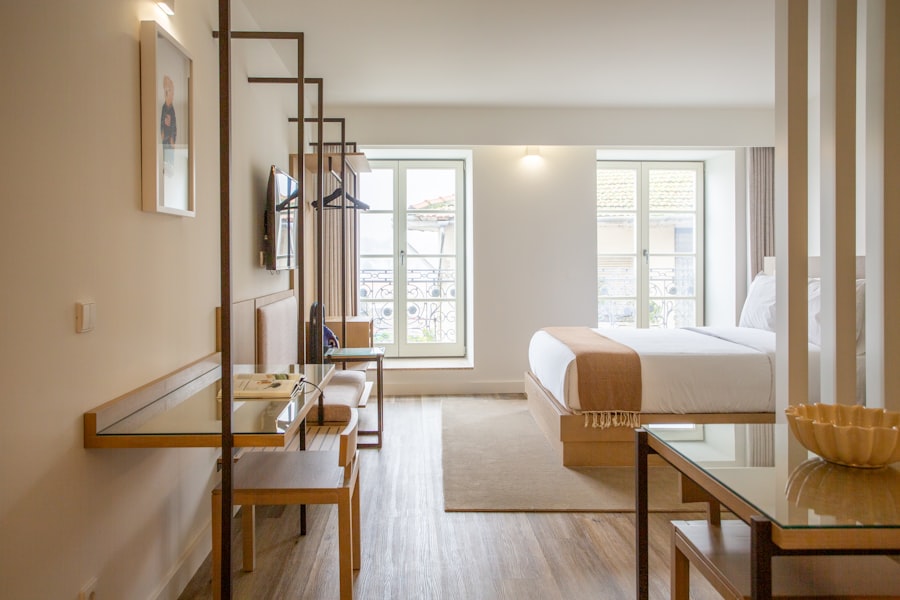
Your bedroom doesn’t have to be a sterile sleep chamber devoid of any connection to your aspirations. With careful planning, you can integrate elements that subtly inspire and fuel your ambitions without compromising your rest.
Designated Workspace: A Controlled Environment for Focus
While it might seem counterintuitive, a small, dedicated workspace within your bedroom can be beneficial if managed correctly. It offers a controlled and distraction-free environment for focused work.
The “Zone” Principle for Separation
The key is to create a clear visual and mental separation between your sleep zone and your work zone. This can be achieved through thoughtful furniture placement, the use of room dividers, or even color coding. Your bed should remain firmly within the sleep zone, free from any work-related materials. The workspace, on the other hand, should be designed to encourage focus and productivity.
Minimalist and Organized Workspace Design
Your desk and surrounding area should be kept meticulously organized. Clutter is a direct antagonist to focus. Invest in effective storage solutions – drawers, shelves, organizers – to keep essential items readily accessible but out of sight when not in use. Opt for a clean, minimalist aesthetic that promotes clear thinking. Avoid personal items that can be distracting in this zone; this space is for tasks, not for sentimental reflection. The aim is to create a functional, efficient area that supports your deep work and project management without seeping into your relaxation time.
Inspiration and Motivation: Subtle Cues for Growth
Your bedroom can subtly reinforce your goals and aspirations, acting as a constant, gentle reminder of what you’re working towards.
Strategic Placement of Motivational Tools
This is not about plastering your walls with motivational posters. Instead, consider incorporating elements that are personally significant and subtly inspiring. This could include a curated bookshelf with titles that align with your professional interests, a discreet corkboard for important reminders or project outlines, or a carefully chosen piece of art that evokes a sense of progress or achievement. The key is integration, not intrusion. These items should enhance the overall aesthetic and feeling of your room, not dominate it.
Personal Achievements as Subtle Reinforcers
Displaying subtle acknowledgments of your successes can be powerful. This might be a framed award, a memento from a significant conference, or even a beautifully designed plaque from a project completion. These items should be displayed elegantly and sparingly, acting as quiet affirmations of your capabilities and the progress you’ve made. They serve as tangible reminders of your resilience and the rewards of your hard work, fostering a sense of confidence and fueling further ambition.
The Role of Technology: Harnessing Tools for Better Sleep and Productivity
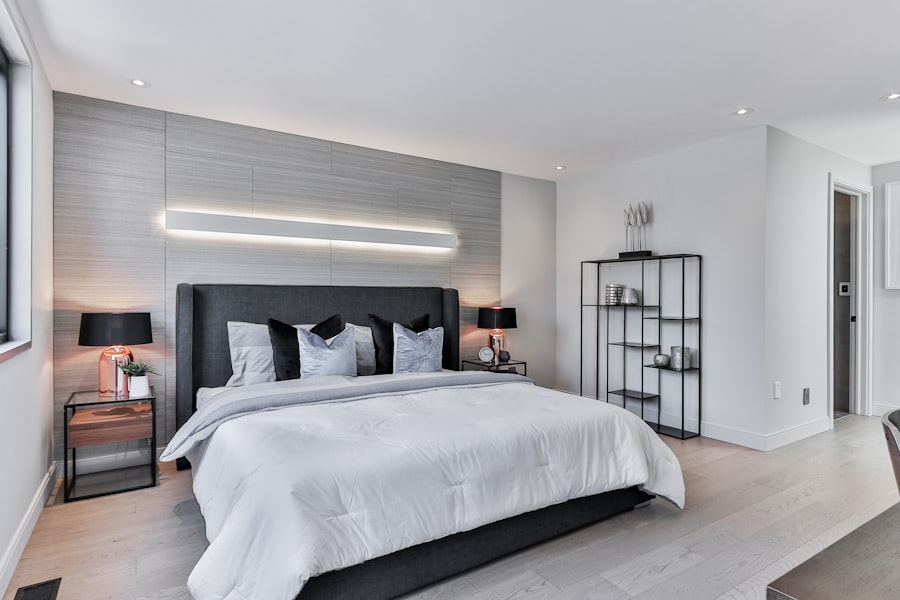
Technology can be a double-edged sword. When used judiciously, it can enhance both your sleep quality and your productivity. However, unchecked usage can be detrimental.
Smart Sleep Technology: Aids or Distractions?
The market is flooded with smart sleep devices, from trackers to apps. Understanding their potential benefits and risks is crucial.
Sleep Trackers and Their Limitations
Sleep trackers can provide valuable data about your sleep patterns, helping you identify potential issues. However, it’s important to remember that they are not diagnostic tools. Over-reliance on the data they provide can sometimes lead to anxiety about sleep, which is counterproductive. Use them as a guide to inform your habits, not as a definitive judge of your sleep quality. Focus on the qualitative aspects of your rest and how you feel upon waking, rather than solely on the numbers.
Sound Machines and Ambient Light Devices
As mentioned earlier, sound machines can be beneficial. Many modern devices offer a range of sounds and features, including timed shut-offs. Similarly, ambient lighting devices that mimic natural sunlight, used during waking hours, can help to regulate your circadian rhythm and boost alertness. The key is to select devices that actively support your sleep-wake cycle and create a calming atmosphere, and to ensure they are used intentionally and not as a crutch for poor sleep hygiene.
Managing Digital Devices: The Blue Light Barrier
The glowing screens of phones, tablets, and laptops emit blue light, which can significantly suppress melatonin production and disrupt sleep.
Establishing Strict No-Device Zones and Times
Implement a clear policy for your bedroom: no devices in bed, and ideally, no screens accessible within a set period before sleep. This creates a physical and mental barrier between you and the stimulating content of the digital world. Charge your devices outside your bedroom if necessary. This enforced disconnection allows your mind to wind down naturally, making it easier to transition into sleep. When you are working in your bedroom workspace, utilize blue light filters on your devices and adhere to designated work hours.
Utilizing Tech for Relaxation and Mindfulness
Ironically, technology can also facilitate relaxation. There are numerous guided meditation apps, nature soundscapes, and calming music playlists available. If you choose to use technology in your bedroom, use it with intention. For example, a 10-minute guided meditation before bed can be a valuable tool for de-stressing and preparing for sleep. The key is to be deliberate and avoid mindless scrolling or engaging with content that is likely to stimulate or agitate you.
Creating a bedroom that promotes better sleep and fuels ambition can significantly impact your overall well-being and productivity. One effective way to achieve this is by incorporating calming colors and minimalistic decor that fosters a serene environment. For more insights on how to design your space to enhance restfulness and motivation, you can check out this informative article on bedroom design. It offers practical tips and ideas to transform your room into a sanctuary for both relaxation and inspiration. To explore these strategies further, visit this link.
The Final Touches: Enhancing Comfort and Personalization
| Aspect | Metrics |
|---|---|
| Lighting | Use of warm, dimmable lights |
| Color | Soft, calming colors like blue or green |
| Clutter | Minimal clutter and organized space |
| Temperature | Optimal temperature for sleep (around 65°F) |
| Bedding | Comfortable mattress and pillows |
| Plants | Use of air-purifying plants for better air quality |
| Technology | Avoidance of screens and electronic devices |
Beyond the foundational elements, several smaller details can significantly contribute to both your restful sleep and your sense of ambition. These are the nuances that elevate your bedroom from functional to truly optimal.
The Art of Comfort: Textiles and Textures
The tactile experience of your bedroom can have a profound impact on your mood and your ability to relax.
Luxurious yet Practical Bedding
Invest in high-quality bedding made from natural, breathable materials like cotton, linen, or bamboo. These fabrics are not only comfortable against your skin but also help to regulate body temperature, preventing overheating or feeling too cold. The feel of smooth, soft sheets can be incredibly soothing, creating a sense of affordable luxury and encouraging you to truly sink into your rest. Consider thread count for durability and softness, but prioritize natural fibers for their performance.
Adding Softness with Rugs and Throws
A soft rug underfoot can add warmth and dampen noise, creating a more inviting and peaceful atmosphere. Consider textured throws or a comfortable armchair in a corner for reading or quiet contemplation. These additions create zones of comfort and encourage you to engage with your space in a relaxed but intentional way. They provide tactile comfort that can aid in mental decompression and foster a sense of personal well-being.
Aromatherapy and Scent: A Subtle Influence
The sense of smell is intimately linked to memory and emotion, making it a powerful tool for influencing your state of mind.
Calming Scents for Sleep Induction
Scents like lavender, chamomile, and sandalwood are known for their calming properties and can aid in relaxation and sleep. Consider using essential oil diffusers, room sprays, or scented sachets in your drawers. The key is subtlety; the scent should be present but not overwhelming, creating a gentle olfactory cue that signals to your brain that it’s time to unwind. Avoid overly strong or artificially fragranced products, which can be irritating.
Energizing Scents for Morning Activation
For a gentle boost in the morning, consider lighter, more uplifting scents like peppermint, citrus (lemon or grapefruit), or rosemary. These can be used sparingly in a diffuser or as a room spray once you are awake. The goal is to create a subtle sensory association with alertness and focused energy, complementing the natural light and the start of your productive day.
Personalization with Purpose: Reflecting Your Drive
Your bedroom should be a reflection of you, but with a strategic focus on elements that support your goals.
Displaying Accomplishments and Aspirations Discreetly
As mentioned earlier, subtle displays of achievement can be motivating. This can also extend to objects that represent your future aspirations. Perhaps a model of a building you’d like to design, a well-worn atlas for a place you dream of visiting, or a piece of art that symbolizes innovation. These items should be integrated into your décor rather than being overtly presented as a shrine to your ambition. They serve as quiet reminders of your potential and the journey you are on.
Creating a Visual Narrative of Progress
Your bedroom can become a subtle visual narrative of your growth. This might involve a evolving collection of books that reflect your learning journey, artwork that speaks to your evolving taste and perspective, or even a carefully curated mood board that you revisit periodically. The key is intentionality. Every element you choose should contribute to an environment that fosters both deep rest and a quietly confident drive to achieve your ambitions. By meticulously curating your bedroom, you are not just decorating; you are engineering an environment that directly supports your pursuit of both well-being and success.
FAQs
1. How does bedroom design impact sleep quality?
Bedroom design can impact sleep quality by creating a calming and comfortable environment that promotes relaxation and rest. Factors such as lighting, color scheme, furniture arrangement, and temperature all play a role in creating an ideal sleep environment.
2. What are some key elements of bedroom design for better sleep?
Key elements of bedroom design for better sleep include a comfortable mattress and pillows, blackout curtains or shades to block out light, soothing color schemes, minimal clutter, and a cool, quiet, and well-ventilated space.
3. How can bedroom design influence ambition and productivity?
A well-designed bedroom can influence ambition and productivity by promoting better sleep, which in turn leads to improved focus, energy, and mental clarity during the day. A clutter-free and organized space can also contribute to a more positive and motivated mindset.
4. What are some tips for creating a sleep-friendly bedroom design?
Some tips for creating a sleep-friendly bedroom design include choosing calming colors like blues and greens, investing in a quality mattress and pillows, minimizing electronic devices, incorporating soft lighting, and keeping the room cool and well-ventilated.
5. How can individuals personalize their bedroom design for better sleep and ambition?
Individuals can personalize their bedroom design for better sleep and ambition by incorporating elements that bring them comfort and relaxation, such as favorite colors, soothing artwork, plants, and meaningful decor. It’s important to create a space that reflects personal preferences and promotes a sense of calm and well-being.