
You’ve felt it, haven’t you? That deep, pervasive inertia that settles over you, making even the simplest task feel like an insurmountable mountain. You tell yourself it’s laziness, a character flaw. But what if that feeling, that resistance, isn’t a sign of weakness, but rather a sophisticated defense mechanism, your brain’s subtle way of prioritizing your safety?
This isn’t about excusing procrastination or justifying inaction. Instead, it’s an invitation to understand the complex, often unconscious, computations that govern your behavior, particularly when perceived risks are on the horizon. Your brain, a master strategist, is constantly evaluating its environment, weighing potential rewards against potential threats. When the scales tip towards perceived danger, or when the energy expenditure for a task is deemed too high relative to the immediate reward – which can include the avoidance of further unseen “costs” – your brain deploys its “faked laziness” protocol. It creates a compelling sense of lethargy, disinterest, or overwhelming fatigue that effectively shields you from engaging in what it has deemed a potentially detrimental activity. This isn’t a conscious choice you make; it’s a deeply ingrained biological imperative aimed at preserving your well-being, even if that preservation comes at the cost of immediate progress.
Your ancestors lived in a world far more precarious than yours. Every decision carried a tangible risk of injury, starvation, or predation. For them, conserving energy and avoiding unnecessary exertion was not a matter of comfort; it was a matter of survival. This evolutionary legacy is deeply embedded in your neural architecture.
The “Fight or Flight” Spectrum and its Sedentary Cousin
The well-known “fight or flight” response is a primal alarm system. When faced with immediate danger, your body gears up for action. But there’s a subtler, often overlooked, response: “freeze” or, in this context, a profound form of withdrawal and inertia. This response is triggered not just by acute threats, but also by prolonged stress, perceived overwhelming challenges, or situations where escape is impossible or too costly. Your brain, recognizing futility or excessive risk, might opt for a state of low energy expenditure as the safest bet.
Energy Conservation as a Core Directive
Every calorie your body expends must be replenished. In ancestral environments, this replenishment wasn’t always guaranteed. Therefore, a fundamental drive within your biology is to conserve energy. When a task requires significant effort, and the perceived reward is uncertain or distant, your brain prioritizes this energy conservation. The “laziness” you experience can be a manifestation of this directive, a signal that the energy cost of the proposed action is too high for the current perceived return, or that alternative, less draining, pathways might exist.
Risk Aversion and the Avoidance of the Unknown
Your brain is inherently wired to avoid risks, especially those it cannot fully comprehend. The unknown is a fertile ground for potential threats. When faced with a task that involves uncertainty, potential negative outcomes, or requires venturing into unfamiliar territory, your brain can trigger a sense of lethargy. This isn’t about shirking responsibility; it’s about your brain attempting to protect you from situations where the risks, however vague, outweigh the perceived benefits.
Recent research suggests that our brains may sometimes interpret the desire to rest or avoid tasks as a protective mechanism rather than true laziness. This phenomenon can be understood through the lens of evolutionary psychology, where conserving energy was crucial for survival. For a deeper exploration of this concept, you can read the article on the topic at Productive Patty, which delves into how our mental processes can misinterpret our need for downtime as a lack of motivation.
The Unseen Costs: Why Your Brain Perceives Tasks as Risky
What your brain deems a “risk” isn’t always about immediate physical harm. It encompasses a broader spectrum of potential negative consequences, many of which are abstract or long-term. Understanding these perceived costs is crucial to deciphering the “faked laziness.”
Social Repercussions and Reputation Management
Humans are social creatures. Your well-being is intricately linked to your standing within your social group. Failure, criticism, or judgment can carry significant social costs, impacting your access to resources, support, and even mating opportunities. When you feel resistance to a task, it might be your brain anticipating potential social fallout. The “laziness” can be a protective measure against potential embarrassment, rejection, or damage to your reputation.
Cognitive Load and the Fear of Overwhelm
Your brain has a finite capacity for processing information. Engaging in complex tasks, especially those that require significant mental effort, can lead to cognitive overload. This feeling of being overwhelmed can be perceived by your brain as a risk to its efficiency and overall functioning. The “laziness” then becomes a mechanism to avoid this potentially debilitating state, signaling that you need a break or a simpler approach.
Emotional Vulnerability and the Avoidance of Discomfort
Tasks often require you to confront your limitations, expose your weaknesses, or engage with emotionally charged situations. The fear of failure, disappointment, or the discomfort associated with vulnerability can be powerful deterrents. Your brain, in its protective capacity, might induce a state of apathy or inertia to shield you from these potentially painful emotional experiences.
The “What Ifs” of Future Consequences
Your brain is a predictor. It constantly forecasts potential future outcomes based on current actions. If a task, even a seemingly innocuous one, is associated with a string of “what if” scenarios that lead to negative consequences – be it financial strain, missed opportunities, or increased future demands – your brain might preemptively shut down the engagement. The “laziness” is a form of self-preservation, a signal to avoid a path that your predictive model flags as ultimately detrimental.
The Neurological Machinery Behind “Faked Laziness”
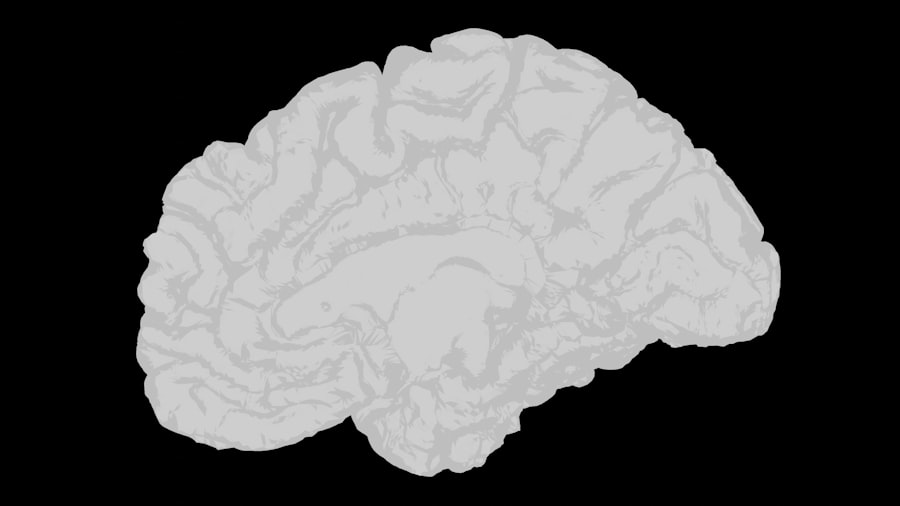
The feeling of lethargy isn’t a phantom. It’s the result of intricate neurological processes designed to guide your behavior towards perceived safety.
The Role of the Amygdala and Threat Detection
The amygdala, your brain’s alarm center, plays a pivotal role. When it detects a potential threat, it triggers a cascade of physiological and psychological responses. This can include the release of stress hormones, increased heart rate, and, crucially, a dampening of your motivation and executive functions, leading to that characteristic feeling of being unable to start.
Prefrontal Cortex Impairment and Decision-Making Paralysis
The prefrontal cortex is responsible for executive functions: planning, decision-making, and impulse control. When the amygdala is activated, it can temporarily impair the functioning of the prefrontal cortex. This makes it harder to initiate tasks, weigh options rationally, and override motivational deficits, contributing to the paralysis you experience.
Dopaminergic Pathways and Reward Valuation
Dopamine is a neurotransmitter associated with reward and motivation. When your brain perceives a task as risky or the reward as uncertain, it may downregulate dopamine signaling. This reduces your sense of urgency and desire to engage, making the task feel less appealing and the inertia more profound. The perceived “reward” of avoiding the risk becomes higher than the perceived reward of completing the task.
Somatic Signals and the Embodiment of Avoidance
Your brain doesn’t just operate in the abstract. It sends signals throughout your body. You might experience physical symptoms like fatigue, heaviness, or a general lack of energy, all reinforcing the message of “don’t engage.” These somatic signals are your body’s physical manifestation of your brain’s protective strategy.
Recognizing and Reframing the “Laziness”
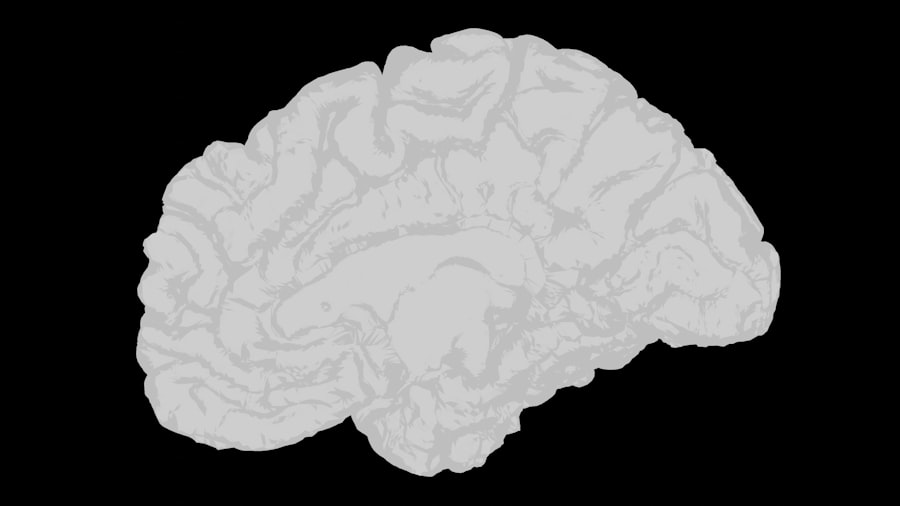
The first step towards managing this “faked laziness” is to acknowledge its true nature. It’s not a moral failing, but a biological response. Once you understand this, you can begin to reframe your perception and develop strategies to address it.
Shifting from Judgment to Observation
Instead of labeling yourself as “lazy,” try to observe the feeling. What specific thoughts or anxieties arise? What are the perceived risks associated with the task? This shift in perspective allows you to approach the situation with curiosity rather than self-criticism. This detachment is crucial, as self-criticism often exacerbates the problem by adding another layer of perceived threat (judgment from oneself).
Identifying Underlying Fears and Anxieties
Beneath the surface of inertia, there are often specific fears. Are you afraid of not being good enough? Of failing publicly? Of the sheer magnitude of the effort required? Pinpointing these underlying anxieties is key to dismantling the “faked laziness.” This often requires introspection, journaling, or even conversations with trusted individuals.
Deconstructing the Perceived Risks
Once you’ve identified the fears, start to deconstruct the perceived risks. Are they realistic? What is the actual probability of the worst-case scenario occurring? Oftentimes, our brains exaggerate potential threats, creating a chasm between perception and reality. Systematically challenging these catastrophic thoughts can reduce their power.
The Power of Incremental Steps and Reward Reframing
Breaking down daunting tasks into smaller, manageable steps can significantly reduce the perceived risk and cognitive load. Each small victory then becomes a tangible reward, which can help to re-engage your dopaminergic pathways. Furthermore, reframing the reward can be powerful. Focus not just on the external outcome, but on the internal benefits: the learning, the mastery, the relief of completion, and the sense of accomplishment.
Many people often struggle with feelings of laziness, but recent research suggests that this sensation might actually be a protective mechanism employed by our brains. When faced with overwhelming tasks or stress, our minds may interpret the need to rest as a way to safeguard our mental health. This concept is explored in greater detail in a related article that delves into the psychology behind perceived laziness and its roots in self-preservation. For more insights on this fascinating topic, you can read the full article here. Understanding this connection can help individuals reframe their thoughts and approach their productivity with a healthier mindset.
Navigating the Path Forward: Beyond Inertia
| Reasons | Explanation |
|---|---|
| Fear of failure | Brain may fake laziness to avoid taking risks and facing potential failure. |
| Conservation of energy | Brain may conserve energy by faking laziness to ensure survival in case of future challenges. |
| Self-preservation | Brain may prioritize self-preservation by avoiding unnecessary exertion and stress. |
| Comfort zone | Brain may resist change and prefer staying within the comfort zone to minimize potential threats. |
Understanding that “faked laziness” is a safety mechanism is empowering. It allows you to move from self-recrimination to self-awareness and strategic action.
Gradual Exposure and Behavior Activation
Much like overcoming any phobia, gradual exposure to the feared task can desensitize your brain to the perceived threat. Start small. Commit to just five minutes of the task. The initiation is often the hardest part. Behavioral activation, a therapeutic technique, focuses on increasing engagement in rewarding activities, even when motivation is low. The act of doing can, in itself, generate motivation and reduce the perception of risk.
Building a Supportive Environment
Your external environment can significantly influence your internal state. Surround yourself with people who are supportive and understanding. Create a workspace that minimizes distractions and makes it easier to engage with your tasks. Social support can act as a buffer against the perceived social risks.
Prioritizing Self-Care and Stress Management
Chronic stress and lack of self-care can heighten your brain’s susceptibility to the “faked laziness” protocol. Ensuring adequate sleep, nutrition, and stress-reducing activities can enhance your resilience and improve your frontal lobe’s ability to override inertia. When your basic needs are met, your brain has more resources available for cognitive tasks and is less prone to defaulting to protective, low-energy states.
Seeking Professional Guidance When Necessary
If this pervasive inertia significantly impacts your life, relationships, or ability to function, seeking professional help from a therapist or counselor can be invaluable. They can provide personalized strategies, help you address underlying psychological issues, and equip you with tools to manage these deeply ingrained patterns. They can help you distinguish between a protective biological response and a more pervasive mental health concern.
Your brain’s “faked laziness” is a testament to its intricate design for survival. It’s a complex interplay of evolutionary pressures, neurological pathways, and learned experiences. By understanding this phenomenon, you can move beyond judging yourself and begin to work with your brain, not against it, to navigate the challenges and opportunities that lie ahead.
FAQs
What is the concept of the brain faking laziness as a safety move?
The concept of the brain faking laziness as a safety move suggests that the brain may sometimes make us feel lazy or unmotivated as a way to protect us from potential harm or danger. This can be a subconscious response to perceived threats or stressors in our environment.
How does the brain’s “fake laziness” mechanism work?
The brain’s “fake laziness” mechanism works by conserving energy and resources in response to perceived threats or stressors. When the brain detects potential danger, it may prioritize self-preservation by reducing motivation and activity levels, leading to feelings of laziness or lethargy.
What are some examples of situations that may trigger the brain’s “fake laziness” response?
Examples of situations that may trigger the brain’s “fake laziness” response include high levels of stress, chronic fatigue, overwhelming workloads, or environments perceived as unsafe or threatening. In these situations, the brain may prioritize self-preservation over productivity.
Can the brain’s “fake laziness” response be overcome?
Yes, the brain’s “fake laziness” response can be overcome through various strategies such as stress management techniques, self-care practices, and creating a safe and supportive environment. By addressing the underlying stressors and taking steps to reduce perceived threats, it is possible to overcome the brain’s “fake laziness” response.
What are the potential implications of understanding the brain’s “fake laziness” mechanism?
Understanding the brain’s “fake laziness” mechanism can help individuals recognize and address the underlying reasons for their feelings of laziness or lack of motivation. It can also lead to the development of more effective strategies for managing stress, promoting mental well-being, and improving overall productivity.