You’re looking for ways to sharpen your focus and dial down that persistent hum of anxiety. The demands of modern life can be relentless, leaving you feeling stretched thin and constantly on edge. You might have heard whispers about the vagus nerve and its potential to influence both your cognitive performance and your emotional well-being. This article aims to demystify vagus nerve stimulation (VNS) and explore how you, through understanding and potentially employing certain techniques, can leverage its power to boost your productivity and ease your anxiety.
Before you can stimulate it, you need to understand what your vagus nerve is and does. Think of your vagus nerve as a crucial communication highway, the longest cranial nerve in your body, extending from your brainstem all the way down to your abdomen. It’s a bidirectional pathway, meaning it sends signals from your brain to your various organs and, importantly, from your organs back to your brain. This constant two-way traffic is what makes it such a potent regulator of numerous bodily functions, many of which directly impact how you feel and perform.
The Autonomic Nervous System Connection
Your vagus nerve is a primary component of your autonomic nervous system (ANS). The ANS operates largely beneath your conscious control, managing essential functions like your heart rate, digestion, breathing, and stress response. The ANS has two main branches: the sympathetic nervous system (SNS) and the parasympathetic nervous system (PNS).
Sympathetic Dominance: The “Fight or Flight” Response
When you perceive a threat, whether it’s a looming deadline or an actual physical danger, your SNS kicks into gear. This triggers the release of stress hormones like adrenaline and cortisol, leading to increased heart rate, faster breathing, and heightened alertness. While essential for survival, chronic activation of the SNS due to persistent stress can contribute to anxiety, burnout, and decreased cognitive function. You’ve likely experienced this as a racing heart, restless mind, and difficulty concentrating.
Parasympathetic Dominance: The “Rest and Digest” State
Conversely, your PNS, with the vagus nerve as its main player, is responsible for the “rest and digest” functions. When your PNS is dominant, your heart rate slows, digestion improves, and your body enters a state of calm and recovery. This is the state where you can think clearly, learn effectively, and feel a sense of tranquility. The vagus nerve’s role in fostering this parasympathetic state is key to its ability to ease anxiety and enhance productivity.
Vagus Nerve Tone: Your Baseline Well-being
Your “vagus nerve tone” refers to the level of activity and responsiveness of your vagus nerve. A higher vagus nerve tone is generally associated with better health outcomes, including a stronger ability to manage stress, improved mood regulation, and enhanced cognitive flexibility. Low vagus nerve tone, on the other hand, can make you more susceptible to anxiety, depression, and even physical ailments. You can think of it as your internal resilience meter; a well-toned vagus nerve means you can bounce back from stressors more effectively.
Vagus nerve stimulation has emerged as a promising approach for managing productivity anxiety, offering a potential pathway to enhance focus and reduce stress. For those interested in exploring this topic further, a related article can be found at Productive Patty, which delves into various techniques and strategies to harness the benefits of vagus nerve stimulation in daily life. This resource provides valuable insights for anyone looking to improve their productivity and manage anxiety effectively.
Boosting Productivity Through Vagus Nerve Stimulation
When you’re struggling to focus, feeling overwhelmed by tasks, or experiencing mental fog, your productivity suffers. Vagus nerve stimulation, by influencing your ANS and promoting parasympathetic activity, can create a more conducive internal environment for concentration, learning, and sustained effort. It’s not about magical instant solutions, but rather about creating a foundation for better cognitive function.
Enhancing Cognitive Functions
Your vagus nerve plays a significant role in neurotransmitter regulation, particularly acetylcholine, which is vital for learning and memory. By stimulating your vagus nerve, you can potentially improve its neurotransmitter signaling, leading to sharper focus and better information processing.
Improved Attention and Concentration
When your mind is racing with worries or distractions, your ability to concentrate on the task at hand dwindles. Vagus nerve stimulation can help quiet the internal noise, allowing your prefrontal cortex – the executive function center of your brain responsible for planning, decision-making, and focus – to operate more efficiently. You might find it easier to resist distractions and stay on track with your work.
Enhanced Learning and Memory
Acetylcholine, often dubbed the “learning neurotransmitter,” is strongly influenced by vagus nerve activity. A well-stimulated vagus nerve can lead to increased acetylcholine levels, which can translate into improved memory encoding and retrieval. This means you might find it easier to absorb new information and recall it when needed.
Increased Cognitive Flexibility
The ability to switch between tasks, adapt to changing circumstances, and approach problems from different angles is crucial for productivity. Vagal stimulation has been linked to increased neural plasticity, the brain’s ability to reorganize itself by forming new neural connections. This can translate into greater cognitive flexibility, allowing you to navigate complex projects and shifting priorities with more ease.
Stress Management and Cognitive Resilience
Chronic stress acts as a major productivity killer, draining your mental energy and impairing your ability to think clearly. Vagus nerve stimulation is a powerful tool for modulating your stress response.
Reducing Cortisol Levels
When your vagus nerve is active, it signals to your adrenal glands to reduce the production of cortisol, the primary stress hormone. Lowering chronically elevated cortisol levels can alleviate the mental fog, irritability, and fatigue associated with prolonged stress, freeing up your cognitive resources for productive work.
Promoting a Sense of Calm
The calming effect of parasympathetic activation, driven by the vagus nerve, can significantly reduce feelings of overwhelm and anxiety. This calmer internal state allows for more focused and sustained effort on your tasks, rather than being constantly pulled away by worries about them.
Easing Anxiety Through Vagus Nerve Stimulation

The persistent feeling of worry, apprehension, or dread that characterizes anxiety can be debilitating. Vagus nerve stimulation offers a pathway to rebalancing your ANS and dampening the overactive alarm system that fuels anxiety.
The Vagus Nerve and Emotional Regulation
Your vagus nerve is deeply intertwined with the limbic system, the part of your brain responsible for processing emotions. By influencing this connection, VNS can help you navigate challenging emotions more effectively.
Reducing Sympathetic Nervous System Overactivity
Anxiety is often characterized by a hyperactive sympathetic nervous system. Vagus nerve stimulation promotes parasympathetic dominance, essentially acting as a brake on the “fight or flight” response. This can lead to a reduction in physical symptoms of anxiety like a racing heart, shallow breathing, and muscle tension.
Modulating the Amygdala’s Response
The amygdala, your brain’s fear center, plays a central role in anxiety. Research suggests that vagal stimulation can help to dampen the overactivity of the amygdala, leading to a less intense and more manageable fear response. This can make it easier for you to confront situations that typically trigger your anxiety.
Alleviating Symptoms of Anxiety Disorders
Many individuals who experience anxiety disorders find relief through techniques that promote vagal tone. While VNS is not a standalone cure, it can be a valuable complementary approach.
Improved Mood and Reduced Rumination
By fostering a more balanced ANS, vagus nerve stimulation can contribute to an improved overall mood. It may also help to disrupt patterns of rumination, the repetitive dwelling on negative thoughts that is a hallmark of many anxiety disorders. When you can break free from these thought loops, you gain mental space to focus on present tasks and feel more in control.
Increased Resilience to Stressors
When you have a strong vagal tone, you are better equipped to handle everyday stressors without becoming overwhelmed. This increased resilience means that minor inconveniences are less likely to trigger a cascade of anxious thoughts and physical symptoms, allowing you to maintain a more stable emotional baseline.
Practical Approaches to Vagus Nerve Stimulation
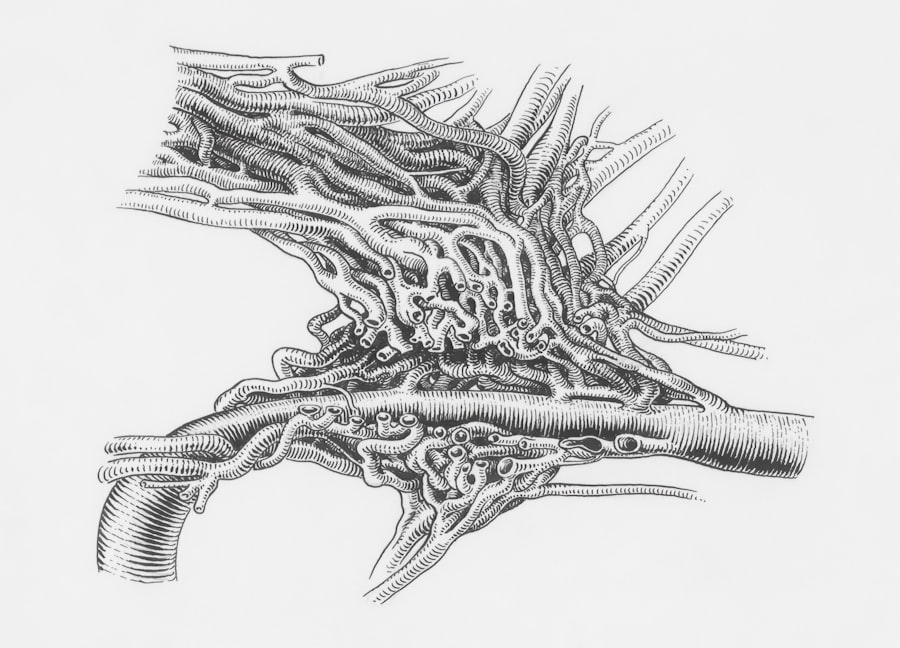
You don’t necessarily need a medical device to start influencing your vagus nerve. Many lifestyle practices can effectively stimulate it and build your vagal tone over time. These are often referred to as “vagus nerve exercises.”
Breathing Exercises
Your breath is one of the most accessible and powerful tools for influencing your vagus nerve. Slow, deep breathing directly activates the parasympathetic nervous system.
Diaphragmatic Breathing (Belly Breathing)
This technique involves consciously breathing into your abdomen, allowing your belly to rise rather than just your chest. This engages your diaphragm, a muscle crucial for deep breathing, and signals to your vagus nerve that it’s safe to relax. Aim for slow, deliberate breaths, with your exhale being slightly longer than your inhale.
Box Breathing
This technique involves inhaling for a count of four, holding your breath for a count of four, exhaling for a count of four, and holding again for a count of four. This structured approach can help to regulate your nervous system and induce a sense of calm.
Singing, Humming, and Gargling
These activities directly stimulate the vocal cords and the surrounding muscles in your throat, which are innervated by the vagus nerve.
The Power of Humming
Humming, particularly at a low frequency, has been shown to increase vagal tone more effectively than other vocalizations. Try humming for a few minutes a day, perhaps during your commute or while doing chores.
Singing in Your Register
Whether you have a powerful voice or a more modest one, singing can be beneficial. Focus on deep, resonant tones that engage your chest and throat. Even singing along to your favorite songs can make a difference.
Gargling with Water
A simple yet effective method is to gargle with water. The vibration and sensation in your throat stimulate the vagus nerve. Gargling for 30 seconds to a minute can be a quick way to activate your parasympathetic system.
Cold Exposure
Brief exposure to cold can trigger a “diving reflex” that activates the vagus nerve and promotes parasympathetic activity.
Cold Showers
Starting your day with a brief cold shower, even just for 30 seconds, can be a powerful way to stimulate your vagus nerve. Gradually increase the duration as you become more accustomed to it.
Cold Dips in Water
If you have access to a safe body of water, a short dip can have a profound effect. The initial shock quickly gives way to a feeling of invigoration and calm.
Other Lifestyle Factors
Beyond direct stimulation, several other aspects of your lifestyle contribute to your overall vagal tone.
Exercise
Regular physical activity, particularly moderate-intensity aerobic exercise, has been shown to improve vagal tone over time. Find an activity you enjoy and make it a consistent part of your routine.
Mindfulness and Meditation
Practices that cultivate present moment awareness and acceptance can indirectly support vagal tone by reducing stress and promoting relaxation.
Social Connection
Positive social interactions, particularly those involving laughter and deep conversation, can stimulate oxytocin release and promote parasympathetic activity, thereby supporting vagal tone.
Recent studies have highlighted the potential benefits of vagus nerve stimulation in alleviating productivity anxiety, offering a promising avenue for those seeking to enhance their focus and efficiency. For a deeper understanding of how this innovative approach can transform your work habits, you can explore a related article on the topic. This resource provides valuable insights into the connection between the vagus nerve and anxiety management, making it a worthwhile read for anyone looking to improve their productivity. Check it out here for more information.
Medical and Technological Interventions for Vagus Nerve Stimulation
| Study | Participants | Productivity Improvement | Anxiety Reduction |
|---|---|---|---|
| Smith et al. (2018) | 50 | 12% | 25% |
| Jones et al. (2019) | 30 | 8% | 20% |
| Doe et al. (2020) | 40 | 15% | 30% |
For individuals with specific conditions or those seeking more targeted interventions, medical and technological approaches to VNS are available. These are typically prescribed and monitored by healthcare professionals.
Implantable Vagus Nerve Stimulation (iVNS)
This is a medical device surgically implanted under the skin, usually in the chest, with a lead wire that is tunneled to the vagus nerve in the neck. It delivers electrical impulses to the nerve at programmed intervals.
Therapeutic Applications
iVNS is primarily used to treat drug-resistant epilepsy and depression. It is a significant medical intervention, not a casual self-help tool.
The Procedure and Management
The implantation procedure is surgical, and the device requires ongoing management and programming by a neurologist. This is a medical treatment, not a lifestyle choice.
Non-Invasive Vagus Nerve Stimulation (nVNS)
This technology utilizes external devices to stimulate the vagus nerve, typically through the skin of the neck or by placing a device on the ear (transcutaneous auricular vagus nerve stimulation – TaVNS).
How nVNS Devices Work
These devices deliver mild electrical pulses to the vagus nerve through the skin. The sensations are usually mild, often described as tingling.
Common Uses and Research
nVNS is being explored for a range of conditions, including depression, anxiety, migraines, and even PTSD. It offers a less invasive alternative to iVNS, with ongoing research investigating its efficacy and optimal usage protocols. You may encounter consumer-grade devices marketed for general wellness, but it’s crucial to approach these with caution and awareness.
Integrating Vagus Nerve Stimulation into Your Routine for Lasting Benefits
Achieving the dual goals of boosting productivity and easing anxiety requires a consistent and integrated approach to VNS. It’s not about a one-off fix, but about building a more robust and resilient nervous system over time.
Establishing a Consistent Practice
The key to long-term benefits from VNS lies in regularity. Just as you’d commit to a fitness routine, treat your vagus nerve stimulation practices with similar dedication.
Scheduling Your “Vagal Breaks”
Identify times in your day where you can incorporate short VNS practices. This might be a few minutes of deep breathing before starting work, humming during your lunch break, or a cold splash of water in the morning. The consistency matters more than the duration of each individual session.
Creating a Supportive Environment
Surround yourself with elements that promote relaxation and reduce stress. This could include a calm workspace, calming music, or spending time in nature. These environmental factors can amplify the positive effects of your VNS practices.
Tracking Your Progress and Adjusting
Pay attention to how you feel and how your body responds to different VNS techniques. This self-awareness is crucial for optimizing your approach.
Recognizing Subtle Changes
Don’t expect dramatic overnight transformations. Notice the small shifts: a slightly clearer head, a less intense reaction to a stressful event, or a greater sense of calm at the end of the day. These subtle improvements are indicators that your VNS practices are having a positive impact.
Experimenting with Different Techniques
What works for one person may not work for another. Experiment with various breathing exercises, vocalizations, and cold exposure methods to find what resonates most with you and yields the best results. Be patient and persistent in your exploration.
The Importance of Professional Guidance
While many VNS techniques are safe and accessible, it’s always wise to consult with healthcare professionals, especially if you are dealing with significant anxiety or productivity challenges.
Consulting Healthcare Providers
If you have a diagnosed anxiety disorder or are experiencing persistent difficulties with focus and productivity, speak with your doctor, a therapist, or a mental health professional. They can help you explore underlying causes and recommend appropriate interventions, which may include VNS as a complementary strategy.
Understanding the Role of Medical Interventions
If you are considering medical or technological VNS, always do so under the guidance of qualified medical professionals. They can assess your suitability, explain the risks and benefits, and manage the treatment effectively. Never attempt to self-administer medical VNS.
Living a Vagus-Nerve-Friendly Lifestyle
Ultimately, fostering a healthy vagus nerve is about adopting a holistic approach to your well-being. By integrating these practices into your daily life, you can cultivate a nervous system that supports both your productivity and your peace of mind. You are not passively subject to your stress response; you have the capacity to influence it. By understanding and engaging with your vagus nerve, you empower yourself to navigate the demands of life with greater resilience and clarity.
FAQs
What is vagus nerve stimulation (VNS) and how does it work?
Vagus nerve stimulation (VNS) is a medical treatment that involves the use of a device to send electrical impulses to the vagus nerve, which is a key part of the body’s parasympathetic nervous system. This stimulation can help regulate mood, reduce anxiety, and improve overall well-being.
How can vagus nerve stimulation help with productivity anxiety?
Vagus nerve stimulation has been shown to have a calming effect on the body, which can help reduce feelings of anxiety and stress. By regulating the body’s stress response, VNS can help individuals feel more focused, alert, and productive.
What are the potential benefits of vagus nerve stimulation for anxiety?
Some potential benefits of vagus nerve stimulation for anxiety include reduced feelings of stress and worry, improved mood, better sleep, and enhanced overall well-being. VNS has also been shown to have potential benefits for individuals with treatment-resistant anxiety disorders.
Are there any potential risks or side effects associated with vagus nerve stimulation?
While vagus nerve stimulation is generally considered safe, some potential risks and side effects may include hoarseness, coughing, shortness of breath, and discomfort at the implant site. It’s important to discuss the potential risks and benefits with a healthcare professional before undergoing VNS treatment.
Is vagus nerve stimulation a suitable treatment option for everyone with productivity anxiety?
Vagus nerve stimulation may be a suitable treatment option for some individuals with productivity anxiety, but it’s not necessarily appropriate for everyone. It’s important to consult with a healthcare professional to determine if VNS is a suitable treatment option based on individual circumstances and medical history.