
You stand at a crossroads, a pivotal moment in humanity’s quest for a sustainable energy future. The hum of renewable technologies grows louder, promising a cleaner planet. Yet, as you look towards this horizon, a looming shadow emerges: the insatiable demand for critical minerals to power this transition. And that’s where the deep sea beckons, a vast, largely unexplored frontier holding immense potential and profound risks.
The allure of deep sea mining is undeniable. It presents an apparent solution to the supply chain bottlenecks and geopolitical vulnerabilities that plague the extraction of essential metals like cobalt, nickel, copper, and manganese – key components for batteries, wind turbines, and solar panels. But before you are swept away by the promise of readily available resources, you must confront the complex and often contentious dilemma that deep sea mining represents within the global energy transition. This isn’t a simple case of good versus bad; it’s a multidimensional challenge demanding careful consideration.
You recognize that the current trajectory of renewable energy deployment is accelerating. The urgency to decarbonize your economy and mitigate climate change is a palpable force. This transition, however, is intrinsically linked to a proportional increase in the demand for specific metals.
The Scale of the Challenge
- The global energy transition necessitates an unprecedented scale of mineral extraction. Projections from the International Energy Agency (IEA) and other reputable bodies consistently highlight significant deficits in the supply of critical minerals needed for electric vehicles, battery storage, and renewable energy infrastructure.
- You see the headlines, the reports detailing the rapid expansion of solar farms and wind power capacity. Each gigawatt installed requires a quantifiable amount of raw materials, metals that are not currently being produced in sufficient quantities to meet projected demand.
- The reliance on a limited number of countries for the current supply of many of these minerals raises concerns about price volatility, cartelization, and national security. Diversifying supply chains is a strategic imperative.
Critical Minerals: The Building Blocks of Sustainability
- Cobalt: Essential for the high-energy density of lithium-ion batteries, commonly found in electric vehicles and grid-scale storage. The majority of cobalt production currently comes from the Democratic Republic of Congo, raising ethical and environmental concerns.
- Nickel: Another crucial element in battery cathodes, also vital for stainless steel used in wind turbine towers and other infrastructure.
- Copper: A fundamental conductor in all electrical systems, from solar panels to charging infrastructure and power grids. Its demand is projected to soar.
- Manganese: Used in battery technologies and steel production, manganese is often overlooked but is a critical component in meeting energy transition goals.
- Rare Earth Elements (REEs): While not directly being mined in the first wave of deep sea exploration, REEs are indispensable for permanent magnets in wind turbines and electric vehicle motors. Their extraction and processing also carry significant environmental footprints on land.
Deep sea mining has emerged as a contentious issue in the context of the global energy transition, as nations seek to balance the demand for critical minerals with environmental concerns. A related article discusses the implications of this practice on marine ecosystems and the ethical considerations surrounding resource extraction. For more insights on this complex dilemma, you can read the article here: Deep Sea Mining and the Global Energy Transition Dilemma.
The Deep Sea Frontier: A Reservoir of Potential
You are presented with the deep sea as a vast, largely untouched repository of these much-needed minerals. The potential quantities are staggering, offering a seemingly straightforward solution to supply concerns.
Seabed Mineral Deposits: What Lies Beneath
- Polymetallic Nodules: These potato-sized concretions, found on abyssal plains, are rich in manganese, nickel, copper, and cobalt. They form over millions of years through the slow precipitation of minerals from seawater.
- Seamount Deposits (Cobalt-Rich Crusts): These mineral crusts form on the flanks of underwater mountains (seamounts) and are particularly high in cobalt, but also contain nickel, copper, and other valuable metals.
- Seafloor Massive Sulfides (SMS): These deposits are formed by hydrothermal vents, often rich in copper, gold, silver, and zinc. While less directly relevant to the immediate energy transition mineral focus, they represent another significant deep-sea resource.
The Allure of Abundance
- The sheer volume of these deposits is a primary driver for deep sea mining proponents. Estimates suggest that the Clarion-Clipperton Zone (CCZ) in the Pacific Ocean alone could contain enough nickel and cobalt to meet projected global demand for several decades.
- The geological formation of these deposits means they are often found in high concentrations, potentially leading to more efficient extraction compared to some land-based mining operations where minerals are dispersed.
- The argument is made that these seabed resources are “unclaimed,” not impacting terrestrial ecosystems or communities in the same way as land-based mines. This, however, is a contested point.
The Environmental Unknown: Risks to Fragile Ecosystems

Here is where the narrative shifts, from one of promise to one of profound concern. The deep sea is not an inert, barren void; it is a vibrant, complex, and largely unstudied ecosystem. Your interventions risk causing irreversible damage.
The Delicate Balance of the Abyss
- Biodiversity Hotspots: Contrary to popular belief, the deep sea teems with life, much of which remains undiscovered. These unique ecosystems, adapted to extreme conditions of pressure, darkness, and cold, are home to specialized species, many of which are found nowhere else on Earth.
- Slow-Growing Organisms: Many deep-sea organisms, such as corals and sponges, grow incredibly slowly, sometimes at rates of millimeters per century. Disturbing their habitat through mining activities can have ecological consequences that span geological timescales for recovery.
- Food Webs: The intricate food webs of the deep sea are poorly understood. Disrupting one component, whether through habitat destruction or sediment plumes, could have cascading effects throughout the ecosystem.
The Potential Impacts of Mining Operations
- Habitat Destruction: The physical removal of nodules or mineral crusts directly destroys the habitat on which deep-sea organisms depend for shelter, food, and reproduction. This can lead to localized extinctions.
- Sediment Plumes: Mining machinery will stir up vast plumes of sediment from the seafloor. These plumes can travel considerable distances, smothering filter-feeding organisms, clogging their feeding apparatus, and reducing light penetration in the water column, affecting photosynthetic organisms if they exist in shallower abyssal zones.
- Noise and Light Pollution: The operation of heavy machinery, sonar, and vessel traffic will introduce noise and light into an environment characterized by extreme darkness and silence. The impact of this unprecedented sensory input on deep-sea fauna is largely unknown but could disrupt communication, navigation, and foraging behaviors.
- Toxic Leaching and Chemical Contamination: While the metals themselves are the target, the extraction process could potentially release toxic substances from the seabed or from the processed materials back into the marine environment. The long-term effects of such contamination are difficult to predict.
- Connectivity and Dispersal: Many deep-sea species rely on currents to disperse their larvae and maintain genetic connectivity across populations. Sediment plumes and altered currents could impede these natural processes, leading to genetic isolation and reduced resilience.
Regulatory Frameworks: A Patchwork of Uncertainty
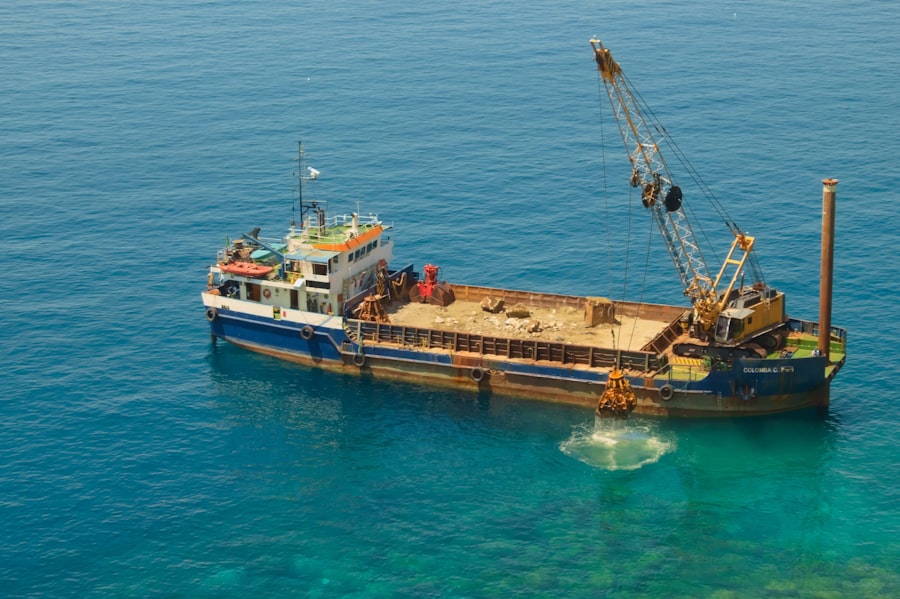
As you consider the exploitation of these deep-sea resources, you discover that the legal and regulatory landscape is still very much in its infancy, raising questions about oversight and accountability.
The International Seabed Authority (ISA)
- The ISA is the intergovernmental body responsible for regulating mineral-related activities in the international seabed area, known as “the Area.” It is tasked with protecting the marine environment and ensuring that resources are managed for the benefit of humankind.
- You observe that the ISA is currently in the process of developing the mining code, a comprehensive set of rules, regulations, and procedures to govern the exploration and exploitation of deep-sea minerals. This process has been ongoing for years and is fraught with complex negotiations.
- The ISA’s mandate involves balancing the interests of potential mining contractors with the imperative of environmental protection. Achieving this balance is a significant challenge and a source of ongoing debate.
Challenges in Governance and Enforcement
- Pace of Development vs. Science: The speed at which mining companies are seeking exploration licenses and moving towards exploitation applications often outpaces the scientific understanding required to adequately assess and mitigate environmental risks.
- Lack of Precautionary Principle Application: Critics argue that the ISA’s current approach does not always sufficiently adhere to the precautionary principle, which states that where there are threats of serious or irreversible damage, lack of full scientific certainty shall not be used as a reason for postponing cost-effective measures to prevent environmental degradation.
- Monitoring and Enforcement: Establishing effective monitoring and enforcement mechanisms in the vastness of the deep sea, a technically challenging and expensive undertaking, poses a significant hurdle. Ensuring compliance with regulations will require sophisticated technologies and a robust international oversight presence.
- Potential for “Race to the Bottom”: A concern exists that without strong, harmonized regulations, there could be a “race to the bottom,” where nations or companies compete to exploit resources with minimal environmental safeguards to gain a competitive edge.
As the world grapples with the urgent need for sustainable energy solutions, the debate around deep sea mining has intensified, highlighting the complex relationship between resource extraction and environmental conservation. A recent article explores this dilemma, shedding light on how the push for renewable energy sources might inadvertently lead to increased exploitation of oceanic resources. For a deeper understanding of this critical issue, you can read more in the article on Productive Patty, which discusses the implications of deep sea mining in the context of the global energy transition.
The Ethical and Societal Dimensions: Beyond the Minerals
| Metrics | Deep Sea Mining | Global Energy Transition Dilemma |
|---|---|---|
| Environmental Impact | Disruption of marine ecosystems | Transition to renewable energy sources |
| Resource Extraction | Cobalt, nickel, and rare earth elements | Shift from fossil fuels to clean energy |
| Regulatory Challenges | Lack of international regulations | Policy alignment and implementation |
| Technological Advancements | Deep sea mining equipment and techniques | Advancements in renewable energy technologies |
Your decision to pursue deep sea mining extends beyond the purely technical and environmental. You must also grapple with the broader ethical considerations and societal implications.
Sovereignty and Shared Heritage
- The Common Heritage of Mankind: The UN Convention on the Law of the Sea (UNCLOS) designates the seabed and ocean floor and subsoil thereof, beyond the limits of national jurisdiction, as the “common heritage of mankind.” This principle implies that the resources found there should be managed and exploited for the benefit of all states, with particular consideration for the needs of developing countries.
- Equitable Sharing of Benefits: The framework for equitable sharing of profits derived from deep sea mining is still under development. Questions arise about how these benefits will be distributed, who will benefit most, and how to ensure that developing nations, who may lack the capacity to engage in mining themselves, are not left behind.
Long-Term Consequences and Intergenerational Equity
- Irreversible Damage: The deep sea is a realm of slow processes and long timescales. Any environmental damage inflicted by mining could persist for centuries or millennia, impacting future generations who will never experience the intact ecosystems.
- Loss of Scientific Knowledge: The deep sea is a frontier of scientific discovery. Destroying these habitats before they can be fully studied means losing potentially invaluable scientific knowledge about biodiversity, evolution, and the functioning of our planet.
- The Value of the Intact Ocean: Beyond its extractive potential, the deep ocean provides vital ecosystem services, such as carbon sequestration and nutrient cycling, that contribute to the health of the entire planet. Its intrinsic value as a natural wonder and a source of inspiration should also be considered.
Public Perception and Corporate Responsibility
- Growing Public Scrutiny: As information about deep sea mining becomes more accessible, public awareness and concern are growing. You will encounter increasing pressure from environmental organizations, scientists, and the general public to prioritize environmental protection.
- Corporate Social Responsibility: Mining companies have a responsibility to operate ethically and sustainably. This includes conducting thorough environmental impact assessments, investing in cleaner technologies, and being transparent about their operations and their potential impacts.
- The “Greenwashing” Concern: There is a risk that proponents of deep sea mining might engage in “greenwashing,” presenting mining as an essential component of the green transition without adequately acknowledging or addressing the significant environmental risks involved.
Moving Forward: A Path of Caution and Innovation
As you navigate this complex juncture, it is clear that a simplistic embrace or outright rejection of deep sea mining is insufficient. A more nuanced, precautionary, and science-driven approach is essential.
Prioritizing the Precautionary Principle
- You must insist that the precautionary principle guides all decisions regarding deep sea mining. This means prioritizing the prevention of harm, even in the absence of complete scientific certainty about the extent of that harm.
- This translates to demanding rigorous environmental impact assessments that go beyond minimal requirements, investing in independent scientific research, and establishing robust monitoring programs before any exploitation activities commence.
Investing in Terrestrial and Circular Economy Solutions
- You should not view deep sea mining as an inevitable necessity but rather as a potential last resort. Therefore, you must significantly increase investment in terrestrial mineral exploration and extraction with much stronger environmental and social safeguards.
- The development and widespread adoption of a truly circular economy are paramount. This involves investing in technologies that facilitate the reuse, repair, and recycling of critical minerals, thereby reducing the overall demand for virgin materials.
- Innovation in battery technology that relies on more abundant and less environmentally damaging materials should be a major focus of research and development.
Strengthening International Governance and Transparency
- You must advocate for a robust and transparent regulatory framework for any potential deep sea mining activities, with the ISA playing a critical role in this process. This includes ensuring that the development of the mining code is comprehensive, science-based, and incorporates the precautionary principle.
- Independent scientific bodies and civil society organizations must have a significant voice in the decision-making processes of the ISA.
- Public access to data, research findings, and environmental monitoring reports related to deep sea mining should be a priority to foster accountability and informed public discourse.
A Call for Deliberation, Not Hastiness
The lure of a rapid solution to your energy demands is strong, but the risks associated with deep sea mining are too significant to be ignored. You must engage in a prolonged period of careful deliberation, prioritizing scientific understanding, stringent environmental safeguards, and ethical considerations. The future of your planet’s oceans, and indeed the integrity of your pursuit of a sustainable future, depends on making responsible choices now. The deep sea holds resources, but it also holds vital ecosystems. The challenge is to extract the former without irrevocably damaging the latter, a balance that currently appears extraordinarily difficult to strike. You are not just mining for minerals; you are making a decision that will echo through geological time.
FAQs
What is deep sea mining?
Deep sea mining is the process of retrieving mineral deposits from the ocean floor. This can include valuable metals such as copper, nickel, cobalt, and rare earth elements.
What are the potential benefits of deep sea mining?
Proponents of deep sea mining argue that it could provide access to valuable resources that are in high demand for technologies such as electric vehicles, renewable energy infrastructure, and electronic devices. It could also potentially reduce the environmental impact of land-based mining.
What are the potential drawbacks of deep sea mining?
Critics of deep sea mining raise concerns about the potential environmental impact on deep sea ecosystems, including disruption to marine life and habitats. There are also concerns about the potential for accidents and spills, as well as the unknown long-term effects of disturbing the ocean floor.
How does deep sea mining relate to the global energy transition dilemma?
The global energy transition involves a shift towards renewable energy sources and technologies to reduce reliance on fossil fuels. This transition requires a significant amount of metals and minerals, which could potentially be sourced from deep sea mining. However, the environmental and ethical implications of deep sea mining complicate its role in the energy transition.
What are some alternatives to deep sea mining in the global energy transition?
Some alternatives to deep sea mining include increasing recycling efforts to reclaim metals and minerals from existing products, improving land-based mining practices to minimize environmental impact, and investing in research and development of alternative materials for renewable energy technologies.