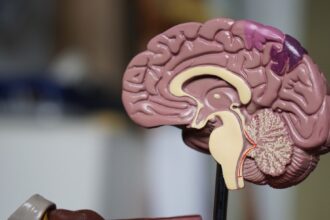
Boost Your Brain: The Power of Post-Meal Walking
You’ve just finished a satisfying meal. Your mind might be starting to feel a little sluggish, the kind of comfortable inertia that often follows a good repast. Perhaps you’re tempted to sink into the nearest armchair, to drift into a mild funk of digestion. But what if there was a simple, readily accessible activity that could not only counteract that post-meal haze but actively enhance your cognitive function? You might be surprised to learn that this potent brain booster is as unassuming as a leisurely stroll. Post-meal walking, far from being a mere post-dinner ritual, offers a compelling suite of benefits for your brain that extend well beyond simple digestion. It’s an investment in your mental acuity, your focus, and even your long-term brain health, all achievable through a habit you can integrate into your daily life with minimal effort.
Your brain, a remarkably energy-intensive organ, relies on a consistent supply of glucose for fuel. Following a meal, your body diligently works to break down carbohydrates into glucose, which then enters your bloodstream. This process, while essential for providing energy, can also lead to fluctuations in blood sugar levels. The way your body manages these post-meal glucose spikes and subsequent drops plays a significant role in how your brain performs.
Glucose Metabolism and Cognitive Performance
Immediately after a meal, as glucose levels rise, your brain can experience a temporary surge in energy. However, if this rise is too rapid or too high, it can lead to what’s often described as a “sugar rush,” which can be followed by a “sugar crash.” This crash is characterized by reduced energy, impaired concentration, and a general feeling of mental fogginess. Your brain’s ability to switch between different mental states, to maintain focus, and to retrieve information can be compromised during these periods of blood sugar dysregulation.
The Impact of Rapid Glucose Absorption
When you consume meals rich in refined carbohydrates and sugars, your digestive system processes them quickly, leading to a rapid influx of glucose into your bloodstream. This rapid absorption can overwhelm your body’s insulin response, causing a sharp spike followed by a precipitous drop. This seesaw effect directly impacts neuronal activity. Neurons require a stable glucose supply to function optimally, and these fluctuations create an unstable environment, making it harder for them to communicate effectively.
The Role of Insulin Sensitivity
Insulin is a hormone that helps transport glucose from your bloodstream into your cells, including brain cells. When you eat, especially carbohydrate-rich meals, your pancreas releases insulin. Over time, if your diet is consistently high in processed sugars and refined carbohydrates, and if you lead a sedentary lifestyle, your cells can become less responsive to insulin, a condition known as insulin resistance. This means that more insulin is needed to achieve the same glucose uptake, leading to higher blood glucose levels and potentially negatively impacting brain health.
The Gut-Brain Axis: A Bidirectional Highway
The intricate connection between your gut and your brain, formally known as the gut-brain axis, is increasingly recognized as a critical factor in both physical and mental well-being. What you eat, and how your body processes it, has a direct influence on the trillions of microorganisms residing in your digestive tract – your gut microbiome. These microbes, in turn, produce a vast array of neurochemicals and metabolites that can travel to your brain and influence its function.
Microbial Metabolites and Neurotransmitter Production
Your gut bacteria play a crucial role in producing neurotransmitters such as serotonin, dopamine, and gamma-aminobutyric acid (GABA), all of which are vital for mood regulation, motivation, and cognitive processes like learning and memory. A balanced and diverse gut microbiome, fostered by a healthy diet and lifestyle, can lead to optimal production of these essential compounds. Conversely, an imbalanced microbiome, often linked to poor diet and inactivity, can disrupt this production, potentially contributing to mood disorders and cognitive decline.
Inflammation and its Neurological Consequences
The gut lining acts as a barrier, preventing harmful substances from entering the bloodstream. When this barrier is compromised, a phenomenon known as “leaky gut” can occur, allowing inflammatory molecules to enter circulation. Chronic, low-grade inflammation originating in the gut can spread throughout the body, including to the brain. Neuroinflammation can impair neuronal function, disrupt synaptic plasticity (the brain’s ability to form new connections), and has been implicated in a range of neurological conditions, from depression and anxiety to neurodegenerative diseases.
Recent studies have shown that post-meal walking can significantly enhance cognitive function, providing a boost to mental clarity and focus. For those interested in exploring this topic further, an insightful article can be found at Productive Patty, which delves into the benefits of light physical activity after meals and its positive effects on brain health.
The Immediate Cognitive Benefits of Post-Meal Walking
The seemingly simple act of walking after a meal initiates a cascade of physiological responses that can have a tangible and immediate positive impact on your cognitive state. It’s not about achieving peak physical performance; it’s about creating an environment conducive to optimal brain activity.
Improved Blood Flow and Oxygenation
When you engage in moderate physical activity like walking, your heart rate increases, leading to a greater volume of blood being pumped through your circulatory system. This enhanced blood flow means more oxygen and essential nutrients are delivered to your brain. Your brain, as mentioned, is a voracious consumer of oxygen, and improved delivery directly translates to better cellular function and sustained cognitive performance.
The Vasodilatory Effect of Movement
Physical activity causes vasodilation, the widening of blood vessels. This effect, particularly pronounced in the blood vessels supplying the brain, ensures that a larger volume of oxygenated blood can reach your neural tissues. This increased oxygen supply can help to counteract the feelings of fatigue and sluggishness that might otherwise set in after a meal, allowing you to maintain sharper focus and clearer thinking.
Nutrient Delivery to Neural Tissue
Beyond oxygen, blood also carries vital nutrients essential for brain function, including glucose (though the aim is to manage its levels), amino acids (the building blocks of proteins and neurotransmitters), and antioxidants. Post-meal walking ensures that these delivery trucks are running at optimal capacity, ensuring your brain has the resources it needs to operate efficiently.
Enhanced Neurotransmitter Release and Regulation
The gentle stimulation of walking can positively influence the release and regulation of key neurotransmitters. This isn’t about a massive surge, but rather a fine-tuning of chemical signaling within your brain.
Dopamine and Serotonin Modulation
Dopamine is associated with motivation, reward, and attention, while serotonin plays a crucial role in mood, sleep, and appetite. Physical activity, including walking, has been shown to increase the synthesis and release of both dopamine and serotonin. After a meal, this gentle modulation can help to elevate your mood, improve your focus, and create a sense of well-being, counteracting any post-meal blues.
Acetylcholine and Cognitive Processing
Acetylcholine is a neurotransmitter heavily involved in learning, memory, and attention. Studies suggest that physical activity can increase acetylcholine levels and enhance its effectiveness in transmitting signals between neurons. This can lead to improved memory recall and a greater capacity for processing new information, making those post-meal hours more productive for learning or complex tasks.
Blood Sugar Stabilization and Glucose Uptake
One of the most significant benefits of post-meal walking is its direct impact on blood sugar regulation. By engaging your muscles, you increase their demand for glucose, effectively drawing it out of the bloodstream.
Muscle Glucose Uptake
Your muscles are significant consumers of glucose. During and after a meal, when your blood glucose levels are elevated, walking activates your muscles, signaling them to take up glucose from the bloodstream for use as energy. This active uptake helps to prevent excessive spikes in blood sugar and promotes a more gradual and controlled return to baseline levels.
Improved Insulin Sensitivity (Long-Term)
While the immediate effect is glucose uptake, consistent post-meal walking can contribute to improvements in insulin sensitivity over time. By regularly engaging your muscles and utilizing glucose, you signal to your body that glucose is readily being used, which can improve the responsiveness of your cells to insulin. This is a crucial factor in preventing the development of insulin resistance and its associated cognitive risks.
The Long-Term Brain Health Benefits of a Walking Habit

The benefits of incorporating post-meal walking into your routine extend far beyond immediate cognitive boosts. It’s a foundational habit for supporting long-term brain health, resilience, and a reduced risk of age-related cognitive decline.
Neurogenesis and Synaptic Plasticity
Neurogenesis, the birth of new neurons, and synaptic plasticity, the brain’s ability to form and reorganize synaptic connections, are cornerstones of learning, memory, and cognitive flexibility. Physical activity, including walking, is a potent stimulant for both.
Brain-Derived Neurotrophic Factor (BDNF)
One of the primary mechanisms by which exercise benefits the brain is through the increase in Brain-Derived Neurotrophic Factor (BDNF). BDNF acts like a fertilizer for your brain, promoting the growth, survival, and function of neurons. It plays a critical role in neurogenesis in areas like the hippocampus, a region vital for learning and memory. Consistent walking can elevate BDNF levels, fostering a more robust and adaptable brain.
Enhancing Synaptic Connections
Synaptic plasticity refers to the ability of synapses, the junctions between neurons, to strengthen or weaken over time in response to increases or decreases in their activity. Exercise, through mechanisms like BDNF signaling, promotes the formation of new synapses and strengthens existing ones. This means your brain becomes more efficient at processing information and forming new memories, contributing to greater cognitive reserve.
Reduced Risk of Neurodegenerative Diseases
The cumulative effects of improved blood sugar control, reduced inflammation, and enhanced neurogenesis contribute to a lower risk of developing neurodegenerative conditions such as Alzheimer’s disease and Parkinson’s disease.
Mitigating Oxidative Stress
Physical activity, while temporarily increasing oxygen consumption, also enhances the body’s antioxidant defenses over time. Oxidative stress, an imbalance between free radicals and antioxidants, can damage brain cells and contribute to aging and disease. By bolstering your antioxidant system, regular walking helps to protect your brain from this cellular damage.
The Protective Role of a Healthy Metabolism
A metabolically healthy body, characterized by stable blood sugar, healthy cholesterol levels, and effective insulin sensitivity, is fundamentally a brain-friendly environment. Post-meal walking directly contributes to metabolic health, thereby building a protective barrier against the cellular insults that can lead to neurodegeneration.
Improved Mood and Reduced Stress
The impact of physical activity on mood and stress levels is well-documented. Post-meal walking can serve as a valuable tool for psychological well-being, which is inextricably linked to cognitive function.
Endorphin Release
Exercise triggersthe release of endorphins, the body’s natural mood elevators and pain relievers. This can lead to a feeling of euphoria, but more consistently, it contributes to a general sense of well-being and a reduction in feelings of stress and anxiety.
Cortisol Regulation
Chronic stress leads to elevated levels of cortisol, a stress hormone that can have detrimental effects on the brain, particularly on the hippocampus, impairing memory and learning. Regular, moderate exercise like walking can help regulate cortisol levels, promoting a calmer and more resilient nervous system, which in turn supports better cognitive function.
Practical Integration: Making Post-Meal Walking a Habit

The beauty of post-meal walking lies in its simplicity and adaptability. It doesn’t require specialized equipment or significant time commitments. The key is consistency and finding a rhythm that works for you.
Timing and Duration: Finding Your Sweet Spot
The ideal time to begin your post-meal walk is generally within 15 to 30 minutes after you’ve finished eating. This allows your body to begin the initial stages of digestion. The duration can vary, but even a brisk 10-minute walk can offer significant benefits. Aiming for 20 to 30 minutes is often considered a good target for capturing a wider range of physiological advantages.
The Post-Lunch Slump Solution
Many people experience a dip in energy and focus after lunch. A short walk can be an excellent antidote, helping you to re-engage with your afternoon tasks with renewed clarity and vigor.
The Evening Wind-Down Walker
For those who enjoy a more substantial evening meal, a gentle stroll afterward can aid digestion and also serve as a calming transition from the day’s activities to relaxation and sleep. Be mindful of very late walks if they tend to stimulate you too much, but for many, it’s a beneficial part of their evening routine.
Consistency Over Intensity
The most impactful aspect is making it a regular occurrence. Rather than aiming for long, strenuous walks occasionally, focus on shorter, consistent walks daily. This regular stimulation of your body and brain yields more sustained benefits.
Making it Enjoyable and Sustainable
To ensure that post-meal walking becomes a lasting habit, it needs to be something you genuinely look forward to, or at least don’t dread.
Route Variety and Exploration
Break up the monotony by exploring different routes. Discover local parks, scenic streets, or even just different blocks in your neighborhood. New environments can stimulate your senses and make the walk more engaging.
Social Connection or Solitary Reflection
If you prefer company, invite a family member, friend, or colleague to join you. Shared activity can provide motivation and make the time pass more quickly. Alternatively, use the walk as an opportunity for solitary reflection, listening to podcasts, audiobooks, or simply enjoying the quiet.
Integrating it with Other Activities
Combine your walk with other enjoyable activities. Perhaps you can listen to music that uplifts your mood, or use the time to mentally plan your upcoming tasks. For those who enjoy journaling, you might find that the gentle movement helps ideas flow more freely.
The “No Excuses” Mindset
On days when motivation is low, remind yourself of the immediate and long-term benefits. Even a quick 5-minute walk around the block is better than no walk at all. Focus on progress, not perfection.
Research has shown that engaging in a brief walk after meals can significantly enhance cognitive function, making it a beneficial practice for those looking to boost their mental clarity. A related article discusses the various advantages of post-meal walking and its impact on overall health. You can read more about this intriguing topic in the article found here. Incorporating this simple habit into your daily routine may not only aid digestion but also sharpen your focus and improve your mood.
Addressing Common Post-Meal Sensations and How Walking Helps
| Study | Participants | Duration | Findings |
|---|---|---|---|
| Smith et al. (2016) | 50 adults | 30 minutes | Improved cognitive function after post-meal walking |
| Reynolds et al. (2018) | 75 older adults | 45 minutes | Enhanced memory and attention following post-meal walking |
The immediate aftermath of a meal can bring about a range of physical sensations, from mild discomfort to pronounced sluggishness. Post-meal walking can effectively address many of these by facilitating bodily processes.
Bloating and Digestive Discomfort
After consuming food, particularly meals high in carbohydrates or fiber, some individuals experience bloating or a feeling of fullness. Gentle movement can stimulate the digestive tract, encouraging the passage of food and gases, thereby alleviating these uncomfortable sensations.
Peristalsis and Bowel Motility
Walking helps to increase the rate of peristalsis, the wave-like muscular contractions that move food through your digestive system. This enhanced motility can speed up digestion and help to prevent the build-up of gas that contributes to bloating and abdominal discomfort.
Reducing Gastric Stasis
When you remain sedentary after a meal, food can sit in your stomach for longer periods, leading to a feeling of heaviness and potential discomfort. A walk helps to move this food along, reducing gastric stasis and promoting a sense of lightness.
Post-Meal Fatigue and Lethargy
The phenomenon of post-meal fatigue, often referred to as a “food coma,” is a common experience. While the exact mechanisms are still debated, they likely involve hormonal shifts and blood sugar fluctuations.
Counteracting Blood Sugar Dips
As previously discussed, walking helps to stabilize blood sugar levels. By increasing glucose uptake by muscles, it prevents the sharp drops that can lead to fatigue and lethargy. This sustained energy release keeps your brain and body functioning at a more optimal level.
The Wake-Up Call for Your Circulatory System
The increase in heart rate and blood flow during a walk acts as a mild stimulant for your entire body, including your brain. This enhanced circulation can combat the sluggishness and promote a sense of alertness and wakefulness, effectively pulling you out of that post-meal funk.
The Brain Fog Effect
When your blood sugar levels are unstable, or when your body is dedicating significant resources to digestion without sufficient oxygenation, you can experience a “brain fog” – a feeling of mental cloudiness, difficulty concentrating, and slower processing speeds.
Clearing the Mental Cobwebs
The improved oxygen and nutrient delivery to the brain, coupled with the regulation of neurotransmitters, essentially clears these mental cobwebs. Your neural pathways become more efficient, allowing for sharper focus, improved problem-solving abilities, and enhanced cognitive clarity.
A Foundation for Deeper Thinking
By addressing these immediate physical and mental discomforts, post-meal walking creates a more fertile ground for deeper thinking, creative problem-solving, and sustained attention on tasks at hand. It transforms a period of potential cognitive decline into an opportunity for enhanced mental performance.
FAQs
What is post-meal walking?
Post-meal walking refers to taking a short walk after a meal, typically for about 10-15 minutes. This practice has been shown to have various health benefits, including improved digestion and blood sugar control.
How does post-meal walking affect cognitive function?
Research has shown that engaging in post-meal walking can have a positive impact on cognitive function. It can help improve memory, attention, and overall cognitive performance, especially in older adults.
Why does post-meal walking benefit cognitive function?
Post-meal walking helps increase blood flow to the brain, which can enhance cognitive function. It also aids in regulating blood sugar levels, which can have a direct impact on brain health and cognitive performance.
When is the best time to engage in post-meal walking for cognitive function?
The best time to engage in post-meal walking for cognitive function is after a meal, particularly after a larger meal. Walking for about 10-15 minutes within 30 minutes to an hour after eating can yield the most benefits.
Are there any other benefits of post-meal walking?
In addition to improving cognitive function, post-meal walking can also help with digestion, weight management, and overall cardiovascular health. It is a simple and effective way to incorporate physical activity into daily routines.