
You often find yourself staring blankly at a screen, the cursor blinking mockingly, a testament to your inability to translate a thought into action. The simplest tasks, like answering an email or beginning that report, feel like insurmountable hurdles. This isn’t laziness; it’s a disconnect, a frustrating gap between the desire to do something and the actual Doing. You’re experiencing the elusive neurobiology of intention deficit and focus, a complex interplay of brain functions that can leave you feeling adrift and unproductive. This article aims to dissect this phenomenon, not to offer platitudes, but to provide a framework for understanding what might be happening within your own mind.
Your ability to initiate and execute tasks, the very essence of intention, is heavily reliant on a region of your brain known as the prefrontal cortex (PFC). This is your executive command center, responsible for higher-order cognitive functions that allow you to plan, set goals, and override impulsive behaviors. When you decide to, say, make a cup of coffee, a cascade of neural activity begins in your PFC.
Delving into the Prefrontal Cortex’s Role
The PFC isn’t a monolithic structure. It’s a complex network of interconnected areas, each contributing to different aspects of intention and focus.
The Dorsolateral Prefrontal Cortex (DLPFC): The Architect of Planning
Think of the DLPFC as the strategic planner. It’s crucial for working memory, allowing you to hold information in your mind and manipulate it. When you’re trying to formulate an intention, the DLPFC helps you to:
- Define goals: It clarifies what you want to achieve, breaking down larger objectives into manageable steps.
- Sequence actions: It dictates the order in which those steps should be taken.
- Maintain cognitive control: It keeps you on track, resisting distractions and irrelevant thoughts.
A deficit in DLPFC function can manifest as an inability to initiate tasks, a feeling of being overwhelmed by the sheer prospect of beginning, and a tendency to get sidetracked before any meaningful progress is made. You might know what you want to do, but the “how” and the “when” remain elusive.
The Orbitofrontal Cortex (OFC): The Motivator and Value Assigner
The OFC, situated just above your eyes, plays a critical role in evaluating the potential rewards and consequences associated with your actions. It’s what assigns value to your intentions.
- Motivation: The OFC helps you connect an action with a desired outcome, providing the internal drive to pursue it. If the OFC isn’t effectively signaling the importance or reward of a task, the intention itself may lack the necessary impetus to be acted upon.
- Decision-making: It weighs the pros and cons, helping you choose between different courses of action. When this system is dysregulated, you might struggle to commit to a decision or find yourself paralyzed by indecision.
Problems in the OFC can lead to a lack of motivation, even for things you logically know you should do. The absence of a strong perceived reward can render your intentions lukewarm, easily overridden by more immediate stimuli or simply fading into the background.
The Ventromedial Prefrontal Cortex (VMPFC): The Emotional Compass
The VMPFC integrates emotional information into decision-making and goal pursuit. It helps you understand the subjective importance of a task and how it aligns with your personal values.
- Emotional salience: It imbues tasks with emotional significance, making them more compelling.
- Self-regulation: It plays a part in inhibiting inappropriate responses and guiding behavior towards long-term goals.
When the VMPFC is not functioning optimally, you might experience a disconnect between your cognitive understanding of a task and your emotional engagement with it. This can lead to a feeling of apathy, making it difficult to muster the emotional energy needed to initiate and sustain effort.
The neurobiology of intention deficit and focus is a fascinating area of study that explores how our brain processes attention and intention, often revealing insights into conditions such as ADHD. For a deeper understanding of this topic, you can read a related article that delves into the mechanisms behind attention regulation and the impact of neurobiological factors on focus. Check it out here: Productive Patty.
The Network: Dopamine, Serotonin, and the Neurotransmitter Symphony
The intricate dance of neurotransmitters is fundamental to your brain’s ability to generate, sustain, and execute intentions. While the PFC lays the groundwork, these chemical messengers are the conduits through which intention translates into action.
Dopamine: The Neurotransmitter of Motivation and Reward
Dopamine is perhaps the most frequently discussed neurotransmitter in the context of motivation and reward. It’s not simply about pleasure; it’s more about the anticipation of reward and the drive to seek it out.
- Goal-directed behavior: Dopamine pathways, particularly those originating in the ventral tegmental area (VTA) and projecting to the nucleus accumbens and the PFC, are crucial for initiating and maintaining goal-directed behaviors. When you have an intention, dopamine release signals the potential reward associated with achieving it, thereby energizing your pursuit.
- Working memory and attention: Dopamine also plays a role in modulating working memory and attention, which are essential for focus. Balanced dopamine levels help you stay engaged with a task and filter out distractions.
Dysregulation in dopamine signaling can lead to a diminished sense of reward, making it harder to feel motivated. You might experience avolition (a lack of motivation) or anhedonia (inability to experience pleasure), both of which can severely impact your ability to translate intention into action. Conversely, excessive dopamine release, as seen in some conditions, can lead to impulsivity and difficulty with sustained focus.
Serotonin: The Regulator of Mood and Patience
While dopamine is often in the spotlight, serotonin is equally critical, though its role is more nuanced and often involves influencing mood, impulse control, and patience.
- Mood regulation: Serotonin influences your overall mood state. When your serotonin levels are low, you might experience feelings of apathy, irritability, or sadness, all of which can dampen your motivation and make it harder to engage with tasks.
- Inhibitory control: Serotonin also contributes to inhibitory control, helping you resist immediate gratification in favor of long-term goals. This can impact your ability to delay gratification and persevere through challenges.
A deficit in serotonin can contribute to low mood and decreased motivation, making it harder to initiate and sustain action. You might find yourself more prone to procrastination and less resilient in the face of obstacles.
Norepinephrine: The Neurotransmitter of Alertness and Focus
Norepinephrine (noradrenaline) is central to your brain’s arousal and attention systems.
- Attentional engagement: It helps you become alert and focus on relevant stimuli. When you engage with a task, norepinephrine release can sharpen your attention and make you more receptive to information.
- Stress response: It’s also involved in the body’s stress response, which can either enhance or impair cognitive function depending on the level of stress. Moderate levels can improve focus, while extreme levels can be detrimental.
Problems with norepinephrine can lead to difficulties with sustained attention. You might find yourself easily distracted, unable to maintain focus on a single task for an extended period.
The Interruption: Attentional Deficits and the Labyrinth of Distraction
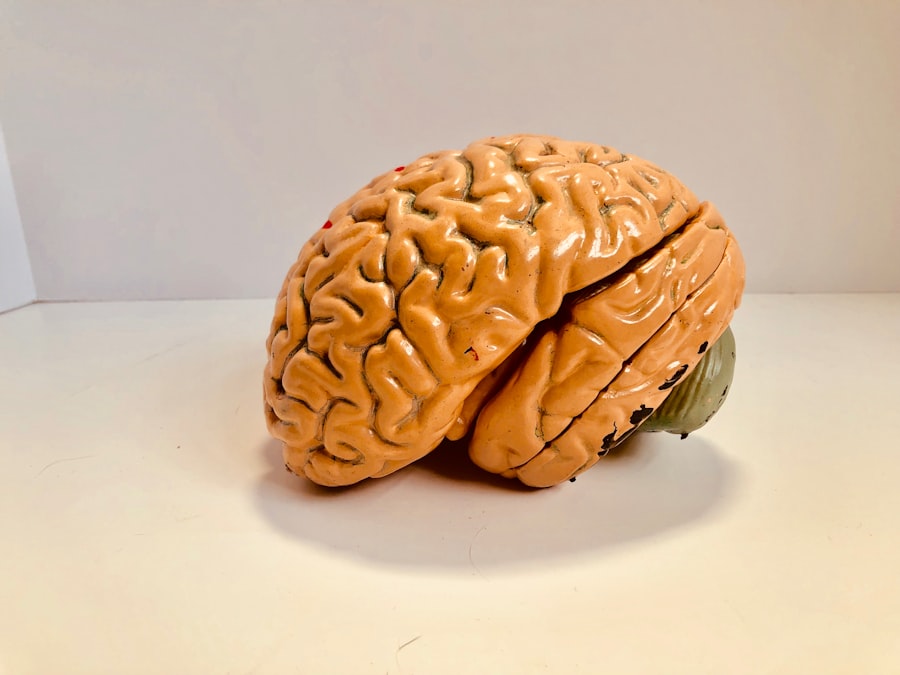
The ability to focus is inextricably linked to intention. If you cannot direct and sustain your attention, your intentions will likely falter. Your brain is bombarded with stimuli, both internal and external, and the capacity to filter these and prioritize relevant information is a critical component of cognitive function.
The Role of the Attention Network
Your brain utilizes a sophisticated network of regions to manage attention. This network isn’t a single entity but rather a dynamic system that shifts and adapts according to the demands of the environment.
The Dorsal Attention Network: Directing Your Gaze
This network, involving the parietal and frontal lobes, is responsible for top-down attentional control. It allows you to voluntarily direct your attention towards a specific goal or stimulus.
- Goal-directed attention: This is when you consciously decide to focus on something, like reading this text.
- Inhibitory control: It helps you suppress distractions and maintain focus on your intended target.
Disruptions in the dorsal attention network can manifest as difficulty in initiating tasks that require sustained mental effort, as you struggle to allocate your attentional resources effectively.
The Ventral Attention Network: Reacting to Salient Stimuli
This network, involving areas like the temporoparietal junction, is responsible for bottom-up attentional control. It’s what alerts you to novel or significant stimuli in your environment, often drawing your attention away from your current focus.
- Novelty detection: It’s the system that makes you look up when you hear a loud noise.
- Reorienting attention: It helps you disengage from a current task and shift your attention to something more important or unexpected.
While essential for survival, an overactive ventral attention network can lead to constant distractibility, making it difficult to return to your intended task once your attention has been diverted. You might find yourself pulled in multiple directions, unable to maintain a singular focus.
The Neurological Underpinnings of Impulsivity and Task Switching

When intention deficit and focus issues are present, they often co-occur with challenges in impulse control and a tendency to switch between tasks without finishing them. These are not separate phenomena but rather interconnected aspects of executive dysfunction.
The Impact of the Basal Ganglia
The basal ganglia, a group of subcortical nuclei, play a crucial role in motor control, habit formation, and reward-based learning. They also influence cognitive processes such as planning, decision-making, and impulse control. The interplay between the basal ganglia and the PFC is vital for effective task initiation and completion.
- Inhibition of unwanted actions: The basal ganglia help to inhibit impulsive behaviors and unwanted responses, allowing for more deliberate and goal-directed actions.
- Action selection: They contribute to selecting the most appropriate action from a range of possibilities.
When the basal ganglia are not functioning optimally, you might find yourself acting on impulse without fully considering the consequences, or struggling to inhibit premature task switching, leading to a fragmentation of your efforts.
The Role of the Amygdala in Emotional Dysregulation
The amygdala, a key structure in the limbic system, is involved in processing emotions, particularly fear and threat. Its interaction with the PFC is crucial for emotional regulation, which in turn impacts your ability to initiate and sustain tasks.
- Emotional reactivity: An overactive amygdala can lead to heightened emotional reactivity, making it difficult to maintain focus when experiencing distress or anxiety. These emotions can hijack your cognitive resources, pulling your attention away from your intended task.
- Threat detection bias: In some cases, the amygdala may contribute to a bias towards detecting potential threats, leading to rumination and avoidance behaviors that hinder task initiation.
If your amygdala is overly sensitive or its signals are not effectively modulated by the PFC, you might find yourself easily overwhelmed by anxious thoughts or feelings, making it incredibly difficult to simply start something, let alone finish it.
Recent studies in the neurobiology of intention deficit and focus have shed light on how our brain processes attention and motivation. For those interested in exploring this topic further, a related article can be found at Productive Patty, which discusses strategies to enhance focus and overcome attention deficits. Understanding the underlying mechanisms can help individuals develop better habits and improve their productivity in daily tasks.
Bridging the Gap: Practical Considerations and Neurobiological Insights
| Metrics | Findings |
|---|---|
| Neurotransmitters | Low levels of dopamine and norepinephrine are associated with intention deficit and lack of focus. |
| Brain Regions | Reduced activity in the prefrontal cortex and anterior cingulate cortex is linked to difficulties in maintaining attention and intention. |
| Neuroplasticity | Impaired neuroplasticity in the brain may contribute to the inability to sustain focus and intention over time. |
| Genetic Factors | Certain genetic variations have been identified as potential contributors to intention deficit and focus issues. |
Understanding the neurobiological underpinnings of intention deficit and focus isn’t about assigning blame; it’s about gaining insight into the complex mechanisms at play within your brain. This knowledge can inform more effective strategies for managing these challenges.
The Importance of Executive Functions
Your executive functions are the overarching cognitive skills that enable you to manage yourself and your resources to achieve goals. They are the bridge between intention and action. Deficits in intention and focus are often, at their core, deficits in executive function.
- Planning and organization: The ability to break down tasks, create schedules, and organize your environment is crucial.
- Time management: Accurately estimating time and allocating it effectively is a key executive function.
- Task initiation: The ability to simply begin a task without undue delay is the starting point.
- Working memory: Holding and manipulating information is essential for staying on track.
- Inhibition: Resisting distractions and impulsive behaviors is critical.
- Emotional self-regulation: Managing your emotional state to support cognitive performance.
When you understand that these are skills that can be honed, albeit with varying degrees of difficulty depending on your individual neurobiology, you can begin to approach these challenges with a more proactive and less self-critical mindset.
Environmental and Lifestyle Factors
While neurobiology dictates the underlying architecture, your environment and lifestyle choices can significantly influence its expression.
- Sleep hygiene: Chronic sleep deprivation severely impairs PFC function, impacting attention and intention. Ensuring adequate, quality sleep is paramount.
- Nutrition and hydration: Your brain requires specific nutrients to function optimally. Dehydration can also impair cognitive performance. Pay attention to what you’re fueling your body and brain with.
- Stress management: Chronic stress can dysregulate neurotransmitter systems and impair executive functions. Implementing stress-reduction techniques is vital.
- Minimizing distractions: Consciously creating an environment that minimizes external distractions can significantly improve your ability to focus. This might involve turning off notifications, finding a quiet workspace, or setting specific times for focused work.
- Structured routines: Establishing predictable routines can reduce the cognitive load associated with decision-making and task initiation, making it easier to engage with intended activities.
By actively addressing these modifiable factors, you can create a more supportive internal and external environment for your brain to operate more effectively. The journey of unraveling the neurobiology of intention deficit and focus is an ongoing one, not just for researchers, but for you as you navigate your own cognitive landscape. Understanding these complex neural underpinnings, while not offering a magic bullet, provides the foundation for informed self-management and a more nuanced approach to achieving your goals.
FAQs
What is intention deficit and focus?
Intention deficit and focus refer to the difficulty in maintaining attention and concentration on a specific task or goal. It can manifest as an inability to stay focused, easily getting distracted, and struggling to follow through with intentions or plans.
What is the neurobiology behind intention deficit and focus?
The neurobiology of intention deficit and focus involves the functioning of various brain regions and neurotransmitter systems. Research suggests that differences in the prefrontal cortex, dopamine levels, and the brain’s reward system may contribute to difficulties in maintaining intention and focus.
What are the potential causes of intention deficit and focus issues?
Potential causes of intention deficit and focus issues include genetic factors, environmental influences, brain injury, neurodevelopmental disorders such as ADHD, stress, and sleep disturbances. These factors can impact the brain’s ability to regulate attention and focus.
How is intention deficit and focus typically diagnosed?
Intention deficit and focus issues are typically diagnosed through a comprehensive assessment that includes a thorough medical history, evaluation of symptoms, and may involve psychological testing. Healthcare professionals may use criteria from the Diagnostic and Statistical Manual of Mental Disorders (DSM-5) to make a diagnosis.
What are the treatment options for intention deficit and focus issues?
Treatment options for intention deficit and focus issues may include behavioral therapy, cognitive-behavioral therapy, medication (such as stimulants or non-stimulants), lifestyle modifications, and accommodations in educational or work settings. The specific treatment approach may vary based on individual needs and the underlying causes of the issues.