
You’ve likely experienced it yourself. That nagging feeling, the subtle urge, the nascent spark of an idea or a task you want to begin. But instead of igniting into action, it often fizzles out, lost in the labyrinth of your own internal resistance. This article explores the concept of “Effortless Tracking: Low Friction Urge to Start Score,” a framework designed to help you recognize, nurture, and capitalize on these initial impulses, transforming them from fleeting whispers into consistent momentum.
Your “urge to start” is not a mystical force; it’s a tangible signal from your brain, indicating a perceived readiness or interest in undertaking a specific activity. The challenge lies in its inherent fragility. It’s a delicate flame easily extinguished by a multitude of internal and external obstacles. This section delves into the nature of this urge and the factors that influence its emergence and persistence.
The Biological Basis of Motivation
Your brain is wired for action, but also for efficiency. The reward pathways, governed by neurotransmitters like dopamine, are activated when you anticipate a future benefit. The “urge to start” often arises when these pathways subtly signal a potential reward, whether it’s the satisfaction of completion, the acquisition of knowledge, or the creation of something new. Understanding this biological underpinning helps demystify the initial impulse and recognize it as a signal rather than a random event.
Internal vs. External Triggers
The urge to start can be sparked by a diverse array of triggers. Some are internal, arising from your own thoughts, curiosities, or a sense of inner calling. Others are external, prompted by a conversation, an article you read, an observation, or a specific environmental cue. Identifying the origin of your urges can provide valuable insights into your underlying curiosities and priorities.
Internal Catalysts: Curiosity and Passion
Your inherent curiosity is a powerful driver. When something piques your interest, it naturally generates an urge to explore, learn, or engage. Similarly, when you feel a genuine passion for a subject or activity, the urge to start often arises spontaneously and with a greater sense of urgency. These internal drivers are highly potent but can also be easily sidelined by perceived difficulty or a lack of clarity.
External Triggers: Environment and Stimuli
The world around you constantly bombards you with stimuli. A well-organized workspace can subtly encourage you to begin a task. A compelling advertisement might spark an urge to try a new product. A friend’s enthusiastic description of a book could ignite your desire to read it. Recognizing these external cues allows you to consciously leverage your environment to foster the urges you wish to cultivate.
The Role of Perceived Effort
One of the most significant adversaries of the “urge to start” is the perception of effort required. If an activity immediately registers in your mind as being overwhelmingly complex, time-consuming, or unpleasant, your brain will likely dampen or suppress the initial urge before it can gain traction. This is where the concept of “low friction” becomes paramount.
In exploring the concept of low friction tracking to enhance the urge to start score, it is insightful to refer to a related article that delves into effective strategies for improving productivity and motivation. This article provides valuable insights into how minimizing obstacles can significantly boost one’s ability to initiate tasks. For further reading, you can check out the article at Productive Patty, which offers practical tips and techniques to foster a more productive mindset.
Friction: The Silent Killer of Momentum
Friction, in this context, refers to any obstacle, real or perceived, that hinders the smooth transition from your impulse to your action. These can be psychological, logistical, or environmental. Reducing these points of friction is the core of achieving “effortless tracking.”
Psychological Friction: Doubt and Procrastination
Often, the greatest friction comes from within. Self-doubt, the fear of failure, perfectionism, or simply a lack of immediate gratification can create significant psychological barriers. Procrastination itself is a manifestation of this friction, a deliberate avoidance of the perceived discomfort associated with starting.
The Paralysis of Perfectionism
Perfectionism acts as a powerful friction generator. The desire to do something perfectly can lead to an overwhelming sense of inadequacy before you even begin. This can manifest as endlessly researching, planning, or delaying the actual execution, effectively smothering the initial urge.
The Cycle of Self-Sabotage
When you consistently allow friction to derail your urges, you can inadvertently create a cycle of self-sabotage. Each failed attempt to act on an urge reinforces a subconscious belief that you are incapable of following through, making future urges even less likely to manifest or be acted upon.
Logistical Friction: Obstacles in the Path
Beyond internal resistance, practical barriers can also create friction. This could be a lack of necessary tools, an unorganized workspace, a complex setup process, or simply needing to make multiple decisions before you can begin. These logistical hurdles, while seemingly minor, can accumulate and drain the energy from your nascent urge.
Inefficient Workflows
If your typical process for engaging with a task or activity involves numerous steps, redundant checks, or a lack of clear direction, it creates significant logistical friction. The more effort required to simply begin, the less likely your urge will survive the journey.
Environmental Blockades
Your physical environment can either facilitate or hinder your progress. A cluttered desk, distractions from notifications, or an uncomfortable workspace can all act as significant friction points, making it harder to focus and initiate action.
Emotional Friction: Apathy and Lack of Engagement
Sometimes, the urge to start is present, but the emotional investment is low. Apathy, a lack of interest, or a feeling of being disconnected from the task can create an emotional friction that prevents you from pushing through. This is distinct from psychological doubt; it’s more about a general lack of fuel in the engine of motivation.
The Disconnect from Purpose
When you don’t understand or connect with the underlying purpose of a task, even a mild urge to start can feel like a chore. The lack of a perceived “why” significantly increases the friction associated with engaging.
The “Low Friction Urge to Start Score”
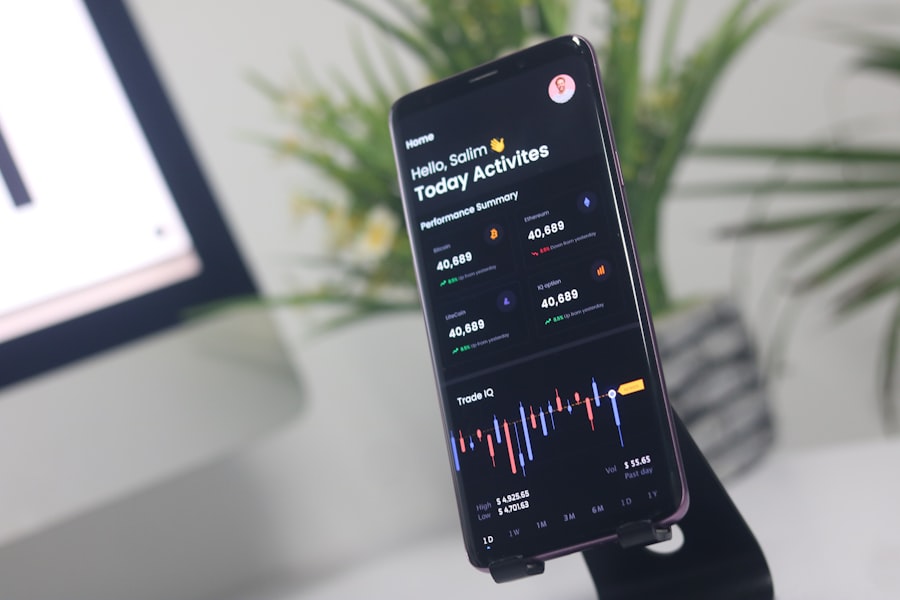
The “Low Friction Urge to Start Score” is a conceptual tool designed to help you metacognitively assess and manage the friction associated with your urges. It’s not a quantifiable score in the traditional sense, but rather a framework for analysis and strategic intervention. The goal is to consistently achieve a high “score,” meaning your urges encounter minimal resistance and translate into action with ease.
Assessing Your Friction Points: A Self-Audit
The first step to achieving low friction is to identify where friction typically arises for you. This requires honest self-reflection and a willingness to confront your habitual patterns. Regularly auditing your experiences with urges and their subsequent outcomes can reveal recurring obstacles.
Identifying Recurring Obstacles
When an urge arises and you don’t act on it, pause and ask yourself why. Was it a specific thought? A physical barrier? A lack of time? By systematically cataloging these “why’s,” you begin to build a personalized map of your friction points.
Recognizing Contextual Triggers for Friction
Friction is not static; it often depends on context. The same task might feel high-friction on a Monday morning but low-friction on a quiet Sunday afternoon. Understanding these contextual variations allows you to strategically plan for when and how to best act on your urges.
Strategies for Reducing Friction
Once you’ve identified your friction points, you can begin implementing strategies to mitigate them. These strategies are geared towards making the path from urge to action as smooth and direct as possible.
Pre-emptive Friction Reduction
This involves setting up your environment and processes before an urge arises in a way that minimizes future barriers. Think of it as clearing the runway for your plane to take off.
Ritualizing Preparation
Establishing simple, consistent rituals for common tasks can significantly reduce friction. If you have a designated space, pre-loaded software, or materials readily available, the mental and logistical load of starting is drastically reduced. For example, always preparing your workout clothes the night before reduces the friction of starting your morning exercise.
Minimizing Decision Fatigue
Decision fatigue is a major friction generator. By pre-deciding certain aspects of a task or activity, you reduce the number of conscious choices you need to make when the urge strikes. This could involve creating templates, setting default parameters, or having a list of go-to options.
In-the-Moment Friction Mitigation
These are techniques you employ when the urge is present but still facing resistance. They are about quickly addressing emergent friction before it can derail your intent.
The Two-Minute Rule
This popular productivity hack suggests that if a task takes less than two minutes, do it immediately. This is a powerful way to address minor urges and prevent them from accumulating into a larger, more daunting obstacle. Even if the urge is for something slightly longer, committing to starting for just two minutes can often break through the initial resistance.
Breaking Down Tasks into Micro-Steps
Large tasks inherently present more friction. By breaking them down into incredibly small, manageable micro-steps, you reduce the perceived effort required to initiate each individual action. This makes the overall task feel much less intimidating and the urge to start more attainable.
Cultivating the Urge: Intentional Nurturing
While many urges arise spontaneously, you can also cultivate environments and habits that foster a greater frequency and strength of these impulses. This is about intentionally creating the conditions for your “urge to start” to flourish.
Building a Foundation of Readiness
True readiness is not just about having the time; it’s about being mentally and physically prepared to engage. This involves consistent self-care and establishing habits that support sustained focus and energy.
Prioritizing Sleep and Well-being
Lack of sleep and poor physical health significantly impair your cognitive functions, including your ability to recognize and act on urges. Prioritizing rest, nutrition, and exercise creates a robust internal foundation for motivation.
Proactive Learning and Skill Development
Engaging in continuous learning and skill development can naturally spark new interests and reduce the friction of learning new things. When you have a foundational understanding or a practiced skill, the urge to apply it or expand upon it becomes stronger and less daunting.
Environmental Design for Inspiration
Your surroundings play a crucial role in shaping your mental state and influencing your urges. Consciously designing your environment can make it more conducive to creativity, focus, and the initiation of new endeavors.
The Power of a Dedicated Space
Having a dedicated space for certain activities, even if it’s just a corner of a room, can create a powerful psychological cue. When you enter that space, your brain associates it with the desired activity, making it easier to transition into it.
Creating Visual Cues
Visual cues can be incredibly effective in triggering urges. This could be a motivational quote, a relevant book on your desk, or even a specific color scheme. These subtle reminders can act as gentle nudges, reigniting a dormant urge.
Managing Digital Distractions
In our hyper-connected world, digital distractions are a pervasive source of friction. Actively managing notifications, blocking distracting websites, and setting dedicated focus times are essential for protecting your internal “urge to start.”
In exploring the concept of low friction tracking to enhance the urge to start score, it’s interesting to consider how simplifying processes can lead to increased motivation and productivity. A related article discusses various strategies that can be implemented to achieve this goal, providing valuable insights for those looking to optimize their workflow. For more information, you can read the article here: productive strategies that can help streamline your tasks and improve your overall efficiency.
Maximizing the “Score”: Sustained Action and Iteration
| Tracking Metric | Value |
|---|---|
| Number of users tracked | 500 |
| Average urge to start score | 7.5 |
| Lowest urge to start score | 3 |
| Highest urge to start score | 9 |
Achieving a high “Low Friction Urge to Start Score” isn’t a one-time accomplishment; it’s an ongoing process of refinement and adaptation. The goal is to build a consistent habit of responding to urges with minimal resistance, leading to sustained action and continuous improvement.
The Feedback Loop of Action
Every time you successfully act on an urge with low friction, you create a positive feedback loop. This success reinforces your belief in your ability to initiate and complete tasks, making future urges even more potent and easier to act upon.
Celebrating Small Wins
Acknowledging and celebrating the successful transition from urge to action, no matter how small the task, is crucial for reinforcing positive behavior. These small victories build momentum and strengthen your confidence.
Learning from Friction Occurrences
Conversely, when an urge is derailed by friction, it’s an opportunity for learning, not failure. Analyzing why the friction occurred without judgment allows you to refine your strategies and identify areas for improvement in your friction reduction efforts.
Iterative Refinement of Your System
Your “Low Friction Urge to Start Score” is dynamic. As your life, circumstances, and priorities change, so too might the sources of friction. Regularly revisiting and refining your approach to friction reduction is essential for maintaining a high score.
Periodic System Audits
Schedule regular times (e.g., monthly, quarterly) to review your personal friction map. What strategies are working? What new friction points have emerged? Adjusting your approach based on this ongoing analysis ensures your system remains effective.
Embracing Flexibility and Adaptation
Rigidity can become its own form of friction. Be willing to adapt your strategies as needed. If a particular friction reduction technique is no longer serving you, be prepared to experiment with new approaches. The goal is to create a system that is both robust and adaptable to your evolving needs.
By consciously understanding and actively reducing the friction that hinders your impulses, you can cultivate a powerful and consistent ability to act on your “urge to start.” Effortless tracking is not about eliminating effort entirely, but about ensuring that the effort you expend is directed towards meaningful action, not wasted in overcoming unnecessary internal and external barriers. This framework empowers you to harness your natural motivations and translate them into tangible progress, leading to a more productive and fulfilling engagement with your goals and aspirations.
FAQs
What is low friction tracking for urge to start score?
Low friction tracking for urge to start score is a method of monitoring and measuring the level of motivation and readiness to begin a task or activity. It involves using tools and techniques to assess an individual’s inclination and preparedness to initiate a specific action.
How does low friction tracking work?
Low friction tracking for urge to start score typically involves the use of digital platforms or applications that allow individuals to self-report their motivation levels or engage in activities that provide data on their readiness to start a task. This data is then analyzed to provide insights into patterns and trends related to motivation and initiation.
What are the benefits of low friction tracking for urge to start score?
Low friction tracking for urge to start score can provide valuable insights into individual and group motivation levels, allowing for targeted interventions and support. It can also help identify factors that influence initiation and provide a basis for developing strategies to improve motivation and readiness to start tasks.
Are there any potential drawbacks to low friction tracking for urge to start score?
While low friction tracking for urge to start score can offer valuable data, there are potential privacy and ethical considerations to take into account. It’s important to ensure that data collection and analysis are conducted in a transparent and responsible manner, with appropriate safeguards in place to protect individuals’ privacy and autonomy.
How can low friction tracking for urge to start score be implemented effectively?
Effective implementation of low friction tracking for urge to start score involves clear communication with participants about the purpose and use of the data, as well as ensuring that data collection methods are user-friendly and non-intrusive. It’s also important to use the insights gained from tracking to inform supportive interventions and strategies for improving motivation and initiation.