
You’ve likely heard the buzz about vinegar and lemon for health benefits, and when it comes to managing post-meal blood sugar spikes, they’re more than just culinary ingredients. You can integrate these readily available pantry staples into your routine to potentially help mitigate those sharp rises in glucose that can impact your energy levels, long-term health, and overall well-being. This article will explore the science behind how these natural allies work and provide practical, actionable ways for you to incorporate them into your daily life.
Before diving into how vinegar and lemon can help, it’s crucial to understand what a glucose spike is and why it matters. When you consume carbohydrates, your digestive system breaks them down into glucose, which then enters your bloodstream. This rise in blood glucose signals your pancreas to release insulin, a hormone that helps your cells absorb glucose for energy or storage.
The Normal Glucose Response
In a healthy individual, this process is efficient and well-regulated. After a meal, blood glucose levels rise moderately and then gradually return to baseline within a couple of hours. This is a normal physiological response aimed at providing your body with the energy it needs.
What Constitutes a “Spike”?
A glucose spike, often referred to as postprandial hyperglycemia, is characterized by an unusually rapid and significant increase in blood glucose levels after eating. While some rise is expected, excessively high peaks can put a strain on your body over time. The magnitude and duration of this elevation vary depending on the type and amount of carbohydrates consumed, as well as individual metabolic health.
Why Are Glucose Spikes a Concern?
Frequent or pronounced glucose spikes can have several implications:
- Energy Fluctuations: A sharp rise in glucose is often followed by a subsequent sharp drop, leading to feelings of fatigue, brain fog, and cravings for more sugary foods. This roller-coaster effect can impact your productivity and mood throughout the day.
- Insulin Resistance: Chronically high glucose levels can contribute to insulin resistance, a condition where your cells become less responsive to insulin. This forces your pancreas to produce more insulin, which can eventually lead to type 2 diabetes.
- Long-Term Health Risks: Persistent hyperglycemia is a known risk factor for a variety of chronic diseases, including cardiovascular disease, kidney damage, nerve damage, and eye problems.
Identifying Glucose Spikes: Beyond Symptoms
While symptoms like fatigue and cravings are indicators, understanding your personal glucose response often requires more objective measures. If you’re concerned about your blood sugar, you might consider:
- Continuous Glucose Monitors (CGMs): These devices provide real-time data on your glucose levels, allowing you to see how different foods and lifestyle choices affect you.
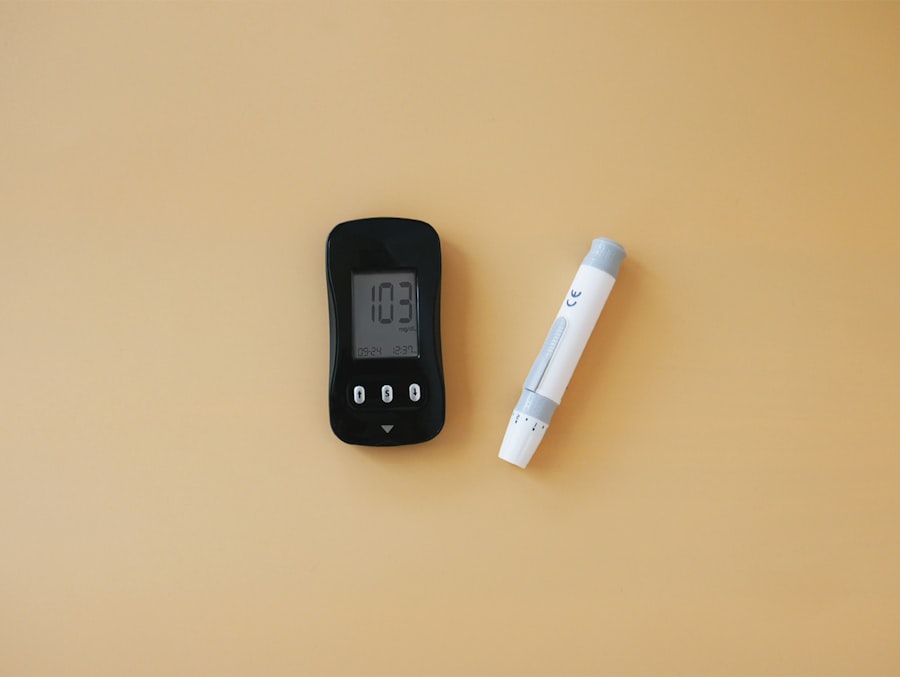
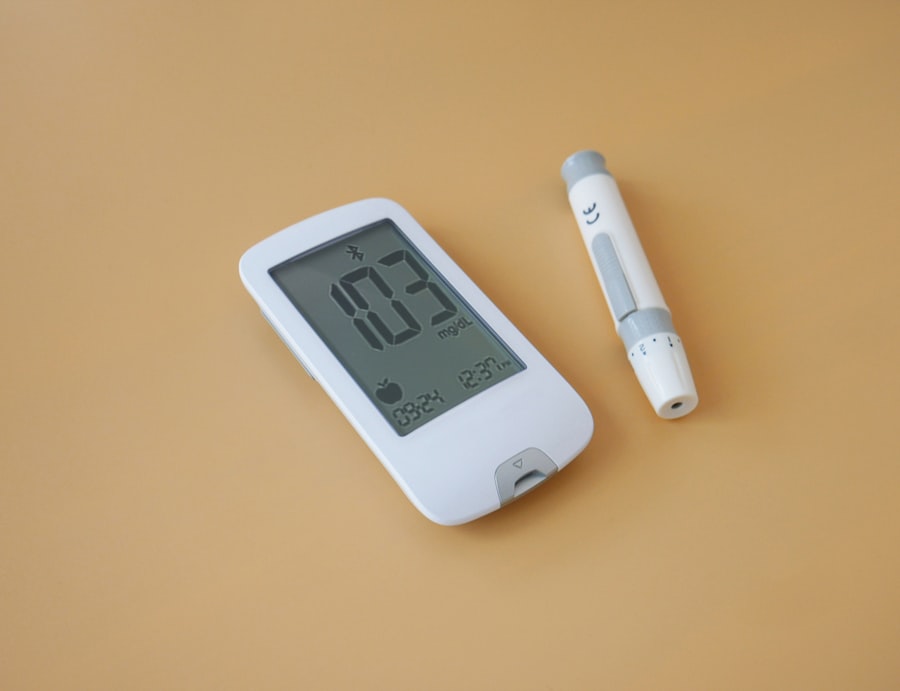
- Blood Glucose Meters: Used for occasional fingerstick checks, these can provide snapshots of your glucose levels at specific times.
- Consulting a Healthcare Professional: Discussing your concerns with your doctor is essential for personalized advice and potential diagnostic testing.
Recent studies have highlighted the potential benefits of using vinegar and lemon to help prevent glucose spikes after meals. For those interested in exploring this topic further, a related article discusses various natural remedies and their effects on blood sugar levels. You can read more about it in this informative piece found at Productive Patty.
The Science Behind Vinegar’s Impact
Vinegar, particularly apple cider vinegar (ACV), has gained significant attention for its potential to influence glucose metabolism. The primary active component often credited with these effects is acetic acid, the main organic acid in vinegar.
Acetic Acid: The Key Player
Acetic acid is produced when various fermentable substances are converted into ethanol and then into acetic acid by acetic acid bacteria. In the context of your body, acetic acid appears to engage with your digestive and cellular processes in ways that can help moderate glucose absorption and utilization.
Mechanisms of Action
- Slowing Gastric Emptying: One proposed mechanism is that acetic acid can slow down the rate at which your stomach empties its contents into your small intestine. This means that the carbohydrates from your meal are released more gradually, leading to a slower and steadier influx of glucose into your bloodstream.
- How it might work: Acetic acid may influence the signals that tell your stomach to release food, or it might interact with the physical contents of your stomach to create a thicker mixture that takes longer to process.
- Enhancing Insulin Sensitivity: Research suggests that acetic acid may improve your body’s sensitivity to insulin. This means that the insulin your pancreas produces can work more effectively to help your cells take up glucose from your blood.
- Cellular mechanisms: While the exact cellular pathways are still being investigated, some studies point to acetic acid influencing glucose transporter activity and signaling pathways involved in insulin action.
- Inhibiting Carbohydrate Digestion: Another potential mechanism involves the inhibition of certain enzymes involved in carbohydrate digestion. Specifically, acetic acid might interfere with the activity of amylase, an enzyme that breaks down complex carbohydrates into simpler sugars.
- Enzyme interaction: By reducing the efficiency of amylase, fewer simple sugars are produced from your meal, thereby lowering the overall glucose load absorbed into your bloodstream.
- Altering Glucose Uptake: Some evidence indicates that acetic acid might also influence how your muscles and liver take up glucose. This could mean that more glucose is directed to your tissues for immediate energy use, rather than lingering in your bloodstream.
Research and Evidence
Numerous studies, ranging from animal models to human trials, have explored the effects of vinegar consumption on blood glucose. While results can vary, many have shown a statistically significant reduction in postprandial glucose and insulin responses after consuming meals alongside vinegar. It’s important to note that these studies often use specific dosages and durations, and individual responses can differ.
Lemon’s Contribution to Blood Sugar Management
Lemon, with its characteristic tartness, offers its own set of benefits that can complement vinegar’s effects on glucose levels. While perhaps less directly studied for its glucose-lowering impact than vinegar, lemon’s properties contribute to overall metabolic health and can indirectly support blood sugar stability.
Citric Acid and Flavonoids
The primary active compounds in lemon juice include citric acid and a range of flavonoids, such as hesperidin and naringenin. These compounds possess antioxidant and anti-inflammatory properties that play a role in various bodily functions.
Potential Mechanisms
- Antioxidant and Anti-inflammatory Effects: Chronic inflammation and oxidative stress are implicated in the development of insulin resistance and type 2 diabetes. The antioxidants in lemon can help combat these damaging processes, supporting the overall health of your cells and improving metabolic function.
- Combating free radicals: By neutralizing free radicals, these compounds protect cells from damage, including the cells in your pancreas that produce insulin.
- Influence on Digestion: While less pronounced than vinegar’s effect on gastric emptying, the acidity of lemon juice can also contribute to a slightly slower digestive process. This, in turn, helps to moderate the rate at which glucose enters your bloodstream.
- Acidity’s role: The initial acidity of lemon can have a mild impact on the initial stages of digestion in the stomach.
- Hydration and Nutrient Absorption: Lemons are primarily water, and staying adequately hydrated is essential for optimal bodily functions, including glucose regulation. Furthermore, the vitamin C content in lemons can play a role in supporting various metabolic processes.
- Water’s importance: Proper hydration ensures that nutrients are transported efficiently and that waste products are removed effectively from your body.
- Palatability and Meal Choices: The tartness of lemon can make healthy, water-rich foods more appealing. It can also be used to reduce the need for added sugar in drinks and recipes, indirectly contributing to a lower overall sugar intake.
- Flavor enhancement: Using lemon to enhance the flavor of water or unsweetened beverages can be a positive step away from sugary drinks.
Synergy with Vinegar
When combined, vinegar and lemon can offer a more comprehensive approach. The acidity of both can contribute to a slower digestive process, while the acetic acid in vinegar provides more direct support for insulin sensitivity and glucose absorption. The antioxidant properties of lemon can also contribute to a healthier metabolic environment overall.
Practical Ways to Incorporate Vinegar and Lemon
Integrating vinegar and lemon into your diet doesn’t require drastic changes. You can adopt simple, consistent habits that leverage their benefits without sacrificing enjoyment of your meals.
Before Meals: The Strategic Sip
The most impactful time to consume vinegar, and potentially lemon, for glucose management is often before or with your meals.
- Diluted Vinegar Drink: The classic approach is to dilute apple cider vinegar in water.
- The Standard Ratio: A common starting point is 1-2 tablespoons of ACV mixed with 4-8 ounces of water.
- Timing: Consume this mixture about 15-30 minutes before your meal. This allows the acetic acid to begin its work on gastric emptying and insulin sensitivity before the glucose from your food reaches your bloodstream.
- Taste Adjustment: You can adjust the amount of water to suit your taste. If the strong taste is challenging, start with less vinegar and gradually increase.
- Lemon Water: Similarly, a glass of lemon water can be a refreshing and grounding start to your meal.
- Preparation: Squeeze the juice of half a lemon into a glass of water.
- Timing: This can be consumed just before your meal or with your meal.
- Combined Approach: For a synergistic effect, you can combine both. A diluted ACV drink with a squeeze of lemon can be a potent pre-meal tonic.
- Example: 1 tablespoon ACV + juice of half a lemon + 8 ounces of water.
During Meals: Adding Flavor and Function
You can also incorporate vinegar and lemon directly into your meals, adding both taste and potential health benefits.
- Salad Dressings: This is an easy and delicious way to use both.
- Homemade Vinaigrettes: Whisk together olive oil, vinegar (apple cider, red wine, balsamic), lemon juice, herbs, and spices. This allows you to control the ingredients and avoid added sugars often found in commercial dressings.
- Direct Application: Drizzle a bit of plain vinegar or lemon juice over your salad for an extra zing.
- Marinades: Vinegar and lemon juice are excellent tenderizers and flavor enhancers for meats, poultry, and fish.
- Acidity’s Role: The acids help to break down tough muscle fibers, leading to a more tender result, while also infusing flavor.
- Benefits: This can reduce the need for high-sugar marinades.
- Vegetable Preparation:
- Steaming or Roasting: A splash of lemon juice or vinegar after steaming or roasting vegetables can brighten their flavor.
- Pickling (Quick Methods): While not true fermentation, thinly sliced vegetables like onions or cucumbers can be briefly pickled in vinegar and water with some herbs for a quick, tangy side.
- Soups and Stews: A squeeze of lemon juice at the end of cooking can add a fresh, vibrant note to savory dishes. A tablespoon of vinegar can also add depth of flavor to broths and stews.
Post-Meal Considerations: A Milder Approach
While the pre-meal strategy is often highlighted, some individuals find benefit from a smaller intake after meals, particularly if they’ve experienced a significant spike.
- Soothing Herbal Teas with Lemon: A warm herbal tea with a squeeze of lemon can be a comforting and hydrating post-meal beverage. While not directly glucose-lowering, it can encourage mindful hydration and may offer some mild digestive benefits.
- Diluted Vinegar (Cautiously): If you’re experimenting with post-meal vinegar, a very small amount (e.g., 1 teaspoon of ACV in a small glass of water) might be considered, but always observe your body’s response.
Recent studies have highlighted the potential benefits of using vinegar and lemon to help manage glucose spikes after meals. These natural ingredients may enhance insulin sensitivity and slow down carbohydrate absorption, making them valuable additions to a balanced diet. For those interested in exploring more about how these simple kitchen staples can contribute to better blood sugar control, you can read a related article on this topic at Productive Patty. Incorporating vinegar and lemon into your meals could be a delicious way to support your health.
Important Considerations and Best Practices
| Study | Findings |
|---|---|
| Research 1 | Vinegar consumption before meals reduces postprandial glucose levels. |
| Research 2 | Lemon juice consumption may help lower the glycemic index of a meal. |
| Study 3 | Combining vinegar and lemon in a meal may have a synergistic effect on glucose control. |
While vinegar and lemon offer promising natural avenues for managing glucose spikes, it’s vital to approach their use with awareness and caution. They are not a substitute for medical advice or treatment, and understanding their limitations is key.
Dilution is Key
- Protecting Tooth Enamel: The acidity of both vinegar and lemon juice can erode tooth enamel over time. Always dilute them in water and consider drinking them through a straw. Rinse your mouth with plain water afterward to further minimize contact with your teeth.
- Preventing Digestive Upset: Concentrated vinegar can be harsh on the stomach lining and may cause heartburn or indigestion in some individuals. Dilution helps to mitigate these potential side effects.
Start Slowly and Observe
- Individual Variability: Everyone’s body responds differently. What works for one person may not have the same effect on another. Begin with small amounts and observe how your body reacts.
- Listen to Your Body: Pay attention to any discomfort, digestive issues, or other unusual symptoms. If you experience adverse reactions, discontinue use or adjust the amount and frequency.
Choosing the Right Vinegar
- Apple Cider Vinegar (ACV): This is the most commonly recommended vinegar due to its perceived health benefits and the presence of the “mother” (a colony of beneficial bacteria and enzymes), though the “mother” itself isn’t directly the source of glucose-lowering effects.
- Unfiltered and Unpasteurized: Opt for raw, unfiltered, and unpasteurized ACV for the most natural product.
- Other Vinegars: While white vinegar and red wine vinegar also contain acetic acid, ACV is generally preferred in health contexts.
Lemon Juice Quality
- Fresh is Best: Freshly squeezed lemon juice will contain the most beneficial compounds. Bottled lemon juice may have additives or have undergone processing that reduces its nutrient content.
Not a Magic Bullet
- Holistic Approach: Vinegar and lemon are best viewed as supportive tools within a larger healthy lifestyle. They are not a replacement for a balanced diet, regular physical activity, adequate sleep, and stress management.
- Focus on Whole Foods: Prioritize whole, unprocessed carbohydrates, lean proteins, and healthy fats. The impact of vinegar and lemon will be most significant when consumed alongside a nutritious meal, not as a way to negate the effects of an unhealthy diet.
Potential Interactions and Contraindications
- Medications: If you are taking any medications, particularly those for diabetes or blood pressure, it is crucial to consult your doctor before significantly altering your diet or incorporating new supplements, including vinegar and lemon in higher quantities. There could be potential interactions.
- Digestive Issues: Individuals with pre-existing digestive conditions like ulcers or acid reflux should exercise caution and consult their healthcare provider before consuming vinegar regularly.
- Potassium Levels: In very high doses, ACV might theoretically affect potassium levels. If you have kidney issues or are concerned about your potassium, discuss this with your doctor.
When to Seek Professional Advice
While you can experiment with vinegar and lemon at home, there are instances where professional guidance is indispensable.
Diagnosis and Management of Diabetes
- If you have been diagnosed with prediabetes or type 2 diabetes, it is absolutely critical to work with your healthcare team. They can provide personalized treatment plans, monitor your glucose levels, and advise you on the safest and most effective strategies for managing your condition.
- Don’t self-treat: Relying solely on natural remedies like vinegar and lemon without medical supervision can be dangerous and may delay proper treatment.
Persistent or Unexplained Symptoms
- If you consistently experience symptoms of high or low blood sugar (e.g., excessive thirst, frequent urination, extreme fatigue, unexplained weight loss, blurred vision, frequent infections, slow-healing sores), consult a doctor. These symptoms warrant thorough medical investigation to rule out underlying conditions.
Considering Supplements
- Vinegar Capsules or Extracts: While this article focuses on using vinegar and lemon in their natural food forms, you may encounter supplements. If you are considering these, discuss them with your doctor. They may contain concentrated forms of acetic acid and could have different effects or interactions compared to diluted liquid vinegar.
Optimizing Your Overall Health
- Registered Dietitian or Nutritionist: A registered dietitian or nutritionist can help you create a comprehensive meal plan that considers your individual needs, preferences, and health goals, including how to best incorporate foods like vinegar and lemon for metabolic health.
- Personalized Guidance: They can help you understand how different foods affect your blood sugar and provide strategies for balanced eating that support stable glucose levels.
Understanding Your Personal Response
- Continuous Glucose Monitoring (CGM): If you are interested in truly understanding how specific foods, including vinegar and lemon, affect your blood sugar, using a CGM under the guidance of a healthcare professional can provide invaluable data. This allows for precise observation of your glucose fluctuations and informs more tailored dietary choices.
By understanding the science, implementing practical strategies, and maintaining a mindful approach, you can effectively leverage the natural properties of vinegar and lemon to support your journey toward more stable blood glucose levels. Remember, consistency and a holistic view of your health are your most powerful allies.
FAQs
1. What is the role of vinegar and lemon in preventing glucose spikes?
Vinegar and lemon are believed to help prevent glucose spikes by slowing down the digestion of carbohydrates and improving insulin sensitivity.
2. How should vinegar and lemon be consumed to help prevent glucose spikes?
One way to consume vinegar and lemon for glucose spike prevention is by adding them to salad dressings, marinades, or beverages. It is important to consult with a healthcare professional before making any significant changes to your diet.
3. Are there any potential risks or side effects associated with consuming vinegar and lemon for glucose spike prevention?
Consuming vinegar and lemon in moderation is generally considered safe for most people. However, excessive consumption of acidic foods like vinegar and lemon may lead to dental erosion or gastrointestinal discomfort.
4. Can vinegar and lemon be used as a substitute for medication in managing blood sugar levels?
Vinegar and lemon should not be used as a substitute for prescribed medication in managing blood sugar levels. It is important to follow the advice of a healthcare professional and continue any prescribed treatment.
5. Are there any scientific studies supporting the use of vinegar and lemon for glucose spike prevention?
Several studies have suggested that vinegar and lemon may have potential benefits for managing blood sugar levels. However, more research is needed to fully understand the effects and mechanisms of action of these natural remedies.