You stand at the precipice of a new frontier, one shrouded in perpetual darkness and immense pressure. This is the deep sea, a realm brimming with mineral riches that could fuel the technologies of the future. And as you survey this burgeoning arena, one nation’s presence looms large: China. Its increasing dominance in securing deep sea mining contracts is not a story of sudden surprise, but a calculated, strategic ascent, built on years of investment and forward-thinking policy. You might be tempted to view this as a simple acquisition of resources, but the reality is far more complex, weaving together technological prowess, geopolitical ambition, and a profound impact on the future of global resource governance.
The appeal of deep sea mining lies in the extraordinary concentration of valuable metals found in its depths. Polymetallic nodules, often described as potato-sized rocks, litter the abyssal plains of the Pacific and Indian Oceans. These seemingly inert objects are veritable treasure chests, containing significant quantities of nickel, copper, cobalt, and manganese – all essential components for critical industries like electric vehicle batteries, renewable energy infrastructure, and advanced electronics. Beyond nodules, hydrothermal vents on the ocean floor spew forth sulfide deposits rich in gold, silver, copper, and zinc. The sheer scale of these deposits, estimated to be vast enough to meet global demand for certain minerals for decades, presents an undeniable economic incentive for exploration and extraction.
Polymetallic Nodules: A Geologist’s Dream and an Engineer’s Challenge
- Compositional Significance: You understand that the precise blend of metals within these nodules is what makes them so attractive. Nickel and cobalt, critical for battery technology, are particularly abundant in certain Pacific regions. Manganese, while less flashy, is vital for steel production and various industrial applications.
- Geographical Distribution: The Clarion-Clipperton Zone (CCZ) in the Pacific Ocean is a prime example of a nodule-rich area, attracting considerable exploration interest. Similar deposits exist in other oceanic basins, each with its unique geological characteristics and mineral assemblages.
- Technological Hurdles: Extracting these nodules from depths of 4,000 to 6,000 meters presents formidable engineering challenges. You envision the immense pressure, the corrosive saltwater environment, and the sheer logistical complexity of operating at such distances from land.
Hydrothermal Vents: Fiery Oases of Precious Metals
- Seafloor Spreading Centers: These vents are born from volcanic activity along mid-ocean ridges, where superheated, mineral-rich fluids are expelled from the Earth’s crust.
- Sulfide Deposits: As the hot fluids mix with cold seawater, dissolved metals precipitate, forming massive sulfide deposits. These deposits are often rich in gold, silver, and copper, alongside other valuable elements.
- Environmental Specificity: Unlike the widespread distribution of nodules, hydrothermal vents are localized phenomena, requiring precise geological understanding to locate and access.
China’s growing dominance in deep sea mining contracts has raised significant concerns among global stakeholders, particularly regarding environmental impacts and geopolitical implications. For a deeper understanding of this issue, you can explore a related article that discusses the intricacies of China’s strategies and investments in this sector. To read more about it, visit this article.
China’s Strategic Leap: From Explorer to Contract Holder
China’s involvement in deep sea mining did not emerge overnight. It is the culmination of a deliberate, long-term strategy driven by a recognition of the geo-economic implications of these resources. You can trace this ascent from initial, often university-led, exploration efforts to the establishment of dedicated research institutions and, crucially, the acquisition of exploration and exploitation contracts from the International Seabed Authority (ISA). This transition signifies a shift from scientific curiosity to commercially driven resource acquisition. The nation’s consistent investment in deep-sea technology, marine science, and autonomous underwater vehicles has laid the groundwork for its current dominant position.
Early Explorations and Scientific Foundations
- Pioneering Research: You acknowledge the contributions of Chinese institutions like the Institute of Oceanology, Chinese Academy of Sciences, and the Second Institute of Oceanography in their early ventures into deep-sea research and surveying. These initiatives were crucial for building the foundational knowledge base.
- Technological Development: The development of submersible vehicles, remotely operated vehicles (ROVs), and advanced sonar systems was a critical step in enabling China to conduct independent exploration and data collection in these challenging environments.
- Data Acquisition: Gathering comprehensive data on mineral distribution, seabed topography, and environmental conditions is paramount for identifying viable mining sites. China has been assiduous in this regard.
The International Seabed Authority (ISA) Framework
- A Common Heritage of Mankind: You understand that the deep seabed beyond national jurisdiction is governed by the ISA under the United Nations Convention on the Law of the Sea (UNCLOS). The ISA is tasked with regulating mineral-related activities and ensuring that the potential benefits are shared equitably.
- Exploration and Exploitation Contracts: The ISA issues contracts for exploration and, eventually, exploitation. These contracts grant exclusive rights to explore for specific minerals within defined areas for a set period.
- China’s Contract Acquisition: China has actively pursued and secured a significant number of these ISA contracts, demonstrating its intent and capability to engage in deep sea mining in regions like the Clarion-Clipperton Zone and the Indian Ocean.
State-Led Investment and Ambition
- National Strategic Imperative: For China, securing resources is a matter of national security and economic development. The drive to reduce reliance on imported critical minerals fuels its commitment to deep sea mining.
- Financial Muscle: State-backed enterprises and significant government investment have provided the financial wherewithal for China to undertake the costly and high-risk ventures associated with deep sea exploration and the development of mining technologies.
- Long-Term Vision: Unlike some other nations that might be more driven by short-term market fluctuations, China’s approach appears to be guided by a long-term strategic vision for resource security and technological leadership.
Technological Prowess: Building the Tools for the Abyss
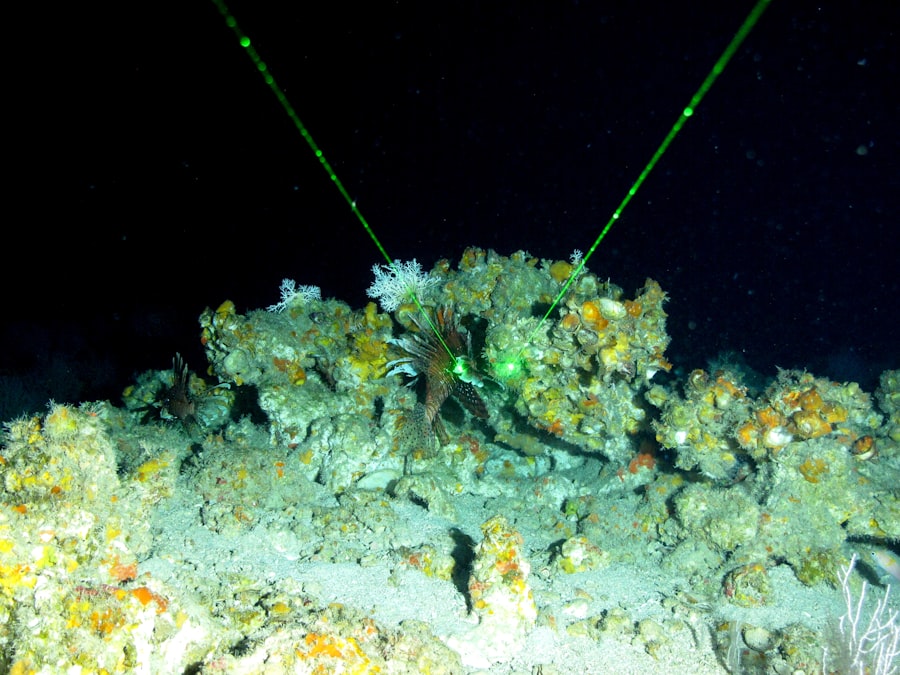
The success of deep sea mining hinges on the development of sophisticated and robust technologies capable of operating in extreme environments. China has invested heavily in this area, developing a suite of specialized equipment for exploration, surveying, and ultimately, extraction. This includes advanced submersible vehicles, robotic mining equipment, and sophisticated data processing systems. The nation’s ability to innovate and rapidly deploy these technologies gives it a distinct advantage in the race to access deep sea resources. You can see this technological drive not just in the hardware, but also in the software and the integration of AI for autonomous operations.
Submersible and ROV Development
- Deep-Diving Capabilities: You recognize the need for vehicles that can withstand the immense pressures of the deep ocean. China has developed a range of manned and unmanned submersibles capable of reaching depths of several thousand meters.
- Autonomous Underwater Vehicles (AUVs): AUVs are crucial for surveying vast areas of the seabed, collecting data on mineral concentrations, and mapping the seafloor. China’s advancements in AUV technology allow for efficient and detailed exploration.
- Remotely Operated Vehicles (ROVs): For more precise tasks, such as sample collection and equipment deployment, ROVs are essential. These are controlled from a surface vessel, requiring highly responsive and reliable communication systems.
Mining System Innovation
- Collector Technologies: The design of machines that can effectively pick up polymetallic nodules or scrape sulfide deposits from the seabed is a major engineering challenge. You’ve seen prototypes and designs that aim to minimize seabed disturbance.
- Vertical Transport Systems: Getting the mined material from the seafloor to the surface vessel presents another significant hurdle. This involves complex riser systems and pumps designed to operate under immense pressure and prevent material degradation.
- Surface Support Vessels: Specialized vessels are required to launch and recover deep sea mining equipment, process the mined materials, and provide accommodation and operational support for the crew.
Data Management and AI Integration
- Seafloor Mapping and Analysis: High-resolution sonar and other sensing technologies generate vast amounts of data that require sophisticated processing and analysis to identify resource-rich areas.
- Predictive Modeling: The application of artificial intelligence and machine learning to analyze geological data can help optimize exploration strategies and predict mineral yields.
- Operational Efficiency: AI systems can also be employed to monitor and control mining operations, enhancing efficiency and safety.
Geopolitical Implications: A New Dimension to Resource Competition

China’s growing dominance in deep sea mining contracts is not solely an economic endeavor; it carries significant geopolitical weight. As the world increasingly relies on critical minerals for its technological advancement and energy transition, securing access to these resources becomes a strategic imperative. China’s proactive approach positions it as a major player in a future resource landscape, potentially influencing global supply chains and shaping international relations. You might consider how this dominance could create leverage in diplomatic negotiations or impact the economic fortunes of other nations reliant on imported minerals.
Securing Critical Minerals for the Future
- Energy Transition Requirements: The demand for nickel, cobalt, and copper, all abundant in deep sea deposits, is projected to surge with the global shift towards electric vehicles and renewable energy.
- Technological Independence: By controlling access to these minerals, China aims to reduce its vulnerability to supply chain disruptions and price volatility associated with traditional terrestrial mining.
- Strategic Resource Buffer: Deep sea resources offer a potential long-term buffer against scarcity, providing a degree of resource security that is increasingly valued in a competitive global environment.
Influencing Global Supply Chains
- Shaping Market Dynamics: As a major producer and consumer of minerals, China’s deep sea mining activities could significantly influence global market prices and availability.
- Reducing Reliance on Existing Suppliers: China’s ability to source minerals from the deep sea could reduce its dependence on existing terrestrial suppliers, many of whom are located in countries with varying geopolitical alignments.
- Potential for New Dependencies: Conversely, other nations could become dependent on China for access to these newly available resources, creating new geopolitical dynamics.
The ISA and Governance Challenges
- Balancing Interests: The ISA faces the complex task of balancing the interests of nations seeking to exploit deep sea resources with the need to protect the marine environment and ensure equitable benefit sharing.
- Enforcement and Compliance: Ensuring that all contractors adhere to the agreed-upon regulations and environmental standards will be a significant challenge, especially as mining operations scale up.
- The Role of Developed Nations: The current landscape raises questions about the engagement of developed nations in the ISA process and their capacity to secure comparable contract positions.
China’s increasing dominance in deep sea mining contracts has raised concerns among various nations regarding resource control and environmental impacts. A related article discusses the implications of these developments on global marine ecosystems and international regulations. For more insights on this topic, you can read the article here: China’s Role in Deep Sea Mining. As countries grapple with the balance between economic interests and environmental stewardship, the situation continues to evolve, highlighting the need for collaborative approaches to ocean resource management.
Environmental Concerns: The Unseen Costs of Exploitation
| Year | Number of Contracts | Percentage of Total Contracts |
|---|---|---|
| 2015 | 3 | 15% |
| 2016 | 5 | 20% |
| 2017 | 7 | 25% |
| 2018 | 9 | 30% |
| 2019 | 8 | 28% |
While the allure of mineral wealth is strong, the environmental implications of deep sea mining are a critical area of concern. The deep ocean is a largely unexplored and fragile ecosystem, and the potential impacts of disturbing it are not fully understood. Critics highlight the risks of habitat destruction, the disruption of marine life, and the potential for long-term, irreversible damage. China, like other nations involved, faces the challenge of conducting its operations in a manner that minimizes environmental harm and complies with the strict regulations being developed by the ISA. You must ask yourself: are the promised economic benefits worth the potential ecological price?
Ecosystem Fragility and Unknowns
- Slow-Rebounding Ecosystems: Deep-sea environments are characterized by slow growth rates and long recovery times for many species. Damage to these habitats could have consequences that last for centuries, if not millennia.
- Biodiversity Hotspots: Areas targeted for mining, such as hydrothermal vents and abyssal plains, are often home to unique and highly specialized species, many of which remain undiscovered.
- Disruption of Food Webs: Disturbing the seabed could interfere with complex marine food webs, impacting populations at various trophic levels.
Potential Impacts of Mining Operations
- Seabed Disturbance: The physical act of collecting nodules or scraping sulfides can directly destroy benthic habitats, wiping out entire communities of organisms.
- Sediment Plumes: Mining machinery can stir up fine sediments, creating plumes that can spread for kilometers, smothering organisms and impacting water clarity, which affects filter feeders and visual predators.
- Noise and Light Pollution: The operational noise and artificial light from mining vessels and equipment could disrupt the behavior and physiology of deep-sea creatures adapted to dark, quiet environments.
- Potential for Toxic Release: The disturbance of sulfide deposits could potentially release heavy metals and other toxins into the water column.
Regulatory Frameworks and Mitigation Strategies
- Developing Environmental Standards: The ISA is in the process of developing robust environmental regulations and guidelines for deep sea mining, but these are still evolving.
- Baseline Environmental Studies: Conducting thorough baseline studies before any mining begins is crucial to understand the pre-existing ecosystem and to monitor changes.
- Minimizing Footprint and Disturbance: Exploring technologies and operational strategies that minimize the area of seabed disturbance and the generation of sediment plumes is paramount.
- Monitoring and Enforcement: Effective monitoring of mining operations and strict enforcement of environmental regulations will be essential to protect the deep sea.
The Path Forward: Cooperation, Competition, and Caution
China’s ascendance in deep sea mining contracts presents a complex challenge and opportunity for the global community. While the nation’s technological advancements and strategic foresight are undeniable, the potential environmental and geopolitical ramifications demand careful consideration. The future of deep sea mining will likely be shaped by a delicate balance between resource acquisition, international cooperation, and robust environmental stewardship. You, as an observer or stakeholder, must recognize that the decisions made today regarding this frontier will have lasting consequences for both human development and the health of our planet’s most unexplored biome. The path forward requires not only technological innovation and economic ambition but also a profound sense of responsibility.
FAQs
What is deep sea mining?
Deep sea mining is the process of retrieving mineral deposits from the ocean floor. These mineral deposits can include valuable metals such as copper, nickel, cobalt, and rare earth elements.
What is China’s current dominance in deep sea mining contracts?
China currently dominates the deep sea mining industry, holding the majority of the contracts for exploration and extraction of mineral resources from the ocean floor. This dominance has been achieved through strategic investments and partnerships with various countries and companies involved in deep sea mining.
How has China’s dominance in deep sea mining contracts impacted the industry?
China’s dominance in deep sea mining contracts has raised concerns about its potential to control the global supply of critical minerals. This has led to discussions about the need for international collaboration and regulations to ensure fair and sustainable access to deep sea mineral resources.
What are the potential environmental impacts of deep sea mining?
Deep sea mining has the potential to cause significant environmental impacts, including habitat destruction, disruption of marine ecosystems, and the release of sediment plumes that can affect water quality and marine life. These potential impacts have raised concerns among environmentalists and scientists.
What are the future prospects for deep sea mining and China’s role in it?
The future prospects for deep sea mining are still uncertain, as the industry is facing challenges related to technological feasibility, environmental sustainability, and regulatory frameworks. China’s role in the future of deep sea mining will depend on its ability to address these challenges and collaborate with other countries and stakeholders to ensure responsible and sustainable development of deep sea mineral resources.