You stand at the precipice of a new frontier, a realm as alien and vast as outer space yet lying beneath your very feet: the deep sea. For millennia, its secrets have remained locked away, its resources largely untouched. Now, however, the relentless human drive for materials—the demand fueled by your digital devices, your electric vehicles, your very way of life—is pushing you to explore and exploit these abyssal riches. The Pacific Ocean, with its immense depths and seemingly inexhaustible mineral deposits, has become the focal point of this emerging geoeconomic and geopolitical struggle. This is the geopolitics of deep sea mining in the Pacific.
The allure of polymetallic nodules, cobalt-rich crusts, and massive hydrothermal sulfides is potent. These seabed formations hold vast quantities of critical minerals like cobalt, nickel, copper, and manganese—elements vital to your decarbonization efforts and technological advancement. Yet, as you contemplate venturing into this frontier, you must recognize that this is not merely a technological or economic endeavor. It is a complex geopolitical chessboard, where national interests, legal frameworks, and environmental concerns collide, shaping the future of both the ocean and your global order.
You are drawn to the Pacific’s seabed by the promise of unparalleled wealth. These are not scattered, easily accessible deposits, but vast, concentrated areas of minerals formed over eons. Understanding what you are seeking is fundamental to grasping the geopolitical stakes.
Polymetallic Nodules: The Low-Hanging Fruit (Relatively Speaking)
Imagine vast plains at depths of 4,000 to 6,000 meters, carpeted with potato-sized concretions. These are polymetallic nodules, and they are particularly abundant in the Clarion-Clipperton Zone (CCZ), a large abyssal plain stretching across the central Pacific.
Composition and Significance
These nodules are remarkably rich in manganese, nickel, copper, and cobalt. The percentages might seem small to the uninitiated, but considering the sheer volume of these nodules, the total quantities of these strategic metals are staggering. For your burgeoning battery industry, the nickel and cobalt content are particularly attractive. These are metals that are increasingly subject to supply chain vulnerabilities, with much of the current terrestrial extraction concentrated in a few politically sensitive regions.
Abundance and Accessibility Concerns
While the CCZ is a mineralogical wonderland, its sheer scale presents challenges. You are not aiming to collect every single nodule. Instead, contractors are granted exploration licenses for defined areas, often hundreds of thousands of square kilometers. The initial focus is on identifying and delineating the richest deposits. Extraction, even with advanced technology, remains a significant logistical and engineering hurdle. The immense pressure, the darkness, and the remoteness of these locations demand groundbreaking innovation.
Cobalt-Rich Crusts: The Hardened Shells of Wealth
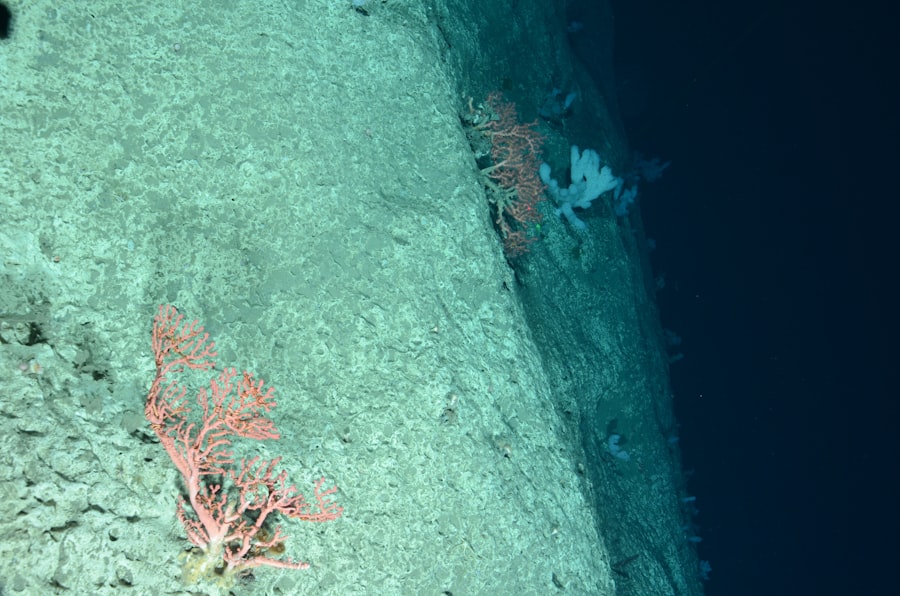
Moving to the flanks of seamounts and oceanic ridges, you encounter cobalt-rich crusts—hard, mineralized layers that precipitate onto the basaltic rock. These are typically found at shallower depths than nodules, ranging from 800 to 2,500 meters.
Mineralogy and Economic Potential
These crusts are exceptionally rich in cobalt, but also contain significant amounts of manganese, nickel, and rare earth elements (REEs). The allure of direct access to REEs, which are crucial for magnets in wind turbines and electric motors, makes these deposits particularly strategic. Some argue that the shallower depths might make extraction technically less daunting than nodule collection.
Geographic Distribution
While found in various oceanic regions, significant deposits are located in the Pacific, particularly around the Hawaiian archipelago and the western Pacific Rim. This geographical distribution places them within the near-shore economic zones of several Pacific nations, raising immediate questions of sovereignty and resource rights.
Polymetallic Sulfides: The Hydrothermal Vents’ Bounty
At active hydrothermal vents, where superheated, mineral-rich fluids erupt from the Earth’s crust, you find polymetallic sulfides. These deposits are characterized by high concentrations of copper, lead, zinc, gold, and silver.
Formation and Composition
These are formed by the precipitation of dissolved metals from hydrothermal fluids as they mix with cold seawater. They are rich in base metals, and while not as directly critical for batteries as nodules, they offer a diverse mineral portfolio. The presence of gold and silver adds a speculative economic dimension.
Locations and Challenges
These deposits are found along mid-ocean ridges and volcanic arcs. While some are in international waters, significant deposits lie within theExclusive Economic Zones (EEZs) of Pacific island nations. The challenging and dynamic environment of active vents makes extraction technically complex and potentially hazardous.
The geopolitics of deep sea mining in the Pacific Ocean is a complex and evolving issue, as nations vie for control over valuable mineral resources found on the ocean floor. An insightful article that delves into this topic can be found at Productive Patty, where the implications of resource extraction on regional stability and environmental sustainability are thoroughly examined. This resource highlights the strategic interests of various countries and the potential consequences for the delicate marine ecosystems in the Pacific.
The Legal Labyrinth: Navigating the International Seabed Authority
The vast majority of the deep sea, beyond the 200-nautical-mile EEZs of coastal states, lies in international waters. This so-called “Area” is governed by a unique legal regime designed to ensure that its resources are exploited for the benefit of all humankind, with particular consideration for developing nations. This is where the International Seabed Authority (ISA) plays a pivotal role, and it has become a focal point of geopolitical maneuvering.
The UNCLOS Framework: A Foundation for Shared Wealth
The United Nations Convention on the Law of the Sea (UNCLOS) established the legal framework for the Area and created the ISA to administer its mineral resources. This convention, ratified by most nations but notably not the United States, is the bedrock upon which all deep-sea mining activities in international waters must be built.
Principles of the Common Heritage of Mankind
A core principle enshrined in UNCLOS is that the resources of the Area are the “common heritage of mankind.” This means they are not subject to national appropriation and must be exploited in a manner that benefits all states, particularly developing ones, through financial or other economic benefits. This principle is a point of contention for some states and corporations who favor a more liberalized resource extraction regime.
The Authority’s Mandate and Functions
The ISA’s mandate includes regulating and controlling all mineral-related activities in the Area, including exploration and exploitation, as well as protecting the marine environment. It grants exploration licenses and, eventually, exploitation contracts to qualified entities, subject to strict environmental and financial regulations.
The ISA as a Geopolitical Arena
The ISA, based in Kingston, Jamaica, has become a microcosm of global power dynamics, especially concerning deep-sea mining. Its meetings and deliberations are attended by representatives from nearly 170 member states, each with their own interests and agendas.
The Rise of the “Plutonium Club”
A significant bloc within the ISA comprises states with existing exploration contracts for the Area. These are often technologically advanced nations, or nations with strong state-backed mining enterprises, who have invested heavily in developing the expertise and technology for deep-sea mining. This group, sometimes informally referred to as the “Plutonium Club” due to the strategic importance of the minerals, exerts considerable influence over ISA deliberations. Countries like China, Japan, South Korea, Russia, Germany, France, and the United Kingdom, alongside consortia from smaller nations like Nauru and Tonga, are actively involved.
The Role of Developing Nations and Island States
Many Pacific island nations, while lacking the immediate technical capacity for large-scale deep-sea mining, possess vast EEZs containing significant mineral resources. They are also acutely vulnerable to the potential environmental impacts. These nations, often allied with developing countries from other regions, advocate for strong environmental protections and a greater share of the economic benefits. They view deep-sea mining as a potential economic boon but are wary of becoming mere bystanders or victims of environmental damage.
The Environmental Lobby: A Powerful Counterbalance
A growing and vocal coalition of environmental NGOs, scientists, and concerned citizens globally exerts pressure on the ISA and its member states. They advocate for a precautionary approach, calling for a moratorium on deep-sea mining until the environmental impacts are fully understood. Their influence, however, depends on the willingness of states to prioritize environmental protection over perceived economic opportunity.
National Ambitions and Strategic Imperatives: Who Controls the Abyss?
Beyond the international framework, individual nations harbor their own strategic interests in the deep sea. These interests are driven by economic necessity, national security, and a desire to secure future resource supplies. The Pacific, with its vast expanse, is a prime stage for these national ambitions to play out.
The Pacific Island Nations: Sovereignty and Vulnerability
The Pacific island nations, comprising a multitude of states scattered across the ocean, find themselves in a unique and often precarious position. Many of their EEZs contain significant seabed mineral deposits, making them potential beneficiaries of deep-sea mining. However, they also face the greatest risks from potential environmental degradation.
Economic Development Potential
For nations struggling with limited terrestrial resources and facing the existential threat of climate change, the prospect of revenue from deep-sea mining is enticing. It offers a potential pathway to economic diversification and development, promising much-needed funds for infrastructure, education, and healthcare.
Environmental Insecurity and Reliance on the International System
These nations are on the front lines of ocean acidification, rising sea levels, and extreme weather events. The potential for deep-sea mining to further destabilize marine ecosystems, impacting fisheries and coastal environments, is a grave concern. They rely heavily on international cooperation and the effectiveness of the ISA to ensure responsible development and mitigate negative impacts.
Navigating Tensions with Larger Powers
Pacific island nations often find themselves caught between the competing interests of larger mining powers. They must carefully navigate these relationships to protect their sovereignty, secure their economic interests, and advocate for strong environmental safeguards.
Major Powers’ Strategic Calculations: Resource Security and Technological Dominance
For global powers, deep-sea mining represents a strategic opportunity to diversify their resource base and reduce reliance on potentially unstable terrestrial supply chains. The Pacific is particularly attractive due to the concentration of high-grade mineral deposits.
The United States: A Complex Relationship with UNCLOS
While the US is the world’s largest economy and a leader in technological innovation, it has not ratified UNCLOS. This creates a complex legal and geopolitical situation. US companies can operate through sponsorships from ratified states, but this limits direct US regulatory control and participation in ISA governance. The US faces pressure to ratify UNCLOS to fully engage in the governance of the Area and secure its interests.
China’s Assertive Stance: A Growing Deep-Sea Power
China has made significant strides in deep-sea exploration and mining technology. It has acquired exploration licenses from the ISA and is actively developing both its exploration and potential exploitation capabilities. China’s proactive approach reflects its broader geostrategic ambitions and its desire to secure critical raw materials for its manufacturing and defense industries. Its growing presence in the Pacific, both economically and militarily, adds another layer of complexity to the deep-sea mining landscape.
Other Key Players: Japan, South Korea, Russia, and European Nations
Japan and South Korea, with their advanced technological capabilities and demand for minerals, are also prominent players, holding multiple exploration licenses. Russia has also shown considerable interest and has the technological capacity to pursue deep-sea mining. Several European nations, including Germany, France, and the United Kingdom, are also involved through their own national programs and as sponsors of exploration activities. Their involvement underscores the global nature of this emerging industry.
The Environmental Conundrum: Balancing Exploitation and Preservation
As you gaze at the potential wealth beneath the waves, an equally significant shadow looms: the profound and largely unknown environmental consequences of deep-sea mining. The fragility of these ecosystems, combined with the immense scale and novelty of the proposed operations, raises critical questions about sustainability and long-term planetary health.
The Pristine and Vulnerable Deep-Sea Ecosystems
The deep sea, particularly the abyssal plains where nodules are found, hosts unique and ancient ecosystems. These environments are characterized by extreme pressure, perpetual darkness, low temperatures, and limited food availability. Life here has evolved over millions of years to adapt to these harsh conditions, resulting in slow growth rates, long lifespans, and specialized adaptations.
Biodiversity Hotspots and Endemism
Areas targeted for mining are often biodiversity hotspots, teeming with unique species, many of which are endemic—found nowhere else on Earth. These include various species of sea cucumbers, brittle stars, sponges, and a myriad of microorganisms. The discovery of new species in these regions is a regular occurrence, highlighting how much we still have to learn.
Slow Recovery Rates and Irreversible Damage
The slow pace of life in the deep sea means that recovery from disturbance is incredibly slow. Scarring the seabed from nodule collection, for instance, could take hundreds to thousands of years to heal, if indeed it can heal at all. Sediment plumes generated by mining operations can smother benthic organisms far beyond the immediate mining sites, disrupting feeding and respiration. The loss of these unique habitats and species could be permanent.
The Unforeseen Impacts of Mining Operations
The technologies envisioned for deep-sea mining—the massive seafloor vehicles, the riser pipes, the discharge of processed water and sediment—represent significant interventions in a fundamentally stable environment. The potential for unintended consequences is high.
Sediment Plumes and Smothering
The disturbance of the seabed will inevitably create sediment plumes. These clouds of suspended particles can travel significant distances, potentially impacting filter-feeding organisms, reducing light penetration for any photosynthetic life that might exist at the edge of the photic zone, and altering chemical processes in the water column.
Noise and Light Pollution
The constant operation of heavy machinery will introduce significant noise and light into an environment that has evolved with auditory and visual cues shaped by natural processes. The impact of this anthropogenic disturbance on deep-sea fauna, particularly species that rely on the faint bioluminescence or natural sounds for communication, navigation, and predation, is largely unknown.
Habitat Destruction and Loss of Biodiversity
The direct removal of nodules, crusts, or sulfides will lead to immediate habitat destruction. The loss of these unique geological formations means the loss of the habitats that support the specialized lifeforms they host. This destruction could lead to localized extinctions and a general decline in biodiversity.
Trophic Cascades and Ecosystem Disruption
The deep sea, though seemingly sparse, is a complex web of interactions. The removal of key species or the alteration of habitats could trigger cascading effects throughout the food web, leading to unforeseen disruptions in ecosystem function. The long-term consequences of such disruptions are difficult to predict but could be far-reaching.
The geopolitics of deep sea mining in the Pacific Ocean has become increasingly complex as nations vie for control over valuable resources found in these uncharted waters. An insightful article that delves into the implications of this emerging industry can be found at this link, which explores the environmental concerns and international regulations that are shaping the future of deep sea mining. As countries navigate the balance between economic gain and ecological preservation, the stakes continue to rise, making it a critical topic for policymakers and environmentalists alike.
The Geopolitical Chessboard: Who Will Lead and Who Will Follow?
| Country | Deep Sea Mining Activity | Regulatory Framework |
|---|---|---|
| Papua New Guinea | Active exploration and pilot mining projects | Developing regulatory framework |
| Solomon Islands | Interest in deep sea mining | Considering regulatory options |
| Tonga | Exploration licenses granted | Working on environmental regulations |
| Fiji | Exploration activities | Reviewing legal framework |
The race to unlock the deep sea’s mineral wealth is unfolding on a complex geopolitical chessboard. National interests clash with international regulations, and the quest for resources is intertwined with concerns for environmental stewardship. The decisions made today by you, and by global decision-makers, will shape the future of this frontier for generations to come.
The Interplay of National Interests and ISA Governance
The ISA is intended to be the governing body for the Area, but its effectiveness is heavily influenced by the member states, particularly those with exploration licenses. The balance of power within the ISA council, where decisions are made, often reflects the leverage of technologically advanced nations versus the collective voice of developing states.
The Struggle for Control over Regulations
The ISA is currently in the process of developing the Mining Code, which will govern exploitation activities. This is a critical juncture where competing interests are fiercely debated. Developed nations with deep-sea mining ambitions push for regulations that are seen as enabling, while environmental advocates and many developing nations call for stricter environmental safeguards and a more robust benefit-sharing mechanism.
The “Species of Concern” Dilemma
One of the most contentious issues in the ISA negotiations is how to protect “species of concern”—those species that are widespread but may be particularly vulnerable to mining impacts. Defining and protecting these species, and ensuring that mining operations do not push them towards extinction, is a significant scientific and regulatory challenge.
The Growing Influence of New Players: Beyond the Traditional Mining Powers
While the traditional mining powers have long been at the forefront, the deep-sea mining landscape is evolving. New actors are emerging, driven by strategic imperatives and technological advancements.
The Rise of State-Backed Enterprises
Many nations involved in deep-sea mining have state-backed entities or consortia. This suggests a recognition of the strategic importance of these resources and a willingness to invest national resources for long-term gains. The involvement of state enterprises also raises questions about transparency and accountability.
The Role of Private Investment and Venture Capital
While state actors are significant, private investment and venture capital are also playing a role, particularly in funding the development of innovative extraction technologies. However, the immense capital required for commercial-scale deep-sea mining means that the major players are likely to remain those with significant financial backing, either public or private.
The Future of Governance: Towards Cooperation or Conflict?
The ultimate trajectory of deep-sea mining governance—whether it leads to a cooperative framework for responsible resource development or a fragmented landscape of competing national claims and environmental disregard—remains uncertain.
The Precautionary Principle vs. The “So What?” Mentality
The debate often boils down to a fundamental disagreement over the application of the precautionary principle. Should you proceed with mining only when you are certain of its safety, or should you assume a degree of risk in the pursuit of potentially vital resources? The environmental lobby argues for a strict precautionary approach, while some industry proponents advocate for a “so what?” mentality, suggesting that potential impacts are exaggerated and that innovation will overcome challenges.
The Potential for a Moratorium and its Implications
The ongoing calls for a moratorium on deep-sea mining, championed by environmental organizations and a growing number of scientists and nations, represent a significant geopolitical lever. If a moratorium is implemented, it would effectively halt new exploration and exploitation activities in international waters, forcing a re-evaluation of the entire endeavor. The implications of such a moratorium would be far-reaching, impacting resource security projections and potentially shifting focus to terrestrial or near-shore alternatives.
As you contemplate the depths, remember that you are not just exploring for minerals. You are navigating a complex geopolitical landscape, grappling with profound environmental questions, and ultimately, shaping the future of your planet and its oceans. The decisions you make now, concerning the responsible exploration and potential exploitation of the deep sea, will echo for millennia to come.
FAQs
What is deep sea mining?
Deep sea mining is the process of retrieving mineral deposits from the ocean floor. This can include valuable metals such as copper, nickel, cobalt, and rare earth elements.
What are the geopolitical implications of deep sea mining in the Pacific Ocean?
The Pacific Ocean is home to vast mineral resources, and the race to access these resources has led to geopolitical tensions among countries and companies seeking to exploit them. This has raised concerns about sovereignty, environmental impact, and the potential for conflict.
Which countries are involved in deep sea mining in the Pacific Ocean?
Several countries have expressed interest in deep sea mining in the Pacific Ocean, including China, Japan, South Korea, Russia, and the United States. Additionally, small island nations in the Pacific, such as Papua New Guinea and the Cook Islands, are also exploring the potential for deep sea mining within their exclusive economic zones.
What are the environmental concerns associated with deep sea mining?
Deep sea mining has the potential to cause significant harm to marine ecosystems, including the destruction of deep sea habitats and the release of toxic substances into the water. There are also concerns about the potential for long-term environmental damage and the impact on biodiversity.
What are the regulatory challenges of deep sea mining in the Pacific Ocean?
One of the main challenges of deep sea mining in the Pacific Ocean is the lack of comprehensive international regulations governing the industry. This has led to uncertainty and disagreement over issues such as environmental protection, resource ownership, and the rights of indigenous communities.