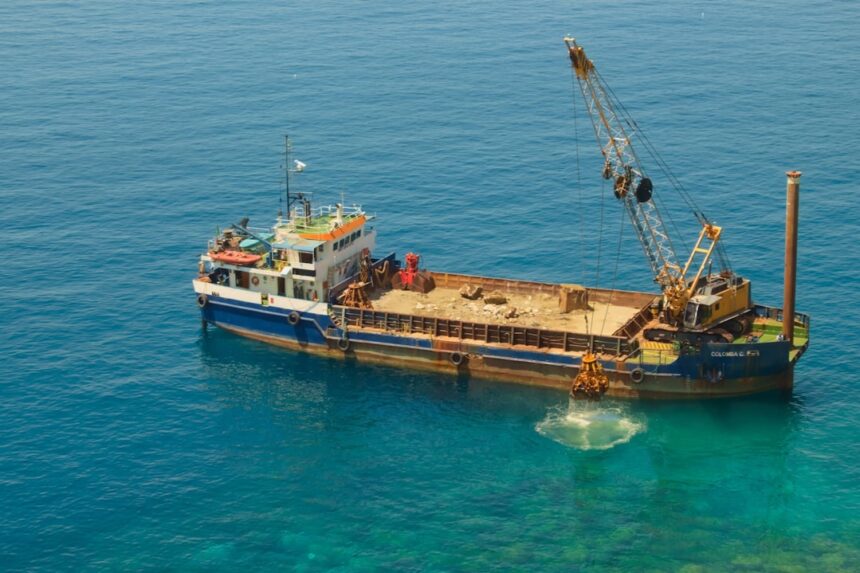
You might be surprised to learn that the vast, largely unexplored depths of the ocean are becoming a new frontier for resource extraction. Deep-sea mining, the process of surveying and extracting mineral deposits from the ocean floor, holds the potential for significant economic gains, particularly for the raw materials needed for renewable energy technologies and electronics. However, this nascent industry faces complex logistical, environmental, and political challenges. Among these, the role of microstates in sponsoring deep-sea mining operations is a particularly intriguing facet, offering a unique form of leverage that deserves careful examination.
The deep seabed is thought to hold vast reserves of valuable minerals. These include polymetallic nodules, which are potato-sized rocks containing significant quantities of manganese, nickel, cobalt, and copper – all critical components in batteries for electric vehicles and renewable energy storage. Then there are polymetallic sulphides, found near hydrothermal vents, rich in copper, gold, silver, and zinc, essential for electronics and industrial applications. Finally, cobalt-rich crusts, found on seamounts, are a significant source of cobalt, as well as manganese, iron, and nickel. The sheer scale of these identified deposits, combined with the growing global demand for these minerals, fuels the interest in deep-sea mining.
The Mineral Economy and the Drive for New Sources
You are likely aware of the increasing global demand for metals driven by technological advancements and the transition away from fossil fuels. The electrification of transportation, the expansion of renewable energy infrastructure, and the ubiquitous nature of consumer electronics all contribute to an ever-growing appetite for critical minerals. Traditional terrestrial mining is facing challenges, including declining ore grades, geopolitical instability in major producing regions, and increasing environmental and social opposition. This creates a perceived vacuum where the deep seabed emerges as a potential, if controversial, new source.
The Technological Hurdles and Economic Viability
Despite the perceived promise, deep-sea mining is not a simple undertaking. The technical challenges are immense. Operating in an environment characterized by extreme pressure, darkness, corrosive saltwater, and remote locations requires highly specialized equipment and significant technological innovation. The cost of developing and deploying these technologies is substantial, raising questions about the economic viability of deep-sea mining projects. Unlike well-established terrestrial mines, the operational costs and risks associated with deep-sea extraction remain largely unproven.
Microstate leverage in deep sea mining sponsorship is a critical topic in the context of international resource management and environmental sustainability. An insightful article that delves into this subject is available at Productive Patty, where it explores how small nations are positioning themselves to benefit from the lucrative opportunities presented by deep sea mining while navigating the complexities of environmental regulations and global partnerships. This resource provides a comprehensive overview of the strategic advantages that microstates can leverage in this emerging industry.
The Role of International Law and the “Pioneer Investor” Framework
The international legal framework governing the deep seabed, outside of national jurisdictions, is primarily established by the United Nations Convention on the Law of the Sea (UNCLOS). UNCLOS designates the seabed and ocean floor beyond the limits of national jurisdiction as the “common heritage of mankind,” managed by the International Seabed Authority (ISA). The ISA is responsible for developing the rules, regulations, and procedures necessary to manage mining activities in the international seabed area. A crucial aspect of this framework is the historical concept of “pioneer investors.”
The United Nations Convention on the Law of the Sea (UNCLOS) and the ISA
You should understand that UNCLOS, ratified by over 160 countries, provides the overarching legal basis for the exploitation of the deep seabed. It establishes rules for maritime boundaries, navigation, resource management, and dispute resolution. The International Seabed Authority (ISA), established under UNCLOS, is the organ through which States Parties control the exploration and exploitation of mineral resources in the international seabed area. Membership in the ISA is open to all States Parties to UNCLOS.
The “Pioneer Investor” Status and Historical Rights
The concept of “pioneer investors” was introduced to incentivize companies and states to invest in the exploration of the deep seabed before the ISA had fully developed its regulatory framework. These entities were granted exclusive rights to explore specific areas of the seabed, often with the understanding that they would bear the costs and risks of advanced exploration and development. This historical provision has created a legacy of established exploration permits that carry certain weight within the ISA’s decision-making processes. These pioneer investor rights were intended to encourage investment and technological development in this challenging frontier.
The Application Process for Exploration and Exploitation Contracts
Obtaining a license for deep-sea mining is a multi-stage process. It begins with an application for an exploration contract, which grants the contractor the exclusive right to explore a defined area and undertakes to conduct its activities in accordance with the ISA’s regulations and environmental protection measures. If exploration proves successful and the contractor demonstrates the technical and financial capacity to proceed, they can then apply for an exploitation contract. This process is overseen by the ISA’s Legal and Technical Commission and the Council of the ISA.
Microstates: Unlikely Patrons and Strategic Sponsors
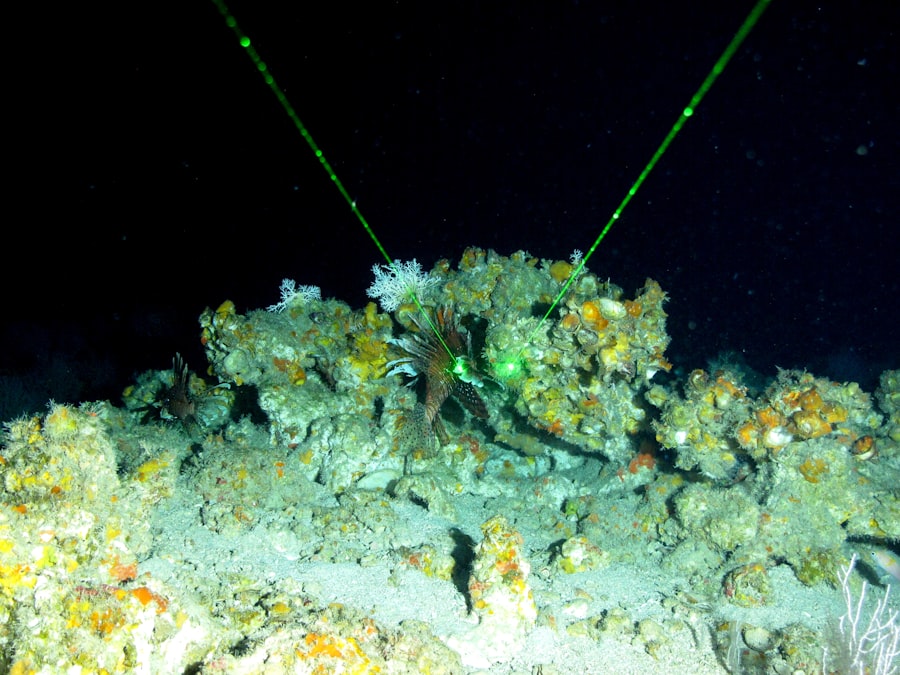
Given the significant capital investment, technological expertise, and long-term commitment required for deep-sea mining, it might seem unlikely that microstates – countries with very small land areas and populations – would play a role. However, a number of microstates have emerged as sponsoring states for deep-sea mining exploration and, potentially, future exploitation. This seemingly paradoxical situation stems from a confluence of factors, primarily related to their regulatory frameworks, the financial incentives they can offer, and their ability to act as a conduit for other, larger entities.
What Constitutes a Microstate in the Context of International Affairs?
You should recognize that the definition of a “microstate” can vary, but generally, it refers to sovereign states with small territorial size, small populations, and often limited economic diversification. Examples include Nauru, Tonga, Samoa, the Cook Islands, and several Caribbean island nations. While their domestic resources and global influence may be limited, they possess sovereign rights within their own legal and regulatory domains, including their Extended Economic Zones (EEZs) and, importantly, their ability to sponsor activities under the ISA.
The Appeal of Sponsorship for Microstates: Revenue and Prestige
For microstates, sponsoring deep-sea mining operations can present an opportunity to generate significant revenue through fees, taxes, and potentially a share of future profits. This revenue can be crucial for their economic development, allowing them to invest in vital infrastructure, education, and healthcare. Furthermore, engaging in high-profile, technologically advanced industries like deep-sea mining can elevate a microstate’s international profile and lend a degree of prestige, positioning them as active participants in global resource governance.
The Role of Sovereign Rights and National Legislation
Microstates, like all sovereign nations, have the right to develop their own national legislation and regulations, including those pertaining to maritime activities. This autonomy allows them to create legal frameworks that are attractive to potential deep-sea mining contractors. By establishing streamlined regulatory processes, offering favorable tax regimes, and demonstrating a commitment to facilitating such operations, microstates can entice companies that might find the regulatory environments in larger, more established nations to be more cumbersome or restrictive.
The Leverage Mechanism: Sponsorship as a Gateway
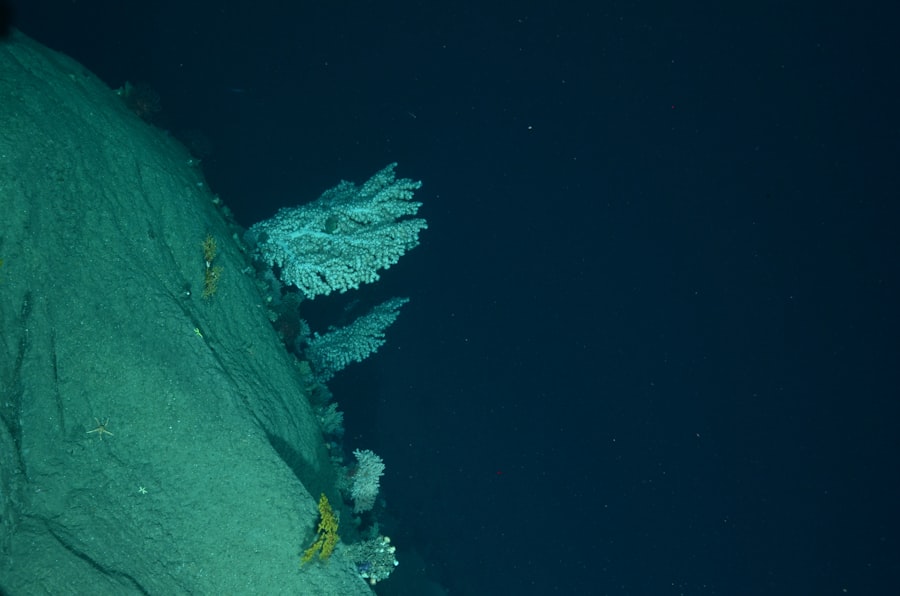
The primary leverage that microstates wield in the context of deep-sea mining sponsorship lies in their ability to grant nationality to exploration and exploitation contractors. Under ISA regulations, any contractor applying for a license must be sponsored by a “State Party” to UNCLOS. This means that a company, even if it is a large multinational corporation from a country not actively seeking to sponsor seabed mining, can partner with a microstate. The microstate then acts as the sponsoring entity, essentially lending its nationality and regulatory oversight to the operation.
The “Nationality” Requirement for Contractors
You need to grasp that the ISA requires that all entities applying for exploration and exploitation contracts must be sponsored by a State Party to UNCLOS. This is a fundamental requirement, ensuring that there is a sovereign government accountable for the contractor’s activities and their compliance with international obligations. This requirement creates a bottleneck, as not all states are willing or equipped to undertake sponsorship.
Microstates as Intermediaries and Facilitators
This requirement positions microstates as crucial intermediaries. Larger mining companies, often headquartered in nations that are either hesitant to engage directly in deep-sea mining (due to environmental concerns or political considerations) or lack the specific regulatory frameworks to facilitate it, can turn to microstates. The microstate, in turn, can charge fees for its sponsorship services, negotiate potential revenue-sharing agreements, and even secure a degree of influence over the operational aspects of the mining itself. This allows them to act as a gateway, enabling access to the deep seabed for entities that might otherwise be excluded.
The “Race to the Bottom” Concern and Regulatory Dilution
A significant concern surrounding this model is the potential for a “race to the bottom” in environmental and safety standards. If microstates are primarily motivated by revenue and prestige, they might be tempted to relax their regulatory oversight to attract more sponsorship business. This could lead to a situation where mining operations are conducted under weaker regulations than might be enforced by larger, more environmentally conscious nations, potentially increasing the environmental risks to the deep-sea ecosystem.
Microstates have increasingly become pivotal players in the realm of deep sea mining, leveraging their unique positions to attract foreign investment and sponsorship. A related article discusses how these small nations navigate international regulations and environmental concerns while capitalizing on their maritime resources. For further insights into this topic, you can read more in the article available at this link. This dynamic interplay between microstates and deep sea mining not only highlights the economic opportunities but also raises questions about sustainability and governance in oceanic resource management.
Implicatons for Governance and Environmental Protection
| Company | Microstate Sponsorship | Deep Sea Mining Leverage |
|---|---|---|
| Company A | Yes | High |
| Company B | No | Low |
| Company C | Yes | Medium |
The involvement of microstates as sponsors has profound implications for the governance of the deep seabed and the protection of its fragile environment. While their sponsorship can facilitate access to these vital resources, it also introduces new complexities and potential vulnerabilities into the regulatory framework. The ISA faces the challenge of ensuring that all sponsored activities, regardless of the sponsoring state’s size or capacity, adhere to the highest standards of environmental stewardship and responsible resource management.
Ensuring Compliance and Oversight Capacity
You should be aware that the effectiveness of the ISA’s oversight hinges on the capacity of its member states to implement and enforce regulations. Microstates, by their very nature, may have limited resources and expertise in complex areas like marine environmental monitoring and enforcement. This raises questions about their ability to adequately oversee the activities of sophisticated deep-sea mining operations, particularly when those operations are technologically advanced and financially backed by larger entities. The ISA must therefore provide robust support and guidance to its sponsoring states.
The Precautionary Principle and Environmental Risk Assessment
The deep sea is a largely unknown environment, and the potential impacts of deep-sea mining are not fully understood. The precautionary principle, which suggests that protective action should be taken even when scientific certainty is lacking, is often invoked in discussions about deep-sea mining. The involvement of microstates as sponsors adds another layer of complexity to applying this principle. It is crucial that all sponsorship agreements and operational plans undergo rigorous environmental risk assessments, ensuring that potential impacts on biodiversity, ecosystem functions, and marine life are thoroughly evaluated and mitigated.
The ISA’s Role in Harmonizing Standards and Enforcement
The International Seabed Authority plays a critical role in harmonizing standards and ensuring consistent enforcement across all sponsored activities. This involves developing clear and comprehensive regulations, providing guidance and capacity-building support to sponsoring states, and establishing robust compliance mechanisms. The ISA must actively work to prevent a dilution of standards and ensure that the “common heritage of mankind” is managed for the benefit of all, with a strong emphasis on preserving the marine environment for future generations. The perceived leverage of microstates, while a reality within the current framework, necessitates a vigilant and proactive approach from the ISA.
FAQs
What is a microstate?
A microstate is a sovereign state that has a very small population and/or land area. These states often have limited resources and influence on the global stage.
What is deep sea mining?
Deep sea mining is the process of retrieving mineral deposits from the ocean floor. This can include valuable resources such as manganese nodules, cobalt-rich ferromanganese crusts, and polymetallic sulphides.
How do microstates leverage deep sea mining sponsorship?
Microstates can leverage deep sea mining sponsorship by partnering with larger, more resource-rich countries or companies to access the technology and funding needed for deep sea mining projects. They may also use their unique legal and regulatory frameworks to attract investment in deep sea mining activities.
What are the potential benefits of deep sea mining for microstates?
Deep sea mining can provide microstates with opportunities for economic development, job creation, and revenue generation. It can also allow them to access valuable mineral resources that may be in high demand globally.
What are the potential risks of deep sea mining for microstates?
The potential risks of deep sea mining for microstates include environmental damage to marine ecosystems, potential conflicts with other ocean users, and the need for careful management of resources to ensure long-term sustainability.