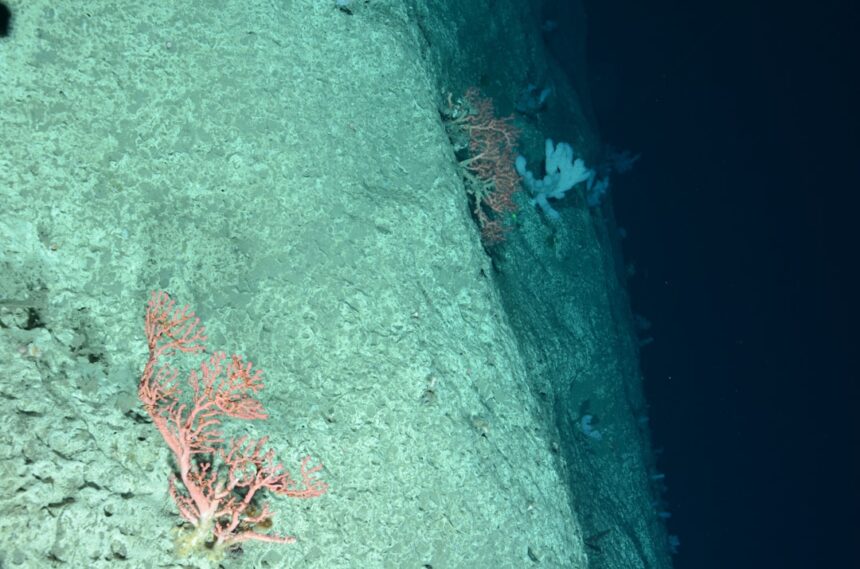
You are standing at the precipice of a new frontier: the deep sea. This vast, largely unexplored realm holds immense potential for resources, particularly minerals crucial for modern technologies. However, the very act of extracting these resources, known as deep-sea mining, presents a profound challenge. How do you navigate the unknown, balancing potential benefit with the very real risks of irreversible environmental damage? The answer, increasingly, lies in the Precautionary Principle.
Before delving into how to apply the Precautionary Principle, you must first grasp the nature of the environment you are considering. The deep sea is not a barren wasteland; it is a complex, interconnected ecosystem with unique biodiversity and ecological processes that are poorly understood.
The Unique Characteristics of Deep-Sea Ecosystems
- Extreme Conditions: You are operating in environments characterized by immense pressure, perpetual darkness, near-freezing temperatures, and limited nutrient availability. Life here has adapted in extraordinary ways, leading to distinct species and novel biochemical processes.
- Slow Growth and Reproduction: Many deep-sea organisms exhibit slow growth rates and long lifespans. This means that populations can take decades, or even centuries, to recover from disturbances. Reproduction strategies can also be highly specialized, making them vulnerable to disruption.
- Interconnectedness and Trophic Levels: Despite the apparent isolation, deep-sea ecosystems are remarkably interconnected. Food webs can be delicate, relying on inputs from the surface (like marine snow) or chemosynthesis around hydrothermal vents. Disturbing one part of the system can have cascading effects throughout.
- Endemism and Novelty: A significant proportion of deep-sea species are endemic, meaning they are found nowhere else on Earth. Furthermore, the potential for discovering new species, and even entirely new branches of the tree of life, is substantial. This biological richness represents an invaluable, and potentially irreplaceable, heritage.
The Current State of Knowledge Gaps
- Limited Baseline Data: For most deep-sea regions targeted for mining, comprehensive baseline data on biodiversity, ecosystem functions, and ecological processes is either non-existent or extremely sparse. You are often looking at a snapshot of what exists before any potential impact.
- Uncertainty in Ecological Responses: Predicting how deep-sea ecosystems will respond to the physical disturbances of mining – sediment plumes, habitat destruction, noise pollution, and chemical changes – is highly speculative. Models are often based on assumptions and extrapolations from shallower, better-studied environments.
- Long-Term Impacts: The scale and duration of deep-sea mining impacts are difficult to forecast. What might appear a localized disturbance in the short term could have long-lasting consequences for ecosystem structure and function. The recovery timelines are largely unknown.
- Cumulative Effects: Beyond the direct impacts of a single mining operation, you need to consider the cumulative effects of multiple operations in the same region or across wider areas. These synergistic or additive impacts are even more challenging to predict.
The precautionary principle plays a crucial role in the regulation of deep sea mining, emphasizing the need to err on the side of caution when potential environmental harm is involved. A related article that delves into this topic is available at Productive Patty, where it discusses the implications of deep sea mining activities on marine ecosystems and the importance of implementing stringent regulations to protect these vulnerable environments.
The Precautionary Principle: A Framework for Prudence
The Precautionary Principle, in its essence, is a risk management strategy that emphasizes caution in the face of scientific uncertainty. It is particularly relevant when potential actions could lead to severe or irreversible harm to human health or the environment.
Defining the Precautionary Principle
- Core Tenet: The principle asserts that where there are threats of serious or irreversible damage, lack of full scientific certainty shall not be used as a reason for postponing cost-effective measures to prevent environmental degradation.
- Shifting the Burden of Proof: Traditionally, the burden of proof in environmental regulation lies with demonstrating harm. The Precautionary Principle shifts this burden, requiring those proposing an activity with potential for harm to demonstrate that it is not harmful, or at least that the risks are sufficiently understood and managed.
- Proactive vs. Reactive: It moves away from a reactive approach of cleaning up damage after it occurs to a proactive approach of preventing harm before it happens.
Key Elements and Interpretations
- Absence of Scientific Certainty: This is the critical trigger. When scientific understanding is incomplete, and there is a reasonable concern about potential harm, the principle comes into play. This does not require absolute certainty of harm, but rather a credible threat.
- Potential for Serious or Irreversible Damage: The principle is most applicable when the potential consequences of an action are significant. This could include extinction of species, permanent alteration of habitats, or disruption of vital ecosystem processes.
- Proportionate and Cost-Effective Measures: The measures taken should be proportionate to the potential risks and economically feasible. This does not mean halting all activity, but rather implementing appropriate safeguards and opting for less harmful alternatives where available.
- Adaptive Management: The principle often necessitates an adaptive approach, where initial decisions are revisited and revised as new information becomes available. This allows for adjustments to regulations and operational practices based on monitoring and research.
Implementing the Precautionary Principle in Regulation

Translating the abstract concept of the Precautionary Principle into concrete regulatory measures for deep-sea mining requires careful consideration and a structured approach. You cannot simply invoke the principle; you must embed it within the very fabric of how these activities are governed.
Establishing Robust Regulatory Frameworks
- International Governance Structures: You need clear, internationally recognized frameworks for governing activities in areas beyond national jurisdiction, such as the International Seabed Authority (ISA). These bodies must be empowered and resourced to implement precautionary measures.
- National Legislation and Policy: Nations that permit or conduct deep-sea mining within their own waters must have strong national legislation and policies that explicitly incorporate the Precautionary Principle. This legislation should define thresholds for acceptable risk and establish clear procedures for environmental impact assessments.
- Precautionary Thresholds and Triggers: You need to define specific, measurable thresholds for environmental parameters. When these thresholds are approached or breached, it should trigger mandatory precautionary actions, such as limitations on mining activity, enhanced monitoring, or cessation of operations.
- Enforcement Mechanisms and Penalties: Effective regulation requires robust enforcement mechanisms. This includes the power to inspect, audit, and penalize non-compliance. Penalties should be significant enough to deter violations and to fund remediation or conservation efforts.
Environmental Impact Assessment (EIA) and Strategic Environmental Assessment (SEA)
- Evolving EIA Standards: Traditional EIAs may not be sufficient for the deep sea. You need to adapt EIA methodologies to account for the unique uncertainties and potential for irreversible harm. This includes mandating comprehensive baseline studies, requiring long-term monitoring plans, and demanding rigorous analysis of potential cumulative impacts.
- Precautionary EIAs: EIAs under the Precautionary Principle should require proponents to demonstrate, with a high degree of confidence, that their proposed activity will not cause significant harm. The absence of such demonstration should lead to the rejection or significant modification of the proposal.
- Strategic Environmental Assessments (SEAs): Before individual mining projects are considered, you need to conduct SEAs for entire regions or mining areas. These assessments should evaluate the potential cumulative impacts of multiple mining activities and identify areas that should be protected from mining altogether, thereby contributing to a network of marine protected areas.
Operationalizing Precaution: From Theory to Practice

The Precautionary Principle is not just about writing rules; it’s about how those rules are applied in the real world, in the harsh and unpredictable environment of the deep sea.
Minimizing Direct Physical Impacts
- Sediment Plumes: You must develop and implement technologies and operational practices to minimize the creation and dispersal of sediment plumes. This includes effective sediment capture and management systems, and careful consideration of discharge locations and methods to reduce downstream impacts on benthic and pelagic communities.
- Habitat Disturbance: Mining operations inherently involve habitat disturbance, such as the removal of polymetallic nodules or the excavation of seafloor areas. You need to explore and implement techniques that reduce the footprint of these activities and consider remediation or restoration approaches where feasible, though the long-term effectiveness of deep-sea restoration is highly questionable.
- Noise and Light Pollution: The introduction of loud machinery and artificial lights into the deep sea can disrupt the behavior and physiology of organisms adapted to darkness and silence. You need to mandate noise reduction technologies and limit light exposure to the minimum necessary for operations.
Mitigating Indirect and Cumulative Impacts
- Protecting Vulnerable Ecosystems: You must identify and designate areas within potential mining zones that are particularly sensitive or ecologically significant, and afford them enhanced protection. This could include areas with high biodiversity, unique geological features, or critical habitats for vulnerable species.
- Cumulative Impact Assessment: As mentioned, assessing cumulative impacts is critical. This requires collaborative efforts between regulators, industry, and the scientific community to understand how multiple mining operations, combined with other anthropogenic stressors, might interact and collectively impact the deep-sea environment.
- Ecosystem-Based Management: You should move towards an ecosystem-based management approach, rather than focusing solely on individual mining sites. This means considering the health and integrity of the entire deep-sea ecosystem and making decisions that support its overall resilience.
The precautionary principle plays a crucial role in the regulation of deep sea mining, as it emphasizes the need to prevent environmental harm before it occurs. This principle is particularly relevant given the potential risks associated with mining activities in fragile marine ecosystems. For a deeper understanding of how this principle is applied in various contexts, you can explore a related article that discusses its implications in environmental policy. You can find it here: related article. By integrating the precautionary principle into regulatory frameworks, we can better safeguard our oceans for future generations.
Monitoring, Research, and Adaptive Management: The Evolving Landscape
| Country | Regulatory Approach | Precautionary Measures |
|---|---|---|
| United States | Strict regulations with thorough environmental impact assessments | Establishment of protected areas and monitoring of deep sea mining activities |
| Canada | Precautionary approach with emphasis on scientific research and stakeholder consultation | Implementation of adaptive management strategies and strict monitoring of environmental impacts |
| Australia | Regulatory framework focused on risk assessment and management | Requirement for comprehensive environmental management plans and ongoing monitoring of deep sea mining operations |
The application of the Precautionary Principle is not a static event; it is an ongoing process that requires constant learning, adaptation, and a commitment to filling knowledge gaps.
Establishing Comprehensive Monitoring Programs
- Long-Term Ecological Monitoring: You need to establish and fund long-term monitoring programs that continue beyond the operational life of any mining project. These programs should track key ecological indicators, assess recovery rates, and identify any unforeseen consequences.
- Independent Scientific Oversight: Monitoring programs should be designed and overseen by independent scientific bodies to ensure objectivity and scientific rigor. The data collected should be publicly accessible.
- Adaptive Monitoring Strategies: Monitoring plans should be adaptive, meaning they are reviewed and adjusted based on emerging data and scientific understanding. This ensures that the monitoring remains relevant and effective in detecting potential risks.
Funding Independent Research
- Addressing Knowledge Gaps: A significant portion of the revenue generated from deep-sea mining should be dedicated to funding independent scientific research. This research should focus on filling the critical knowledge gaps identified earlier, particularly concerning biodiversity, ecosystem function, and the impacts of mining.
- Precautionary Research Agendas: Research agendas should be guided by the Precautionary Principle, prioritizing studies that are essential for understanding potential risks and informing precautionary management decisions.
- International Collaboration: You need to foster international collaboration among researchers and institutions to share knowledge, resources, and best practices in deep-sea research and monitoring.
Adaptive Management in Practice
- Review and Revision of Regulations: Based on the findings of monitoring and research, you must be prepared to revise and update regulations and operational guidelines. This ensures that management approaches remain precautionary and are informed by the best available science.
- Precautionary Moratoriums: In situations where uncertainty is particularly high or risks are deemed unacceptable, you should be prepared to implement precautionary moratoriums on certain mining activities until sufficient understanding is gained.
- Transitional Measures: As new information emerges, you may need to implement transitional measures to move towards more sustainable practices or to transition away from high-risk activities altogether.
The Ethical and Societal Dimensions
Beyond the purely scientific and regulatory aspects, the application of the Precautionary Principle in deep-sea mining regulation also involves significant ethical and societal considerations.
Intergenerational Equity and Stewardship
- Future Generations’ Rights: You have a responsibility to ensure that future generations are not deprived of the potential benefits of the deep sea, whether those benefits are financial resources or the intrinsic value of biodiversity. The Precautionary Principle is a mechanism to safeguard these future possibilities.
- Custodianship of a Global Commons: The deep sea is a global commons. You are acting as custodians, and the Precautionary Principle mandates that you manage this commons with prudence, avoiding actions that could permanently degrade its value for all.
Economic vs. Environmental Considerations
- True Cost Accounting: You need to move beyond simplistic cost-benefit analyses that prioritize immediate economic returns. This involves incorporating the long-term environmental costs, including the loss of ecosystem services, biodiversity, and potential future scientific discoveries.
- Sustainable Development Pathways: The Precautionary Principle encourages the exploration of more sustainable pathways for resource acquisition, including investing in terrestrial recycling and material efficiency, which can reduce the perceived necessity of deep-sea mining.
Public Engagement and Transparency
- Informed Public Discourse: You need to foster an informed public discourse about deep-sea mining. This requires transparency in regulatory processes, open access to scientific data, and meaningful engagement with civil society.
- Accountability: International and national bodies responsible for regulating deep-sea mining must be accountable to the public for their decisions. The Precautionary Principle provides a framework for scrutinizing their actions and demanding responsible stewardship.
In conclusion, the implementation of the Precautionary Principle in deep-sea mining regulation is not merely an option; it is an imperative. It is your commitment to acknowledging the vast unknowns of the deep sea, to prioritizing the prevention of irreversible harm, and to making decisions that reflect a profound respect for the natural world, both for its present value and for the inheritance you leave to future generations. You are not just engaging in resource extraction; you are shaping the future of a critically important, yet still largely mysterious, part of our planet. The choices you make now will echo through millennia.
FAQs
What is the precautionary principle in deep sea mining regulation?
The precautionary principle in deep sea mining regulation is a concept that suggests taking preventive action in the face of uncertainty and potential risks to the marine environment. It emphasizes the need for careful consideration of potential environmental impacts before allowing deep sea mining activities to proceed.
How does the precautionary principle apply to deep sea mining?
In the context of deep sea mining, the precautionary principle requires regulators and industry stakeholders to thoroughly assess the potential environmental risks and uncertainties associated with deep sea mining activities. This may involve conducting comprehensive environmental impact assessments and implementing measures to minimize potential harm to marine ecosystems.
What are some potential environmental risks associated with deep sea mining?
Potential environmental risks associated with deep sea mining include habitat destruction, disruption of marine ecosystems, release of toxic substances into the water column, and sediment plumes that can smother marine life. There is also concern about the potential for long-term and irreversible damage to deep sea ecosystems.
How can the precautionary principle be implemented in deep sea mining regulation?
The implementation of the precautionary principle in deep sea mining regulation may involve setting strict environmental standards, requiring comprehensive environmental impact assessments, establishing protected areas, and imposing monitoring and reporting requirements on mining activities. It may also involve the development of contingency plans for potential environmental emergencies.
What are some examples of countries or organizations that have incorporated the precautionary principle into deep sea mining regulation?
Several countries and international organizations have incorporated the precautionary principle into their deep sea mining regulations. For example, the International Seabed Authority, which oversees deep sea mining activities in international waters, has adopted the precautionary approach in its regulatory framework. Additionally, countries such as New Zealand and Australia have also incorporated the precautionary principle into their deep sea mining regulations.