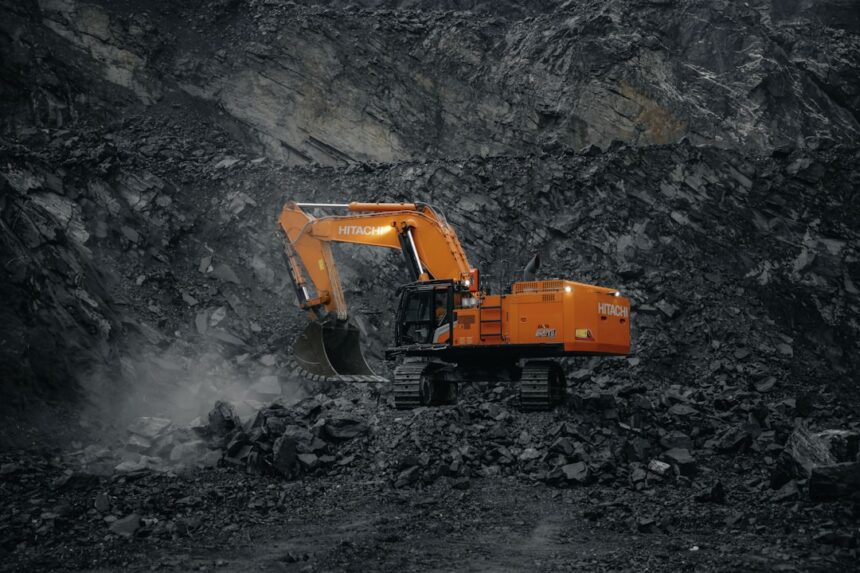
You stand at a precipice, a crossroads in humanity’s relentless pursuit of resources. Two distinct, yet increasingly intertwined, pathways lie before you: the deep sea and the urban landscape. Both teem with the materials that fuel your modern existence, from the rare earth elements powering your smartphones to the copper wiring that electrifies your cities. But the methods of extraction, the environmental implications, and the ethical considerations surrounding each are starkly different. This is the battle for resources, a silent war waged not with armies, but with drills, excavators, and the unyielding demands of progress.
You gaze into the inky blackness of the ocean’s abyss, a realm of crushing pressures and perpetual darkness. Yet, within this seemingly barren expanse lie mineral deposits of immense value, formed over millennia by geological and biological processes. For decades, these polymetallic nodules, cobalt-rich crusts, and seafloor massive sulfides remained largely theoretical resources, accessible only to a handful of scientific expeditions. Now, the technology is emerging, and the economic incentive is too strong to ignore.
The Treasures Beneath the Waves
Polymetallic Nodules: Potato-Shaped Wealth
These potato-sized rocks, scattered across vast plains of the abyssal ocean floor, are veritable treasure chests. Rich in manganese, nickel, copper, and cobalt, they represent arguably the most accessible and potentially lucrative of deep-sea mineral resources. A single nodule can contain a complex matrix of valuable metals, making their extraction a highly attractive prospect for industries reliant on these elements. You can envision the sheer scale of these deposits, covering millions of square kilometers of the seabed, appearing almost like fields waiting to be harvested.
Cobalt-Rich Crusts: Layered Riches
Clinging to the flanks of seamounts and ridges, these crusts are formed by the slow precipitation of metals from seawater. Their significant cobalt content, vital for batteries, is drawing particular attention. The concentration of cobalt here can be considerably higher than in terrestrial ores, presenting a tempting alternative to increasingly strained land-based sources. You might picture these crusts as geological formations, built up layer by painstaking layer over eons, now being targeted for rapid depletion.
Seafloor Massive Sulfides: Volcanic Veins
Formed around hydrothermal vents, these deposits are rich in copper, gold, zinc, and silver. While more challenging to access due to their location and the dynamic nature of vent systems, they offer a concentrated source of precious metals. The sheer heat and chemical activity associated with these environments make them unique geological phenomena, and their mineral wealth is a direct byproduct of these extreme conditions. You can imagine the raw, untamed power of these vent systems, creating the very veins of metal you seek.
The Technological Frontier
Extracting these resources from depths often exceeding 4,000 meters presents significant engineering challenges. You need specialized vessels capable of withstanding extreme pressures, sophisticated remotely operated vehicles (ROVs) and autonomous underwater vehicles (AUVs) for exploration and sampling, and robust collection systems that can operate in a harsh environment. This is not simply digging; it’s a feat of advanced engineering that pushes the boundaries of what is currently possible.
The Promises of Deep Sea Mining
The economic arguments for deep-sea mining are compelling. Proponents highlight the potential to meet growing global demand for critical minerals, reduce reliance on geopolitically sensitive terrestrial mines, and even drive innovation in materials science and engineering. For you, this translates into a promise of continued technological advancement, uninterrupted supply chains, and perhaps even lower costs for the devices and infrastructure that define your modern life.
In the ongoing debate between deep sea mining and urban mining, the environmental implications and sustainability of each method are critical considerations. A related article that delves into the advantages and disadvantages of these practices can be found at Productive Patty. This resource provides valuable insights into how urban mining and recycling can serve as more sustainable alternatives to the extraction of minerals from the ocean floor, highlighting the importance of responsible resource management in the face of growing technological demands.
The Scars of Progress: Urban Mining
You look upon your cities, not as mere places of habitation, but as vast, sprawling repositories of discarded materials. In the landfills, the e-waste dumps, and the abandoned industrial sites, lies an astonishing wealth of recoverable resources. This is the other side of the battle, a reclamation of what has already been extracted, processed, and ultimately, discarded. It’s a stark contrast to the virgin territories of the deep sea.
The Urban Mine: A Hidden Trove
Electronic Waste (E-Waste): Digital Detritus
Your discarded smartphones, laptops, and appliances are more than just junk. They are miniature mines, containing valuable metals like gold, silver, copper, platinum, and palladium. The sheer volume of e-waste generated globally is staggering, and much of it ends up in landfills, releasing toxic substances and wasting precious resources. You can visualize mountains of these devices, a silent testament to your rapid consumption cycles.
Construction and Demolition Waste: Building Blocks Reclaimed
The rubble of demolished buildings, the discarded concrete, asphalt, and metals from construction sites, represent a significant source of raw materials. Through reprocessing, these materials can be reused in new construction projects, reducing the need for virgin aggregate and metals. You can picture the potential for turning demolition sites into resource hubs, rather than just waste disposal zones.
Industrial Byproducts and Slags: Forgotten Fortunes
Many industrial processes generate byproducts and slags that contain valuable elements. These have often been treated as waste, but with advancements in separation and recovery technologies, they are increasingly being recognized as potential sources of metals and minerals. You might see these as forgotten fortunes, lurking within the operational waste streams of your industries.
The Recycling Revolution
Urban mining hinges on the development and refinement of efficient recycling processes. This involves sophisticated sorting technologies, advanced chemical and physical separation techniques, and the development of closed-loop systems that minimize waste and maximize resource recovery. Your participation in well-designed recycling programs is a crucial element.
The Benefits of Urban Mining
The advantages of urban mining are equally compelling. It reduces the need for environmentally damaging terrestrial mining, conserves natural resources, mitigates pollution from landfills, and can create local employment opportunities. For you, this means cleaner cities, a more sustainable economy, and a reduced environmental footprint.
The Environmental Reckoning: A Growing Concern
The pursuit of resources, whether from the ocean floor or the urban landscape, carries significant environmental consequences. The question is, which path presents the lesser evil, or offers a more sustainable future?
Deep Sea Mining’s Environmental Shadow
Habitat Destruction and Biodiversity Loss
The physical disturbance of the seabed by mining operations, including seafloor disruption, sediment plumes, and noise pollution, poses a severe threat to unique and fragile deep-sea ecosystems. These environments are slow to recover, and the loss of biodiversity could have unforeseen cascading effects on marine food webs and the overall health of the ocean. You might imagine the delicate balance of these ecosystems being irrevocably disrupted.
Sediment Plumes and Water Column Impacts
The re-suspension of sediments can spread far beyond the immediate mining site, affecting filter-feeding organisms, reducing light penetration, and potentially altering ocean chemistry. The long-term impacts of these plumes on the wider marine environment are not fully understood, making this a significant area of concern. You can picture the murky clouds obscuring life-giving light.
Release of Toxic Substances
Disturbing mineral deposits could potentially release naturally occurring toxins into the water column, further endangering marine life. The long-term consequences of such releases are a major unknown.
Urban Mining’s Cleaner Footprint (Relatively)
While not without its own challenges, urban mining generally presents a more favorable environmental profile.
Reduced Land Disturbance
By reclaiming materials from existing sites, urban mining minimizes the need for new mining operations on land, thus preserving natural habitats and biodiversity. You are effectively leveraging existing scars rather than creating new ones.
Lower Greenhouse Gas Emissions
Recycling and reprocessing materials typically require less energy and generate fewer greenhouse gas emissions compared to primary extraction from virgin ores.
Mitigation of Landfill Issues
Urban mining directly addresses the problem of overflowing landfills, reducing the risk of soil and groundwater contamination.
The Economic Tug-of-War: Profit vs. Pragmatism
The economic drivers for both deep-sea mining and urban mining are potent, but they operate under different assumptions and face distinct challenges.
The Lure of High-Grade Ores and Economies of Scale (Deep Sea)
Deep-sea deposits often boast higher concentrations of valuable metals than many terrestrial ores, offering the potential for significant profit margins. Proponents argue that the sheer scale of some deep-sea deposits could lead to economies of scale that drive down the cost of critical minerals. However, the immense upfront investment required for infrastructure and technology development is a substantial barrier. You must weigh the allure of concentrated wealth against the colossal risk and expense.
The Value of Byproducts and Circularity (Urban)
Urban mining often deals with lower concentrations of metals but benefits from the abundance of discarded materials and the potential for creating value from what would otherwise be waste. The focus here is on establishing efficient, cost-effective processes that can extract value from diverse streams. The concept of a circular economy, where resources are kept in use for as long as possible, is central to urban mining’s economic viability. You are looking at a system built on efficiency and resourcefulness.
The Scale of Investment and Return
The capital expenditure for deep-sea mining ventures is enormous, requiring long-term investment horizons and a high tolerance for risk. Urban mining, while also requiring investment in sorting and processing facilities, can often be implemented in a more modular and phased approach, potentially offering quicker returns on investment.
The debate between deep sea mining and urban mining, along with recycling, is becoming increasingly significant as we seek sustainable solutions for resource extraction. A related article discusses the environmental implications of these practices and highlights the importance of balancing economic needs with ecological preservation. For more insights on this topic, you can read the full article here. Understanding the differences and potential impacts of these methods is crucial for developing a responsible approach to resource management in the future.
The Ethical Abyss: Responsibility and Foresight
| Metrics | Deep Sea Mining | Urban Mining and Recycling |
|---|---|---|
| Environmental Impact | Can cause disruption to marine ecosystems | Reduces the need for new raw material extraction |
| Resource Extraction | Extracts minerals from the ocean floor | Recovers valuable materials from electronic waste |
| Energy Consumption | Requires significant energy for extraction process | Uses less energy compared to primary extraction |
| Economic Viability | High potential for profit due to rare mineral deposits | Cost-effective due to reduced need for new material production |
Beyond the technical and economic considerations, lies a complex ethical landscape that you must navigate. The decisions you make today will have profound implications for future generations and the health of the planet.
The Precautionary Principle vs. Immediate Need (Deep Sea)
The deep sea is one of the last remaining largely unexplored frontiers on Earth. Critics of deep-sea mining argue that the precautionary principle should be applied, demanding extensive scientific research into potential environmental impacts before any commercial extraction begins. They question whether the immediate need for certain minerals justifies the potential irreversible damage to these unique ecosystems. You are faced with the question of whether to explore and exploit the unknown, or to proceed with extreme caution.
The Shadow of Past Exploitation (Urban)
Urban mining, while seemingly benign, carries the ethical weight of past resource exploitation and the resulting environmental degradation. Ensuring fair labor practices in recycling facilities, addressing the disproportionate impact of e-waste on developing nations, and preventing the creation of new environmental problems through poorly managed recycling operations are critical ethical considerations. You are grappling with the consequences of your past actions and striving for a more equitable present.
Ensuring Equitable Access and Distribution
Both deep-sea and urban mining raise questions about who benefits from these newly accessible or reclaimed resources. Will they be concentrated in the hands of a few powerful corporations, or will their benefits be more widely distributed? How can you ensure that the pursuit of these resources does not exacerbate existing inequalities?
The Legacy You Leave Behind
Ultimately, the battle for resources is a reflection of your societal values and your vision for the future. You can choose to continue on a path of relentless extraction, consuming virgin resources at an unsustainable rate, or you can embrace a more responsible and circular approach, where resources are managed with foresight and respect for both the natural world and future generations. The choices you make now will determine the legacy you leave behind in the depths of the ocean and on the landscapes you call home.
FAQs
What is deep sea mining?
Deep sea mining is the process of retrieving mineral deposits from the ocean floor. This involves using specialized equipment to extract valuable resources such as copper, nickel, cobalt, and rare earth elements from deep sea hydrothermal vents, polymetallic nodules, and ferromanganese crusts.
What is urban mining and recycling?
Urban mining, also known as above-ground mining, refers to the process of recovering and recycling valuable metals and materials from electronic waste, industrial by-products, and end-of-life products. This sustainable approach aims to reduce the reliance on traditional mining and minimize the environmental impact of resource extraction.
What are the environmental impacts of deep sea mining?
Deep sea mining can have significant environmental impacts, including habitat destruction, disturbance of marine ecosystems, and potential release of toxic substances into the ocean. The process can also contribute to sediment plumes, which may affect marine life and water quality in the surrounding areas.
What are the benefits of urban mining and recycling?
Urban mining and recycling offer several benefits, including reducing the demand for new raw materials, minimizing energy consumption and greenhouse gas emissions associated with traditional mining, and decreasing the amount of waste sent to landfills. Additionally, recycling metals and materials can help conserve natural resources and support a circular economy.
What are the challenges of deep sea mining and urban mining/recycling?
Challenges associated with deep sea mining include technological limitations, regulatory uncertainties, and potential conflicts with marine conservation efforts. Urban mining and recycling face challenges such as the need for efficient collection and sorting of electronic waste, as well as the development of cost-effective recycling processes for complex products.