You stand at the precipice, contemplating the vast, unexplored frontier of the deep sea. The allure of untapped mineral resources, essential for our technologically driven world, is undeniable. However, this potential bounty comes with significant environmental considerations, particularly concerning the extraction of minerals from the seabed. Before any such activity can commence, a rigorous understanding of the existing environment is paramount. This is where the concept of environmental baseline data becomes critical. You, as a stakeholder—be it a concerned citizen, a scientist, a regulator, or an industry professional—need access to this information to form informed opinions and make sound decisions. This article focuses on why promoting transparency in deep sea mining environmental baseline data is not just a good idea, but an absolute necessity for responsible development and the long-term health of our oceans.
The Foundation of Responsible Exploration: What is Baseline Data?
When we talk about deep sea mining, we are venturing into environments that are largely unknown and incredibly fragile. Unlike terrestrial ecosystems, which are often well-studied and readily observable, the deep sea is characterized by extreme pressures, perpetual darkness, and unique life forms that have evolved over millennia.
Defining the Unseen: Components of Baseline Data
Environmental baseline data, in this context, represents a snapshot of the deep-sea ecosystem before any mining operations begin. It’s a comprehensive description of the physical, chemical, and biological characteristics of an area targeted for potential mining.
Understanding the Physical Environment
This includes crucial parameters like water temperature, salinity, currents, pressure, and sediment composition. You need to know the ambient conditions to understand how they might change. For instance, understanding prevailing currents is vital for predicting where sediment plumes from mining activities might travel and what areas they might impact. The geology of the seafloor, including the type of substrate (e.g., polymetallic nodules, cobalt-rich crusts, or seafloor massive sulfides), is also a key component, as different geological formations host different biological communities.
Characterizing the Chemical Landscape
Key chemical elements and compounds in the water column and sediments need to be documented. This includes dissolved oxygen levels, pH, nutrient concentrations, and the presence of trace metals. Changes in these parameters due to mining could have cascading effects on marine life. For example, increased turbidity from sediment resuspension could reduce light penetration, impacting photosynthetic organisms if they are present at shallower depths influenced by mining.
Cataloging the Biological Inhabitants
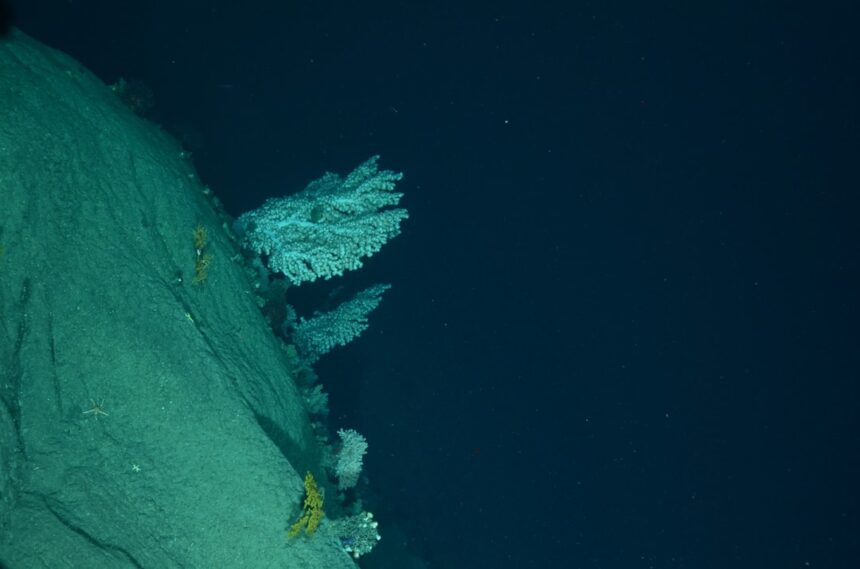
This is arguably the most complex and vital aspect. Baseline studies must identify and quantify the species present, their abundance, distribution, and behavior. This involves surveying a wide range of organisms, from microscopic bacteria and archaea to benthic invertebrates like sponges, corals, mollusks, and crustaceans, as well as any pelagic species that might frequent the area. Understanding the food webs and ecological interactions within the target area is crucial for assessing potential impacts.
Establishing the Status Quo: The Purpose of Baseline Data
The primary purpose of collecting this baseline data is to establish a “status quo”—a clear picture of the environment in its pristine state. This baseline then serves as a reference point against which future changes can be measured. Without this reference, it becomes impossible to determine whether observed changes are a result of human activity or natural environmental variability.
In the ongoing discussions surrounding deep sea mining, the importance of transparency in environmental baseline data cannot be overstated. A related article that delves into this critical issue can be found at Productive Patty, where it explores the implications of inadequate data on marine ecosystems and the need for robust regulatory frameworks to ensure sustainable practices. This resource highlights the challenges faced by policymakers and stakeholders in balancing economic interests with environmental protection in the deep sea mining sector.
The Imperative of Open Access: Why Transparency is Non-Negotiable
The collection of environmental baseline data for deep sea mining is a significant undertaking, requiring substantial resources and scientific expertise. However, simply collecting this data is insufficient. Making this data readily accessible and understandable to all relevant parties is where the concept of transparency becomes paramount.
Building Trust and Credibility: The Role of Open Data
In an undertaking as potentially impactful as deep sea mining, trust is a fragile commodity. Transparency in baseline data collection and reporting builds credibility for both the conducting entities and the regulatory frameworks governing the activity. When you can see the data, understand its collection methodology, and assess its limitations, you are more likely to trust the conclusions drawn from it and the decisions made based upon it.
Ensuring Independent Scrutiny and Validation
Open access allows independent scientists, research institutions, and non-governmental organizations to review the data. This scrutiny is invaluable. It can help identify potential biases in data collection or interpretation, highlight areas where data is insufficient, and suggest improvements for future studies. Validation by the wider scientific community strengthens the reliability of the baseline information.
Empowering Stakeholders and Fostering Participation
Transparency empowers a wider range of stakeholders, including coastal communities, environmental advocacy groups, and the general public, to engage meaningfully in the decision-making process. When you have access to the same information as the regulators and the industry, you can better understand the potential risks and benefits, and articulate your concerns or support with factual evidence. This fosters a more inclusive and democratic approach to resource management.
Facilitating Adaptive Management Strategies
Deep sea ecosystems are complex and dynamic. Baseline data is just the starting point. As mining activities progress, ongoing monitoring is essential. Transparently shared monitoring data allows for adaptive management—the ability to adjust mining strategies and mitigation measures in response to observed environmental impacts. Without open data, identifying these impacts and responding effectively becomes a far more challenging, if not impossible, task.
Challenges and Pitfalls in Data Accessibility
While the need for transparency is clear, the path to achieving it is not without its obstacles. Several challenges can hinder the effective dissemination and utilization of deep sea mining baseline data.
The Labyrinth of Proprietary Information and Commercial Sensitivity
One of the most significant hurdles is the claim of commercial sensitivity or proprietary information by companies involved in exploration. This can lead to the withholding of data that is crucial for public understanding and scientific review.
Balancing Competitive Interests with Public Good
Companies invest heavily in exploration, and they have a legitimate interest in protecting their proprietary discoveries and competitive edge. However, this must be balanced against the overwhelming public interest in understanding the potential environmental consequences of their activities. The question then becomes: where is the line drawn between protecting legitimate commercial interests and safeguarding the health of the ocean?
Developing Robust Data Sharing Frameworks
Effective frameworks are needed to allow companies to protect genuinely sensitive commercial information while still making comprehensive environmental data publicly available. This might involve anonymizing certain datasets, delaying the release of specific data points for a limited period, or implementing robust non-disclosure agreements for specific research purposes.
The Technical Hurdles of Data Management and Standardization
The sheer volume and variety of data collected in deep sea baseline studies present considerable technical challenges in terms of storage, management, and accessibility.
Ensuring Data Interoperability and Standardization
Different research groups and companies may use varying methodologies and data formats, making it difficult to integrate and compare datasets. Establishing standardized protocols for data collection, storage, and metadata annotation is essential for ensuring interoperability and facilitating cross-study analysis.
Creating Accessible and User-Friendly Repositories
Simply storing data is not enough. You need easily accessible, searchable, and user-friendly repositories where baseline data can be stored and retrieved. These repositories should be maintained by independent bodies or under a well-defined international framework to ensure long-term accessibility and integrity.
Strategies for Fostering Transparency
Overcoming these challenges requires a multi-faceted approach involving international cooperation, regulatory action, and technological innovation.
The Role of International Governance and Regulation
International bodies have a critical role to play in setting standards and enforcing transparency requirements.
Strengthening the Authority of the International Seabed Authority (ISA)
The ISA, responsible for regulating mineral activities in the international seabed area, has a mandate to ensure the protection of the marine environment. Strengthening its authority and capacity to mandate and oversee transparent data reporting is crucial. This includes developing clear regulations and guidelines for baseline data collection, submission, and public accessibility.
International Agreements and Data Sharing Protocols
The development of international agreements and robust data sharing protocols, perhaps through conventions like the UN Convention on the Law of the Sea (UNCLOS), can establish clear obligations for all parties involved in deep sea mining exploration. These protocols should define what constitutes adequate baseline data, the timeline for its submission, and the mechanisms for public access.
Industry Initiatives and Best Practices
While regulation is essential, industry-led initiatives can also drive greater transparency.
Embracing Open Science Principles
Companies can proactively embrace open science principles, voluntarily making their baseline data publicly available through reputable data repositories or scientific publications. This demonstrates a commitment to responsible stewardship and can foster positive relations with stakeholders.
Developing Industry-Wide Data Standards
Industry consortia can work together to develop common data standards and best practices for baseline data collection and reporting. This can streamline the process for companies and ensure a more consistent and comparable dataset across different exploration areas.
Leveraging Technology for Enhanced Accessibility
Technological advancements offer powerful tools for improving data transparency.
Establishing Centralized, Publicly Accessible Databases
The development of secure, centralized, and publicly accessible databases specifically for deep sea mining environmental baseline data is paramount. These databases should be managed by independent scientific or intergovernmental organizations to ensure impartiality and long-term data preservation.
Utilizing Advanced Data Visualization and Analysis Tools
Beyond simply making raw data available, investing in user-friendly data visualization and analysis tools can significantly enhance transparency. These tools can help non-experts understand complex datasets, identify trends, and draw their own conclusions, fostering greater engagement and informed debate.
Transparency in deep sea mining is crucial for understanding the potential environmental impacts of these activities, and a related article discusses the importance of establishing robust environmental baseline data. This data serves as a foundation for assessing the long-term effects of mining on marine ecosystems. For further insights, you can read more about this topic in the article found here. By ensuring transparency in data collection and sharing, stakeholders can make informed decisions that prioritize the health of our oceans.
The Future of Our Oceans: A Shared Responsibility
The deep sea is the planet’s largest biome, a reservoir of biodiversity and a critical component of ocean health. The decisions made today regarding deep sea mining will have lasting consequences for generations to come.
The Ethical Imperative: Stewardship of a Common Heritage
As humanity, you have an ethical obligation to act as stewards of the deep sea, which is considered the common heritage of humankind. This stewardship demands a precautionary approach, informed by the best available scientific knowledge. Transparency in baseline data is not merely a procedural requirement; it is an ethical imperative.
Informed Decision-Making for Sustainable Exploration
Ultimately, promoting transparency in deep sea mining environmental baseline data is about ensuring informed decision-making. It is about empowering all stakeholders to understand the potential risks and benefits, and to contribute to the development of sustainable exploration practices that protect this vital, yet fragile, ecosystem. Your access to and understanding of this data is the bedrock upon which responsible choices will be built. By demanding and fostering transparency, you contribute to the long-term health of our oceans for the benefit of all.
FAQs
What is deep sea mining environmental baseline data?
Deep sea mining environmental baseline data refers to the collection and analysis of information about the ecological and environmental conditions of a deep sea mining area before any mining activities take place. This data is crucial for understanding the potential impacts of mining on the marine environment and for establishing a baseline against which future changes can be measured.
Why is transparency important in deep sea mining environmental baseline data?
Transparency in deep sea mining environmental baseline data is important because it allows for independent verification of the data and findings. This helps to build trust among stakeholders, including governments, industry, and local communities, and ensures that decisions about deep sea mining are based on accurate and reliable information.
What are the potential environmental impacts of deep sea mining?
Potential environmental impacts of deep sea mining include habitat destruction, disturbance of marine ecosystems, release of sediment plumes, and disruption of deep sea biodiversity. These impacts can have long-lasting and potentially irreversible effects on the marine environment.
How can transparency be achieved in deep sea mining environmental baseline data collection?
Transparency in deep sea mining environmental baseline data collection can be achieved through open and accessible data sharing, independent verification of data and findings, and involvement of diverse stakeholders in the data collection and analysis process. This can help to ensure that the data is reliable and that decisions about deep sea mining are made in a transparent and accountable manner.
What are some potential solutions for ensuring transparency in deep sea mining environmental baseline data?
Potential solutions for ensuring transparency in deep sea mining environmental baseline data include the development of international standards for data collection and reporting, the establishment of independent monitoring and verification mechanisms, and the inclusion of local communities and indigenous groups in the decision-making process. These measures can help to promote transparency and accountability in deep sea mining activities.